Mammals
Reptiles
Birds
Amphibians and Fish
Miscellaneous
100
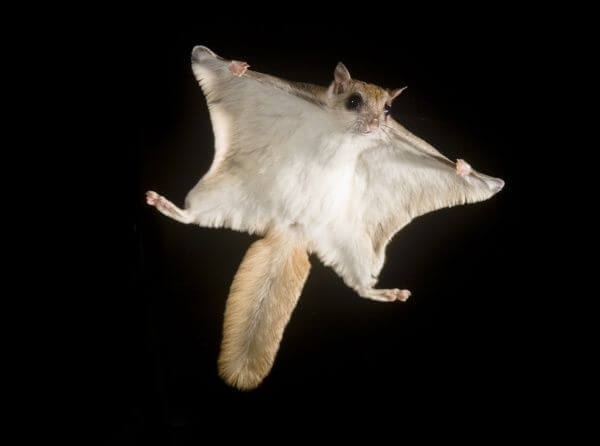
This creature is known for gliding from treetop to treetop, using flaps of skin between its legs. They love to eat nuts and seeds.
A) Southern Flying Squirrel
B) Eastern Red Bat
C) Gray Squirrel
What is Southern Flying Squirrel?
100
This one of only 5 venomous snakes found in the state of Iowa. They have specialized scales at the ends of their tails that they shake rapidly to create a buzzing sound.
A) Prairie Rattlesnake
B) Smooth Green Snake
C) Copperhead
What is Prairie Rattlesnake?

100
This nocturnal bird gets its name from the species' habit of nesting in the hay lofts of barns. Some old superstitions consider this bird an omen of death or witchcraft. It eats small mammals like mice and voles.
A) Red-tailed Hawk
B) Mallard duck
C) Barn Owl
What is Barn Owl?

100
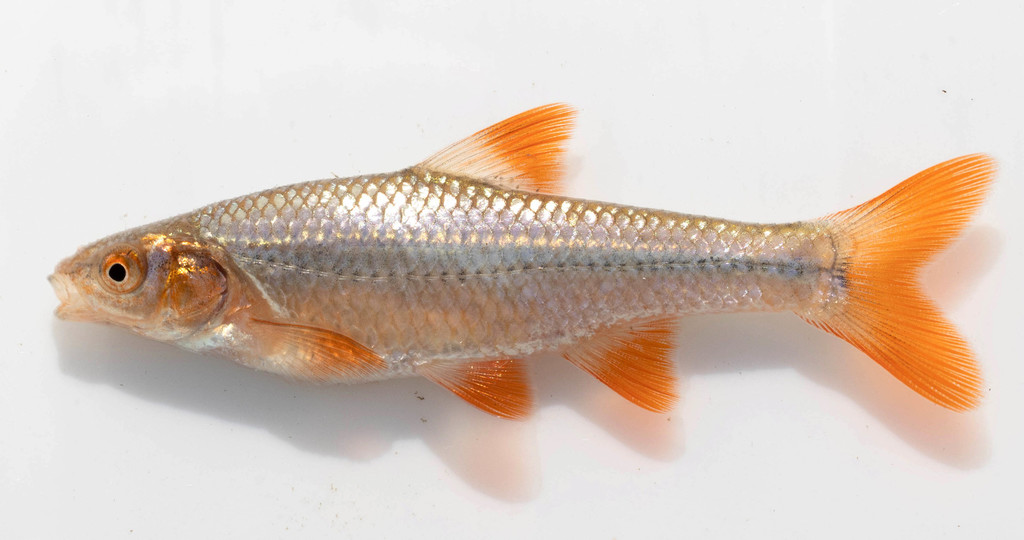
This species of minnow, named for a town in Kansas, lives in prairie rivers and oxbows. They need clear and clean water to thrive
A) Black Redhorse
B) Topeka Shiner
C) Bluntnose Minnow
What is Topeka Shiner?
100
The main reason animal and plant species become threatened or endangered.
What is habitat loss?
200
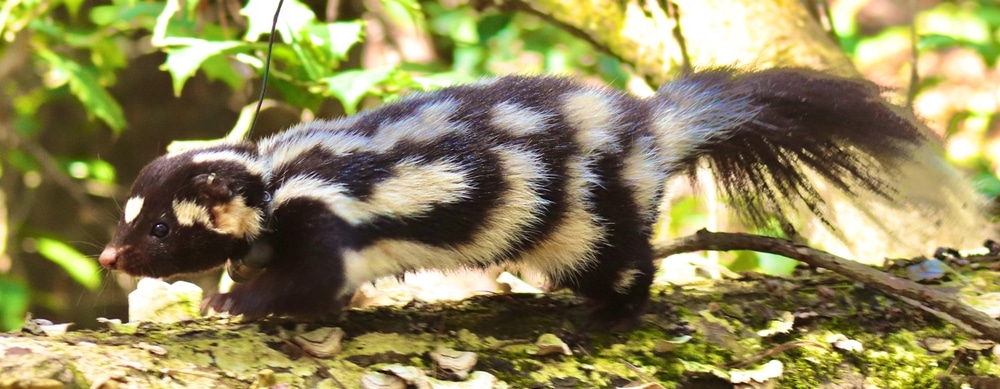
This creature is known for expelling a smelly substance from it's behind! It lives in open savannahs and eats insects and small rodents.
A) Red Fox
B) Eastern Spotted Skunk
C) Least Weasel
What is Eastern Spotted Skunk?
200
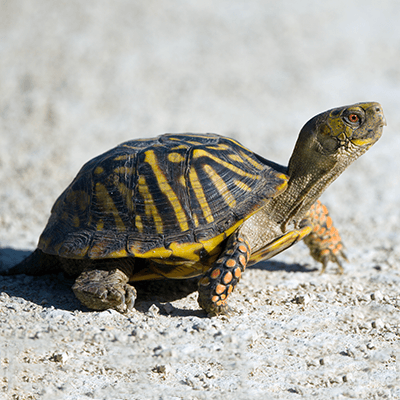
This creature can completely close up its shell to protect itself from predators. They have very detailed markings on their backs, which is how they get their name. We even have one here at the nature center!
A) Dekay's brown snake
B) Ornate Box Turtle
C) Painted Turtle
What is Ornate Box Turtle?
200
This bird is known for the exceptionally long feather tufts on the top of their heads. They are most likely seen at dusk on forest edges near open grasslands and meadows.
A) Barred Owl
B) Cooper's Hawk
C) Long-eared Owl
What is Long-eared Owl?

200
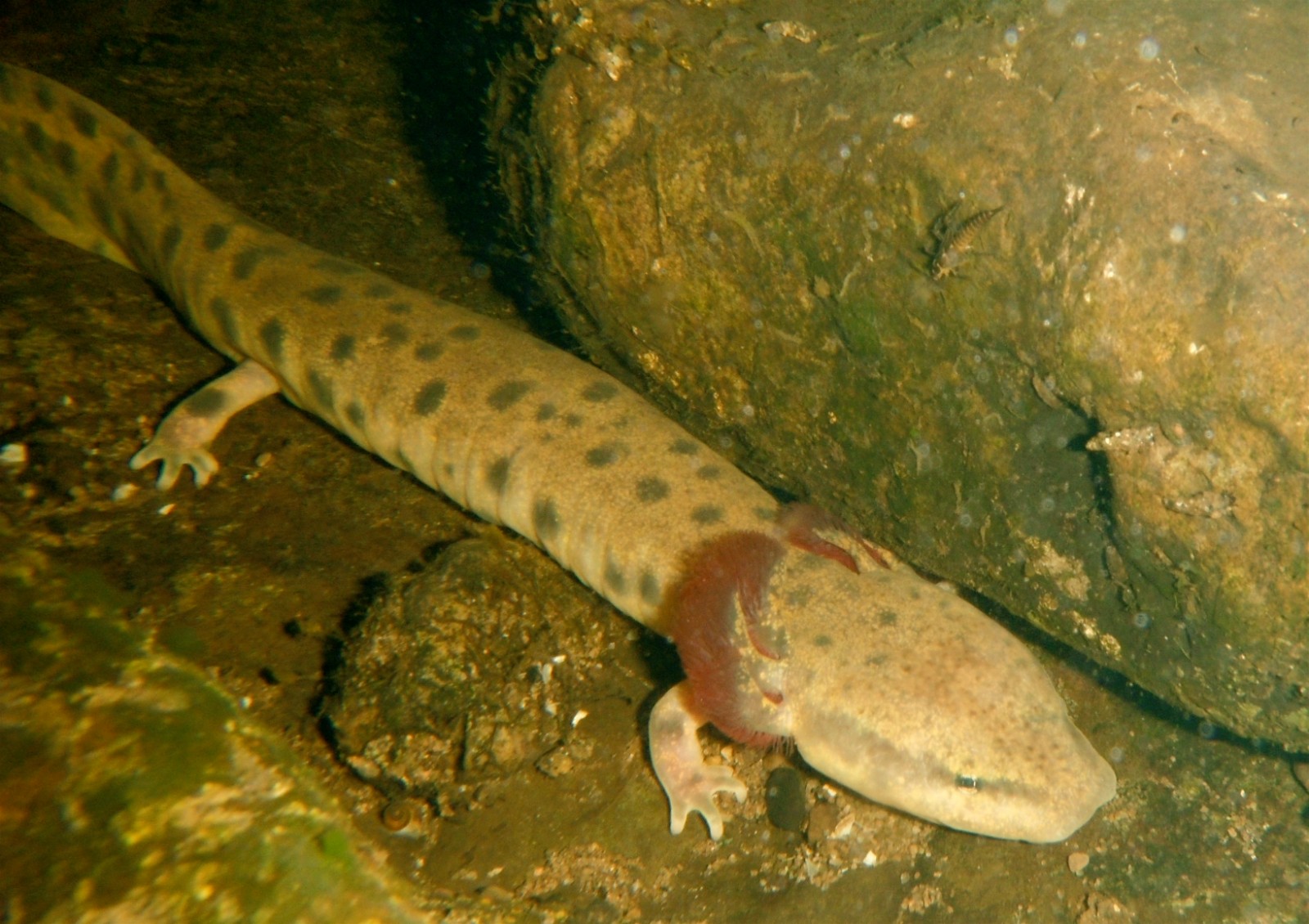
This is Iowa's largest species of salamander. They are known for having bushy red gills, and they eat aquatic insects, worms, and crayfish.
A) Mudpuppy
B) Mole Salamander
C) Spring Peeper
What is Mudpuppy?
200
Iowa has lost this percent of our native prairie.
What is 99 percent?
300
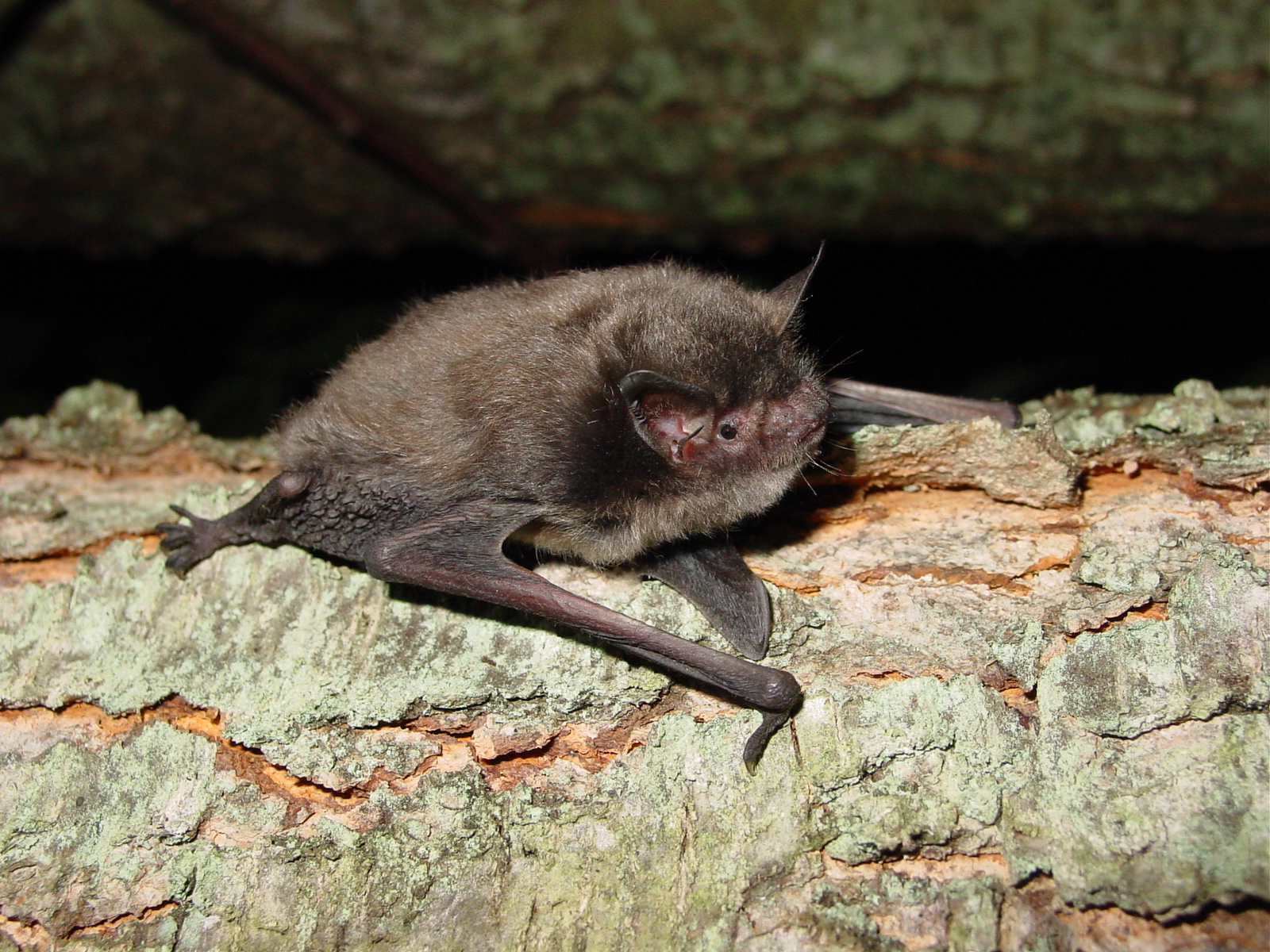
This very small mammal is one of the only mammals that can fly! They hibernate in large clusters, up to 500 per square foot. They have a wingspan of up to 10 inches.
A) Indiana Bat
B) White-footed Mouse
C) Little Brown Bat
What is Indiana Bat?
300
This reptile has a very distinct nose that they use to burrow into the ground. They have a very weak venom specialized for hunting frogs and toads.
A) Bullsnake
B) Western Hognose Snake
C) Five-lined Skink
What is Western Hognose Snake?

300
This bird is one of the smallest shorebirds in Iowa. They can often be seen wandering up and down sandy beaches in large groups, looking for insects and worms to eat.
A) Great Blue Heron
B) Piping Plover
C) Canvasback
What is Piping Plover?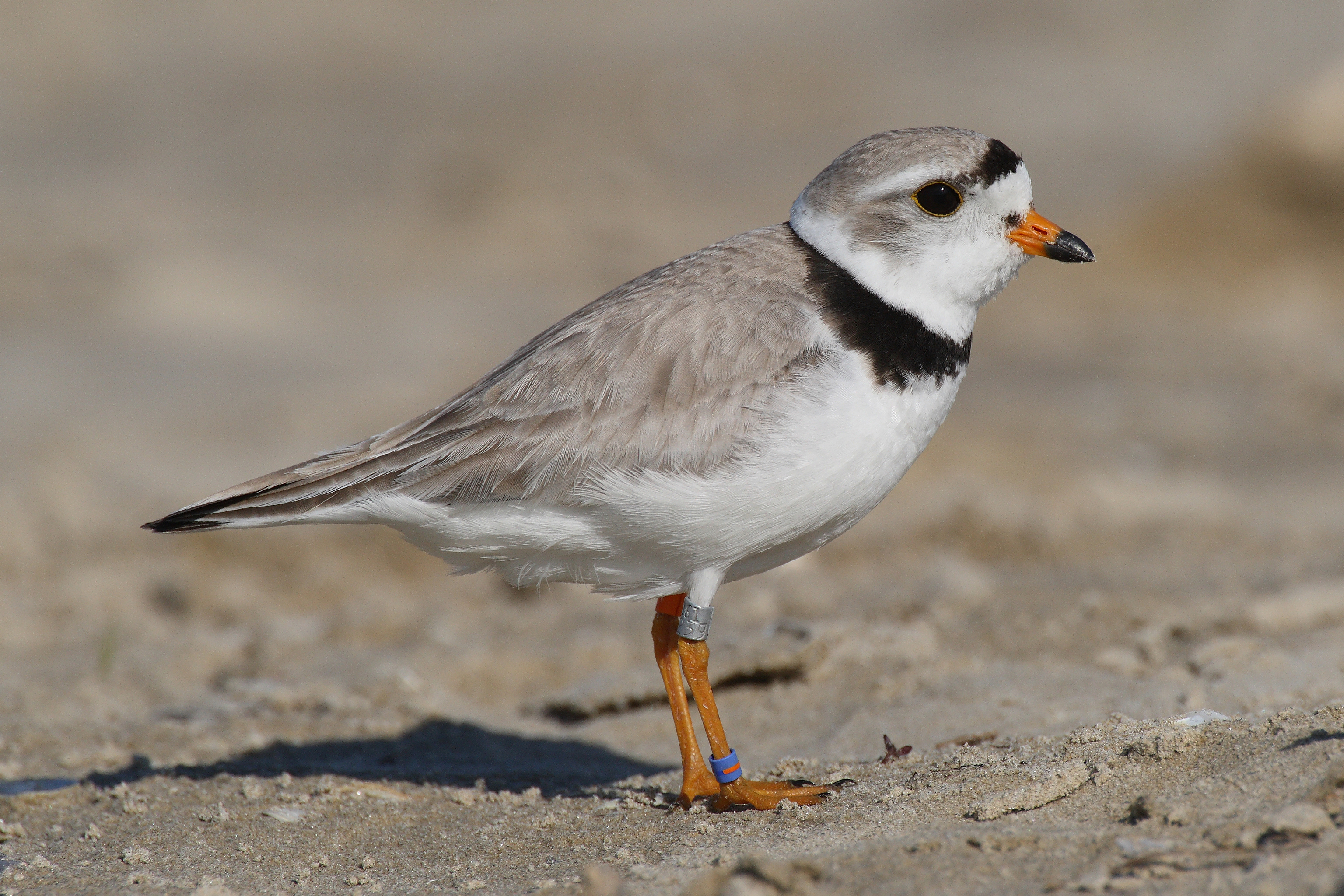
300
A medium-sized predatory fish closely related to the Northern Pike. They live in heavily vegetated, slow moving waters.
A) Grass Pickerel
B) Muskellunge
C) Longnose gar
What is Grass Pickerel?
300
The Endangered Species Act, which established protections for endangered species in the United States, was passed into law in this year.
A) 2003
B) 1940
C) 1973
When is 1973?
400
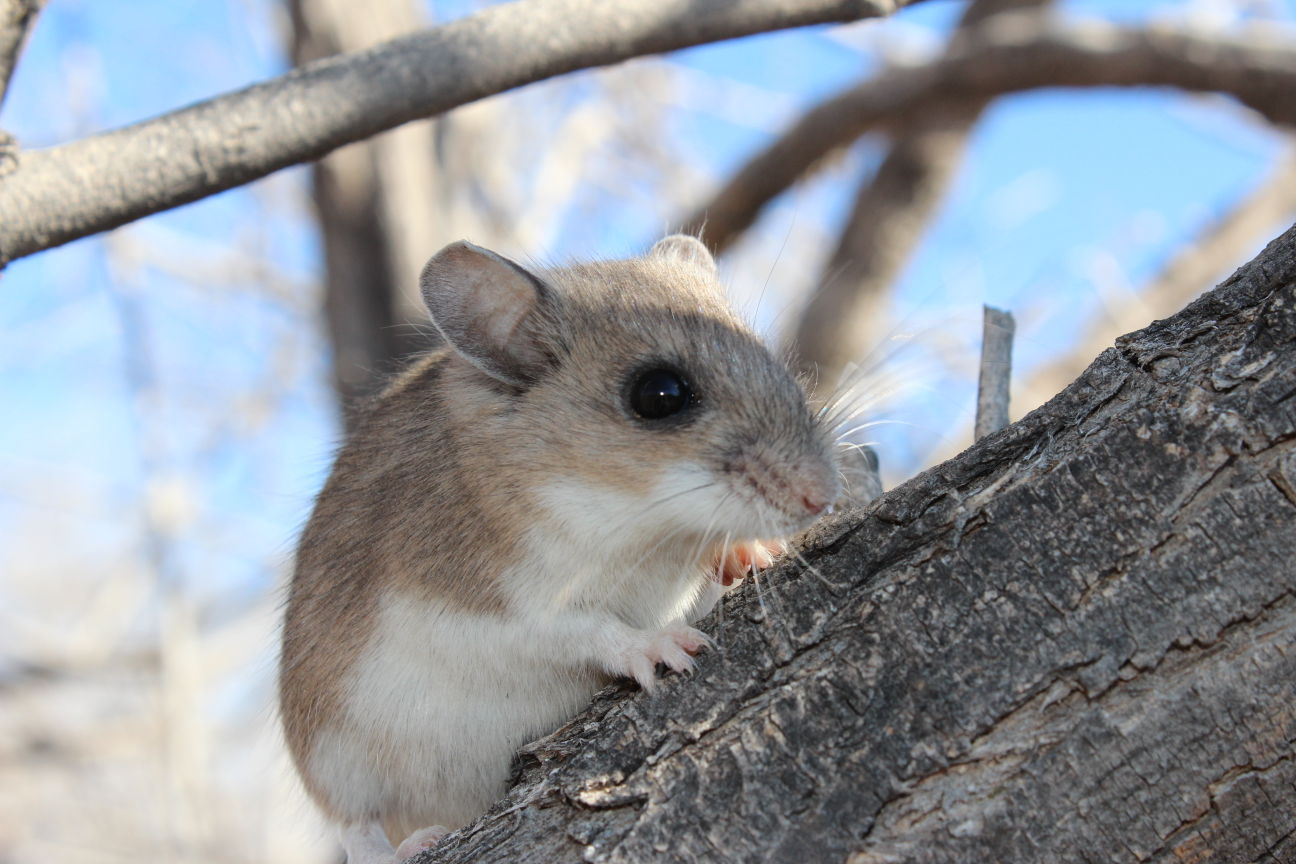
This is a small creature that likes to burrow in sandy prairies. It eats small grains, seeds, and grasses. Hawks and owls love to eat them!
A) Meadow Vole
B) Beaver
C) Plains Pocket Mouse
What is Plains Pocket Mouse?
400
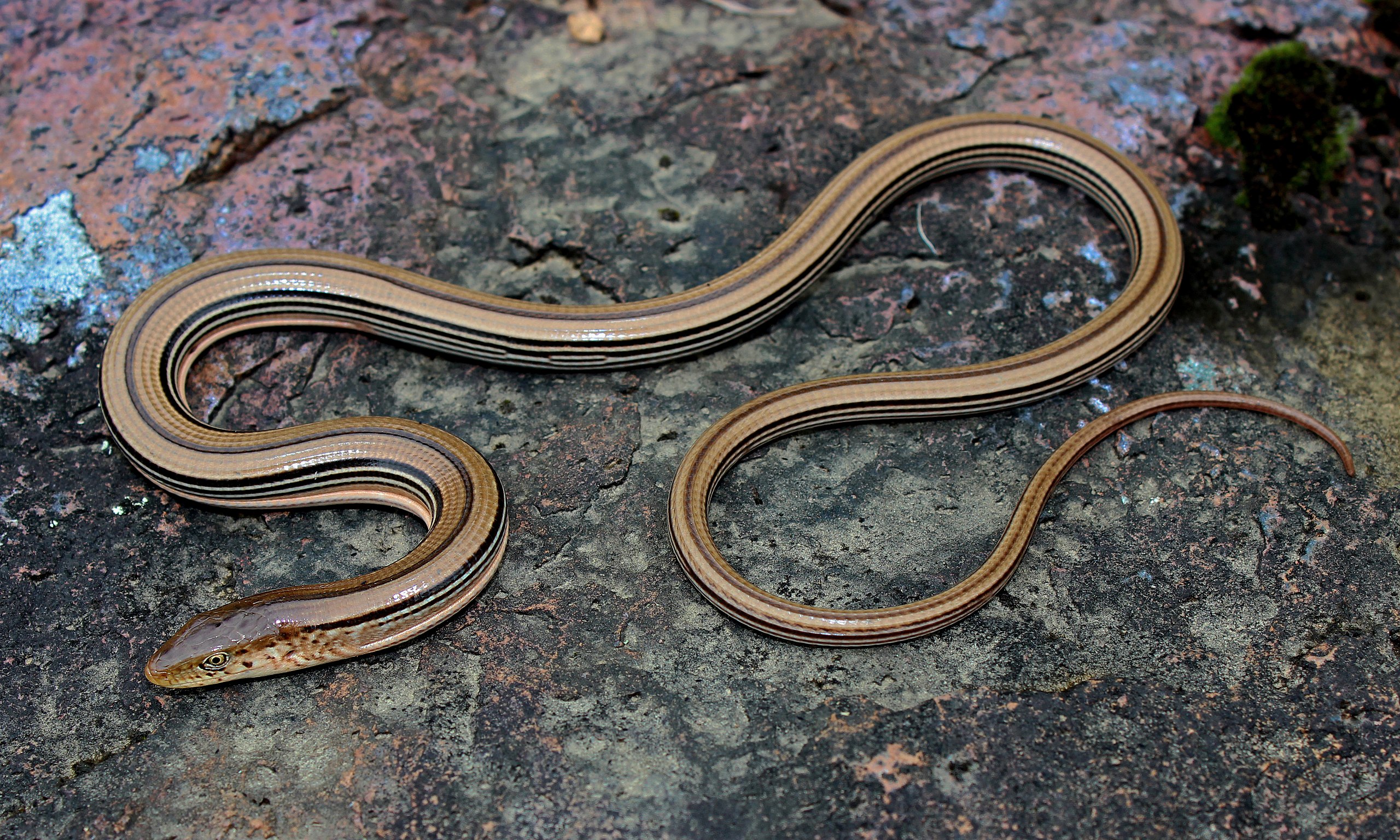
This reptile has no legs, and is often confused with a snake. Their tails are very easily broken off, and it is difficult to find an individual with an undamaged tail.
A) Prairie Racerunner
B) North American Racer
C) Slender Glass Lizard
What is Slender Glass Lizard?
400
This bird, sometimes called the Marsh hawk, can often be found hovering over wetlands and grasslands looking for rodents to eat. Its face resembles that of an owl, with a wide and defined facial disk.
A) Northern Harrier
B) American Kestrel
C) House Finch
What is Northern Harrier?

400
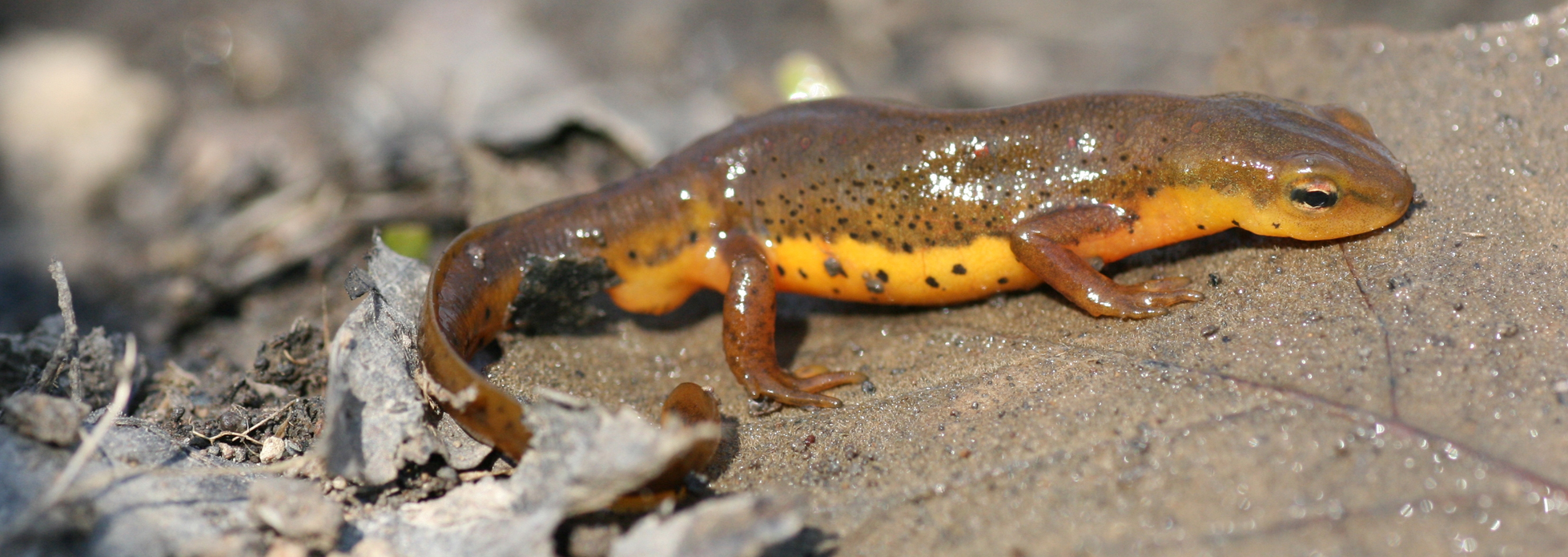
These small amphibians inhabit wet forest floors in Eastern North America. Their small size makes them vulnerable to predators, so they have developed defenses like toxins and bright warning coloring to deter predators.
A) Tiger Salamander
B) Gray Treefrog
C) Central Newt
What is Central Newt?
400
This law, named after the Iowa Congressman who was the main author, was the first federal law for the protection of wildlife and combatted the transport and trade of illegally hunted animals.
A) the Lacey Act
B) the Washington Act
C) the Antiquities Act
What is the Lacey Act?