Contour Culture
Breast in Show
Crayons & Consults
High-Five Facts
Miscellaneous Madness
Knee'd to Know
Jaw and Order
Little Stitch Energy
Heads Up!
Leftovers that Slap
100
A 39-year-old woman is evaluated because she is dissatisfied with the appearance of her abdomen. She has had five pregnancies with two full-term deliveries and three second-trimester miscarriages. She takes no birth control pills. Physical examination shows wide diastasis with excess abdominal skin. BMI is 28 kg/m2. Abdominoplasty with translocation of the umbilicus is planned. This patient is at increased risk for which of the following complications?
A) Deep vein thrombosis
B) Hematoma
C) Infection
D) Recurrent diastasis
E) Wound dehiscence
100
A 45-year-old woman with a history of breast cancer presents for a discussion of breast reconstruction with silicone breast implants. She inquires about the current screening recommendations for implant rupture. Which of the following postoperative screening recommendations should the surgeon communicate to this patient?
A) CT scan at 3 years followed by CT, MRI, or ultrasound every 2 years thereafter
B) Mammogram every 5 years
C) MRI at 2 years then every 3 years thereafter
D) MRI at 3 years then every 2 years thereafter
E) MRI or ultrasound at 5 to 6 years then every 2 to 3 years thereafter
100
What is the usual direction of displacement of the alar base in the unilateral and bilateral cleft lip nasal deformity?
A) Anterior and medial
B) Anterior and lateral
C) Posterior and medial
D) Posterior and lateral
100
In patients with rheumatoid arthritis, the inciting event in the development of a boutonniere deformity of the thumb is which of the following?
A) Adductor contracture
B) Attenuation of the extensor pollicis brevis
C) Carpometacarpal joint synovitis
D) Extensor pollicis longus subluxation
E) Metacarpophalangeal joint synovitis
100
A 65-year-old woman is brought to the recovery room after undergoing brow lift surgery. Postoperatively, acute ST-elevation myocardial infarction is noted. Aspirin is administered. Frequent ventricular premature beats and occasional short runs of nonsustained ventricular tachycardia are noted on cardiac monitoring. Current blood pressure is 115/75 mmHg, heart rate is 65 bpm, and respiratory rate is 12/min. Oxygen saturation is 100%. Which of the following is the most appropriate next step in management?
A) Intravenous administration of amiodarone 150 mg over 10 minutes
B) Intravenous administration of flecainide 2 mg/kg body weight
C) Intravenous administration of lidocaine bolus 1 mg/kg body weight followed by continuous infusion at 1 mg/min
D) Replenishment of serum potassium to > 4.0 mEq/L and magnesium to > 2.0 mg/dL
E) Withhold administration of metoprolol
100
A 43-year-old woman is evaluated because of lymphedema of the lower extremities. She demonstrates pitting edema, which does not improve with limb elevation. Her skin feels otherwise normal, with no evidence of fibrotic change. Which of the following International Society of Lymphology stages best describes this patient’s lymphedema?
A) 0
B) 1
C) 2
D) 3
100
Proper reduction of a zygomaxillary complex (ZMC) fracture requires reduction and realignment of which of the following?
A) Zygomatic arch, infraorbital rim, alveolus
B) Zygomaticofrontal suture, infraorbital rim, alveolus
C) Zygomaticofrontal suture, zygomaticomaxillary buttress, infraorbital rim
D) Zygomaticofrontal suture, zygomaticomaxillary buttress, orbital floor
E) Zygomaticomaxillary buttress, infraorbital rim, alveolus
100
A 72-year-old man undergoes composite mandibular resection followed by fibula osteocutaneous free flap reconstruction. Patient history includes squamous cell carcinoma of the oropharynx. The morning after surgery, ischemic compromise of the flap is noted. Urgent exploration of the microvascular anastomosis is performed. Which of the following causes of flap compromise is most likely to result in failure of salvage attempts?
A) Arterial thrombosis
B) Hematoma
C) Pedicle kinking
D) Venous thrombosis
100
An otherwise healthy 50-year-old woman is referred 1 hour after Mohs micrographic surgery. The margins are clear. Physical examination shows a 1.4-cm full-thickness skin and soft-tissue defect of the nasal tip. Which of the following is the most appropriate method of reconstruction in this patient?
A) Bilobed flap
B) Split-thickness skin graft
C) Nasolabial flap
D) Paramedian forehead flap
E) V-Y advancement flap
100
A 2-month-old child with mild stridor has a circumferential subglottic hemangioma. Which of the following is the most appropriate initial management?
(A) Administration of a corticosteroid
(B) Carbon dioxide laser ablation
(C) Interferon therapy
(D) Observation
(E) Radiation therapy to the neck
200
A 40-year-old woman desires improvement of transverse rhytids along the root of the nose. The most appropriate surgical procedure is resection of which of the following muscles?
(A) Corrugator supercilii
(B) Frontalis
(C) Orbicularis oculi
(D) Procerus
200
A 41-year-old woman comes to the office because of an invasive ductal carcinoma of the left breast. On mammography, the tumor is 3 cm from the nipple and measures 4 cm. A left-sided lateral periareolar scar extending from the 12 o’clock to the 3 o’clock position from a previous biopsy is noted. The patient wishes to undergo a nipple-sparing mastectomy. Which of the following findings places the patient at greatest oncologic risk, including risk for de novo or recurrent cancer or inadequate surgical margins, with this procedure?
A) Distance of tumor to nipple
B) Patient age
C) Presence of the periareolar scar
D) Size of tumor
E) Type of tumor
200
A 6-month-old infant is brought to the office because of abnormal head tilt and limited range of motion of the neck. Physical examination shows a 3-cm firm mass on the right side of the neck above the clavicle. Which of the following physical findings is most likely associated with this condition?
A) Flexion of the head toward the left shoulder
B) Flexion of the neck toward the left shoulder
C) Limited lateral flexion toward the left shoulder
D) Limited lateral flexion toward the right shoulder
E) Rotation of the head to the right shoulder
200
A 50-year-old woman previously diagnosed with left forearm compression neuropathy of the superficial radial nerve comes to the office for examination. The patient has not responded to 7 months of conservative management which consisted of NSAID therapy, steroid injection, a trial of splinting, and activity modification. Operative treatment is planned. Fascial release between which of the following two tendons is most appropriate in this patient?
A) Abductor pollicis longus and extensor pollicis brevis
B) Brachioradialis and extensor carpi radialis longus
C) Extensor carpi radialis longus and extensor carpi radialis brevis
D) Flexor carpi radialis and abductor pollicis longus
E) Flexor carpi radialis and brachioradialis
200
A 45-year-old woman presents for preoperative evaluation prior to an elective abdominoplasty. As part of the airway assessment, she is asked to sit upright, open her mouth as wide as possible, and protrude her tongue without phonating. On examination, you can see the soft palate, but the base of the uvula is barely visible; the body and tip of the uvula are obscured by the base of the tongue. According to the Mallampati classification, what class best describes this patient’s airway?
a) Class 0
b) Class I
c) Class II
d) Class III
e) Class IV
200
A 45-year-old man with insulin-dependent diabetes mellitus develops a gangrenous toe. Culture of the wound shows mixed aerobic and anaerobic organisms, including Bacteroides, Enterococcus, and Staphylococcus. Noninvasive vascular studies show an ankle-brachial index of 0.76. The patient wishes to undergo a single-stage surgical procedure. Which of the following is the most appropriate type of amputation for this patient?
A) Amputation at the level of the metatarsophalangeal joint
B) Transmetatarsal amputation
C) Lisfranc amputation
D) Syme’s amputation
E) Below-knee amputation
200
The 27 -year -old woman shown below comes to the office for evaluation because she has had diplopia for the past 18 months. Physical examination shows orbital dystopia, enophthalmos, and malar flattening on the right. On the basis of the current findings, this patient's prior injury was most likely which of the following fractures? 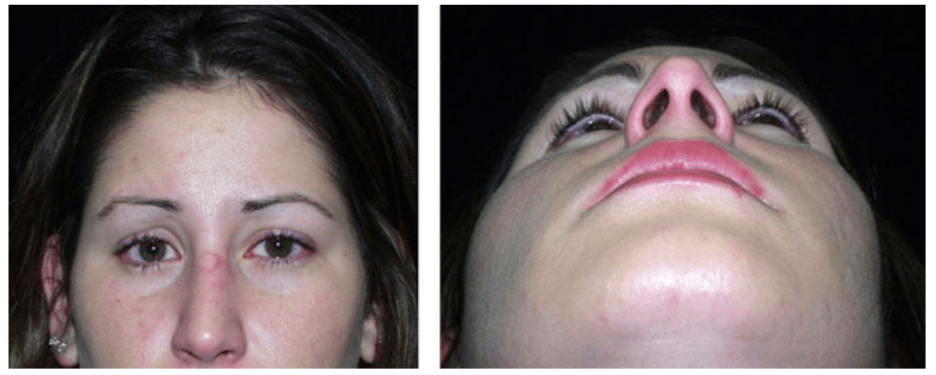
(A) Le Fort II fracture
(B) Le Fort III fracture
(C) Orbital floor blow-out fracture
(D) Orbital roof fracture
(E) Orbitozygomatic complex fracture
200
A 60-year-old man with a history of smoking requires near total mandibular reconstruction with a free vascularized fibula. During dissection of the flap, the surgeon should encounter which of the following muscles prior to incising the interosseous septum from an anterior approach?
A) Extensor hallucis longus
B) Flexor hallucis longus
C) Soleus
D) Tibialis anterior
E) Tibialis posterior
200
Which of the following findings is most likely in patients who undergo superficial parotidectomy for treatment of sialadenitis?
A) Frey syndrome at 3 months postoperatively
B) Hematoma after the first 24 hours postoperatively
C) Permanent postoperative facial nerve dysfunction
D) Salivary fistulae
E) Tinnitus
200
Cancellous bone grafts display which of the following characteristics compared with cortical bone grafts?
A) Improved osteogenic potential
B) Increased density with slower resorption
C) Increased structural support
D) Low concentrations of osteoblasts and osteocytes
E) Poor osteoinductive potential
300
A 55-year-old female executive presents for consultation regarding glabellar rhytides. She has previously been treated with onabotulinumtoxinA with satisfactory results but finds the 3-month duration inconvenient due to her frequent international travel schedule. She is seeking a neuromodulator that offers the longest possible duration of effect to minimize treatment frequency. Which of the following neurotoxins is most appropriate for this patient based on current clinical evidence?
a) AbobotulinumtoxinA (Dysport)
b) IncobotulinumtoxinA (Xeomin)
c) DaxibotulinumtoxinA (Daxxify)
d) PrabotulinumtoxinA (Jeuveau)
e) OnabotulinumtoxinA (Botox)
300
In women undergoing prosthetic breast reconstruction complicated by an expander/implant infection, which of the following is the most common gram-negative bacteria isolated from cultures?
A) Escherichia coli
B) Klebsiella
C) Proteus
D) Pseudomonas
E) Serratia
300
A 14-year-old boy presents with progressive anterior protrusion of his sternum that has become more noticeable over the past two years. He reports occasional shortness of breath during soccer practice and discomfort in his chest. Physical examination confirms a symmetric protrusion deformity of the sternum and costal cartilages without associated scoliosis. The patient and his family are motivated to pursue treatment. Which of the following is the most appropriate initial management for this patient?
a) Vacuum bell device applied daily to the chest wall
b) Ravitch procedure with costal cartilage resection and sternal osteotomy
c) Custom-fitted external compressive orthotic bracing
d) Reverse Nuss procedure (Abramson technique) with substernal bar placement
e) Observation until skeletal maturity is reached
300
A 30-year-old man who works as a carpenter comes for evaluation because of a full-length longitudinal ridge over the nail of his left index finger. He recalls hitting it with a hammer 6 months ago and saw “blue under the nail” at that time. He has not sought medical attention until now. An x-ray study shows no abnormalities. Which of the following is the most appropriate management?
A) Observation
B) Excision of scar and ablation of the nail matrix
C) Excision of scar and primary repair of the nail matrix
D) Excision of scar and wrapped second toe procedure
E) Trephination of the nail plate
300
Which of the following patients is eligible to be an organ donor?
A) 30-year-old HIV-positive patient
B) 10-year-old whose family does not want to donate
C) 42-year-old with a diagnosis of Creutzfeldt-Jakob disease
D) 49-year-old with a recent diagnosis of stage IV melanoma
300
A 27-year-old man is evaluated in the intensive care unit for polytrauma 12 hours after sustaining burns on 10% of the total body surface area over the bilateral lower extremities during an industrial accident. The patient is sedated, intubated, and is being resuscitated appropriately. Examination shows the wounds are waxy and thick, but not circumferential. He has a nondisplaced fracture of the left tibia; physical examination of the left lower extremity shows that the toes are cool and cyanotic, which is markedly different from the right foot. Left lower extremity pulses are intact, but the left calf is much larger and firmer. Which of the following is the most appropriate next step in management of the left lower extremity?
A) Ankle brachial index
B) CT angiography
C) Elevation
D) Escharatomy
E) Fasciotomy
300
Which of the following treatments for inferior turbinate hypertrophy is most likely to preserve mucosal function while maximizing symptom relief?
A) Electrocautery
B) Laser cautery
C) Partial turbinectomy
D) Submucous resection
E) Turbinate out fracture
300
A 24-year-old man comes to the emergency department because of a dorsal hand injury. Physical examination shows a 6 × 4-cm full-thickness defect with exposed metacarpal bones. A medial sural artery perforator flap for soft-tissue coverage is planned. From which of the following vessels does the vascular pedicle for this flap originate?
A) Anterior tibial
B) Descending genicular
C) Peroneal
D) Popliteal
E) Posterior tibial
300
Male pattern baldness is characterized by which of the following growth phase disturbances?
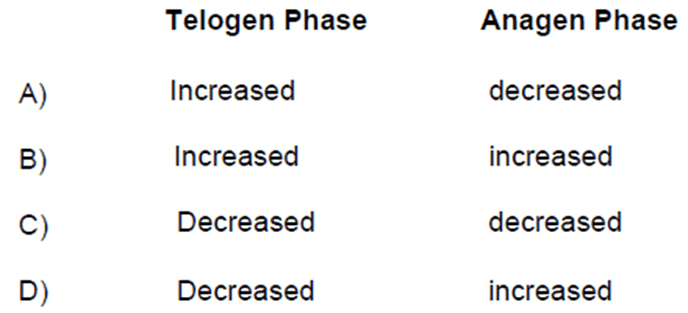
300
Hyperbaric oxygen therapy (HBOT) is most appropriate for a patient with which of the following conditions?
A) Acute osteomyelitis of the tibia
B) Anaerobic necrotizing soft-tissue infection
C) Chemical burn because of lye exposure
D) Stevens-Johnson syndrome
E) Wagner grade 2 diabetic foot ulcer
400
Which of the following is the optimal amount of incisor show at rest?
(A) 0 to 1 mm
(B) 2 to 3 mm
(C) 4 to 5 mm
(D) 6 to 7 mm
400
A 39-year-old woman is referred for consultation regarding reconstruction of the left breast two years after mastectomy for breast cancer. Implantation of a silicone prosthesis and reconstruction with a pedicled latissimus dorsi musculocutaneous flap are planned. This patient will most likely show deficits in which of the following shoulder functions?
(A) Extension and abduction
(B) Extension and adduction
(C) Flexion and abduction
(D) Flexion and adduction
(E) No deficits
400
Premature fusion of which of the following sutures is most often associated with abnormalities in the corpus callosum?
(A) Coronal
(B) Lambdoid
(C) Metopic
(D) Squamosal
(E) Sagittal
400
A 27-year-old man sustains a hyperextension injury to his right index finger while playing basketball. On examination, the digit is locked in extension, and a distinct dimple is noted in the palmar skin overlying the metacarpophalangeal (MCP) joint. Radiographs reveal a widened joint space and dorsal displacement of the proximal phalanx relative to the metacarpal head. Multiple closed reduction attempts are unsuccessful.
Which of the following best explains the anatomic mechanism of irreducibility in this injury?
a) Interposition of the lateral bands over the metacarpal head
b) Entrapment of the volar plate, natatory ligament, and lumbrical muscle around the metacarpal head
c) Dorsal displacement of the sesamoids blocking reduction
d) Adherence of the collateral ligaments to the joint capsule
e) Rotation of the proximal phalanx due to collateral ligament rupture
400
A 25-year-old man presents to the clinic because of a 5-year history of excessive bilateral sweating in the axillae. He states that he uses antiperspirant daily, but despite this, he sweats through his shirts multiple times per day. He finds it embarrassing and distracting at his work. Injection of botulinum toxin type A into each axilla is planned. Which of the following is the most appropriate dosage (per side) of the toxin for this therapy?
A) 15 units
B) 25 units
C) 50 units
D) 100 units
E) 150 units
400
A 35-year-old man presents for evaluation of a laceration to the lateral aspect of the right lower leg 5 cm distal to the knee that he sustained when he fell from a bicycle 2 months ago. Findings on electromyography and nerve conduction studies are consistent with an isolated complete injury of the common peroneal nerve. Which of the following deficits is most likely on physical examination?
a. Dorsiflexion of ankle
b. Plantarflexion of great toe
c. Sensation of lateral foot
d. Sensation of medial foot
e.Sensation of plantar foot
400
A 30-year-old woman has painful clicking of the jaw six months after sustaining blunt trauma to the face in a motor vehicle collision. Radiographs taken at the time of injury showed no evidence of fracture. Which of the following is the most appropriate diagnostic study in the evaluation of this patient?
(A) Arthroscopy
(B) CT scan
(C) Digital subtraction angiography
(D) MRI
(E) Tomography
400
Which of the following interventions is most appropriate to improve the viability of an ischemic skin flap?
(A) Apply medicinal leeches to the flap
(B) Apply nitroglycerin paste to the flap
(C) Elevate the affected area
(D) Ensure adequate fluid resuscitation
(E) Perform hyperbaric oxygen therapy
400
Which one of the following statements is correct regarding the blood supply to the scalp?
A) The anterior scalp is supplied by the supraorbital and supratrochlear vessels from the external carotid artery.
B) The supratrochlear vessels are lateral to the supraorbital vessels.
C) The posterior territory is the largest area and is supplied by the occipital vessels.
D) The lesser occipital artery supplies the posterolateral scalp.
E) The lateral territory is supplied by the superficial temporal artery, which arises from the external carotid artery.
400
An Er:YAG laser targets which of the following chromophores?
(A) Blue dye
(B) Collagen
(C) Hemoglobin
(D) Melanin
(E) Water
500
Three weeks after undergoing rhytidectomy and a 2.5-cm cephalad advancement of the malar fat pads for aesthetic improvement of the fat pads and a deep nasolabial fold, a 50-year-old woman has resorption of the soft tissues beneath the malar prominences and a further accentuation of the nasolabial fold.
The most likely cause is disruption of which of the following vessels?
(A) Angular artery branches
(B) Internal maxillary artery
(C) Subdermal plexus
(D) Superior temporal artery
(E) Transverse facial artery branches
500
A healthy 14-year-old girl presents to the office for evaluation of her breasts. Physical examination shows a superiorly positioned nipple-areola complex with absent breast tissue on the right side and otherwise normal breast development on the left. She wears a B-cup brassiere but uses a brassiere insert on the right. Her mother states that this asymmetry causes the patient significant emotional distress, and they would like to discuss surgical options. Which of the following mammaplasty techniques is most appropriate to address this patient’s right breast findings?
A) Deep inferior epigastric perforator flap
B) Latissimus dorsi myocutaneous flap
C) Saline implant augmentation
D) Structural fat grafting
E) Tissue expander placement
500
Which of the following is the best dental reference to use for determining the timing for secondary alveolar bone grafting in a patient with a unilateral complete cleft lip/palate?
A) Complete eruption of the central incisor next to the cleft
B) Complete eruption of the permanent canine into the cleft
C) Crowning of the permanent canine
D) Loss of the primary canine adjacent to the cleft
E) Loss of the primary ipsilateral central incisor
500
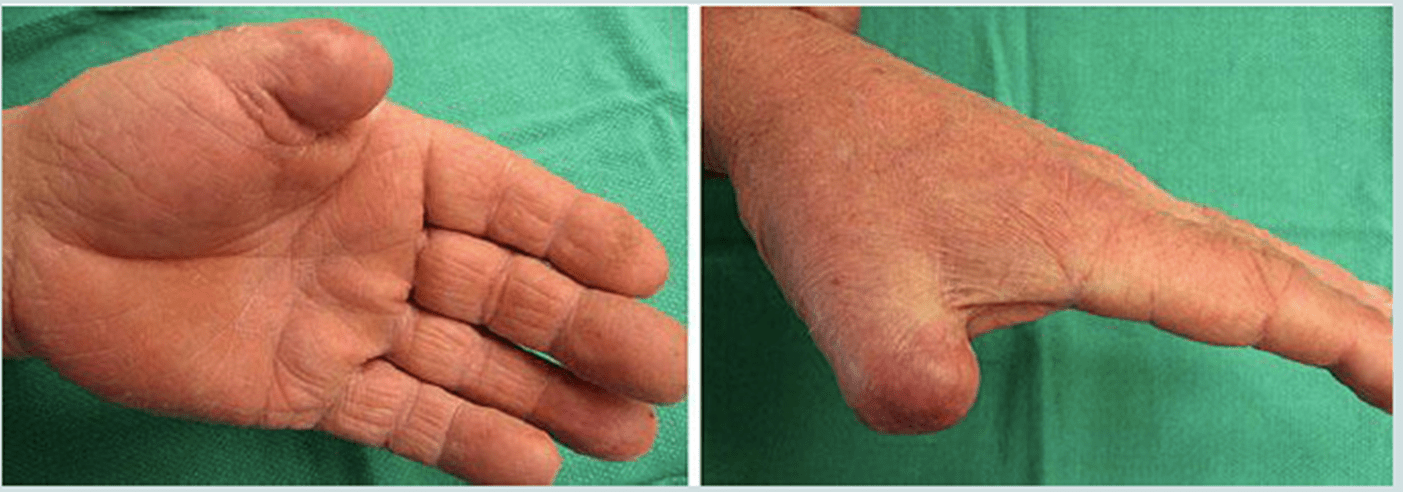
A 65-year-old man comes to the office because of difficulty grasping items with the left hand. He sustained a sharp amputation of the thumb in the distal third of the proximal phalanx 9 months ago. Palmar and radial abduction of the residual thumb is symmetric to the uninjured thumb. Photographs are shown. Which of the following procedures is most likely to improve hand function in this patient?
A) Four-flap Z-plasty of the first web space
B) Groin flap
C) Heterodigital island flap augmentation of the thumb
D) Pollicization of the index finger
E) Resection of the first dorsal interosseous muscle
500
An otherwise healthy 45-year-old woman presents for abdominoplasty. Administration of liposomal bupivacaine for postoperative pain control is planned. Which of the following is the maximum dose of liposomal bupivacaine that can be administered in a single dose in this patient?
A) 50 mg
B) 133 mg
C) 200 mg
D) 266 mg
E) 399 mg
500
A 50-year-old female has been diagnosed with osteomyelitis of her left tibia. The infection is isolated to the medullary canal of the bone, and her past medical history is significant for heavy smoking and chronic venous stasis. Based on the clinical staging of osteomyelitis, what would be her Cierney-Mader classification?
a. Stage 1
b. Stage 2
c. Stage 3
d. Stage 4
500
A 30-year-old man sustains significant mid face injuries following a motor vehicle collision, and has a large laceration in the vicinity of the medial canthal region. Canalicular injury is confirmed intra-operatively. Which of the following is the most appropriate method for repairing this patient’s canalicular injury?
a. Delayed dacryocystorhinostomy
b. Direct microsurgical suture repair
c. Healing by secondary intention
d. Immediate dacryocystorhinostomy
e. Placement of silicone canalicular stents
500
A 42-year-old woman is scheduled to undergo penile reconstruction with a fibula flap as part of gender reassignment. She has been evaluated by all appropriate specialists in the context of a multidisciplinary transgender clinic. Which of the following is the most significant advantage of the fibula flap over the forearm flap in this patient?
A) Ability to create an innervated skin island
B) Avoidance of prosthesis to provide sexual function
C) Decreased incidence of urethral stricture
D) Improved sensory recovery
E) More reliable and constant anatomy
500
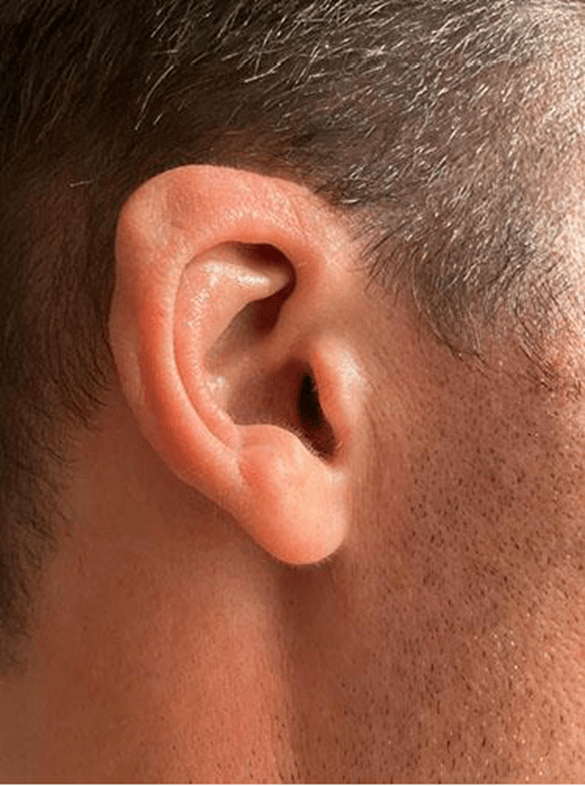
A 38-year-old man has the ear deformity shown in the photograph. He would like to know if there is a name for the appearance of his ear. On the basis of the image, which of the following is the most likely diagnosis?
A) Constricted ear
B) Cryptotia
C) Microtia
D) Prominent ear
E) Stahl ear
500
A 51-year-old patient presents for male-to-female gender confirmation surgery. World Professional Association for Transgender Health (WPATH) guidelines have been met, and the patient is deemed a good candidate for penile inversion vaginoplasty. Which of the following is the most likely long-term complication of this procedure?
A) Neovaginal stenosis
B) Partial prolapse
C) Rectovaginal fistula
D) Urethrovaginal fistula
E) Urologic dysfunction
600
A 48-year-old woman presents for consultation 18 months after a Roux-en-Y gastric bypass procedure. She has lost 110 lbs (50 kg) and now desires body contouring surgery. During the preoperative psychological evaluation, which of the following psychiatric disorders is most likely to be present at a higher rate in this patient compared to the general population control groups, according to recent studies of post-bariatric patients seeking body contouring?
a) Narcissistic personality disorder
b) Body dysmorphic disorder
c) Bipolar I disorder
d) Post-traumatic stress disorder
e) Current major depressive episode
600
A 43-year-old woman would like to discuss plans for breast reconstruction after her upcoming unilateral mastectomy. Postoperative radiation therapy is planned. Which of the following is the most likely benefit of tissue expander–based breast reconstruction compared with immediate autologous breast reconstruction using this patient’s abdominal tissue?
A) Better symmetry
B) Improved postoperative sensation
C) A larger, more ptotic breast reconstruction
D) Lower risk of complications from radiation
E) Preservation of the patient’s options for final reconstruction.
600
An otherwise healthy 3-day-old term female infant is brought to the clinic for evaluation of a prominent ear deformity. The parents are interested in nonsurgical options, and they would like to pursue ear molding but are concerned about the complications associated with molding devices. The parents should be advised that the most common complication of such devices is which of the following?
A) Chondritis
B) Otitis media
C) Overcorrection
D) Sensorineural hearing loss
E) Skin ulceration
600
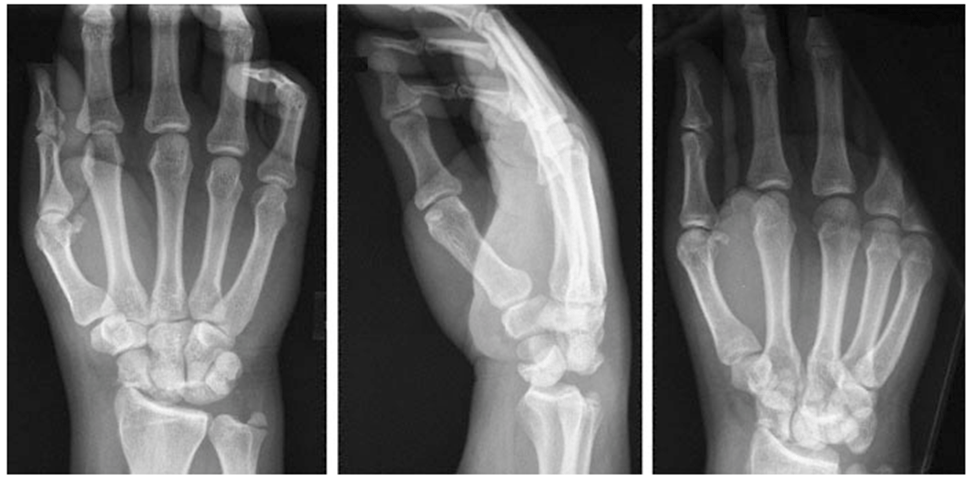
A 28-year-old man who is an amateur motorcycle stunt driver comes to the emergency department because he has progressively worsening pain and numbness in the left hand three hours after injuring the left wrist in a motorcycle misadventure. Radiographs of the wrist are shown. He has previously fractured both scaphoids in similar accidents. The scaphoid fractures are not united. An operating room is not available for at least six hours. Which of the following is the most appropriate next step in management?
(A) Closed reduction
(B) Contrast arthrogram
(C) Contrast MRI
(D) Injection of corticosteroid into the left wrist
(E) Plaster splinting
600
A 48-year-old right-hand–dominant man is referred for treatment of a biopsy-proven subungual malignant melanoma in situ of the right thumb. Which of the following is the most appropriate treatment?
A) Amputation to the interphalangeal joint with no reconstruction
B) Amputation to the metacarpophalangeal joint with toe-to-thumb transfer
C) Chemotherapy
D) Radiation therapy
E) Wide local excision with split-thickness skin grafting
600
A 19-year-old man is brought to the emergency department because of an injury to the right heel sustained during a lawn mower accident. After serial debridement is performed, there is a 2 x 2-cm soft tissue defect with exposed calcaneus. Which of the following innervated flaps is most appropriate for coverage of this defect?
A) Anterior lateral thigh flap with the anterior femoral cutaneous nerve.
B) Medial plantar artery flap with a division of the tibial nerve.
C) Radial forearm flap with the superficial branch of the radial nerve.
D) Reverse sural artery flap with the saphenous nerve.
E) Ulnar forearm flap with the deep branch of ulnar nerve.
600
A 22-year-old man comes to the office because of a history of nasal trauma with resultant nasal deformity, C-shaped septal fracture, and nasal obstruction. Two weeks after injury, he undergoes closed reduction of the nasal fractures, but significant nasal obstruction persists. Which of the following is the most likely reason for his residual nasal deformity and nasal obstruction?
A) Inadequate time of nasal casting
B) Nonunion of the nasal bones
C) Presence of a septal fracture
D) Turbinate hypertrophy
E) Unidentified septal hematoma
600
A 58-year-old man requires free tissue transfer for soft-tissue reconstruction of a head and neck defect. Which of the following surgical interventions is most likely to improve flap survival?
a. End-to-end anastomosis
b. Multiple perforators
c. Muscle flap only
d. Supercharging
e. Venous coupler
600
Which of the following is the most likely characteristic of a victim of a dog bite injury?
A) Female
B) Young adult
C) Injury to the ear
D) At home when injured
E) Bitten by own dog
600
A 59-year-old right-hand–dominant woman with type 2 diabetes and coronary artery disease undergoes a radial forearm adipofascial perforator flap for palmar contracture release and resurfacing to treat a severely contracted burn scar. Which of the following characteristics is a benefit of this flap choice?
A) It can be designed as a myofascial flap
B) It has a distal pivot point at the radial styloid
C) It has robust, 1.5- to 2-mm perforators
D) It is a reliably thin, pliable flap
E) It is a sensate flap
700
A 55-year-old woman undergoes a rhytidectomy. Several months after the procedure, she reports experiencing flushing and sweating over her preauricular region while eating. Physical examination confirms localized hyperhidrosis and erythema in the affected area when she chews food. Which of the following best explains the underlying mechanism of her condition?
A. Aberrant regeneration of parasympathetic neurons to sweat glands
B. Injury to the facial nerve (cranial nerve VII)
C. Injury to the great auricular nerve
D. Dysfunction of the masseteric nerve
E. Disruption of the buccal branch of the trigeminal nerve
700
A 43-year-old woman comes to the office for consultation for reduction mammaplasty. She wears a DDD brassiere and wants her brassiere size to be decreased to a C cup. Current medications include oral contraceptive pills. She does not smoke cigarettes. Height is 5 ft 5 in (167 cm) and weight is 145 lb (65.7 kg). BMI is 23.8 kg/m2. Physical examination shows the suprasternal notch to nipple distance is 29 cm and inframammary fold to nipple distance is 16 cm. Regardless of technique, which of the following factors is most likely to result in an increased risk for postoperative fat necrosis in this patient?
A) Massive weight loss
B) Oral contraceptive use
C) Patient age
D) Suprasternal notch to nipple distance
E) Tissue resection weight
700
A 10-year-old boy is scheduled to undergo Le Fort III osteotomy with distraction osteogenesis for advancement of the midface. Which of the following is an advantage of using a rigid external distraction device rather than an internal distraction device in this patient?
(A) Decreased operative morbidity
(B) Decreased risk for relapse following midface advancement
(C) Greater degree of advancement
(D) More rapid rates of distraction
(E) Need for fewer subsequent operative procedures
700
A 25-year-old man comes to the emergency department six hours after sustaining an acute dorsal dislocation of the proximal interphalangeal joint of the ring finger of the dominant right hand. Following reduction, the joint is stable when flexed approximately 30 degrees but is unstable in full extension. Postreduction lateral radiographs show that approximately 20% of the volar articular surface is avulsed from the base of the middle phalanx. Which of the following is the most appropriate initial management?
A) Extension-block splinting
B) Hemi-hamate arthroplasty
C) Repair of the torn collateral ligaments
D) Screw fixation of the fracture fragment
E) Volar plate arthroplasty
700
Which finding is a contraindication for compression therapy of venous leg ulcers:
A) active infection in the ulcer
B) ankle-brachial index <0.7
C) ankle-brachial index >1.1
D) immunosuppressive therapy for autoimmune disease
E) excessive drainage from the ulcer
700
A 50-year-old woman with systemic lupus erythematosus is evaluated because of a nonhealing ulcer of the right lower extremity. It started as a small pustule 3 months ago and steadily worsened to an ulcerative lesion. Examination of a biopsy specimen ruled out malignancy. Cultures have been negative for more than 4 weeks. Debridement of the wound and skin grafting are attempted but result in loss of the graft and development of similar ulcerative areas at the donor site. Which of the following is the most appropriate next step in management?
A) Bilayer skin substitute
B) Fasciocutaneous flap
C) Hyperbaric oxygen therapy
D) Long-term antibiotic therapy
E) Systemic corticosteroid therapy
700
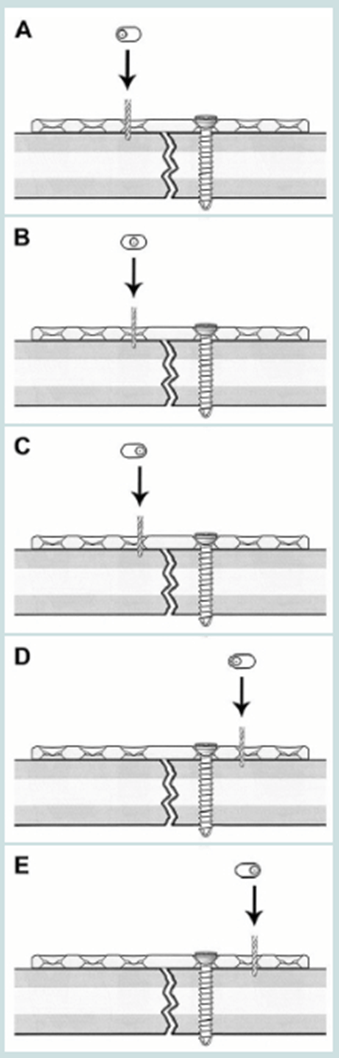
A 32-year-old man undergoes open reduction and internal fixation of a fracture in the left body of the mandible. A six-hole dynamic compression plate is chosen for the inferior mandibular border. The first screw is placed bicortically through a plate hole immediately adjacent to the line of fracture. To obtain maximum compression at the fracture line using the spherical gliding principle, the most appropriate next step is to drill for a second screw at which of the following locations (A–E)?
700
A 62-year-old woman undergoes autologous breast reconstruction with a deep inferior epigastric perforator (DIEP) flap. On postoperative day 1, the flap shows signs of venous congestion with rapid capillary refill, darkening color, and increased turgor. She is taken emergently back to the operating room for exploration. Thrombus is identified at the venous anastomosis, which is revised. Despite re-establishing venous outflow, the flap remains congested with no improvement in capillary refill or color after 30 minutes. Which of the following pharmacologic agents is most appropriate to administer at this time to improve flap salvage?
a) Intravenous heparin
b) Topical papaverine
c) Intra-arterial alteplase
d) Oral apixaban
e) Subcutaneous argatroban
700
A 10-year-old girl is brought to the office by her parents for consultation regarding congenital unilateral facial paralysis. She has had no previous treatment of this condition. Physical examination shows no muscle activity on the affected side. Which of the following is the most appropriate first step in management to restore voluntary animation to the paralyzed side of the face?
(A) Cross-facial nerve grafting
(B) Gracilis neurovascular free tissue transfer
(C) Masseter muscle transfer
(D) Temporalis muscle transposition
(E) Tensor fascia lata suspension
700
A 25-year-old man presents for consultation for surgical resection of a large abdominal pannus. The
patient’s mother has a history of malignant hyperthermia. Which of the following best describes the
inheritance pattern of this condition?
A) Autosomal dominant
B) Autosomal recessive
C) Mitochondrial
D) X-linked dominant
E) X-linked recessive
800
A 42-year-old patient presents for a breast lift. Physical examination reveals moderate skin laxity and a nipple position that lies 3.5 cm below the inframammary fold when the breast is maximally stretched. There is significant excess lower pole skin, and the nipple-areola complex requires superior repositioning to achieve an aesthetic contour. Which mastopexy pattern is specifically indicated for this patient?
a) Crescent mastopexy
b) Circumareolar (Benelli) mastopexy
c) Circumvertical mastopexy
d) Inverted-T (Wise-pattern) mastopexy
e) Vertical mastopexy (without periareolar incision)
800
Gynecomastia is an adverse effect of administration of each of the following agents EXCEPT
(A) cimetidine (Tagamet)
(B) digitalis (Digoxin)
(C) minocycline (Minocin)
(D) spironolactone (Aldactone)
(E) zolpidem (Ambien)
800
Patients with paralysis of the trigeminal nerve have loss of function of which of the following muscles?
(A) Levator veli palatini
(B) Palatopharyngeus
(C) Stylohyoid
(D) Stylopharyngeus
(E) Tensor veli palatini
800
A 29-year-old man is evaluated 15 months after a motorcycle collision in which he sustained a left humerus fracture and a complete left brachial plexus avulsion. He has not recovered any motor or sensory function of the left arm but desires the ability to actively flex the elbow.
Which of the following procedures is most likely to restore active elbow flexion in this patient?
A) Free functioning gracilis muscle transfer
B) Pedicled bipolar latissimus dorsi muscle transfer
C) Proximal transfer of the flexor-pronator mass onto the humerus
D) Triceps-to-biceps transfer
E) Ulnar nerve to musculocutaneous nerve transfer
800
A 46-year-old woman undergoes a fleur-de-lis abdominoplasty following successful gastric bypass surgery. She has a 94-lb (43-kg) weight loss and current BMI is 28 kg/m2. To ensure the best outcome for wound healing, which of the following is the recommended postoperative daily intake of protein for this patient?
A) 20 to 30 g/day
B) 40 to 50 g/day
C) 60 to 70 g/day
D) 80 to 90 g/day
E) More than 100 g/day
800
A 28-year-old man has a markedly diminished dorsalis pedis pulse on the right after being stabbed with an ice pick in the right lower leg. In this patient, the most likely finding on physical examination is numbness at which of the following sites?
A) Dorsal foot
B) First web space
C) Lateral foot
D) Medial foot
E) Plantar foot
800
During a Le Fort I osteotomy, the descending palatine artery is disrupted and ligated. The blood supply to the mobilized maxilla is primarily from which of the following arteries?
A) Ascending pharyngeal
B) Greater palatine
C) Internal maxillary
D) Lesser palatine
800
An 18-year-old man is brought to the emergency department for thumb replantation. After an uneventful microsurgical anastomosis of the digital arteries and veins, papaverine is applied to the vessels. This medication works as a vasodilator through which of the following mechanisms?
A) Blocking calcium channels
B) Decreasing platelet aggregation
C) Inactivating thrombin and factor Xa
D) Inhibiting glycoprotein IIb/IIIa
E) Inhibiting phosphodiesterase
800
Which of the following is the most common site of squamous cell carcinoma affecting the paranasal regions?
(A) Anterior ethmoidal sinus
(B) Frontal sinus
(C) Maxillary sinus
(D) Posterior ethmoidal sinus
(E) Sphenoid sinus
800
Which of the following muscles comprise the boundaries of the triangular space in which the circumflex scapular artery is located?
(A) Infraspinatus, latissimus, and teres minor
(B) Latissimus, long head of the triceps, and teres major
(C) Latissimus, teres minor, and teres major
(D) Long head of the triceps, supraspinatus, and teres major
(E) Long head of the triceps, teres major, and teres minor
900
A 32-year-old Korean man comes to the office for evaluation of a wide nose with decreased projection. He desires rhinoplasty for an improved aesthetic appearance. Compared with Caucasian nasal anatomy, which of the following is most likely in this patient?
A) Height of the lower lateral cartilage is shorter
B) Height of the upper lateral cartilage is longer
C) Length of the septal cartilage is longer
D) Length of the upper lateral cartilage is shorter
E) Overlapping length of the upper lateral cartilage and the nasal bone is shorter
900
An otherwise healthy 54-year-old perimenopausal woman is scheduled for a mastectomy for biopsy-proven right-sided grade 2 ductal carcinoma. According to the National Comprehensive Cancer Network (NCCN) guidelines, postmastectomy radiation therapy will be the standard of care for this patient if she has which of the following surgical outcomes?
A) 1-cm surgical margins, four positive axillary lymph nodes
B) 1-cm surgical margins, one positive axillary sentinel node
C) 1-mm surgical margins, no positive axillary nodes
D) 5-mm surgical margins, no positive axillary nodes
E) 5-mm surgical margins, three positive axillary nodes
900
A female infant is born with severe Treacher Collins syndrome and bilateral Pruzansky III mandible (absence of condyle). Tracheostomy is performed for respiratory distress. Which of the following surgeries is most likely to allow decannulation?
A) Alloplastic condylar reconstruction
B) Bilateral sagittal split osteotomy
C) Costochondral rib grafts
D) Mandibular distraction
E) Tongue-lip adhesion
900
A 25-year-old man is evaluated because of a deep 6-cm, palpable mass to the mid-volar forearm. MRI is performed, but the diagnosis remains inconclusive. An initial diagnostic biopsy is planned. Which of the following is most appropriate during this procedure?
A) Avoidance of cautery
B) Leaving the biopsy site open with compressive dressings
C) Performance of an excisional biopsy
D) Placement of a skin crease transverse incision
E) Use of a tourniquet without Esmarch bandage
900
A 65-year-old attorney has severe ischemia of the right leg. On examination, the leg is gangrenous and ulcerated; he has pain with motion and at rest. Noninvasive vascular studies show an ankle-brachial index of 0.16. He refuses to undergo amputation.
Which of the following is the most appropriate technique for limb salvage?
(A) Distal arterial bypass
(B) Distal venous arterialization bypass
(C) Endovascular stent placement
(D) Free muscle transfer
(E) Lumbar sympathectomy
900
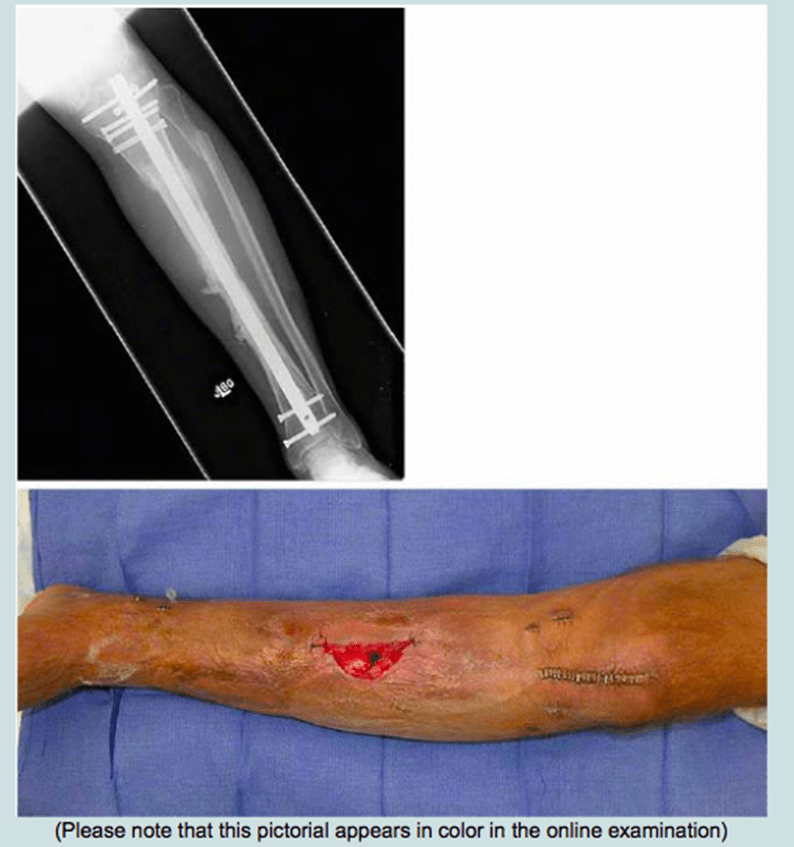
A 20-year-old man has purulent breakdown 5 months after sustaining a Gustilo type IIIB open fracture treated with intramedullary rod placement and skin grafting over a medial gastrocnemius flap. A postoperative x-ray study and current photograph are shown. The intramedullary rod is removed and an external fixator is placed. There is 1.5 cm of bone without periosteum surrounding the fracture exposed in the wound. Which of the following is the most appropriate next step in wound reconstruction?
A) Full-thickness skin grafting with a bolster dressing
B) Reconstruction with an anterior tibial artery perforator flap
C) Reconstruction with a lateral gastrocnemius muscle flap and skin grafting
D) Reconstruction with a pedicled descending medial genicular artery flap
E) Split-thickness skin grafting with negative pressure wound therapy
900
A 22-year-old man is evaluated because of a painless, firm, unilateral enlarging mass of the body of the mandible. He denies trauma to the area and he has excellent oral hygiene. His dentist performed fine needle biopsy that showed multinucleated giant cells. CT scan shows a radiolucent bone lesion with an expanded cortex. Which of the following is the most appropriate next step in management?
a. Incisional biopsy
b. Partial mandibulectomy with free margins
c. Radiation therapy
d. Resection and curettage
e. Sclerotherapy
900
To reconstruct a traumatic soft-tissue defect of the hand, a lateral arm fasciocutaneous flap is chosen for free tissue transfer. The vascular pedicle for this flap is located between which of the following structures?
A) Brachioradialis and brachialis
B) Lateral head of the triceps and biceps
C) Lateral head of the triceps and the brachialis
D) Lateral head of the triceps and the extensor carpi radialis longus
E) Lateral head of the triceps and the humerus
900
A 16-year-old boy comes to the office because of a progressive 6-month history of unilateral nasal obstruction and frequent epistaxis. Anterior rhinoscopy shows a soft, smooth, purplish lobulated mass filling the left nasal cavity. An attempted office biopsy results in profuse bleeding. Which of the following is the most likely diagnosis?
A) Dermoid cyst
B) Encephalocele
C) Hemangioma
D) Inverted papilloma
E) Nasopharyngeal angiofibroma
900
Administration of anti-inflammatory agents to patients who have sustained frostbite is most likely to result in which of the following beneficial effects?
(A) Decreased production of prostaglandin I2
(B) Decreased production of thromboxane B2
(C) Increased production of prostaglandin F2a
(D) Increased production of prostaglandin I2
1000
A 25-year-old woman comes to the office because of a 1-week history of erythema and clear drainage from the right breast 6 weeks after undergoing bilateral augmentation mammaplasty. She is afebrile and her vital signs are within normal limits. The drainage from the breast is sent for cultures. Broad-spectrum antibiotics are administered, but no improvement is noted over the next 48 hours. Surgical debridement and explantation of the prostheses are performed. After 7 days, cultures grow Mycobacterium fortuitum. Which of the following is the most appropriate next step?
A) Administration of ciprofloxacin and trimethoprim-sulfamethoxazole for 6 weeks
B) Administration of ciprofloxacin and trimethoprim-sulfamethoxazole for 6 months
C) Administration of isoniazid, rifampicin, and pyrazinamide for 6 weeks
D) Administration of isoniazid, rifampicin, and pyrazinamide for 6 months
E) No antibiotic therapy is needed because the infected prostheses have been removed
1000
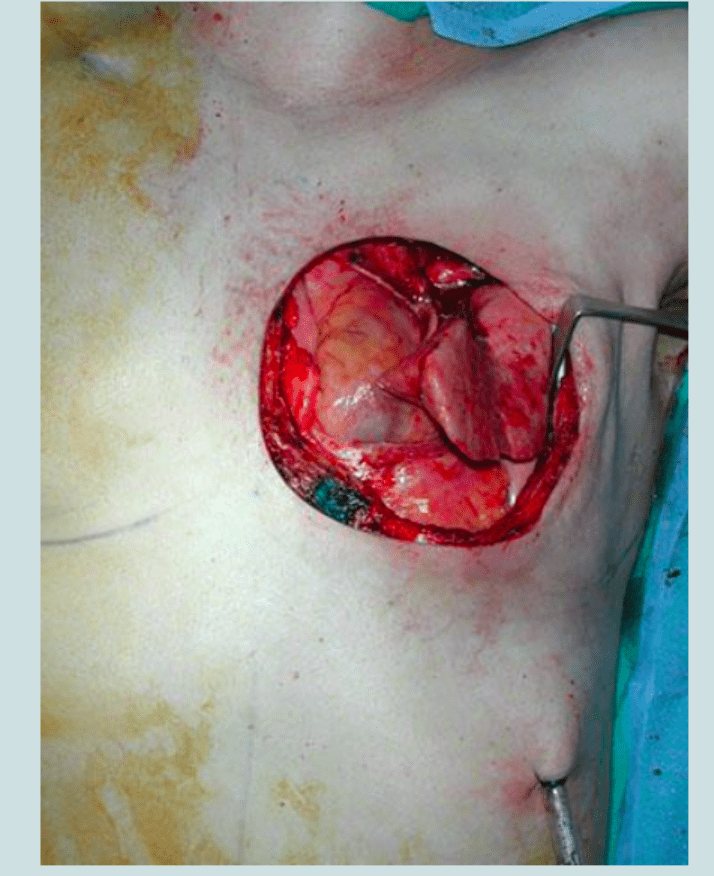
A 48-year-old woman undergoes radical resection of the left breast, left hemisternectomy, four-rib resection, and visceral pleurectomy because of invasive inflammatory breast cancer extending through the thoracic wall into the mediastinum and chest. Examination of specimens obtained from intraoperative frozen section biopsies shows no residual disease. Postoperative adjuvant chemotherapy and radiation therapy to the area are planned. An intraoperative photograph of the 17 × 17-cm defect is shown. Which of the following is the most appropriate technique for soft-tissue reconstruction?
A) Left latissimus muscle flap with skin graft
B) Omental flap with skin graft
C) Left rectus turnover flap with skin graft
D) Reverse abdominoplasty flap
E) Right TRAM flap
1000
A 14-year-old boy with a history of extensive burns and skin grafting as a child comes to the office because of multiple tight and uncomfortable scars. Examination shows raised, thick, and moderately contracted scars on the scalp, back, abdomen, upper arms, and thighs. Tissue expansion followed by scar excision is planned. Which of the following areas is most likely to have the highest rate of tissue expander failure in this patient?
A ) Abdomen
B ) Back
C ) Scalp
D ) Thigh
E ) Upper arm
1000
A 4-month-old male infant is brought to the office with the multiple extremity findings shown in the photographs. Which of the following additional clinical findings is most commonly seen with this condition?
A) Absence of the sternocostal head of the pectoralis major
B) Bilateral symmetric anomalies
C) Clubfoot
D) Craniosynostosis
E) Hematopoietic changes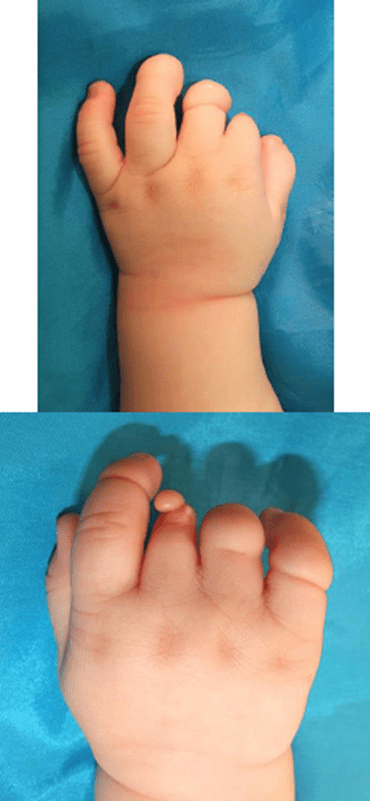
1000
A 33-year-old transfeminine (male-to-female) patient with gender dysphoria presents for consultation regarding bilateral breast enlargement with silicone implants. Which of the following is the most appropriate CPT code for this procedure?
A) 19324-50: mammaplasty, augmentation; without prosthetic implant
B) 19325-50: mammaplasty, augmentation; with prosthetic implant
C) 19342-50: delayed insertion of prosthesis in breast reconstruction
D) 19357-50: immediate insertion of a tissue expander
E) 19366-50: breast reconstruction with other technique
1000
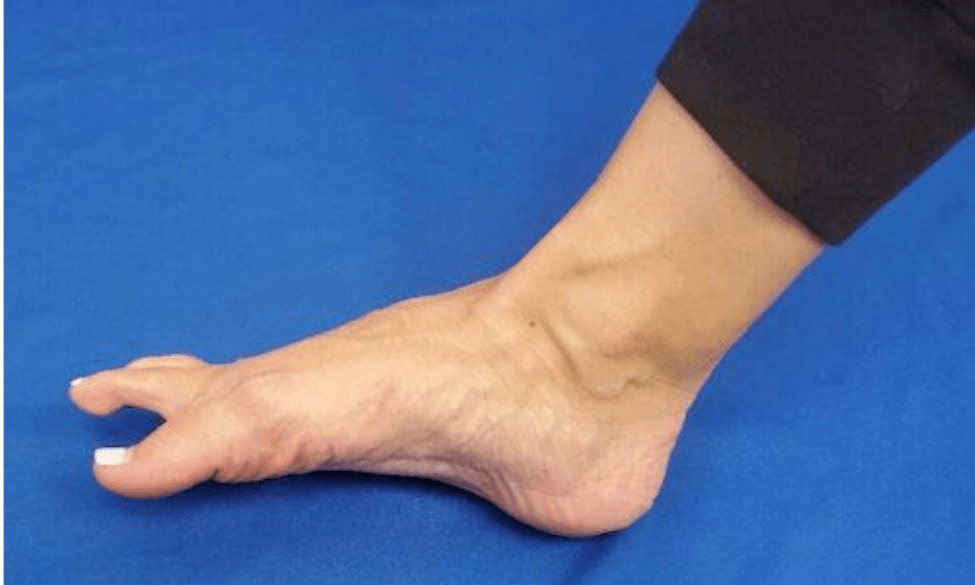
A 45-year-old patient undergoes free fibula osteocutaneous flap harvest for reconstruction after head and neck tumor resection. Over time, the patient develops a claw toe. Which of the following is the most likely cause of this deformity?
A. Injury to the extensor hallucis longus
B. Injury to the peroneus longus
C. Contracture of the flexor hallucis longus muscle
D. Injury to the tibialis posterior
E. Injury to the peroneus brevis
1000
An 18-year-old woman is evaluated for persistent fullness of the left cheek 3 months after undergoing open reduction and internal fixation of a left zygomaticomaxillary complex fracture. She has no pain. The fracture was fixated at the inferior orbital rim (1.3-mm-thick titanium plate), the frontozygomatic suture (1.3-mm-thick titanium plate), and the lateral buttress (2.4-mm-thick titanium plate). On physical examination, the incisions are well healed. Which of the following is the most likely cause of this patient’s cheek fullness?
A) Excessive profile of the lateral buttress and orbital rim plate fixation
B) Malreduction of the fracture
C) Mucocele from the maxillary sinus
D) Residual soft-tissue edema
E) Subclinical hardware infection
1000
A 7-year-old boy with sickle cell disease is brought to the emergency department after sustaining a Gustilo Type IIIB fracture of the lower extremity during an all-terrain vehicle collision. Soft-tissue coverage of exposed hardware and bone is planned. Which of the following factors is most likely to adversely affect perfusion to microsurgical reconstruction in this patient?
A ) High sympathetic tone
B ) Prostacyclines
C ) Sludging
D ) Young age of patient
1000
A 42-year-old woman suffers a dog bite injury to her lower lip. Following adequate debridement, the patient is left with a full-thickness, total lower lip defect, up to the lateral commissure bilaterally. The surrounding tissue is uninjured. Which of the following is the most appropriate method of reconstruction?
A) Abbe (lip switch) flap
B) Bernard-Webster (lip-cheek advancement) flap
C) Cervicofacial rotation advancement flap
D) Estlander (lateral lip switch) flap
E) Karapandzic flap
1000
When coding surgery for an orbital fracture, which of the following is considered a separate Current Procedural Terminology (CPT) code?
A ) Elevation of the fracture
B ) Exploration of the infraorbital nerve
C ) Fixation of the malar fracture
D ) Orbital floor exploration
E ) Release of entrapment of orbital contents