🪕American Folksongs🎻
📜Ratification Day🤝
🚨Law Enforcement👮
🍻Prohibition🚫
🐂American Tall Tales🤠
100
What song features a mule named Sal traveling a certain number of miles and needing to duck under low bridges?
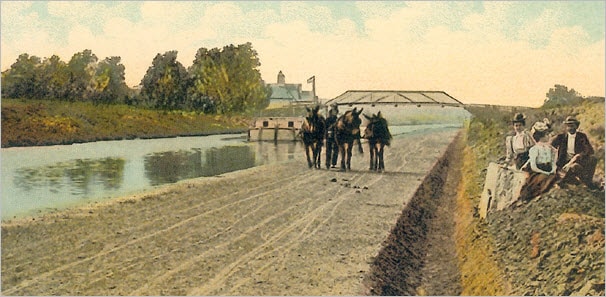
Fifteen Miles on the Erie Canal
The song "Low Bridge, Everybody Down" (or "Fifteen Miles on the Erie Canal") is a nostalgic folk tune by Thomas S. Allen, written around 1905, that memorializes the era of mule-powered barges before the canal's decline and the rise of engine power, despite its catchy chorus about "miles" and a mule named Sal, according to sources like the New York Heritage and the Hudson River Maritime Museum. It celebrates the booming canal era (1825-1880) and its transformation of New York, featuring iconic lyrics like "I've got a mule and her name is Sal" and the famous "Low bridge, everybody down!" warning.
100
How many stars did the American Flag have when the Treaty of Paris was ratified?

Hint: How many original colonies were there?
13!
The Treaty of Paris (1783) officially ended the American Revolutionary War, with Great Britain recognizing the 13 Colonies (now the United States) as a free and independent nation, granting them vast lands east of the Mississippi River, and securing fishing rights, formalizing the new nation's place in world affairs after a lengthy conflict involving France, Spain, and the Netherlands. Key American negotiators included Benjamin Franklin, John Jay, and John Adams.
100
What types of animals are commonly employed by law enforcement?
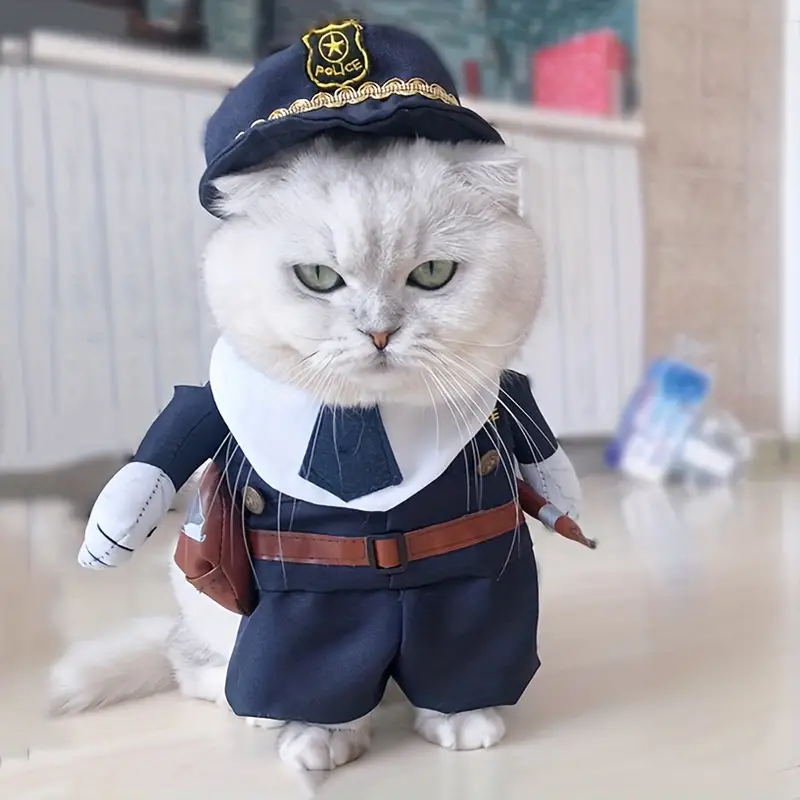
Dogs and horses are the most common animals employed, but the police and military also task dolphins, cats and birds in their work!
With the official title of Military dolphin, these are not your average dolphins. Military dolphins specialise in search and rescue missions to find lost swimmers and detect underwater mines. The U.S. Navy Marine Mammal Programme trains not only dolphins but sea lions too for police and military usage.
100
What was prohibition? What caused it to happen?
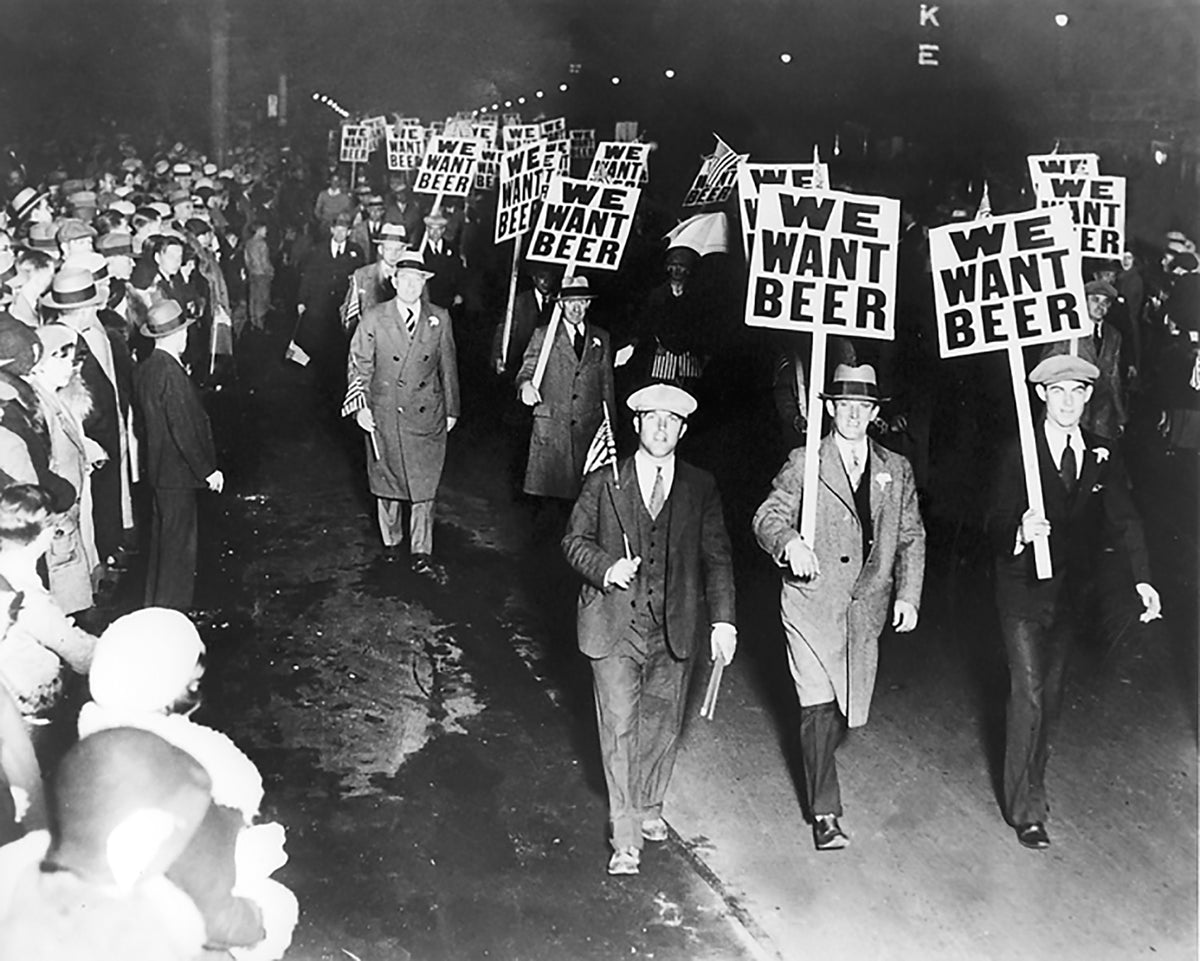
Prohibition was the nationwide ban on alcohol's production, sale, and transportation in the United States from 1920 to 1933. was caused by the Temperance Movement, a coalition of religious groups, women, and social reformers who believed alcohol caused societal ills like poverty, crime, and domestic abuse.
100
Who was known as the "King of the Wild Frontier", a woodsman, scout, great hunter, soldier and politician in Tennessee?
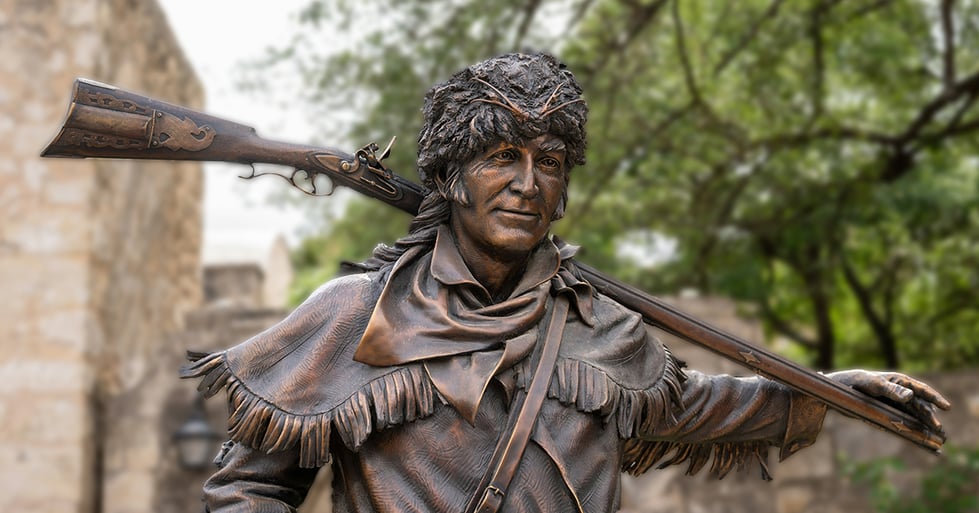
Davy Crockett
Yes, Davy Crockett was a real person—a frontiersman, soldier, and politician—but his life story is a blend of fact and exaggerated folklore, particularly from plays, songs, and TV shows that created the legendary "King of the Wild Frontier" image. The real Crockett was a complex figure, a skilled hunter, storyteller, and U.S. Congressman who opposed President Andrew Jackson but whose larger-than-life image (like wrestling bears) was amplified by popular culture after his death at the Alamo.
200
In the song "I've Been Working On the Railroad", who does the captain shout at to blow the horn?
Dinah
In "I've Been Working on the Railroad," Dinah is a generic name for a woman, often associated with African-American slaves, stemming from an older song where she was "in the house" or in the kitchen, representing a common, everyday person being called out to or joked about in the work song. The "Someone's in the Kitchen with Dinah" part is an older melody merged in, making Dinah a figure of fun in the cheerful work chant. The name itself comes from the abducted woman in the Book of Genesis, becoming a standard term for enslaved women.
200
True or False: The ratification of the Treaty of Paris by the Continental Congress ended the Civil War.
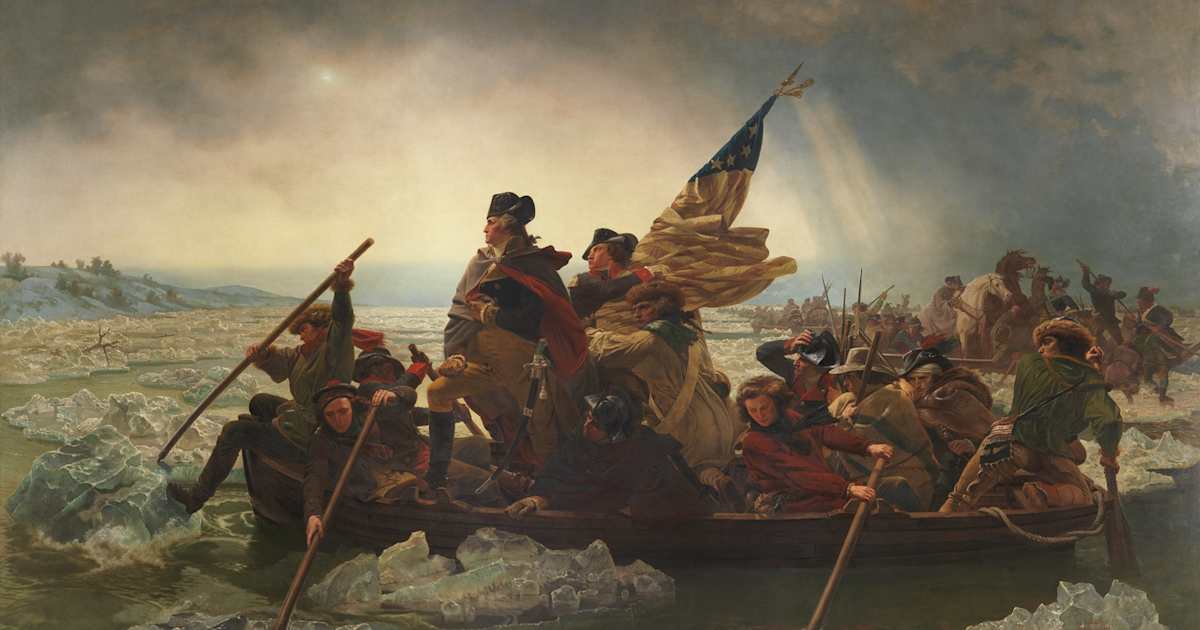
False, it ended the Revolutionary War.
The surrender of Cornwallis and his army in October of 1781 convinced the British government to negotiate an end to the war and recognize America's independence. The Treaty of Paris was signed on September 3, 1783, which marked the end of the Revolutionary War.
200
What country is home to the Royal Mounted Police?
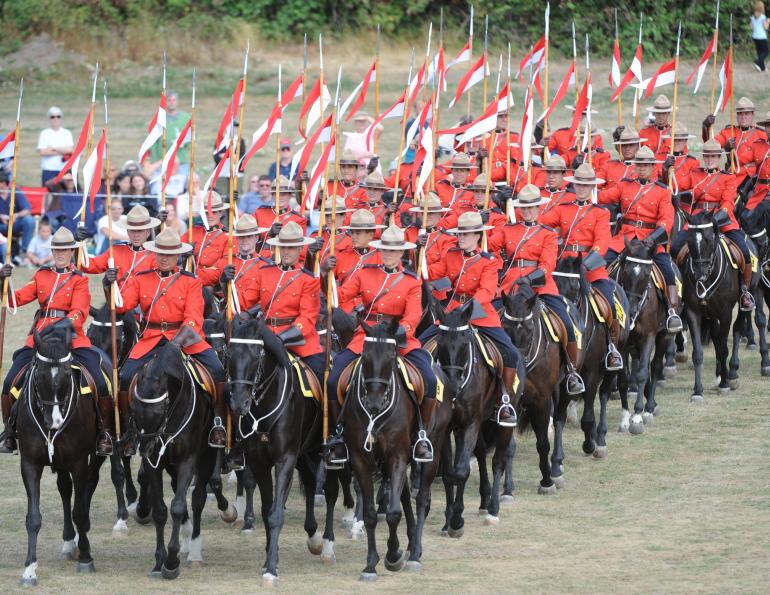
Canada
With the exception of Quebec and Ontario, the Royal Mounted Police serve all of Canada. Despite their nickname, the "Mounties" no longer use horses as their primary form of transportation. Today, Canada's police force mostly uses horses for ceremonial events.
200
True or False: A common belief with Prohibitionists was that alcohol turned your blood to water.

True
Odd beliefs and misinformation were common while Prohibitionists fought to get the law on the books. One belief was that your blood would become water if you drank, a notion popularized by the "Department of Scientific Temperance Instruction." But it's not the only such strange belief. Dry pastor T. P. Hunt warned people off Madeira wine by saying it was "common practice" to make it with a bag of cockroaches. And Prohibition fan George McCandlish said that he'd seen a dead man's brain burst into flame when doctors tested it for alcohol with a lit match.
200
Who was this legendary African-American folk hero, known as a "steel-driving man" with incredible strength who built railroads at great speeds?

John Henry
He symbolized incredible strength, working to build railroads by hammering steel drills into rock, ultimately challenging and beating a steam-powered machine in a race, but dying from the immense strain, making him a powerful symbol of human resilience against industrialization. While a legend, historical research suggests he was a real person, possibly John William Henry, a convict laborer on the Chesapeake & Ohio Railroad in the 1870s, who likely died from overwork in harsh conditions, not a dramatic contest.
300
The country folk song about a train hopping hobo's idea of paradise is called "Big Rock ______ _______".
a. Ice Cream Hill
b. Cookie Butte
c. Chocolate Chasm
d. Candy Mountain
d. Candy Mountain
The "Big Rock Candy Mountain" refers to a fantastical hobo paradise in a famous folk song by Harry "Haywire Mac" McClintock, symbolizing an ideal, easy life with endless treats (lemonade springs, cigarette trees, soft-boiled eggs). Written in 1928, it has been linked to a real, colorful mountain in Utah which named by railroad workers, including McClintock.
300
What does ratification mean?
a. Resistance or dissent, expressed in action or argument.
b. A minor change or addition designed to improve a text, piece of legislation, etc.
c. The action of signing or giving formal consent to an agreement.
d. The turning of a mere man into a large rat.
c. The action of signing or giving formal consent to an agreement.
The Continental Congress was a large part of the American Revolution, acting as the governing body for the thirteen American colonies, evolving from a coordinating committee against British rule into the de facto government for the new United States from 1774 to 1789, managing the Revolutionary War and drafting key documents like the Declaration of Independence and Articles of Confederation before the U.S. Constitution. It comprised delegates from the colonies, meeting in two main sessions (First and Second Continental Congress) before transitioning to the Confederation Congress, which functioned until the federal government under the Constitution was established.
300
What name do British people call the police?
a. Charlies
b. Joeys
c. Bobbies
d. Lizzies
c. Bobbies
A nickname for a British policeman is a bobby, after Sir Robert (Bobby) Peel, who founded Britain’s Metropolitan Police Force in 1829, provoking complaints about the infringement of civil liberties. The first two bobbies—William Atkinson and William Alcock, holders of Warrants Number one and two— were fired on the first and second day of the force’s existence for being drunk.
300
What animal was the Prohibition Party Mascot?
a. Donkey
b. Camel
c. Elephant
d. Unicorn
b. Camel
The Prohibition Party's mascot is a camel, chosen because camels are known as "dry" animals that can go long periods without drinking, symbolizing temperance and endurance, with its origins traced back to political cartoonist Thomas Nast. This choice distinguished them from the donkey (Democrats) and elephant (Republicans) and emphasized their focus on abstinence from alcohol, as camels drink only water and can survive in harsh, waterless environments.
300
Who was this American pioneer nurseryman that traveled the Midwest planting the seeds of a certain fruit?
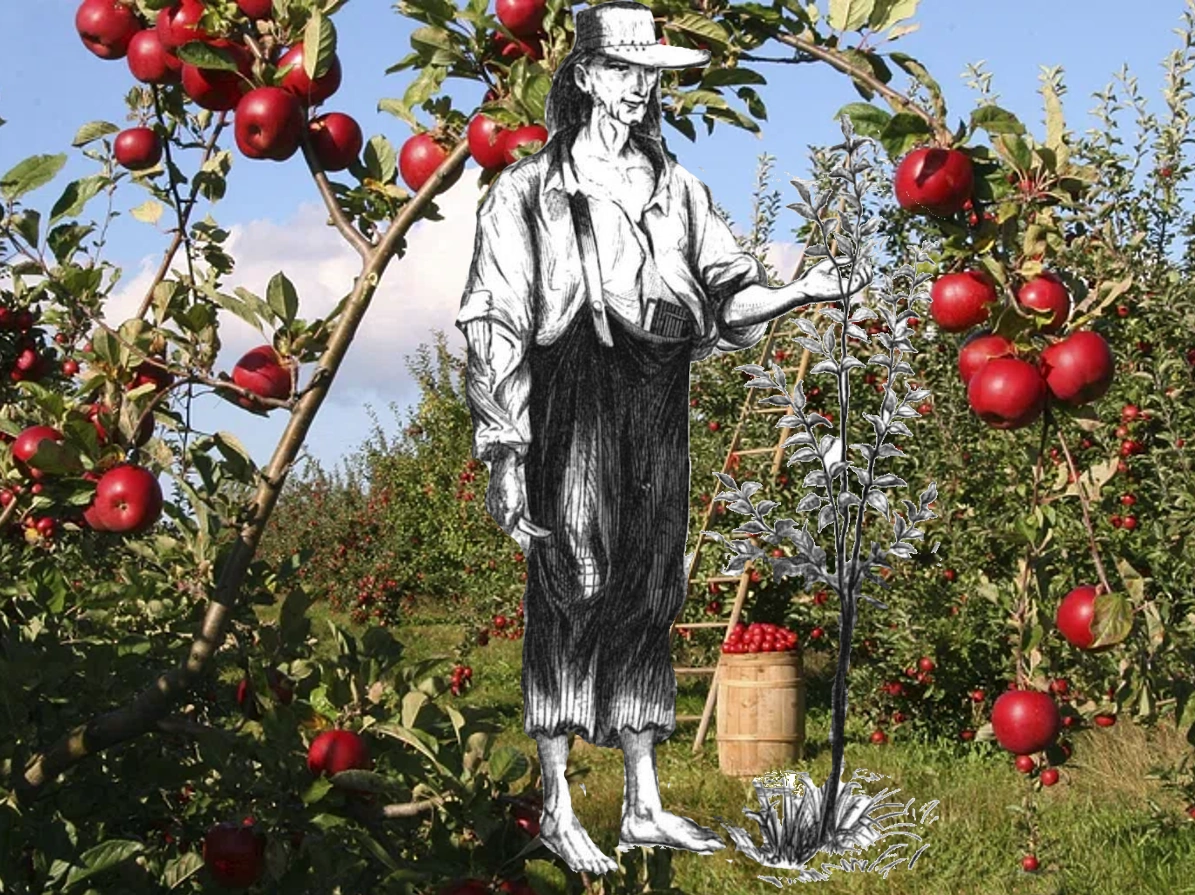
Johnny Appleseed
Johnny Appleseed was the legendary nickname for John Chapman (1774-1845), an American pioneer nurseryman who traveled the Midwest planting apple trees from seed, becoming a folk hero known for his generosity, connection to nature, and spreading orchards across the frontier, though his image is romanticized. He collected apple seeds from cider mills, established nurseries, and sold or gave away saplings to settlers, helping them establish homesteads.
400
What song written by Woody Guthrie was all about America belonging to all people, made for "you and me"?

"This Land Is Your Land"
The song meant to say that America belongs to all people, not just the wealthy, celebrating its natural beauty while criticizing inequality, wealth disparity, and exclusion, especially through omitted verses about "private property" signs and "big high walls" that block access for common folks. Originally a protest against "God Bless America," it's a populist anthem for social justice, though often sanitized for mainstream audiences who miss its radical, inclusive message of shared ownership. Verses often omitted from children's versions point to fences and "Private Property" signs, challenging the idea that land is solely a commodity. Guthrie contrasted the grand landscapes with the harsh realities of the Great Depression, showing that America's promise wasn't reaching everyone.
400
Each year, there is a reenactment ceremony of the signing of the Treaty of Paris in the State House of Annapolis, ________.
Maryland
Annapolis, Maryland, is the site of the U.S.'s Ratification Day, commemorated annually on January 14th, marking the day in 1784 when the Confederation Congress ratified the Treaty of Paris in the Maryland State House, officially ending the American Revolutionary War and recognizing the United States as an independent nation. This historic event established U.S. independence, defined its borders, and guaranteed rights, with ceremonies often held at the State House where a special flag is flown.
400
What are some of the ranks which police officers can hold?
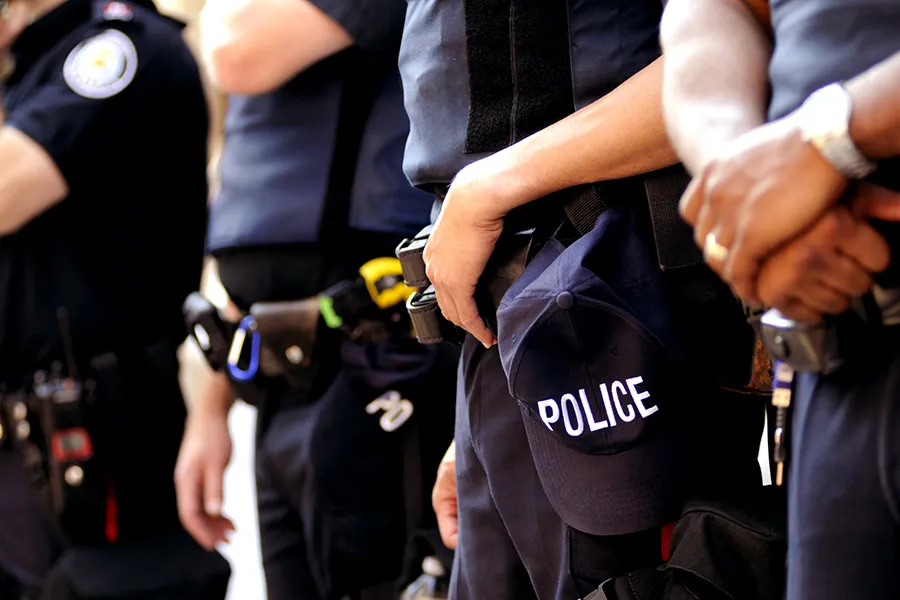
Officer, Detective, Corporal, Sergeant, Lieutenant, Captain, Chief, Commissioner and Sherrif.
In a sheriff's office, the second-highest ranking person is often responsible for most operations, similar to a chief of police in a police department, because the Sheriff is often elected and in many cases is a politician rather than an experienced law enforcement officer. Sheriffs are elected to four-year terms in 41 states, two-year terms in three states, a three-year term in one state and a six-year term in one state.
400
Where could people get alcohol legally during the Prohibition Era?

Bonus: What were the secret bars where one could get alcohol illegally called?
Medical prescriptions and from church!
Medical professionals lobbied to prescribe alcohol for medicinal purposes while the drug was illegal. Thousands of doctors and pharmacists got official licenses and created a lucrative side gig. Still, there were limits on how much a patient could get: A pint every 10 days. Prescriptions for medicinal alcohol were a luxury, and there was that pesky cap on how much you could get—unless you were Winston Churchill. Not only was his prescription for an "indefinite" amount of alcohol, the doctor put a minimum limit of 250 cubic centimeters (a little more than 8 ounces) on it.
400
What was the name of the legendary giant lumberjack known for creating the Grand Canyon and Minnesota's lakes?
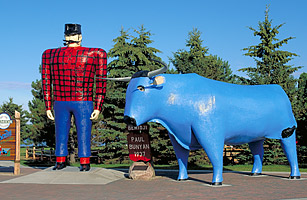
Bonus: What was the color of his giant animal sidekick?
Paul Bunyan
Paul Bunyan is a legendary giant lumberjack in North American folklore, famous for superhuman feats like creating the Great Lakes and the Mississippi River with his massive axe and for his giant blue ox, Babe, who helped him clear vast forests for settlement. He's known for immense strength, speed, and the exaggerated scale of his logging adventures, originating in oral traditions and later popularized in print, becoming a symbol of American frontier spirit.
Bonus: Blue (A big blue ox!)
500
What kind of animal did Froggie go a courtin'?

Miss Mousie
"Froggy Went a Courtin" is a very old, popular American folk song and nursery rhyme about a frog who courts a mouse (Miss Mouse), asking her to marry him; he rides with a sword and pistol, gets permission from her Uncle Rat, and they plan a wedding, though the ending varies from a happy marriage to a cat eating them, depending on the version. The story, which has roots in 16th-century Scotland, features many animal characters and has hundreds of verses, making it a classic tale of romance and adventure for children and adults.
500
What were the two stipulations for the Treaty of Paris?

- British recognition of U.S. independence.
- Boundaries that would allow American expansion westward to the Mississippi River.
Other notable treaties include the 1763 Treaty ending the French and Indian War and the 1898 Treaty ending the Spanish-American War, which resulted in U.S. acquisition of territories like Puerto Rico, Guam, and the Philippines. Each treaty marked major shifts in power, territorial control, and international relations, with the 1783 pact being foundational for the United States as a sovereign nation.
500
What types of weapons are recruits sometimes required to test on each other while in Police Academy training?

Pepper Spray and Tasers!
Recruits might be exposed to pepper spray and tasers during training to understand its effects and learn its proper use. This training boosts their confidence in managing situations where these weapons might be necessary. The goal is not to cause harm, but to offer practical experience and ensure recruits are ready for the challenges they might face as police officers.

500
What other major Amendment was was granted just seven months after Prohibition?
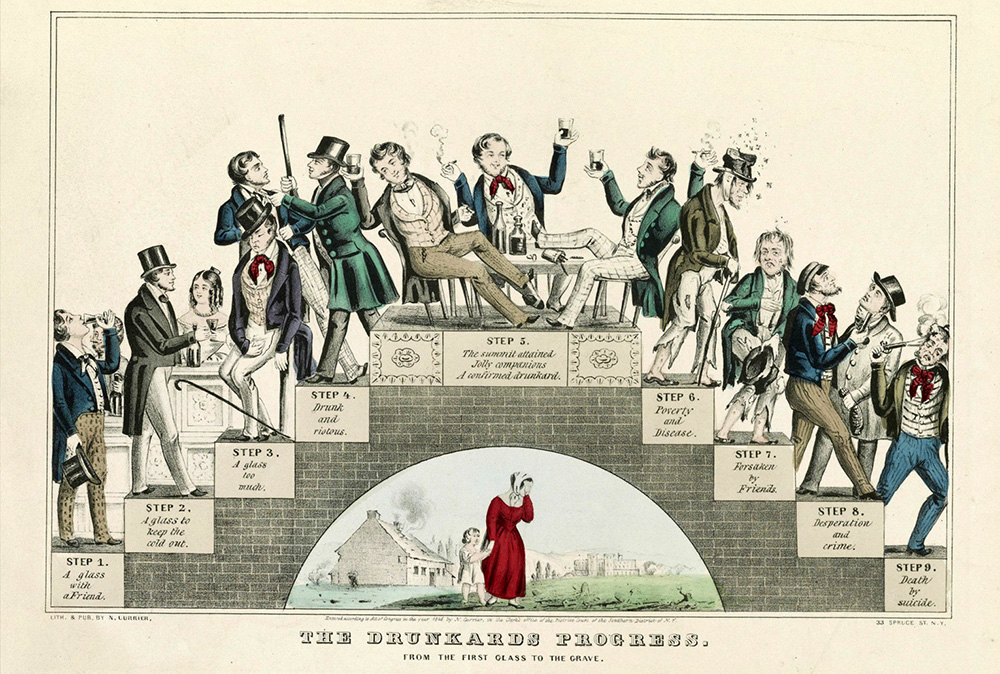
Hint: It was the 19th Amendment.
Women's Suffrage!
Prohibition and women's suffrage were deeply intertwined movements, with the temperance cause (Prohibition) providing a political springboard for the suffrage movement, as women organized to ban alcohol for home protection, leading to national influence and ultimately helping secure the 19th Amendment for voting rights, though the "noble experiment" of Prohibition also saw women entering new roles in law enforcement and illegal alcohol trade, challenging traditional norms. On the other side, before Prohibition, men and women were largely separated socially. The pub was a men-only domain. Once alcohol became illegal, speakeasies that were already breaking the law saw no real need to discriminate who they sold to, so women joined in the fun. Over time, men and women drinking and listening to music together in a crowded, sweaty room became the norm.
500
Who was Pecos Bill?
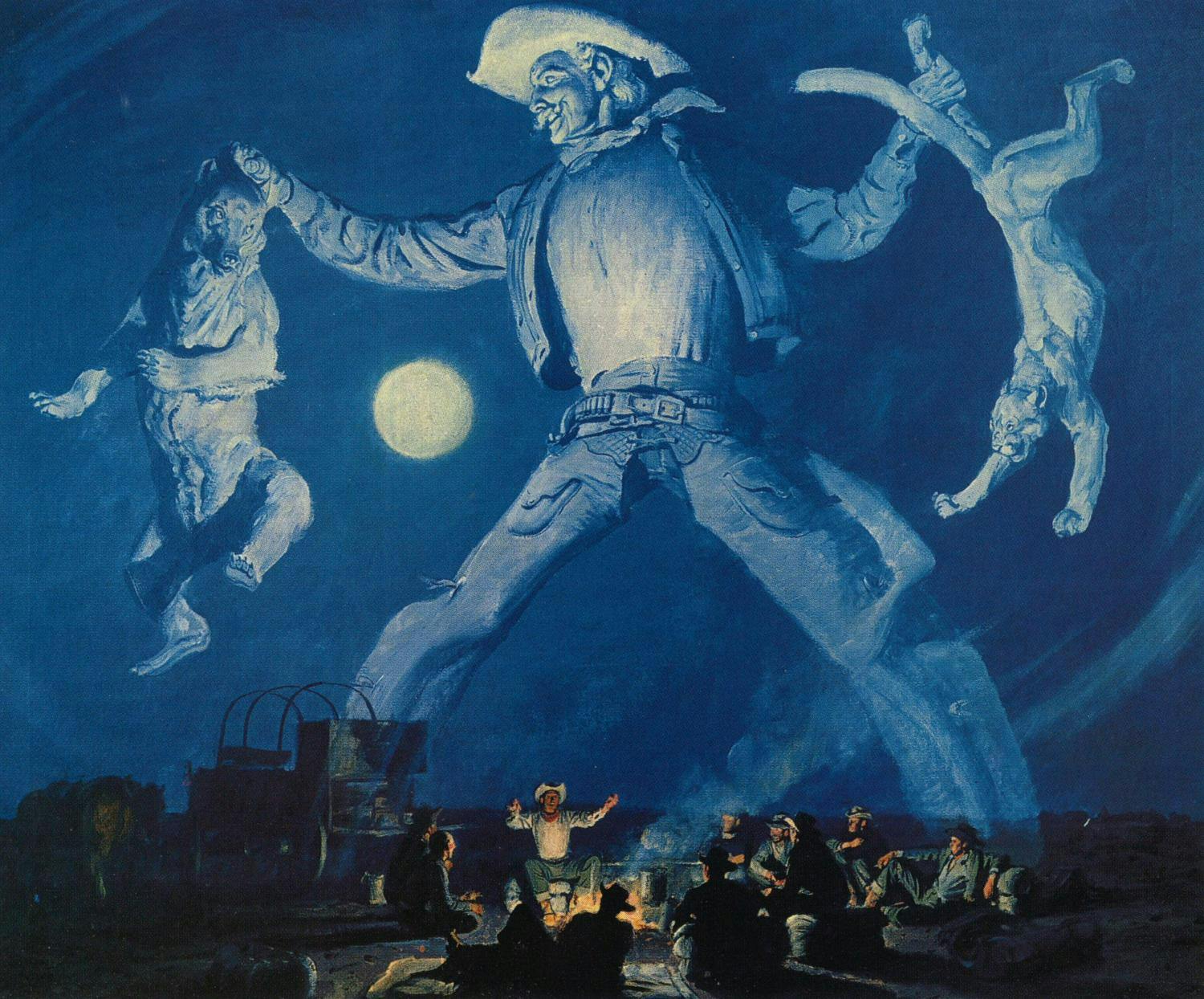
A legendary cowboy!
Pecos Bill is a legendary American folk hero, a larger-than-life cowboy from the Southwest known for superhuman feats, embodying the spirit of westward expansion, who was raised by coyotes after being lost as a child and later invented many cowboy traditions, becoming a symbol of American frontier grit and independence in tales popularized by writers like Edward O'Reilly and Disney.