Advanced OOP Concepts in Java
Java Execution & Architecture
Data Types & Control Logic
System-Level Computing Concepts
Access Control & Program Structure
100
This principle hides internal implementation details while showing only essential behavior, improving security and simplicity, like driving a car without seeing the engine mechanics.
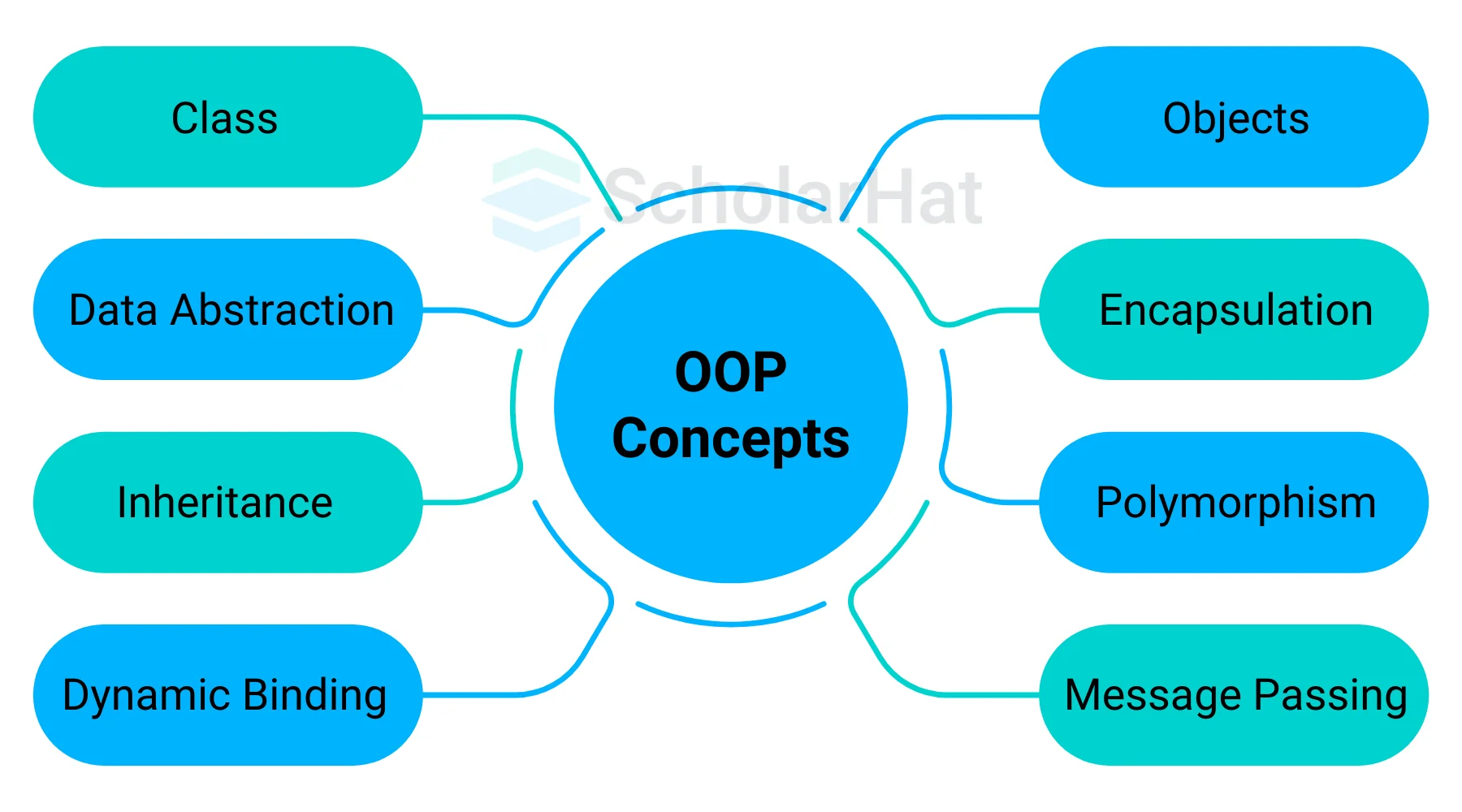 What is Abstraction?
100
This platform-independent intermediate code is generated after Java compilation and allows execution on any system with a JVM.
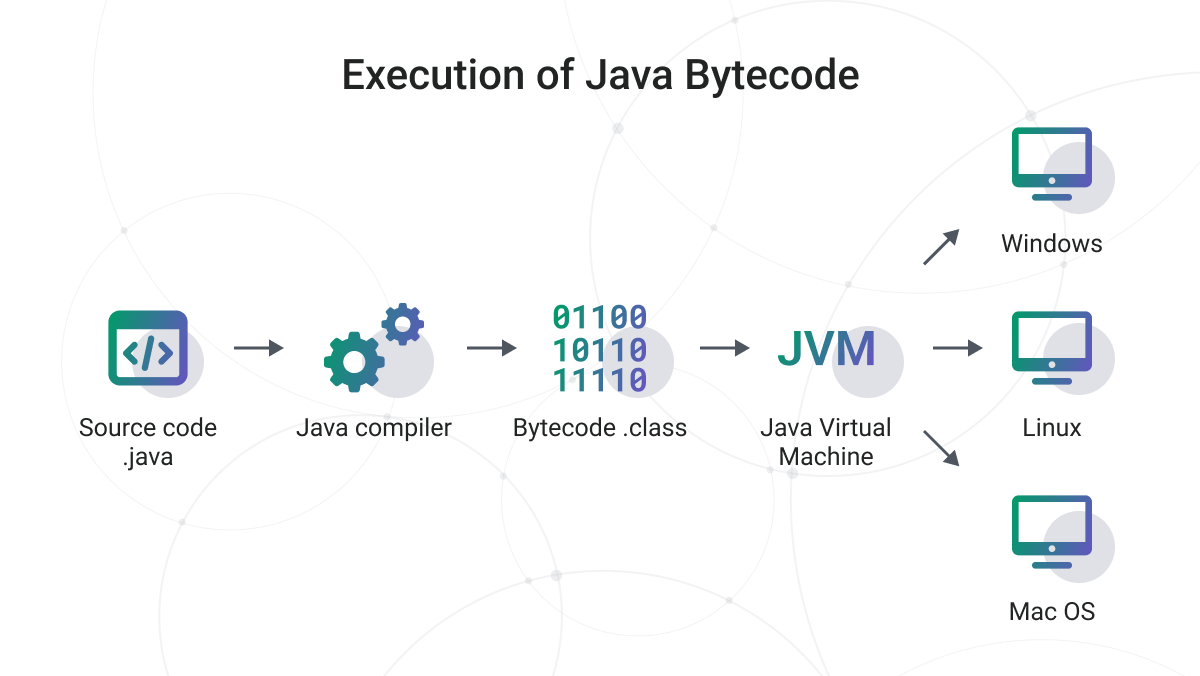
What is Bytecode?
100
This data type stores sequences of characters and is commonly used for text such as user input, messages, and labels in applications.

What is String?
100
This lowest-level language consists of binary digits (0s and 1s) and is directly executed by the CPU without translation.
What is Machine Code?
100
This access modifier restricts visibility so that a variable or method can only be accessed within the same class.
What is Private?
200
This concept protects data by restricting direct access and enforcing controlled interaction through methods such as getters and setters, improving data security and integrity.
Here's the link of the viedo:
What is Encapsulation?
200
This virtual machine acts as a runtime environment that interprets and executes Java bytecode across different operating systems.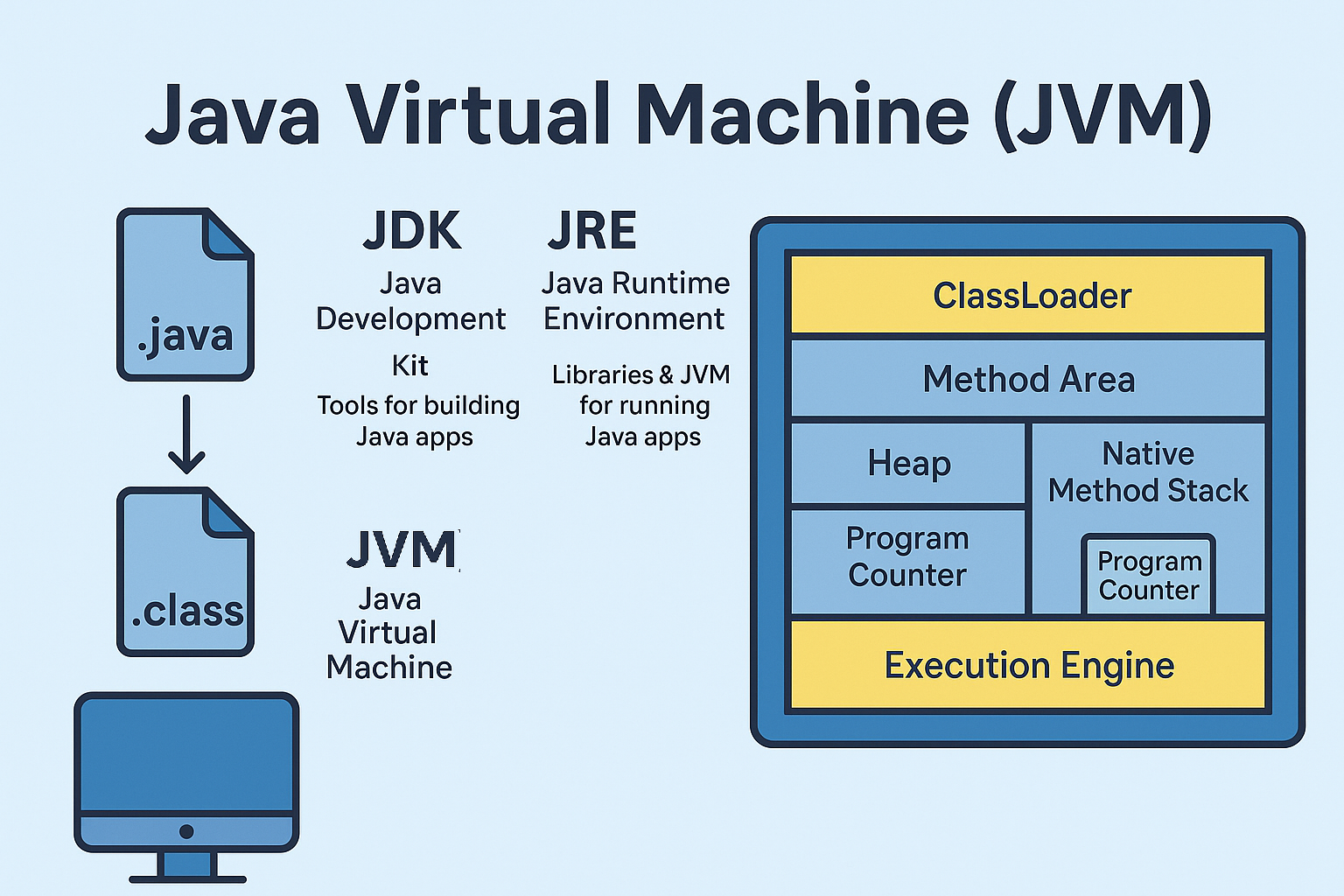
What is the Java Virtual Machine (JVM)?
200
This primitive data type represents logical conditions and is used in decision-making structures like if-statements. 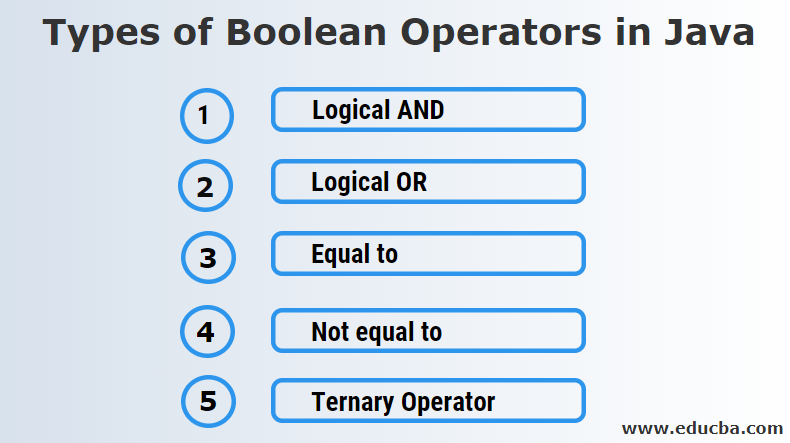
What is Boolean?
200
This symbolic low-level language uses human-readable instructions that are translated into machine code by an assembler.

What is Assembly Language?
200
This access modifier allows unrestricted access to a class, method, or variable from any other class in the program
What is Public?
450
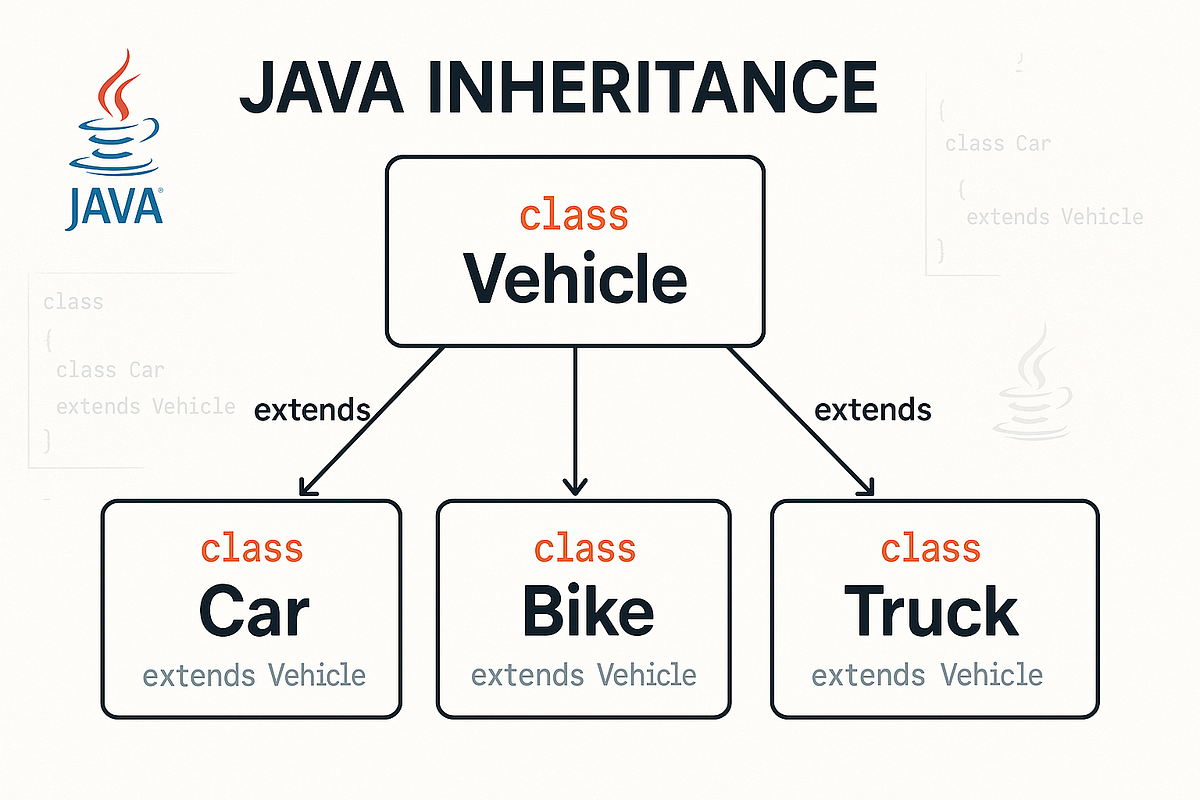
This mechanism allows a class to inherit properties and behavior from another class, enabling code reuse and hierarchical relationships (e.g., Animal → Dog).
https://youtu.be/-d0HYypdGS8?si=LpvD7_cUIJmThpPm
What is Inheritance?
450
This tool compiles Java source code into bytecode and checks for syntax and type errors before execution
.
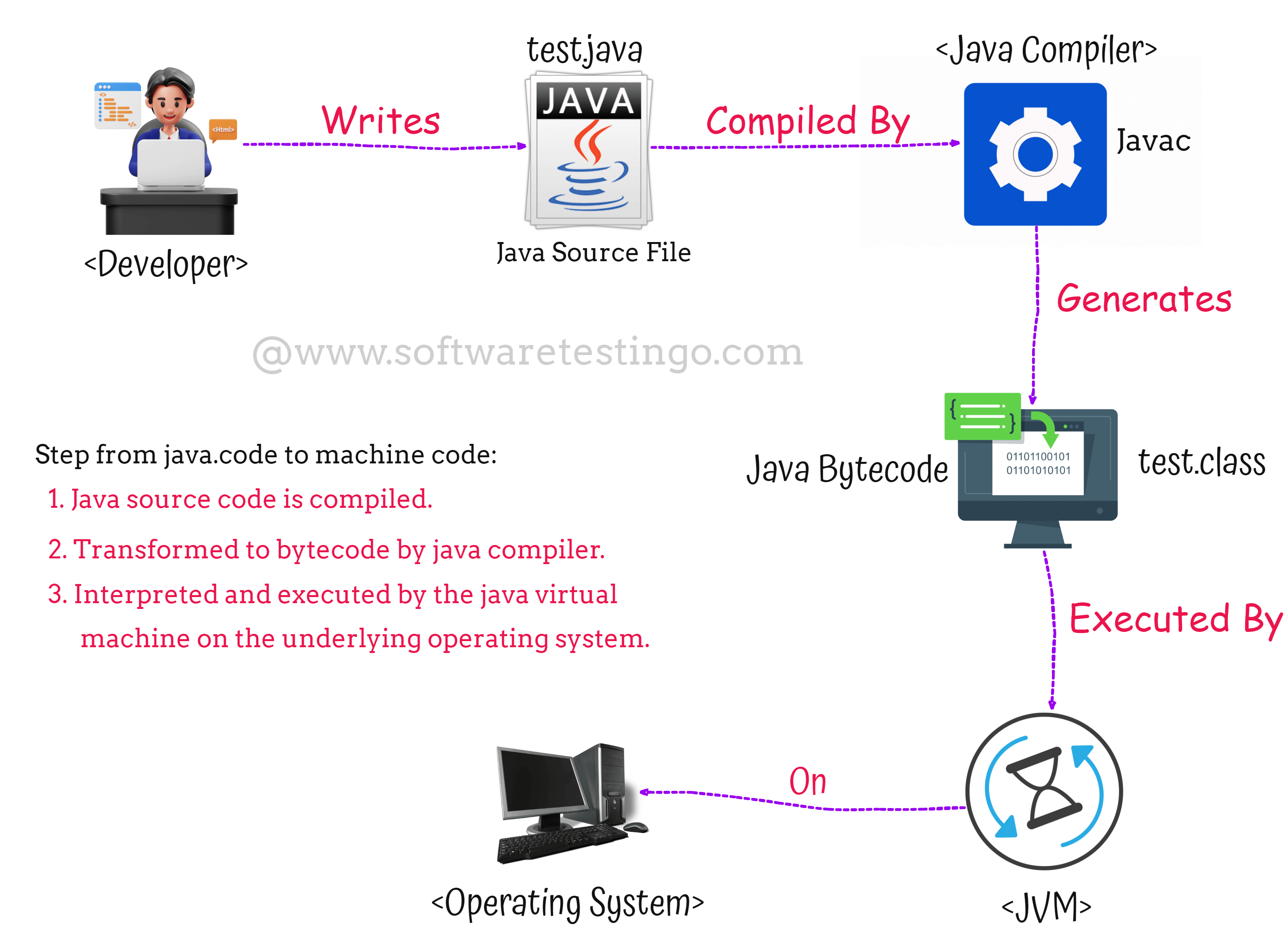
What is the Java Compiler?
450
This data type is used for decimal numbers requiring precision in calculations such as financial or scientific applications.
What is Double?
450
This volatile memory temporarily stores data and instructions for active programs to ensure fast processing during execution.

What is RAM?
450
These reserved words in Java have predefined meanings and cannot be used as identifiers, such as class, void, or static.
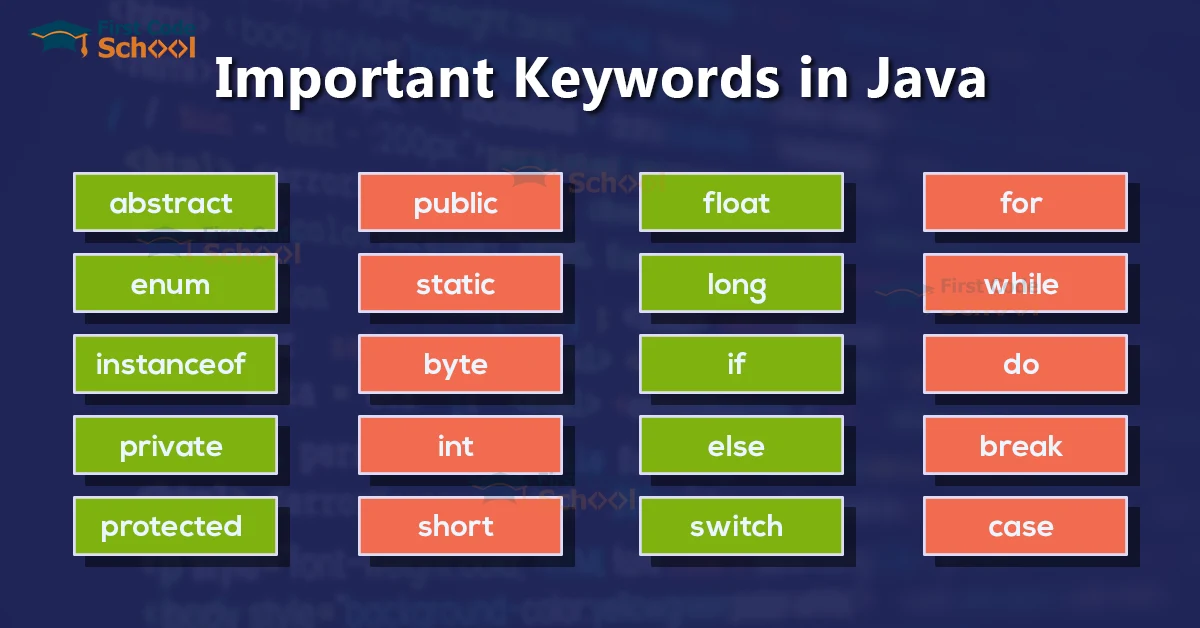
What are Keywords?
650
This concept allows a single method or interface to behave differently depending on the object, improving flexibility and scalability in software design.

What is Polymorphism?
650
This JVM component executes bytecode using interpretation and Just-In-Time (JIT) compilation for performance optimization.
What is the Execution Engine?
650
This reusable block of code encapsulates logic to perform a specific task, improving modularity and reducing redundancy in programs
What is a Method?
650
These are low-level requests made by software to interact with the operating system for resources such as file access or hardware control.
What are OS Calls?
650
This file represents a compiled Java class containing bytecode that is executed by the JVM.

What is a Class File?
850
This programming paradigm models real-world systems using objects that combine data and behavior,making large applications easier to design, maintain, and scale.
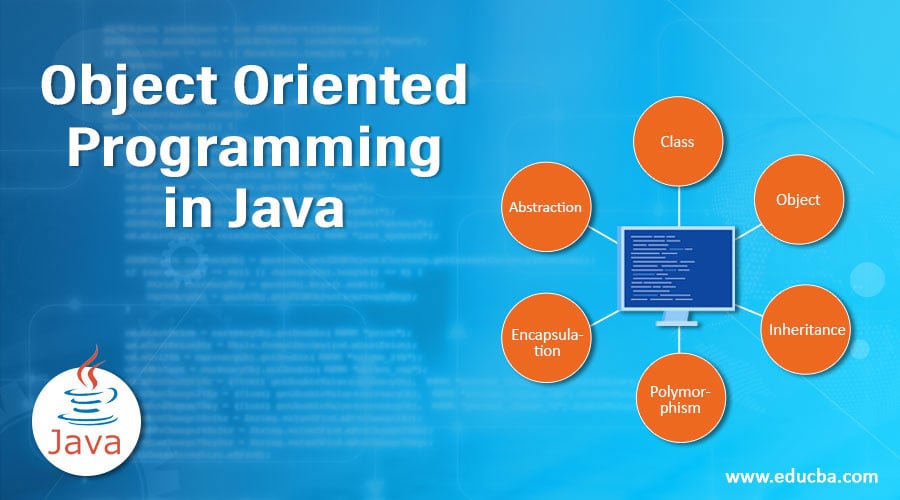
What is Object-Oriented Programming (OOP)?
850
This core design principle enables Java’s portability by allowing programs to run unchanged across different operating systems.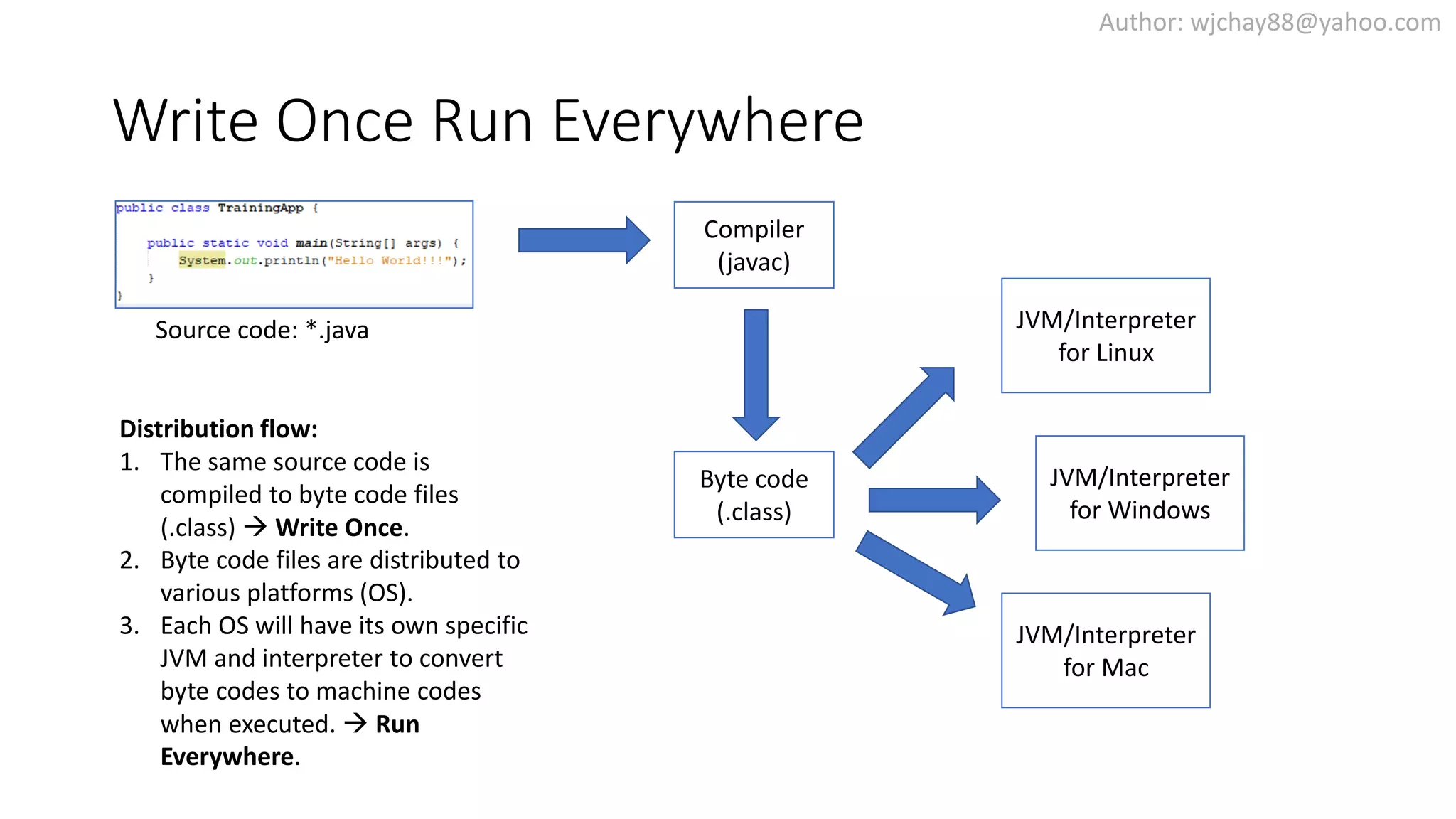
What is “Write Once, Run Anywhere” (JVM concept)?
850
This control structure repeatedly executes a block of code until a condition becomes false, commonly used for iterating through data collections
What is a Loop?
850
These compiled output files contain Java bytecode and are executed by the JVM during runtime.
What are Class Files?
850
This blueprint defines the structure and behavior of objects, including fields (data) and methods (functions).
What is a Class?