Diabetes Basics
Culinary Medicine
100
This type of diabetes is an autoimmune condition in which the pancreas produces little to no insulin.
Type 1 diabetes
100
In culinary medicine, this type of food—such as lentils and most non‑starchy vegetables—helps stabilize blood sugar due to its low glycemic index.
Low glycemic index foods
200
This form of diabetes is strongly linked to insulin resistance and is often influenced by lifestyle factors.
Type 2 Diabetes
200
Culinary medicine emphasizes cooking skills and nutrition knowledge. This benefit helps people with diabetes improve glucose control.
Learning to prepare balanced meals at home
300
This form of diabetes was formerly known as Juvenile Diabetes, but we now know it can occur at any age.
Type 1 Diabetes
300
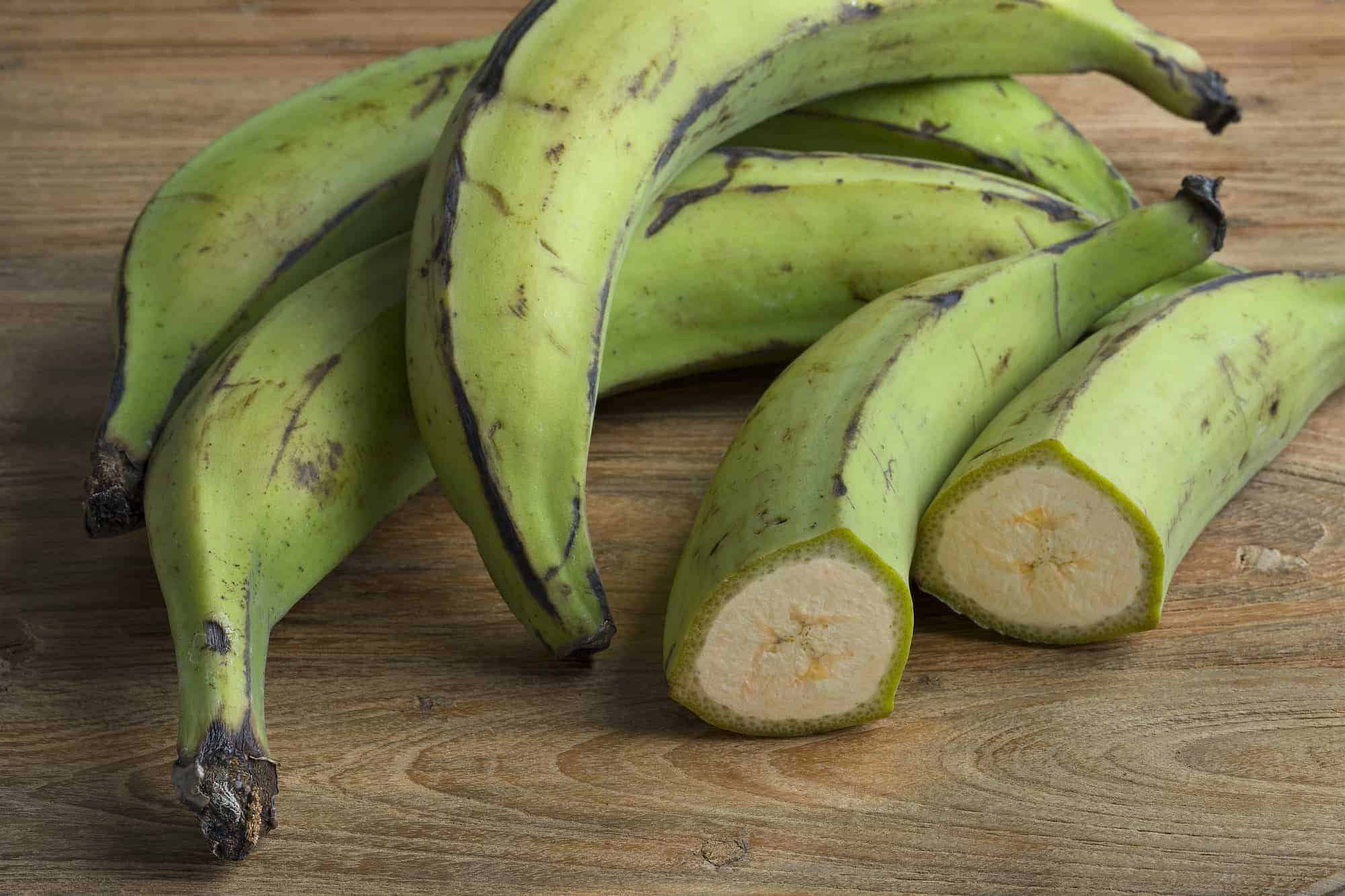 This low‑glycemic fruit, cousin to a banana, can be recommended in culinary medicine—it has a low starch content, and is high in Vitamins C and K.
Green plantain
400
This macronutrient has the greatest immediate impact on blood glucose levels
Carbohydrates
400
Evidence shows that combining access to healthy food with cooking education can improve HbA1c levels in people with Type 2 diabetes.
Culinary medicine–based food prescription program
500
Pairing carbohydrates with this nutrient slows glucose absorption
What is protein (and/or fat)
500
Beans, lentils, and vegetables are rich in this component that supports glycemic control
Fiber