Targets 1
Targets 2
Targets 3
教科書|単語
Grammar (文法)
100
〜を信頼する
trust
100
〜を修理する
repair
100
〜を確かめる
confirm
100
take a look at ~
~を見る
100
〜かもしれない
may + 動詞の原形
(You may wonder why people create them)
(Citizens may paint their murals on bridges...)
200
〜を禁止する
ban
200
〜をよく理解する
appreciate

200
〜するつもりである
intend
200
first language
第一言語
母語
200
~したい
would like to + 動詞の原形
(The members would like to tell their history.)
(Would you like to have a break now?)
300
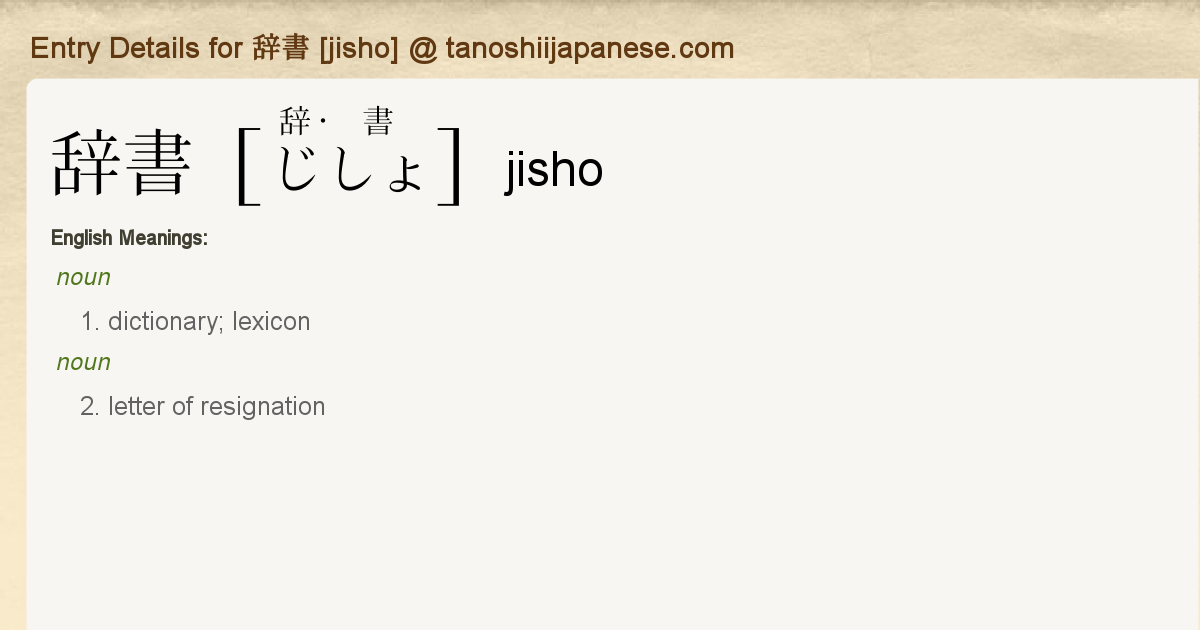
〜を定義する
define
300
①〜を解釈する・通訳
②〜を翻訳する
①interpret
②translate
1. Your JTE interprets what the ALT says.
2. I can translate this sentence into Japanese.
300
〜のふりをする
pretend
300
depending on ~
~によって
300
〜かもしれない
seem to have + 過去分詞
(Tennozu Isle seems to have turned into an artistic spot.)
(The students seem to have practiced hard for the concert.)
400
①〜を拒否する・〜を却下する
②〜を否定する
①reject
②deny
400
①〜を思い出させる
②〜を思い出す
①remind
②recall
1. My mom reminds me to clean my room.
2. I recall the first time I met Kairo.
400
①〜を得る
②〜を獲得する
①earn
②acquire
400
divide ~ into ...
〜を...に分ける
400
(...)、そして〜する
(S + V), ~ing
(A linguist created this term, dividing the varieties into three groups.)
(This plane leaves Tokyo at 10 AM, arriving at Naha at 1 PM.)
500
①〜を励ます・〜に勧める
②〜に着想を与える・〜を奮い立たせる
①encourage
②inspire
1. My teacher encouraged me to study more.
2. My teacher inspired me to become a teacher.
500
①〜を分類する・種類
②〜を組織する
①sort
②organize
500
①〜を維持する
②〜に耐える
①sustain
②endure
500
be forced to ~
~することを強制される
500
(過去に)〜したにちがいない
must + have + 過去分詞
(They must have been an expression of people's happiness.)
(She looks happy. She must have gotten a gift.)