World War I
World War II
Europe Since 1945
Southern Europe:
Physical Geography
Physical Geography
Do you really know Ms. Kimie? (O_o)
100
What was the Treaty of Versailles? What four things did it force Germany to do? (p. 83)
>> Double Points! <<
It was the final peace settlement of WWI. It forced Germany to do the following:
1. Accept the blame for starting the war
2. Slash the size of its army
3. Give up its overseas colonies
4. Pay billions of dollars for damages caused during the war
100
What is a dictator? Who was one of the first dictators in Europe? (p. 87)
A dictator is a ruler who has total control. One of the first dictators in Europe was Russia's Vladimir Lenin.
100
What was the Cold War? (p. 92)
The Cold War was a period of tense rivalry between the United States and the Soviet Union.
100
What is Southern Europe also known as? Why is it called this? (p. 104)
Southern Europe is also known as Mediterranean Europe. It is called this because all of the countries of Southern Europe have long coastlines on the Mediterranean Sea.
100
What is Ms. Kimie's favorite fruit?
Green grapes!

200
Which three countries formed the Triple Alliance, and which three countries formed the Triple Entente? (p. 81)
Triple Alliance: Italy, Germany, Austria-Hungary
Triple Entente: France, Great Britain, Russia
200
Who broke the Treaty of Versailles in 1938? What did he do? (p. 88)
>> Double Points! <<
Hitler broke the Treaty of Versailles when he added Austria to Germany's territory.
200
What did Communist leaders build in 1961 to prevent any East Germans from fleeing to the West? (p. 93)
They built the Berlin Wall.
200
What forms a boundary between Spain and France to the north? (p. 105)
The Pyrenees (pir-uh-neez) form a boundary between Spain and France to the north.
200
Which U.S state is Ms. Kimie from?
Delaware!
300
What is trench warfare? (p. 82)
It is a style of fighting in which each side fights from deep ditches, or trenches, dug into the ground.
300
What happened on September 1, 1939? What happened two days later? (p. 89)
On that day, German forces launched an all-out attack on Poland. Two days later, Great Britain and France responded by declaring war on Germany, thus beginning World War II.
300
What is an arms race? (p. 94)
An arms race is a competition between two countries to build superior weapons?
300
What is the Mediterranean climate? (p. 106)
>> Double Points! <<
It is the type of climate found across Southern Europe.
300
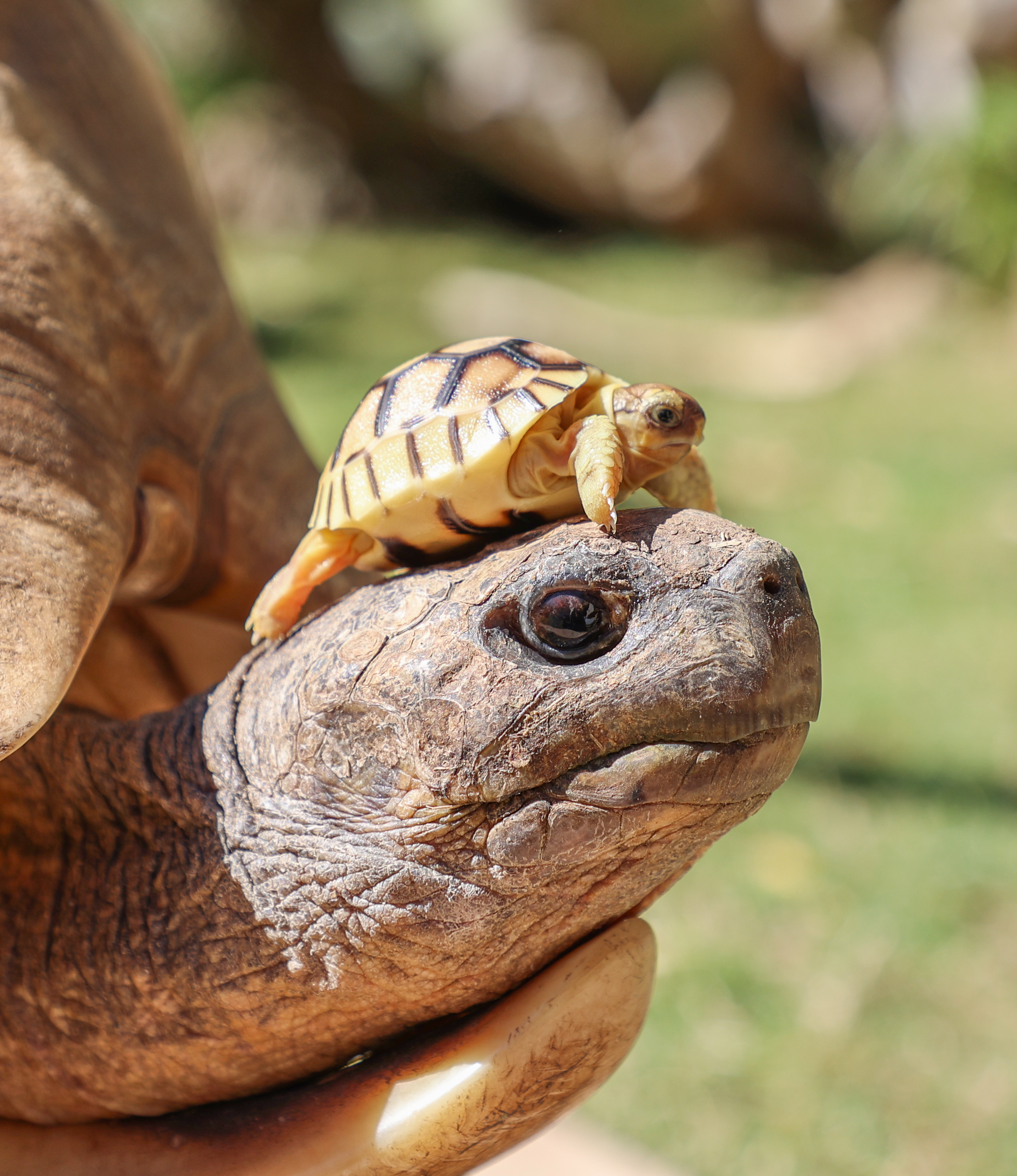
What is Ms. Kimie's favorite animal?
Tortoises!
400
What is communism? (p. 84)
It is a political system in which the government owns all property and controls all aspects of life in a country.
400
What international peacekeeping organization was formed in 1945? (p. 91)
The United Nations was formed in 1945 by around 50 nations.
400
What is the European Union? (p. 96)
>> Double Points! <<
The European Union (EU) is an organization that promotes political and economic cooperation in Europe.
400
What is the architecture like in Greece? (image on page 107)
Buildings in Greece are airy and made of light materials to reflect sunlight and heat.

400
When is Ms. Kimie's birthday?
>> Double Points! <<
December 17th!

500
Which two countries gained their independence after WWI? (p. 84)
>> Double Points! <<
Poland and Czechoslovakia each gained their independence after WWI.
500
When did Allied forces launch D-Day invasion in Normandy, France? (Time Line image on p. 90-91)
Allied forces launched D-Day invasion in Normandy, France on June 6, 1944.
500
What is a common market? (p. 96)
A common market is a group of nations that cooperates to make trade among members easier.
500
What are the two major ranges in Italy called? (p. 105)
The two major ranges are the Apennines (a-puh-nynz) and the Alps.
500
If you take Ms. Kimie's current age, double it, minus 50, add 4, what do you get?
8 (also Ms. Kimie's favorite number!)
