Everyday Colonial Life
Rights and Government
Slavery in the Colonies
Beliefs and Education
Put It All Together
FINAL JEOPARDY
100
What term describes a family that grows or makes nearly everything it needs?
Self-sufficient.
Self-reliant.
100
Which document helped establish that even the king must obey the law?
Magna Carta.
100
What name describes the forced Atlantic voyage of enslaved Africans to the Americas?
The Middle Passage.
100
What movement brought renewed religious interest and large preaching gatherings to the colonies?
The Great Awakening.
100
A colonial visitor explores Philadelphia’s shops and waterfront. Which colony is the visitor in?
Pennsylvania.
200
What difficult task did colonial farmers face before planting on land covered with trees?
Clearing the trees from the land.
200
What English lawmaking group helped limit the King's control over laws and taxes?
Parliament
200
In which colonial regions did slavery exist: New England, Middle, Southern, or all three?
All three.
200
What book did religious people like the Puritans especially want children to be able to read?
The Bible.
200
A picture shows crowded streets, rows of shops, and closely spaced houses. Does it most likely show a family farm or a city?
A city.
300
Write two chores children might have done on a colonial farm.
feeding animals, gathering eggs, tending crops, gathering firewood, cooking, sewing, or caring for younger children.
300
Colonists elected representatives to help make their laws.
What form of government participation were they practicing?
Self-governent
300
Write two dangerous conditions enslaved Africans faced during the Middle Passage.
overcrowding, disease, poor sanitation, inadequate food or water, or brutal treatment.
300
What colonial schoolbook helped children learn letters, words, and religious lessons?
The New England Primer.
300
CHALLENGE
Why were fires especially dangerous in colonial cities?
Wooden buildings stood close together, allowing fires to spread quickly. Candles and open flames could start fires.
400
CHALLENGE
How did a colonial “bee” combine work and leisure?
Neighbors completed a task together while visiting and socializing.
400
After English King James II lost his throne in the Glorious Revolution, which group kept its lawmaking power?
Parliament
400
CHALLENGE
Why did slavery expand especially rapidly in the Southern Colonies?
Plantation (farm) owners forced enslaved people to grow cash crops that required extensive labor.
400
CHALLENGE
What concern about people’s religious beliefs helped spark the Great Awakening?
Some people believed colonists had lost their religious faith.
400
Put these in order from earliest to latest:
A. English Bill of Rights
B. Great Awakening
C. Magna Carta
D. Parliament
C, D, A, B.
Magna Carta, Parliament, English Bill of Rights, Great Awakening
500
Write one example of farm work and one example of city work.
Farm Work: growing crops or raising animals.
City Work: working as a blacksmith, tailor, shoemaker, or merchant.
500
CHALLENGE
Why did colonists believe they deserved the protections of the English Bill of Rights?
They considered themselves English citizens and expected the same rights.
500
How did colonial laws classify enslaved people, and name one way enslaved people resisted.
As property, some resisted by escaping or refusing to work.
500
Complete both parts:
The Great Awakening began partly because people feared religious faith had weakened. It helped spread ideals of _____ and _____.
Liberty and equality.
500
A colonist asks the ruler to change an unfair policy. Name this action and the 1689 document that protected it.
Petitioning, the English Bill of Rights.
500
What was the real name of “Richard Saunders,” the author of Poor Richard’s Almanac, which was written in the English colony of Pennsylvania?
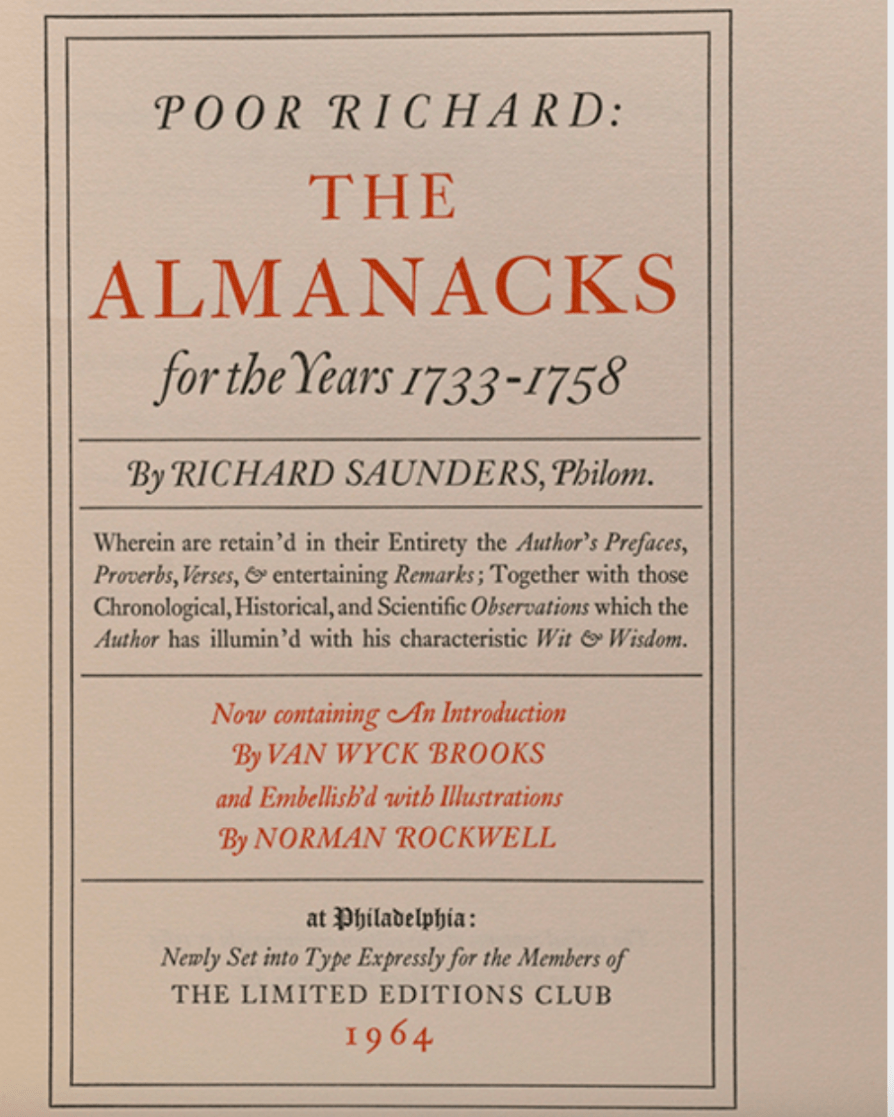
Richard Saunders was a pen name used by Benjamin Franklin.