The Natural World
Human Impact
Documentary Techniques
David Attenborough
Scenes & Solutions
100
Who presents the documentary 'Life On Our Planet'?
David Attenborough.
100
What human activity involves cutting down large areas of forest?
Deforestation.
100
What is a documentary?
A nonfiction film that presents information about real people, events or issues.
100
What is the main environmental message of the documentary?
Humans must protect and restore the natural world.
100
What happens to coral reefs when ocean temperatures become too high?
The coral can become bleached and die.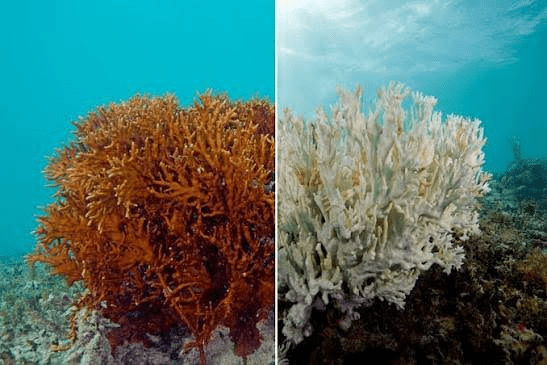
200
What term describes the variety of living things on Earth?
Hint: This word starts with “bio” (meaning life) and describes the variety of plants, animals and other living things on Earth.
Biodiversity.
200
Name one fossil fuel that contributes to climate change.
HINT: Think about fuels humans burn to produce electricity, power cars or run factories.
Coal, oil or natural gas.
200
What technique is used when Attenborough speaks over footage of nature?
Voice-over or narration.
200
What does Attenborough want audiences to understand about human activity?
That human actions have significantly damaged the planet.
200
What abandoned Ukrainian city does Attenborough visit in the documentary?
Pripyat, near Chernobyl.
300
What type of environment is destroyed when large areas of trees are cut down?
Forests or rainforests.
300
What happens to many animals when their natural habitats are destroyed?
They lose their homes and food sources, and may become endangered or extinct.
300
What camera shot is often used to show a wide landscape or natural environment?
A long shot or establishing shot.
300
Why does Attenborough share his personal experiences from different decades?
To show the environmental changes he has witnessed throughout his lifetime.
300
Name one solution Attenborough suggests for protecting the planet.
Examples include:
- renewable energy
- protecting forests
- sustainable fishing
- restoring biodiversity.
400
What important role do coral reefs play in the ocean?
They provide habitats and support a wide variety of marine life.
400
How does increasing carbon dioxide in the atmosphere affect the planet?
Hint: Think about how carbon dioxide traps heat in the atmosphere and what happens to Earth's temperature as a result.
It traps more heat, contributing to global warming and climate change.
400
How does music help create emotion during scenes of environmental destruction?
Sad, dramatic or tense music creates concern, sadness or urgency.
400
Who is the main target audience of the documentary?
A broad global audience, particularly people who can help make changes to protect the planet.
400
What does the recovery of wildlife around Chernobyl help demonstrate?
That nature can recover when human pressures are reduced, although radiation remains a hazard.
500
What does Attenborough mean when he describes the natural world as being out of balance?
Hint: Think about what happens when humans damage natural habitats or remove too many plants and animals. How does this affect the balance of nature?
Human activity is disrupting ecosystems and threatening biodiversity.
500
Explain two ways human activity has contributed to the decline of biodiversity.
1:deforestation
2:overfishing
3:pollution
4: habitat destruction
5: climate change.
500
Why does the documentary contrast images of healthy ecosystems with damaged environments?
To emphasise environmental change and encourage viewers to recognise the consequences of human activity.
500
How does Attenborough combine facts and emotional appeals to persuade viewers?
He uses scientific evidence, personal testimony, imagery and emotional storytelling to create concern and motivate people to action.
500
Why does Attenborough end the documentary by focusing on possible solutions?
To give audiences hope and encourage action rather than leaving them feeling powerless.