1-800-SCOOCH
Rash Decisions
The Fast & the Uterus
Sacral Sparing & Oversharing
Lower GI & Lower Morale
100
The metabolite of this toxic alcohol precipitates into calcium oxalate crystals causing renal tubular necrosis.
Ethylene Glycol
100
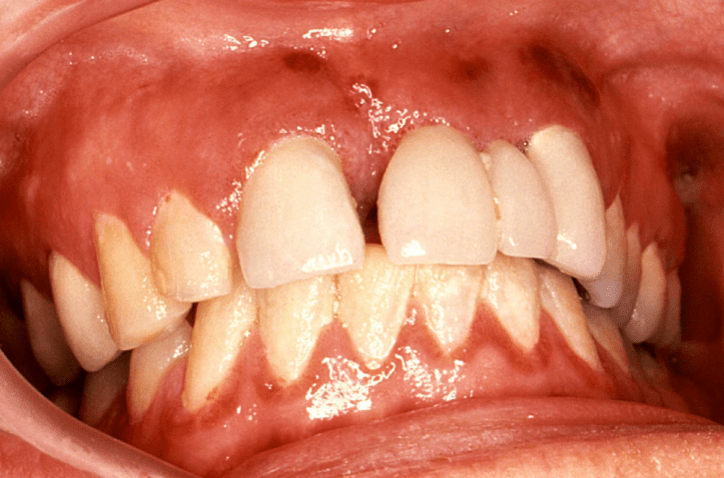
This condition, most commonly seen on the trunk, LEs, face, hard palate, and genital area, is associated with human herpesvirus 8 and HIV infections.
Kaposi Sarcoma
100
This underlying process should be suspected if preeclampsia develops in the first trimester of pregnancy.
Molar pregnancy (gestational trophoblastic disease)
100
This condition results in loss of motor function, pain, & temperature sensation distal to the level of the hyperflexion injury, with preservation of proprioception
Anterior cord syndrome
(spares posterior white column, which controls position/vibration sensing)
100
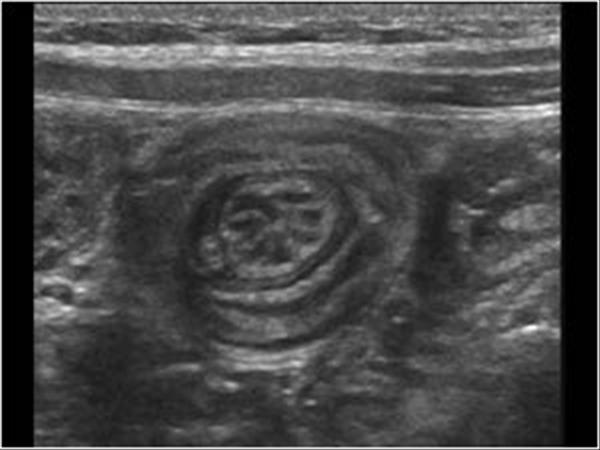
This condition often presents with vomiting, colicky abdominal pain, & distention and requires treatment by air or contrast enema.
Intussusception
200
This antidote may help a diabetic who took too much of their home medication and now has refractory hypoglycemia in your ED.
Octreotide (+/- steroids)
200
Classically this infection presents with high fever, cough, coryza, conjunctivitis, & a red maculopapular rash.
Measles (rubeola)
200
This is the most reliable way to rule out ovarian torsion in a patient with a high pretest probability.
Laparoscopic visualization
(US only 45-75% sensitive)
200
This concussive-type injury to the spinal cord mimics a complete spinal cord lesion and may persist for weeks before recovery.
Spinal Shock
200
This exam sign that elicits RLQ pain on extension of the right hip has low sensitivity (13%–42%) but high specificity (79%–97%) for appendicitis.
Psoas sign
[compare to obturator sign: RLQ pain on internal rotation of flexed right hip]
300
This is the best first step for treatment of a pit viper (Crotalinae) bite to the arm.
immobilize & elevate the extremity
300
Staphylococcus scalded skin syndrome, pemphigus vulgaris, SJS/TEN, and bullous impetigo all have this exam finding in common.
positive Nikolsky sign
(slippage of the epidermis from the dermis when slight rubbing pressure is applied to the skin)
300
Most common cause of post-partum hemorrhage.
Uterine atony
300
This is the hallmark symptom of cauda equina syndrome.
urinary retention
(along w/ saddle anesthesia, loss of bladder/bowel control, impotence, & unilateral or bilateral flaccid lower extremity weakness)
300
This is the best test to diagnose the most common cause of painless lower GI bleeding in infants & young children.
Technetium-99m pertechnetate scan (Meckel scan)
400
Ingesting enough pits of fruits like cherries and apricots may cause sudden collapse, requiring treatment with this antidote.
Hydroxycobalamin
(Cyanide poisoning)
400
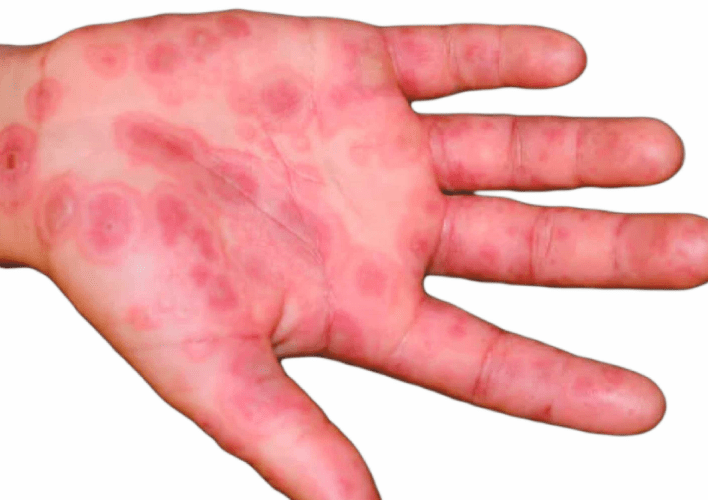
Typically affecting young adults, this disease has many poorly understood etiologies but is most commonly linked to HSV 1/2 & Mycoplasma pneumoniae.
Erythema multiforme
(Tx: antihistamines & stop offending meds vs tx infection if present)
400
This antidote should be given when a female on first-line treatment for severe preeclampsia develops hypotension and hyporeflexia.
Calcium
400
These are the anatomic landmarks of Zone 3 of the neck.
Angle of Mandible & Skull Base
(zone 3 contains the IC, EC, & vertebral AA; jugular V; CN 9-12, & spinal cord)
400
The most common complication of acute diverticulitis.
phlegmon / abscess
[Management of diverticulitis depends on the presence of complications incl abscess, stricture, obstruction, fistula, or perforation and require Adm, IV abx, bowel rest, & surgical consultation]
500
Antidotes for severe organophosphate poisoning.
Atropine + pralidoxime
500
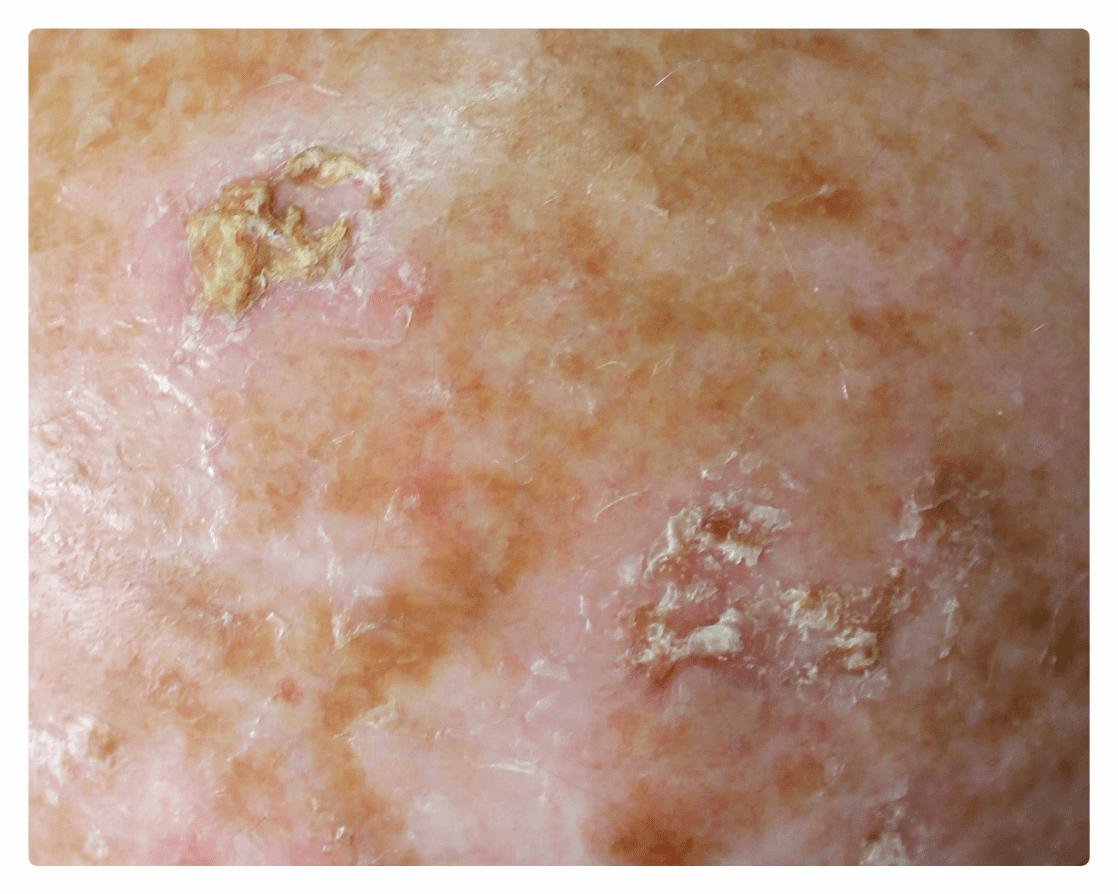
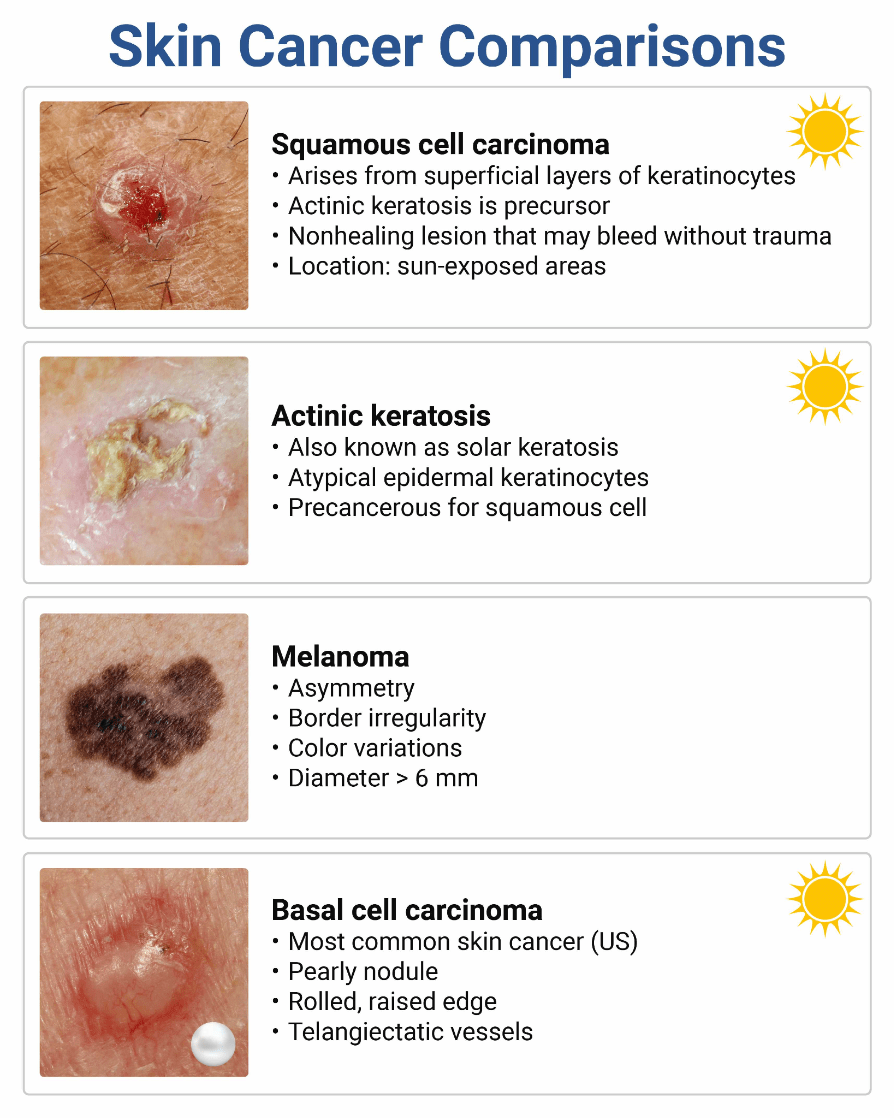
An adult with months of this rash is at risk of developing this condition.
actinic keratosis > Squamous cell carcinoma
500
This is an appropriate position to place a patient while preparing for emergent C-section for umbilical cord prolapse.
Trendelenburg or a knee-chest
(& don’t forget to elevate the presenting fetal part off the cord)
500
This is the most appropriate next step (be specific) in management of a vitally stable MVC patient with dysphonia, anterior neck pain, dyspnea, & crepitus to the neck.
Fiberoptic intubation
500
This organism can cause subacute abdominal pain, nausea, vomiting, & bloody diarrhea complicated by hepatic abscess.
Entamoeba histolytica
(Protozoa: tx w/ metronidazole or tinidazole followed by a luminal agent i.e. paromomycin or iodoquinol)