Assessment
Nursing Interventions
Safety
100
Which vital sign is the most concerning?
Oxygen level
100
What position would help Tamika breathe the best?
Tripod position or high fowlers (sitting up at 90 degrees)
100
What are some safety interventions that we can do to prevent falls?
Bed alarms
Hourly rounding
Call light within reach
Bed within the lowest position
200
Why is her heart rate and respiratory rate increasing?
RR: 28-34
Oxygen level: 86-89%
HR 112
Temp: 100.4
as a means of compensation for the hypoxia
200
What is another intervention that may increase Tamika's oxygen saturation?
Increase oxygen level on nasal cannula from 2L
Coach her to breath in through her nose and out through her mouth
200
what environmental factors can we identify here that may put Tamika at risk for falls?
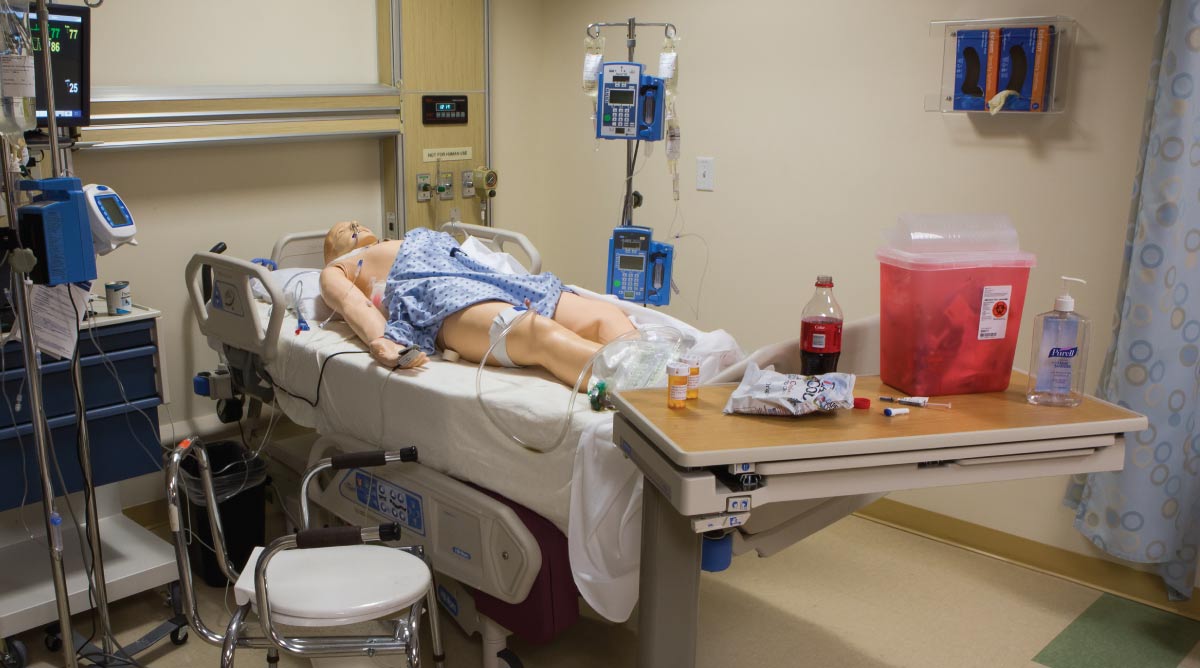
300
This is an image of Tamika's face. What do you see?
Early cyanosis- lack of oxygen can lead skin to have bluish tint
300
We increase Tamika's oxygen to 6L via nasal cannula and her oxygen level is still around 85%. What oxygen device should we escalate to?
Simple mask or Venturi Mask
300
What fall risk factors does she have at this time?
Oxygen tubing may trip patient
Age >65
SOB can lead to dizziness and falls or a respiratory emergency
she has not been eating or drinking well so she may be have reduced energy levels
400
Tamika reports feeling dizzy. What could be the cause of this underlying dizziness?
hypotension from dehydration
hypoxia can cause dizziness too
400
Tamika doesnt respond to you when you ask her if she is feeling any better with the additional supplemental oxygen. You begin to question if she is even breathing at all. What should you do?
Watch for chest rise and fall
Check for carotid pulse for 10 seconds
If she is not breathing call for help and begin compressions. When the second rescuer arrives they can use the ambu bag with her.
400
Tamika tells you she needs to use the bathroom. What safety concerns, if any, does this prompt?
If the patient ambulates to the bathroom, she may get more short of breath and it could lead to a respiratory emergency or a fall