Column 1
Column 2
DKPOFGS
Column 4
Column 5
Column 6
100
EVOLUTION that takes place as a RESULT of ORGANISMS having to ADAPT to SIMILAR ENVIRONMENTS, even though the organisms have NO COMMON ANCESTOR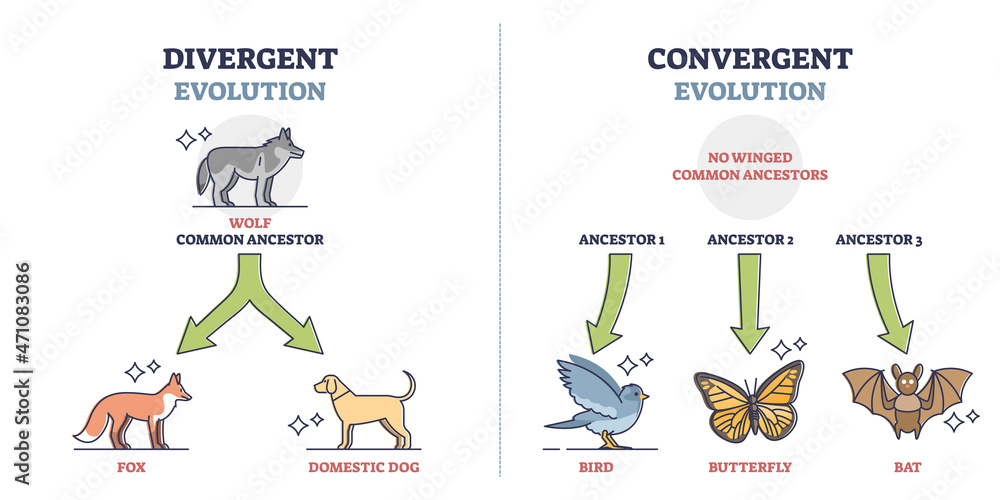
Convergent evolution
100
objective analysis of evolutionary relationships 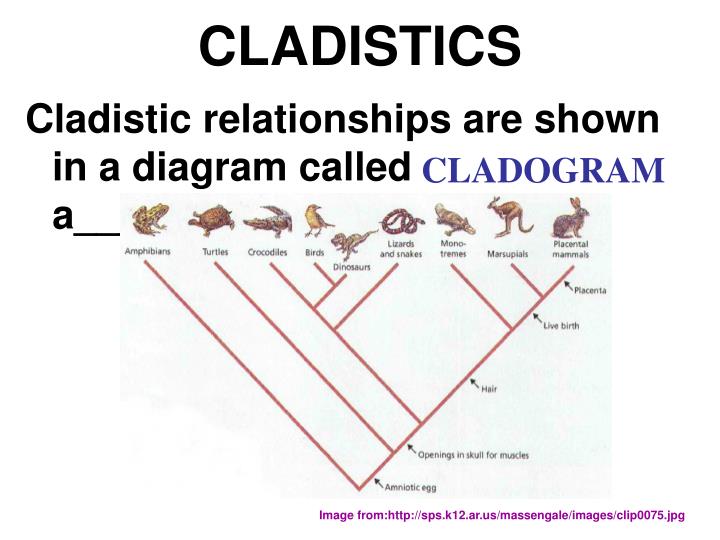
Cladistics
100
the most inclusive level of classification
Domain
100
The POPULATION of ORGANISMS that CAN INTERBREED and CAN'T INTERBREED with OTHER GROUPS of organisms

biological species
100
Percentage(%) of species on this planet that scientists believe have already been discovered
5-10%
100
level of classification that contains several phylum (between domain and phylum)
Kingdom
200
SIMILAR CHARACTERISTICS that organisms have, even though they DON'T HAVE a COMMON ANCESTOR
Analogous character
200
In LATIN; GENUS is the FIRST WORD and is CAPITALIZED; SPECIES is the SECOND WORD and is LOWERCASE
Rules for scientific name
200
level of classification that contains several families (between class and family)
Order
200
individuals of different species interbreed and produce offspring 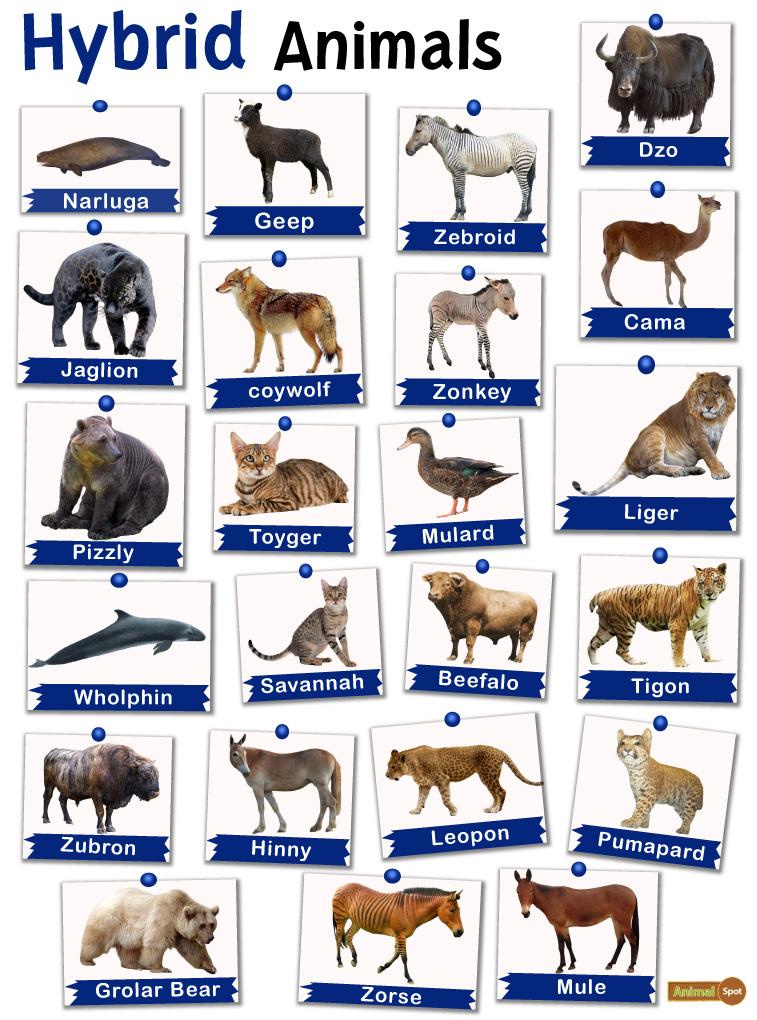
Hybrid
200
type of REPRODUCTION by which OFFSPRING ARISE from a SINGLE ORGANISM, and INHERIT the GENES of THAT PARENT ONLY 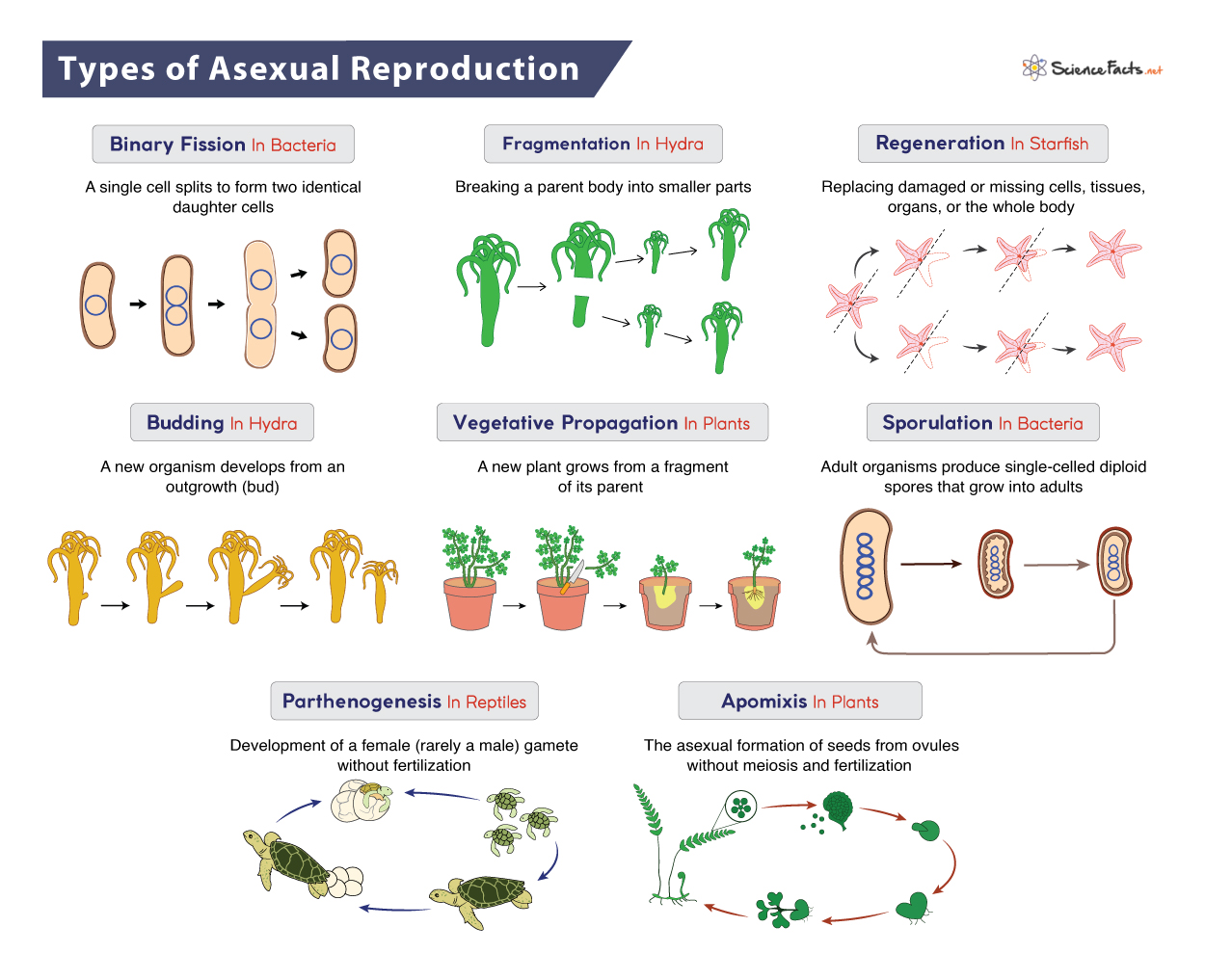
Asexual reproduction
200
the most exclusive level of classification; there are several of these in each genus
Species
300
SIMILARITIES that ARISE through CONVERGENT EVOLUTION. These similarities are derived from independent sources.
Analogous characters
300
two-part name (binomial nomenclature) to name a species 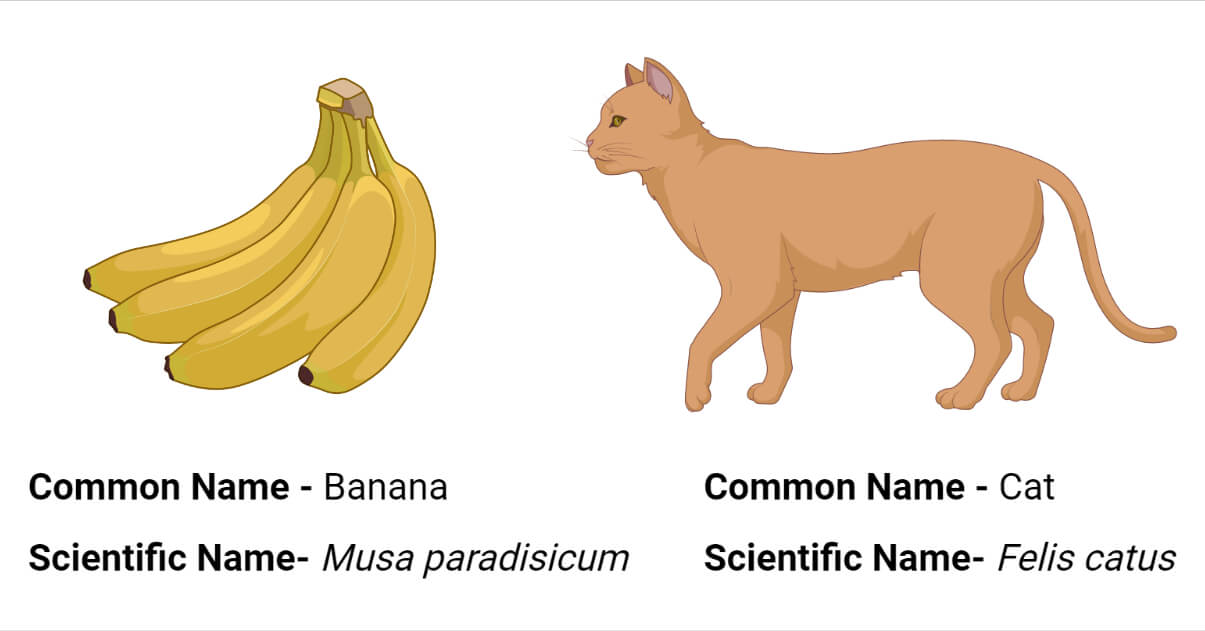
Scientific name
300
level of classification that contains several genus (between order and genus)
Family
300
Name for the study of classifying and naming organisms 
Taxonomy
300
evolutionary history of an organism 
Phylogeny
300
level of classification that contains several orders (between phylum and order)
Class
400
SIMILAR CHARACTERISTICS that organisms have BECAUSE they have a COMMON ANCESTOR
Ancestral character
400
method whereby an ORGANISM is given a TWO PART LATIN NAME 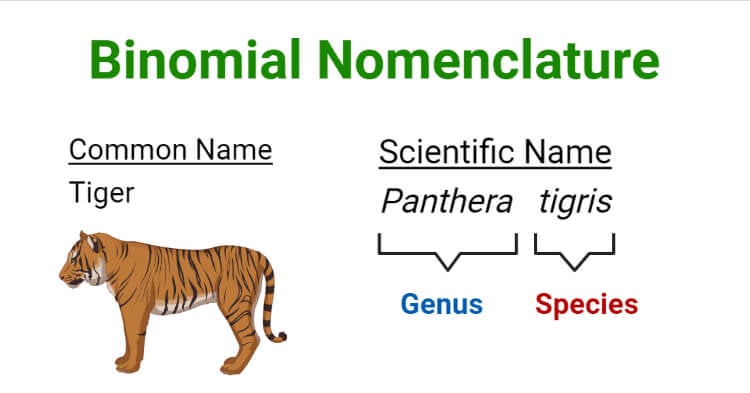
Binomial nomenclature
400
level of classification that contains several classes (between kingdom and class)
Phylum
400
Organisms are classified based on their __________________.
Form & structure
400
a branching diagram to show evolutionary relationships in evolutionary systematics 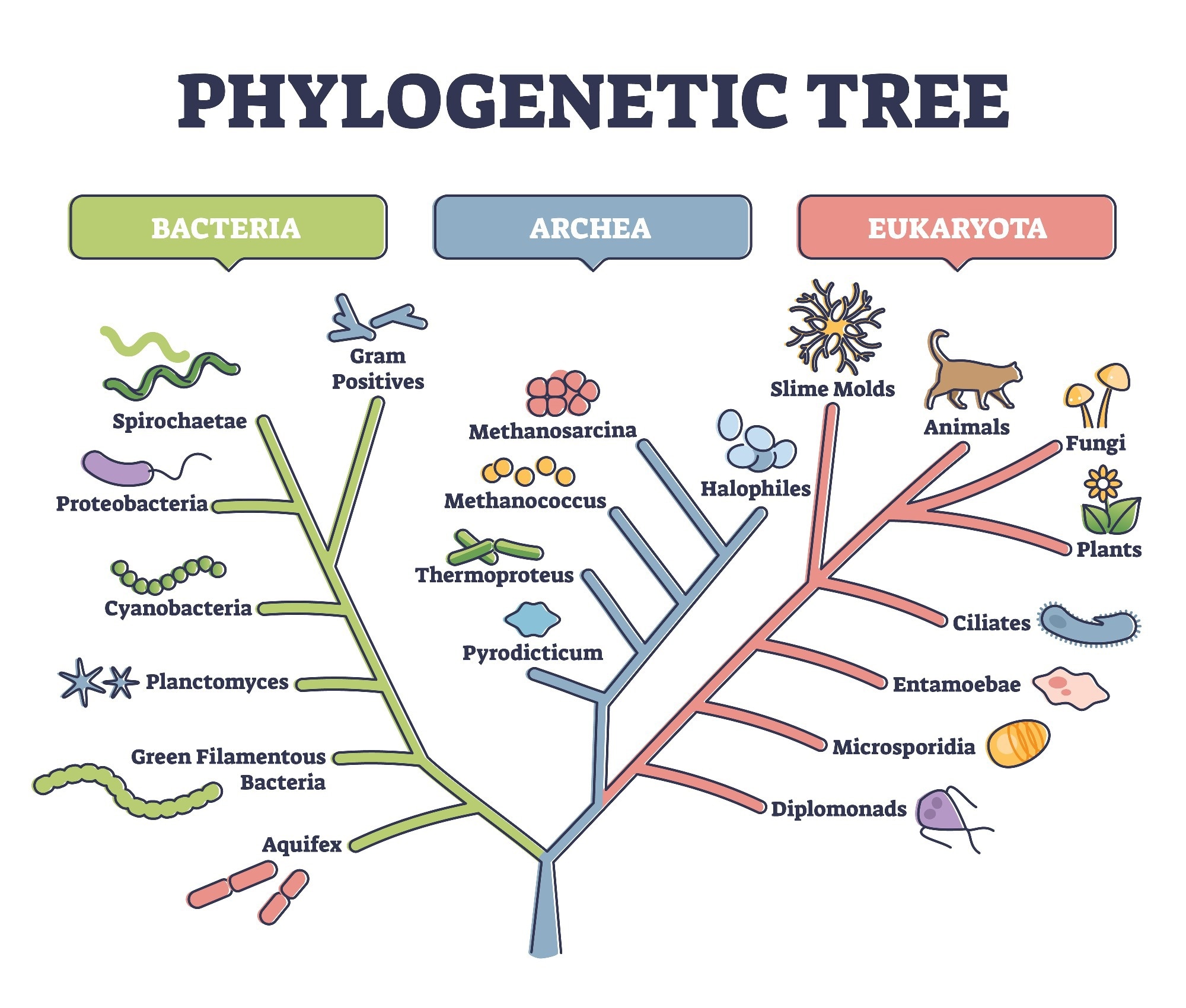
Phylogenic tree
500
EVOLVED in an ANCESTOR of ONE GROUP but NOT of THE OTHER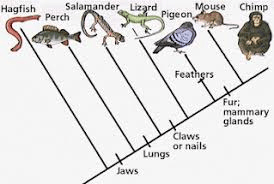
Derived character
500
When a NEW ORGANISM is DISCOVERED, this is WHO AGREES ON a NAME for the newly discovered organism
International Commission of Scientists
500
level of classification that contains several species (between family and species)
Genus
500
BRACHING DIAGRAM which SHOWS EVOLUTIONARY RELATIONSHIPS AMONG groups of ORGANISMS (cladistics)
Cladogram
500
subjective analysis of evolutionary relationships
evolutionary systematics