column 1
column 2
column 3
column 4
column 5
column 6
100
a short, thick structure that allows a bacterium to attach to another bacterium
:max_bytes(150000):strip_icc()/bacteria_cell_drawing-5786db0a5f9b5831b54f017c.jpg)
pili
100
Tuberculosis; dental cavities; strep throat; acne; anthrax; bubonic plague; etc.
bacterial diseases
100
Viral DNA that is inserted into the chromosome of the cell that has been attacked by a virus during the lysogenic cycle
provirus
100
a protein coat that surrounds the nucleic acid core in a virus

capsid
100
Viral replication that results in the killing of the cell that the virus attacks
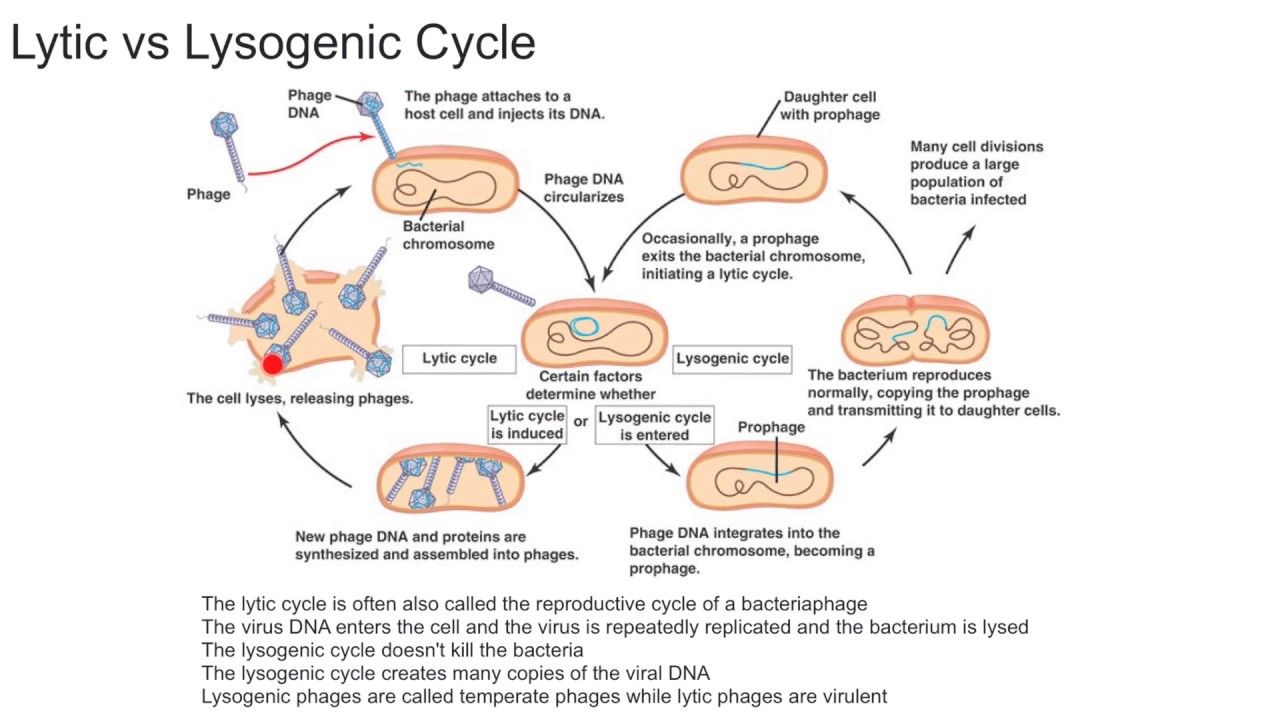
lytic cycle
100
Bacteria are prokaryotes; eukaryote cells are larger; bacteria are single cells; bacterial cells circular; bacteria reproduce by binary fission
bacteria different eukaryotes
200
Thick-wall around bacterial chromosomes that protect them from harsh conditions

endospore
200
Photosynthetic bacteria; chemoautotrophs; heterotrophic bacteria
ways to get energy
200
Protective gel-like layer outside the cell wall and membrane that helps protect bacteria from the immune system
capsule
200
Process in which two organisms exchange genetic material

conjugation
200
Describes a process that requires oxygen
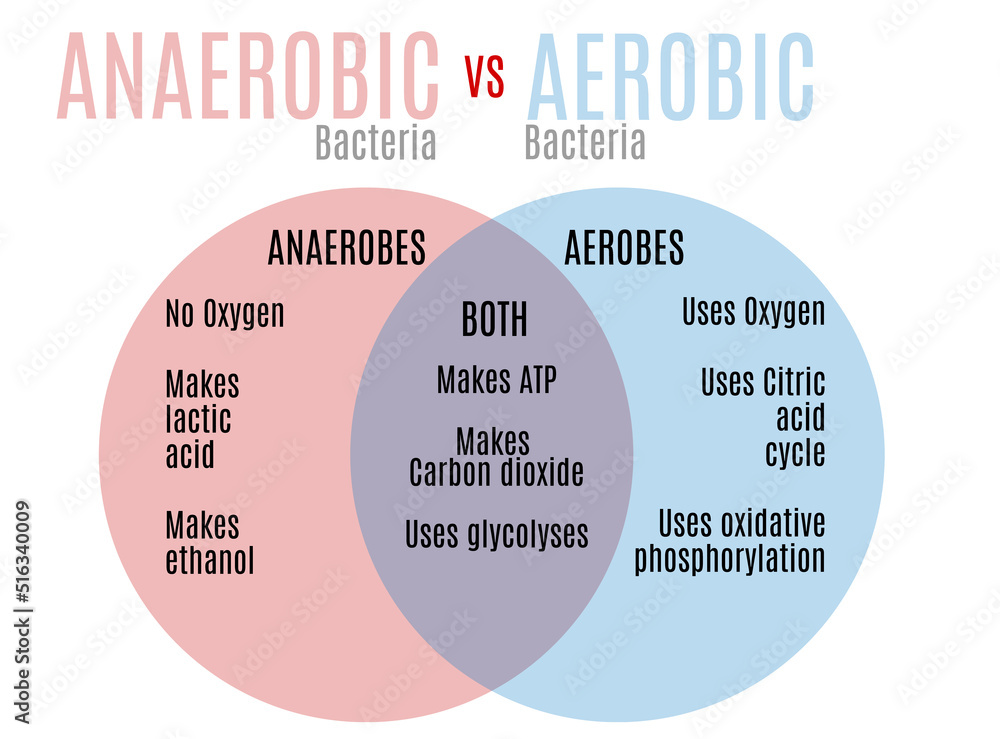
aerobic
200
Process food; make medicines; mining; clean up oil spills
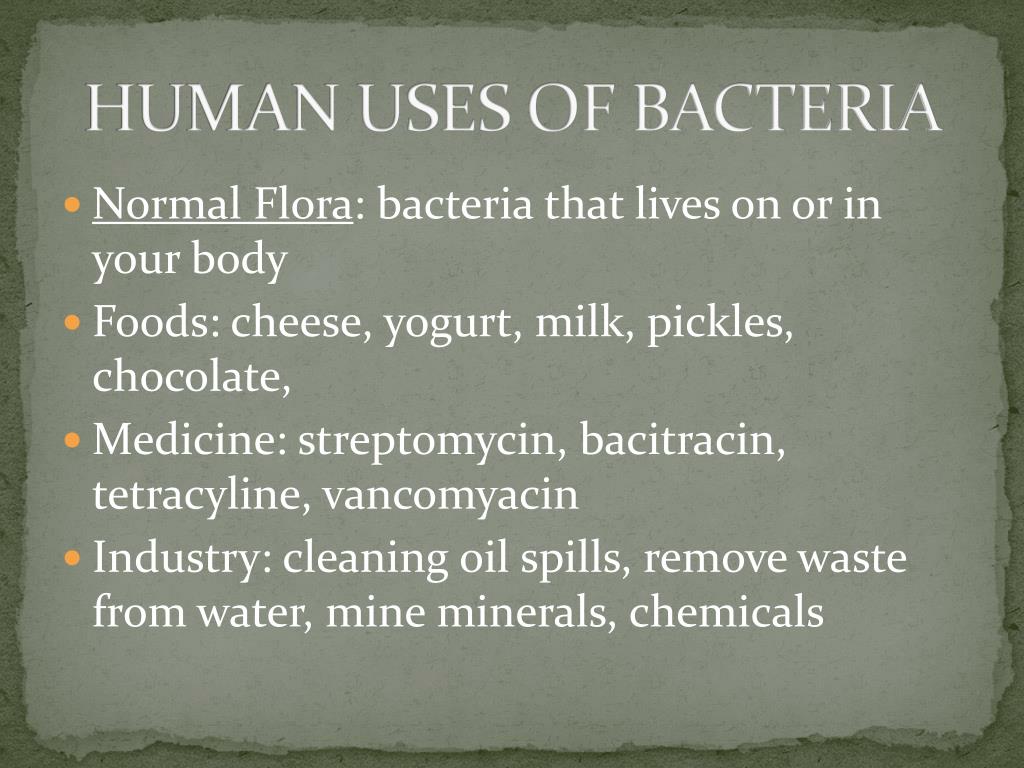
uses of bacteria
300
a protein to which carbohydrate molecules are attached
glycoprotein
300
Viral replication is when a virus's DNA is copied as a provirus without destroying the cell
lysogenic cycle
300
Chemical that interfere with life processes in bacteria

antibiotic
300
a membrane like layer that covers the protein coat (capsid) of some viruses
envelope
300
Small pox; chicken pox; hepatitis; influenza; polio; common cold; mumps; etc.
viral diseases
300
______________ are the principal decomposers (break down the cells of dead organisms) of the living world
heterotrophic bacteria
400
Cells that do not have a nucleus
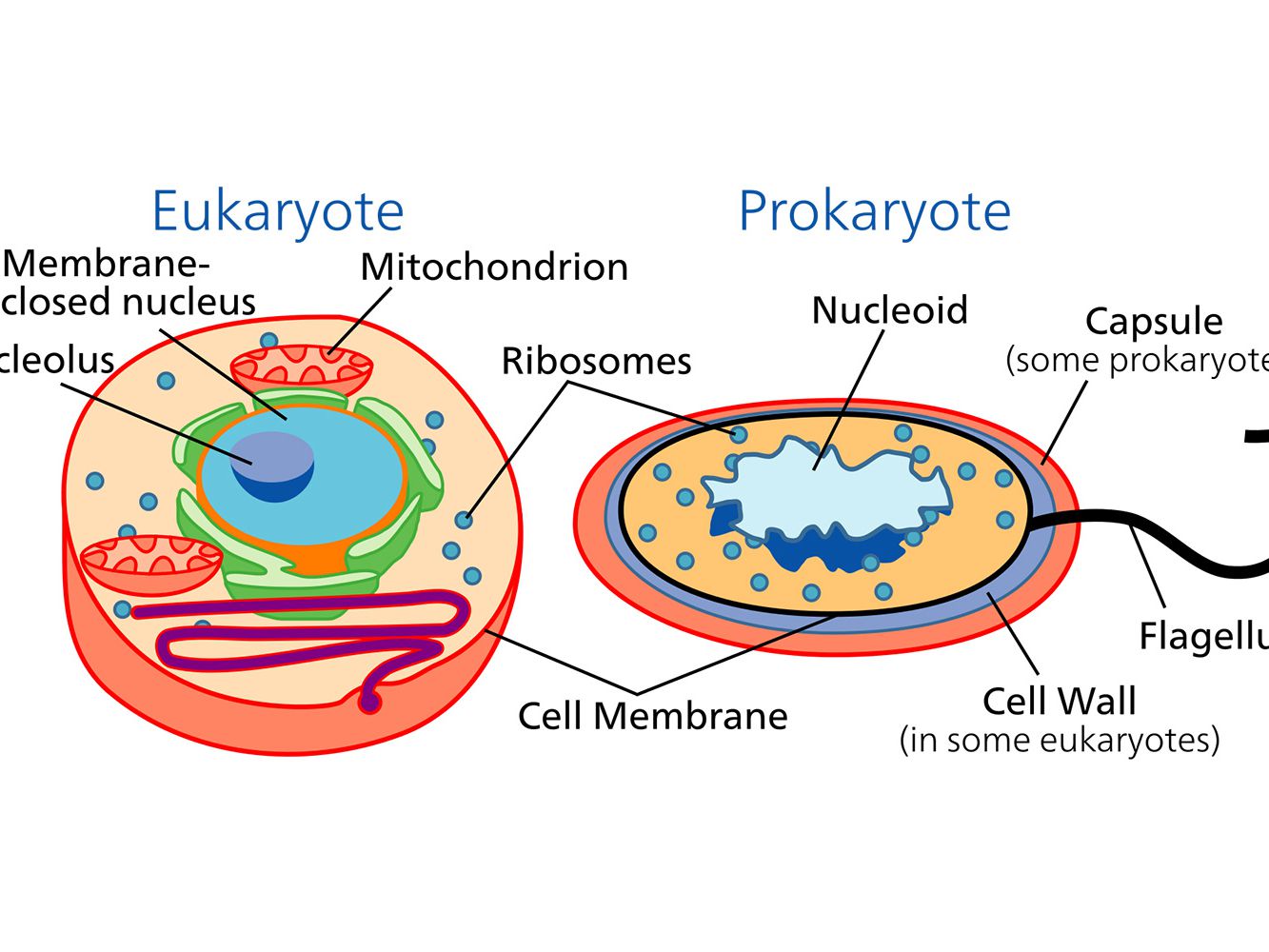
prokaryotic
400
A virus, microorganism, or other substance that causes disease
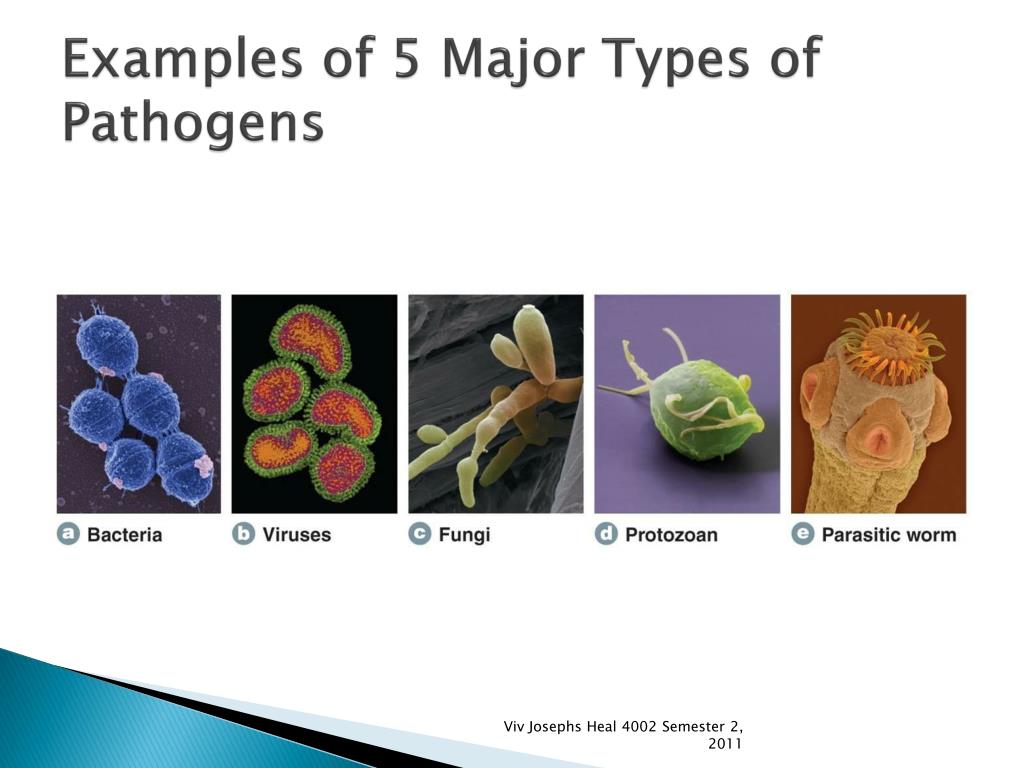
pathogen
400
a nonliving particle made up of a nucleic acid and a protein coat; it can infect and destroy a cell

virus
400
Cells that have a nucleus
eukaryotic
400
a bacterium that is shaped like a spiral
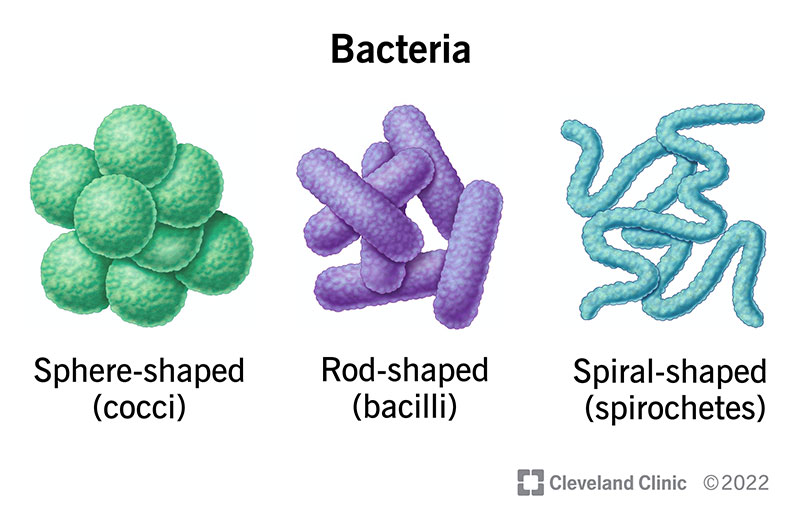
spirillum
400
Describes a process that does not require oxygen
anaerobic
500
Acquired immune deficiency syndrome
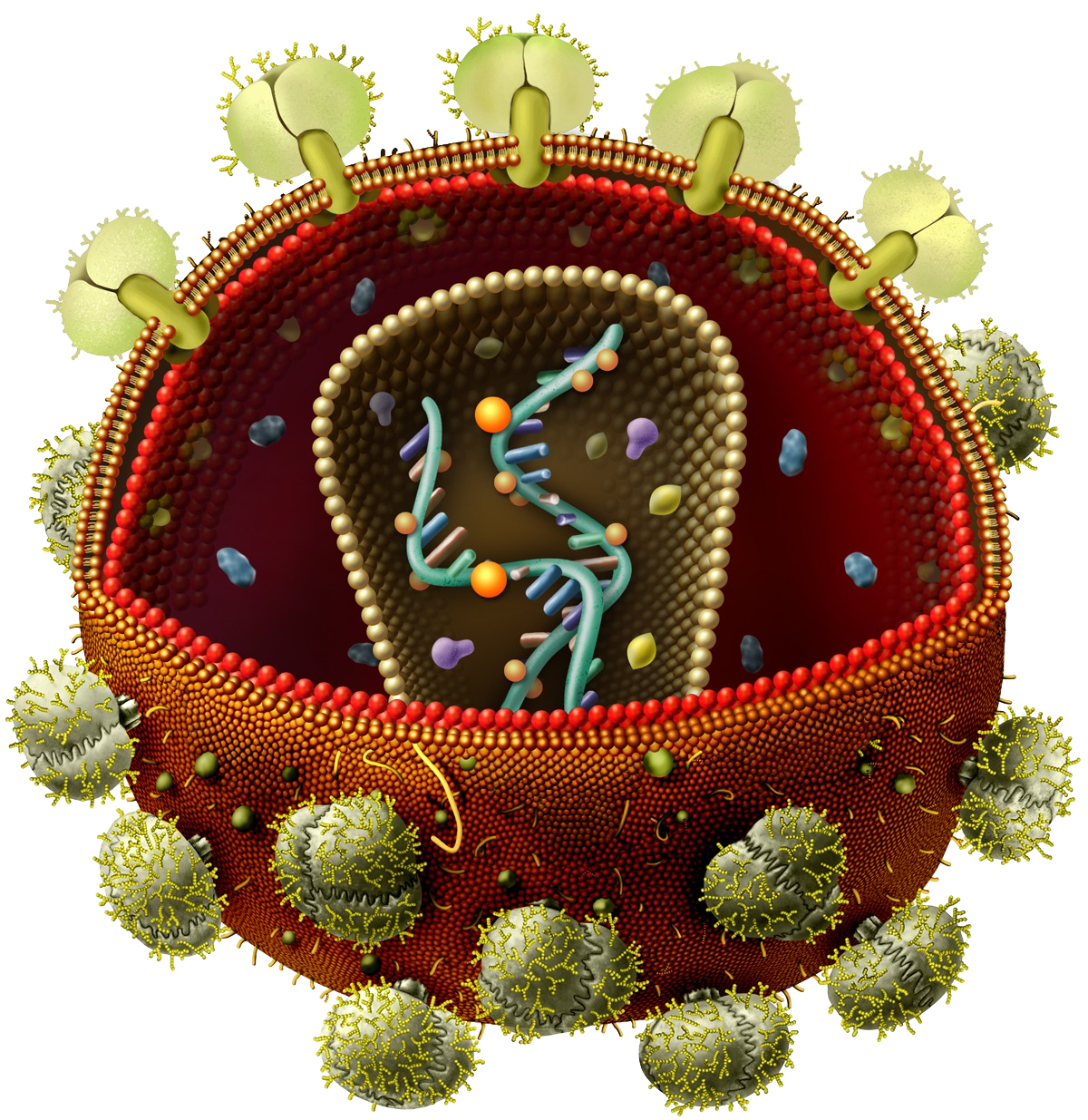
AIDS
500
When bacteria aren’t killed by antibiotics because of a mutation that allows to survive

antibiotic resistance
500
a virus that infects bacteria
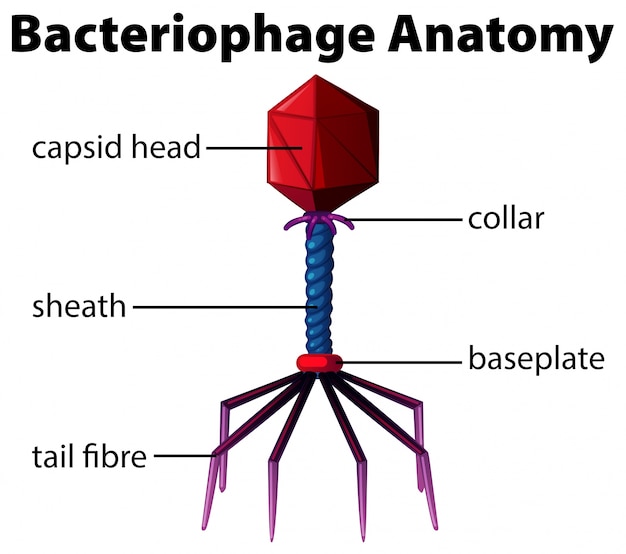
bacteriophage
500
Do not metabolize; do not reproduce; no homeostasis
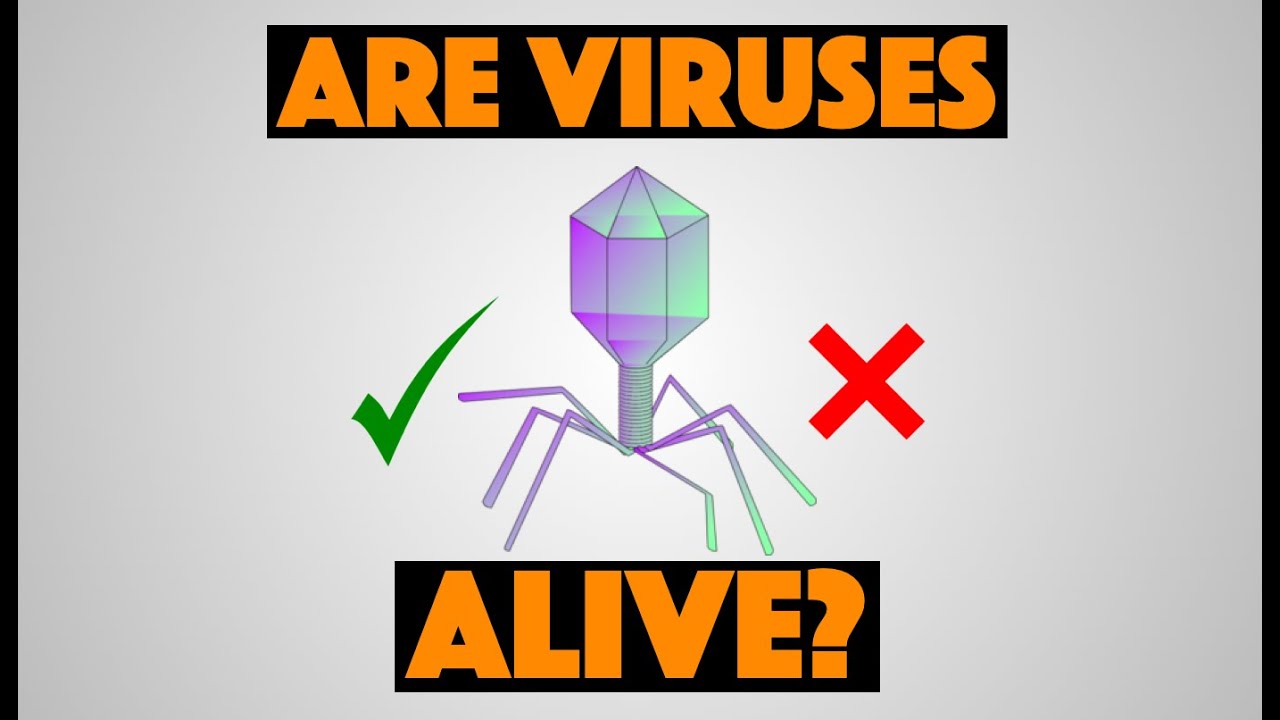
viruses not alive
500
Deliberate exposure of people to biological toxins or pathogens
biowarfare
500
a bacterium that is shaped like a rod
bacillus