Administrative
Anatomy & Physiology
Cardiovascular & ECG
Infection Control
Clinical Skills
100
A provider is running behind, so two patients are scheduled at the same time.
What type of scheduling is this, why is it used, and what could happen if it is used too often?
Double booking. It is used to save time and keep the schedule moving. If used too often, it can cause long wait times and upset patients.
100
A provider taps on a patient’s chest and then listens with a stethoscope.
What are these two techniques and why are both important?
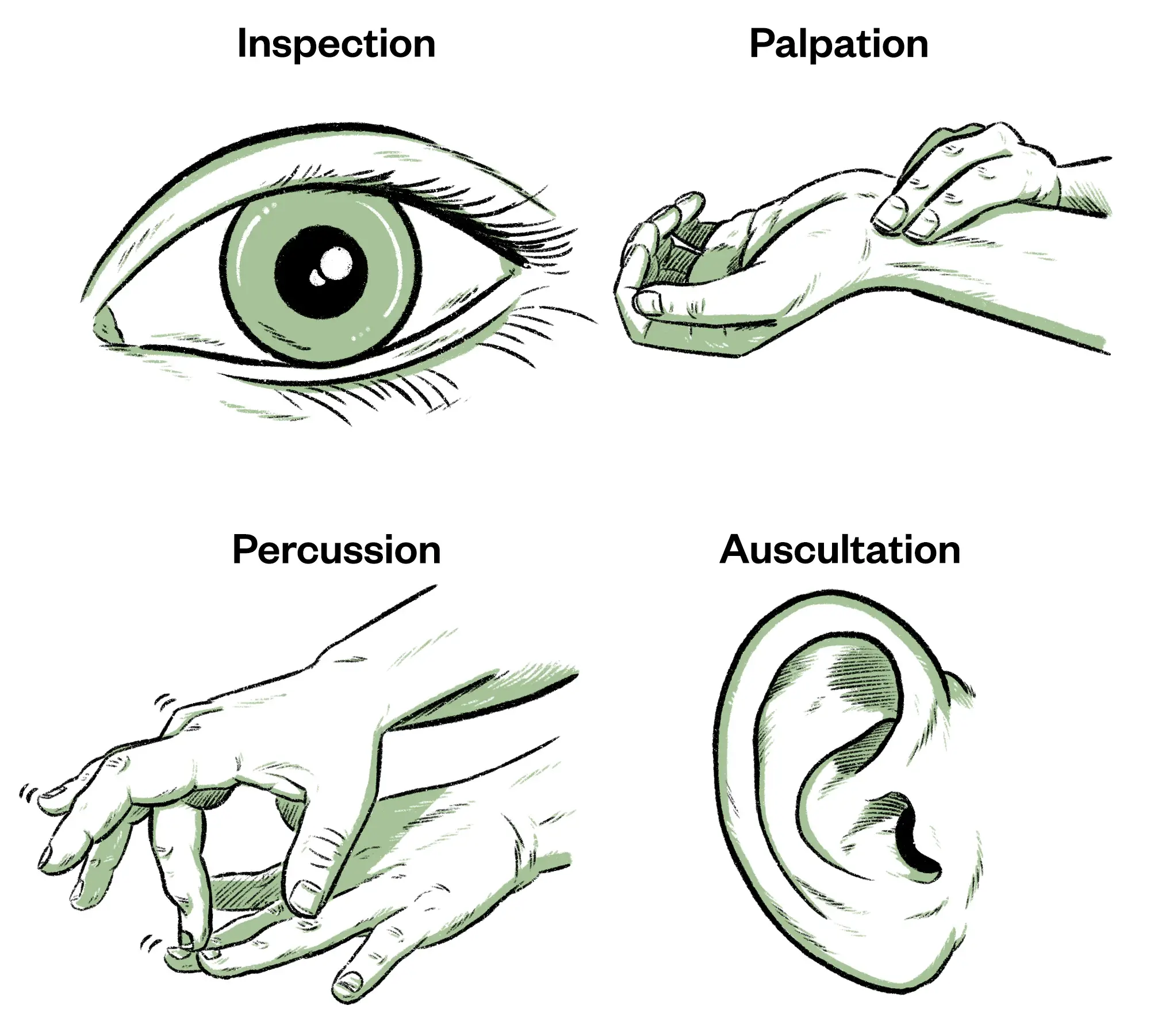
Percussion and auscultation. Percussion checks underlying structures, and auscultation listens to internal sounds. Using both helps get a complete assessment.
100
You cannot feel a pulse at the wrist on an unresponsive patient.
What should you check next and why is it important to act quickly?
Check the carotid pulse because it is stronger and easier to find in emergencies. Acting quickly is important to avoid delaying life-saving care.
100
A medical assistant wears gloves but skips hand hygiene.
Why is this incorrect, what is the risk, AND what could happen in a clinic setting?
Gloves don’t replace handwashing. Risk of contamination. Can spread infection between patients.
100
Vital signs are placed in the wrong section of a chart.
Identify the correct section, why, AND what happens if misplaced.
Objective section. They are measurable data. Misplacement leads to confusion and poor clinical decisions.
200
A patient is upset about the wait time and starts raising their voice at the front desk.
How should the medical assistant respond and why is this important?
The medical assistant should acknowledge the patient’s concern and remain calm. This helps de-escalate the situation and maintain professionalism.
200
A patient has delayed reflexes and poor response to stimuli.
Which body system is affected and what does it control?
The nervous system. It controls how the body responds to stimuli and coordinates actions like reflexes and movement.
200
A pulse is irregular, but it is only counted for a short time.
What was done wrong and what should have been done instead?
The pulse was not counted for a full minute. It should be counted for 60 seconds to accurately assess irregular rhythms.
200
A surface is cleaned using a bleach solution.
What type of infection control is this and what does it kill?
Disinfection. It kills many microorganisms but does not kill spores.
200
A tourniquet is left on for 3 minutes and a half .
What is the error, why is it harmful, AND what lab issue can result?
Exceeds time limit. Causes hemoconcentration. Leads to inaccurate lab values.
300
A new patient wants to be seen but does not give their insurance information.
Why is this information important and what could happen if it is not collected?
DAILY DOUBLE!!!!!!!!!!!!!!!!
Insurance information is needed to verify coverage and ensure payment. If not collected, the clinic may not get reimbursed and could lose money.
300
A patient mentions a past serious illness unrelated to today’s visit.
Where should it be documented, why is it still relevant, AND what risk occurs if ignored?
Medical history. It influences care decisions. Ignoring it can lead to unsafe treatment or missed complications.
300
An ECG shows abnormal baseline activity not related to heart function.
Identify the issue, explain the cause, AND what happens if not corrected.
Artifact. Caused by movement, poor contact, or interference. If not corrected, it may lead to misdiagnosis.
300
A clinic has recurring infections despite cleaning.
What process is likely missing, why is it needed, AND what happens if not implemented?
Sterilization. Eliminates all microorganisms. Without it, infection risk persists.
300
A patient with a history of fainting is seated for a blood draw.
Identify the mistake, explain the correct approach
Should be supine. Prevents syncope injury. Worst-case: fall, injury, or loss of consciousness.
400
A staff member deposits payments but does not record them in the system.
What is the mistake and why is it important to record payments?
The mistake is not documenting payments. It’s important because it ensures accurate financial records and prevents discrepancies.
400
An adult patient has unusual bone growth and enlarged features.
What is the condition, what causes it, and what can happen if it is not treated?
Excess growth hormone → acromegaly.
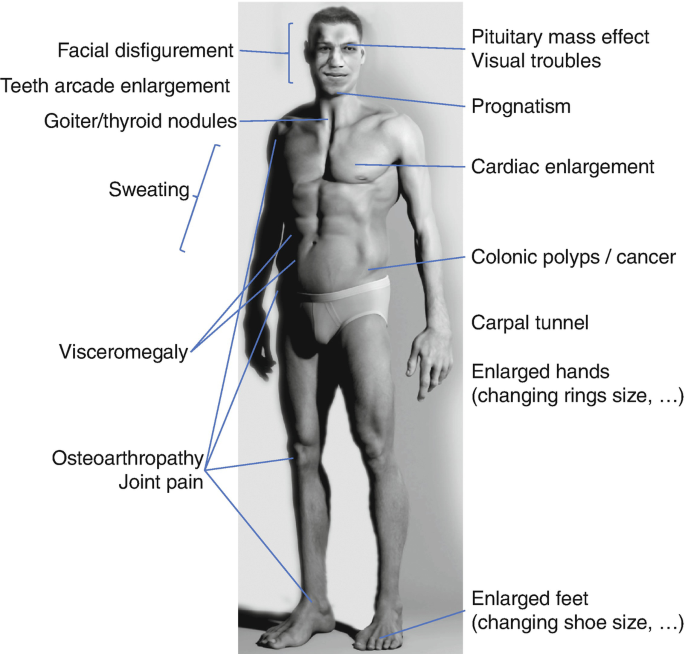 Acromegaly. It is caused by too much growth hormone. If untreated, it can lead to organ enlargement and serious health problems like heart disease.
400
A patient refuses to remove jewelry before an ECG.
Explain why removal is necessary, what interference occurs, AND the potential clinical consequence.
DAILY DOUBLE!!!!!!!!!
Metal interferes with electrical signals. Causes distorted readings. Could lead to inaccurate diagnosis or missed cardiac issues.
400
A healthcare worker removes PPE incorrectly.
Identify the risk, explain why order matters, AND what could happen.
Self-contamination. Order prevents exposure. Incorrect removal spreads pathogens.
400
A specimen is labeled after leaving the patient’s side.
Identify the error, why it is unsafe?
Delayed labeling. Risk of misidentification. This can lead to wrong diagnosis or treatment.
500
Two patients with similar names are nearly given the wrong chart.
Identify the safety failure, explain the correct protocol, AND what is the worst-case outcome?
Failure to use two identifiers. Proper protocol is verifying full name and DOB. Worst-case outcome: wrong diagnosis, treatment error, or legal action.
500
A patient’s immune system cannot effectively filter blood pathogens.
Identify the organ involved, its function, AND what happens if it fails.
Spleen.
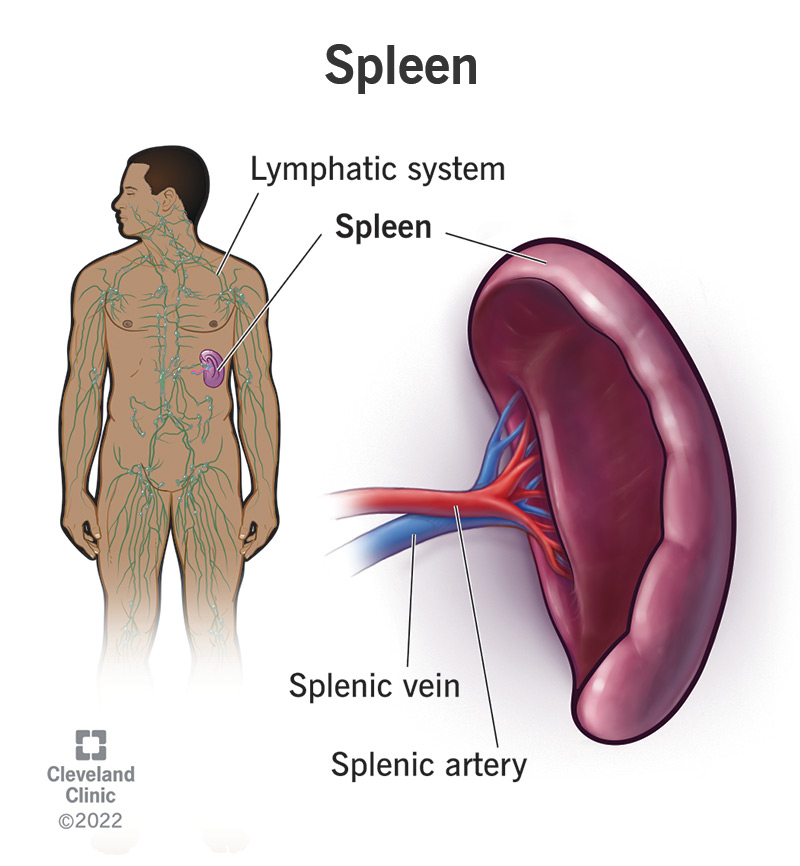
Filters blood and supports immunity. Failure increases infection risk and reduces immune response.
500
What is another name for the pacemaker of the heart?
Sinoatrial (SA) node
500
A medical assistant throws gloves with visible blood into a regular trash can.
What should have been done instead and why?
They should be placed in a biohazard bag because they are contaminated with blood and can spread infection if disposed of improperly.
500
Lab results do not match the patient’s condition.
Identify the most dangerous error, why it occurs, AND the clinical consequence.
Patient misidentification. Occurs during collection/labeling. Leads to incorrect diagnosis and treatment.