Master Gland Mayhem
Lipid Happens
Ova & Out
Bona-fide Endocrinology
Endocrine Hall of Fame
200
Postpartum hemorrhage
Failure to lactate
Amenorrhea
Fatigue
Sheehan's syndrome
200
This grayish ring around the cornea is a tip-off to hyperlipidemia if noted in a young patient.
Corneal arcus
200
A marathon runner develops amenorrhea after significant weight loss and intense training. Pregnancy test negative.
Estradiol low, gonatropins inappropriately normal.
Functional Hypothalamic Amenorrhea
200
Missing this 6 monthly injection can trigger rebound osteoclastogenesis.
Denosumab (Prolia)
200
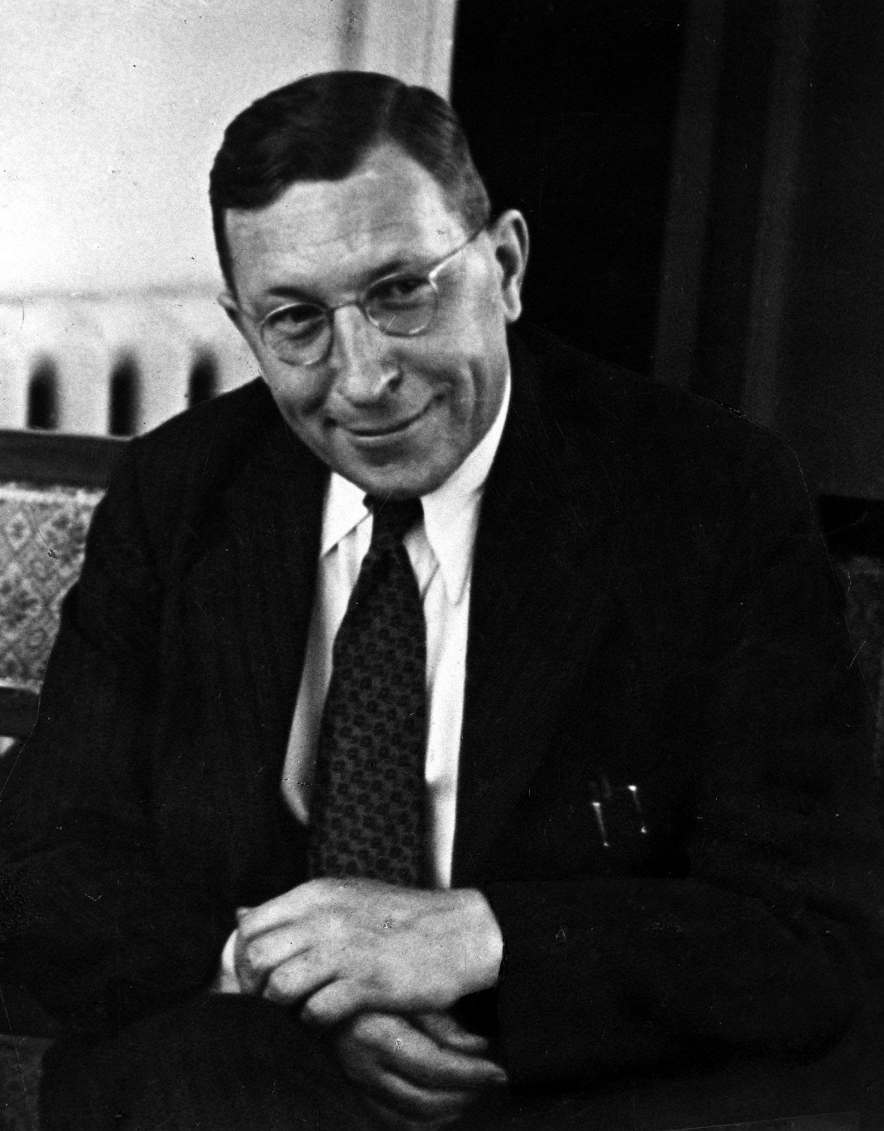 This Canadian physician worked with Charles Best in Toronto and shared the 1923 Nobel Prize with John Macleod for the discovery of insulin
Frederick Banting
400
Pituitary macroadenoma
Sudden onset severe headaches diplopia, visual impairment and hypotension
Pituitary apoplexy
400
This oral ATP citrate lyase inhibitor demonstrated cardiovascular benefit in statin intolerant patients.
Bempedoic Acid
400
This autosomal recessive disorder can masquerade as PCOS with hirsutism and irregular menses.
Elevated early morning follicular phase 17 OH Progesterone raises suspicion for this condition.
Non classic congenital adrenal hyperplasia.
400
This monoclonal antibody blocks sclerotin, increasing bone formation while decreasing bone resorption.
Romosuzumab (Evenity)
400
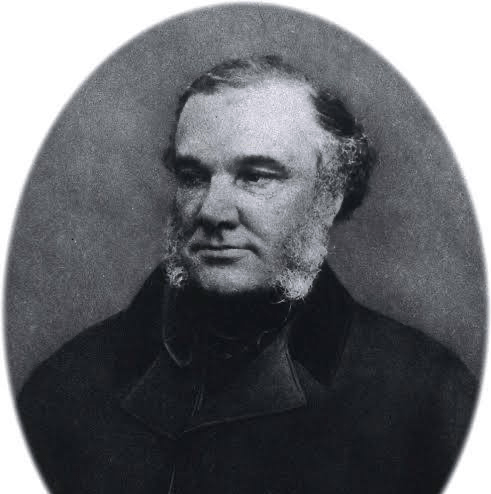 1885 - this British physician described. a syndrome of weakness, weight loss and skin pigmentation associated with disease of the adrenal glands
Thomas Addison
600
25 year old female 4 cm pituitary macroadenoma
Amenorrhea
Galactorrhea
Prolactin 65 ng/mL
Serial dilution confirms prolactin > 4000 ng/mL
Name the phenomenon that causes the lab discrepancy.
High dose hook effect
600
Childhood onset sever hypertriglyceridemia
Recurrent pancreatitis
Eruptive xanthomas
Lipemia retinalis
Familial chylomicronemia syndrome
600
Postmenopausal female develops progressive hirsutism, androgenic pattern hair loss, voice deepening and marked testosterone elevation.
Imaging of adrenal glands are normal and no Cushing signs on examination.
Ovarian Hyperthecosis
600
Recurrent metatarsal stress fractures
Premature tooth loss
Persistently low Alkaline phosphatase
Elevated pyridoxal-5'-phosphate
Hypophosphatasia
600
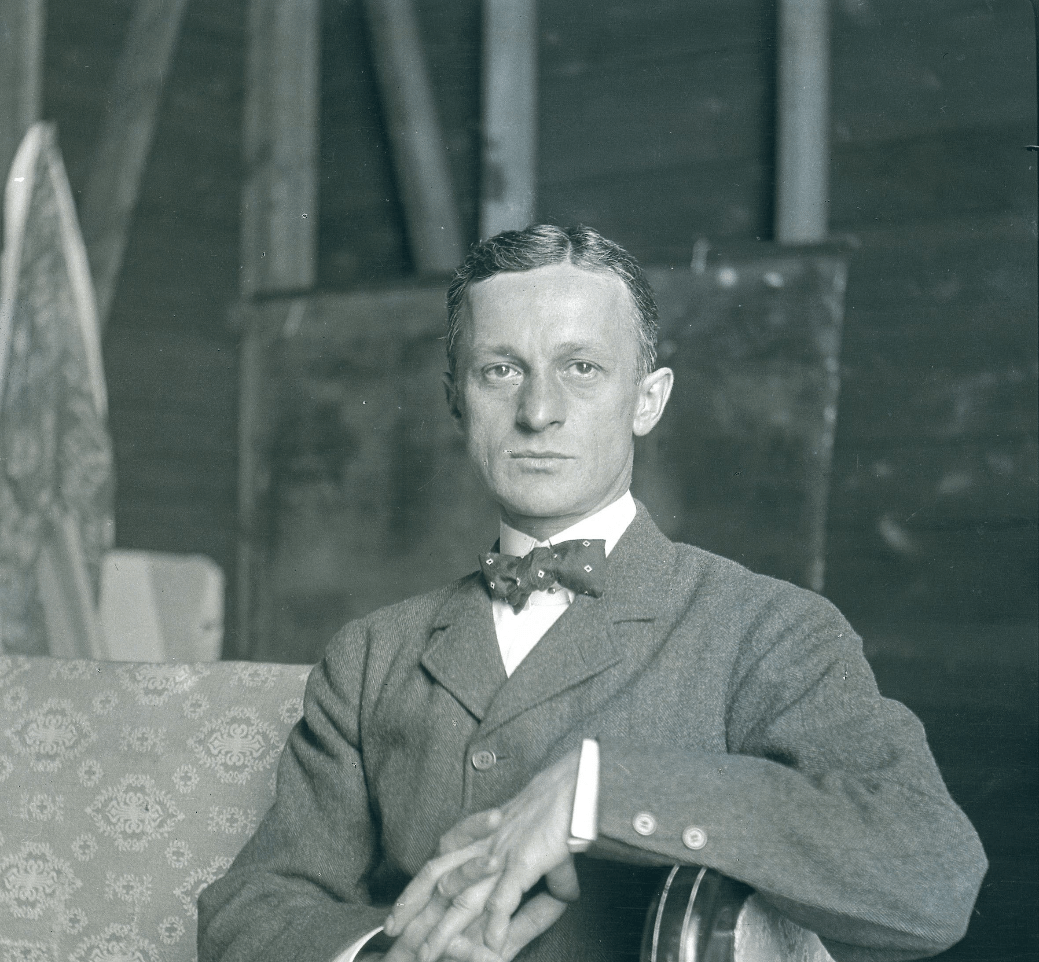 This pioneering neurosurgeon's 1932 report linked basophilic pituitary adenomas to the clinical syndrome of cortisol excess that now bears his name.
Harvey Cushing
800
Mutation in this gene causes 15-25% of Familial isolated pituitary adenomas.
Most commonly cause GH secreting tumors
AIP (aryl hydrocarbon receptor-interacting protein) gene
800
Landmark 1994 trial that first proved Simvastatin decreased cardiovascular mortality in patients with cardiovascular disease - nicknamed 4S
Scandinavian Simvastatin Survival Study (4S)
800
Under the 2023 international PCOS guideline, this serum marker may substitute ultrasound when defining polycystic ovarian morphology in adults, but not diagnose PCOS by itself.
Anti-Mullerian hormone (AMH)
800
Romosuzumab followed by alendronate outperformed alendronate alone in this trial.
Imbalance in CV events raised concerns.
ARCH trial
800
 This University of Michigan endocrinologist's landmark 1955 publication described a new clinical syndrome after evaluation a woman with hypertension, hypokalemia and episodic muscle weakness
Jerome Conn
1000
This mutation is the most frequent known driver for Cushing disease (corticotrophin tumor)
USP 8 (ubiquitin-specific peptidase 8)
1000
This lipid-lowering drug silences hepatic PCSK9 production using small interfering RNA
Inclisiran
1000
This non hormonal hot-flash medication targets the neurokinin 3 receptor.
Fezolinetant (Veozah)
1000
A phosphaturic mesenchymal tumor causes fractures, renal phosphate wasting and tumor induced osteomalacia by secreting this hormone.
FGF23
1000
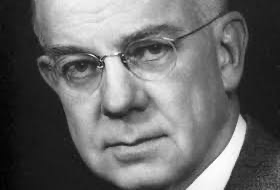 This Mayo Clinic biochemist isolated "compound E" later named cortisone, and shared the 1950 Nobel Prize with Philip Hench for discoveries concerning adrenal cortical hormones
Edward Kendall