Break-Even & Profitability
Budgeting & Forecasting
AI Forecasting
100
How would a change in sales mix—the relative proportion of different products sold—affect a company's break-even point?

A shift toward products with higher contribution margins generally lowers the break-even point, while a shift toward lower-margin products increases it.
100
What is the difference between a budget and a forecast, and when should each be used?
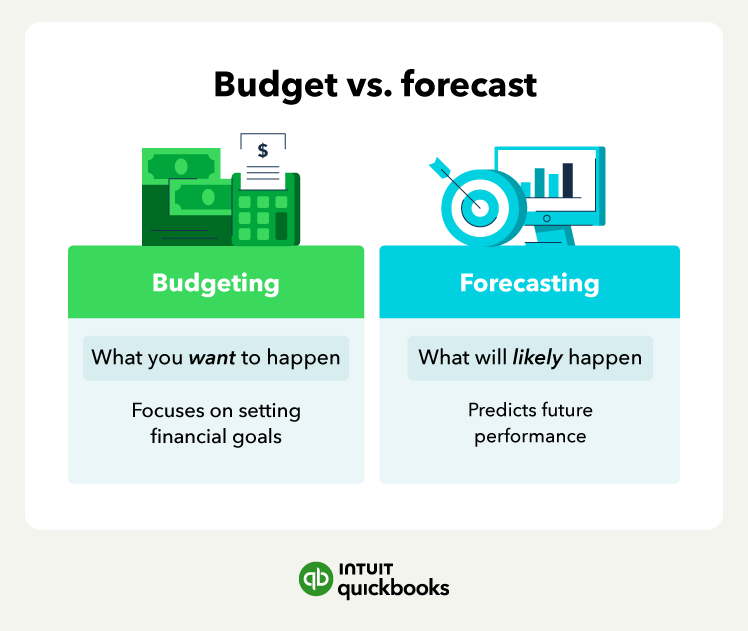
A budget is a financial plan or target for the future, while a forecast is an estimate of what is likely to happen based on current information. Budgets are used for planning and performance evaluation, while forecasts are updated as conditions change.
100
What advantages does AI-based forecasting offer over traditional statistical forecasting methods?
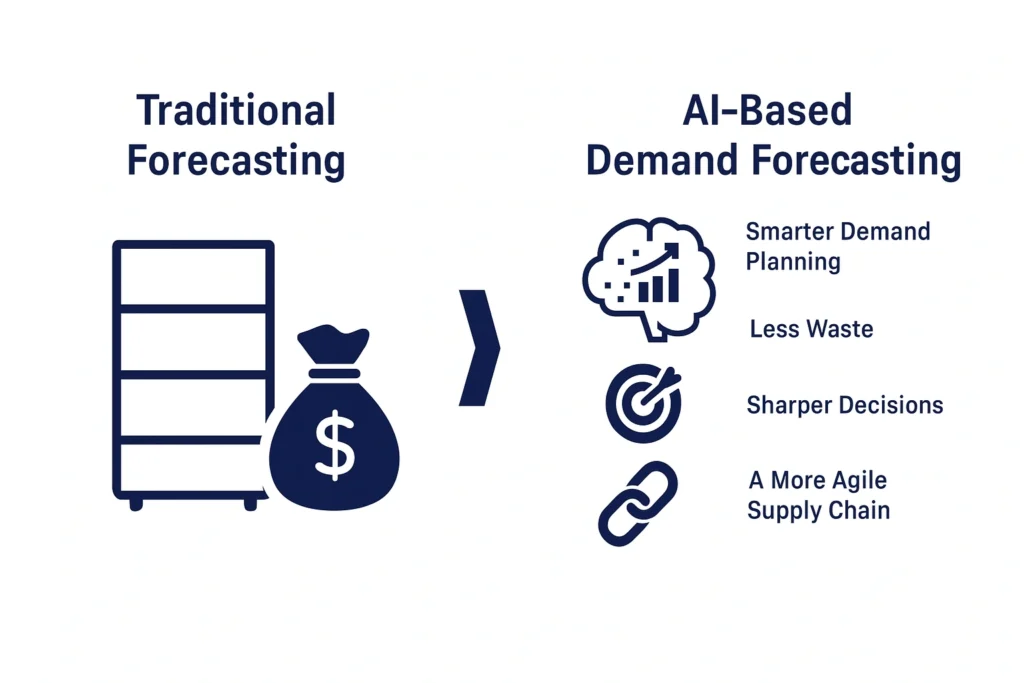
AI can analyze large amounts of data, identify complex patterns, use many variables, automate updates, and potentially improve forecasting accuracy.
200
What is operating leverage, and what are its implications for business risk and profitability?
:max_bytes(150000):strip_icc()/operatingleverage_sourcefile-edit-0b331034cca9406dafbc155d26458594.jpg)
Operating leverage measures how much a company's operating income changes when sales change due to its fixed costs. High operating leverage can increase profitability when sales rise but also increases business risk when sales decline.
200
What are the advantages and disadvantages of bottom-up versus top-down budgeting?
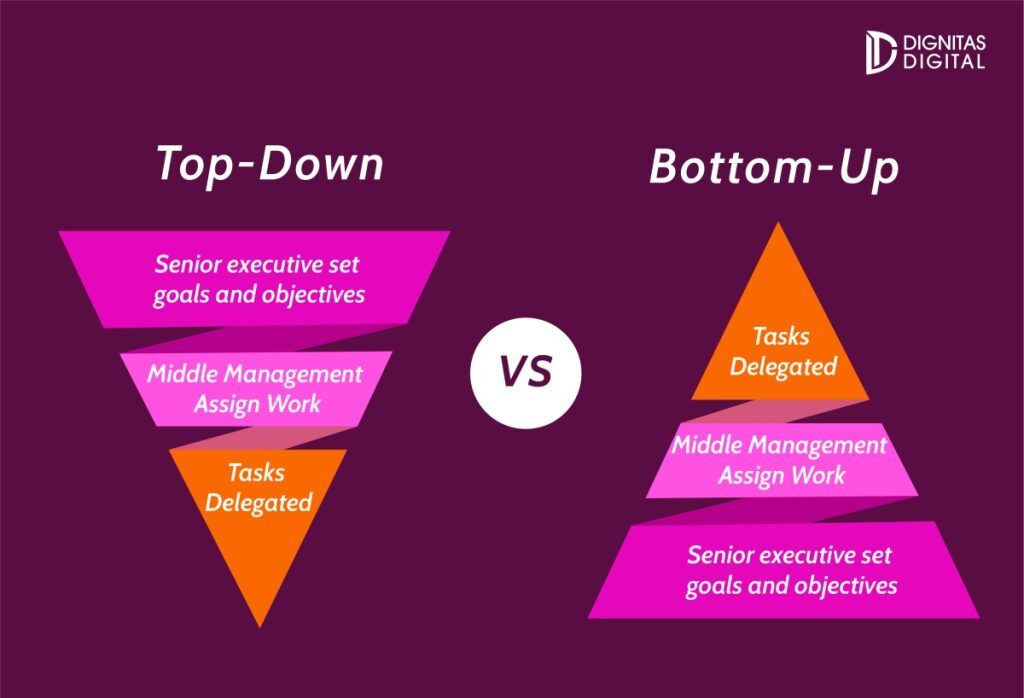
Bottom-up budgeting includes input from employees and departments, which can improve accuracy and participation but may take more time. Top-down budgeting is faster and aligns with management goals but may overlook operational realities and reduce employee involvement.
200
What risks should companies be aware of when implementing AI-based forecasting systems?

Risks include poor-quality or biased data, inaccurate predictions, lack of transparency, overfitting, cybersecurity and privacy concerns, and overreliance on AI-generated results.
300
Why might a company intentionally operate below its break-even point in certain scenarios?

A company may temporarily accept losses to enter a new market, launch a new product, gain market share, invest in growth, or survive a temporary downturn.
300
How does variance analysis help managers improve future forecasting accuracy?

Variance analysis compares actual results with budgeted or forecasted results. Managers can identify why differences occurred and use that information to improve future budgets and forecasts.
300
In what scenarios would traditional forecasting methods be more appropriate than AI-based approaches?

Traditional methods may be better when data is limited, historical patterns are stable, the problem is relatively simple, resources are limited, or managers need a highly interpretable model.