Know the Facts
Different Forms
True or False
Brain and Body
Healthy Alternatives
100
What does addiction mean?
When someone has difficulty stopping or controlling their substance use even when it's causing problems.
100
Name a way other than smoking that marijuana can be consumed?
Edible
100
Marijuana can affect your memory and ability to learn.
True
100
About how many people who use marijuana develop marijuana/cannabis use disorder?
3 in 20 or 3 in 10
3 in 10
100
You feel stressed and want to smoke to calm down. Name a healthy activity you could try instead.
Walking, listening to music, exercising, drawing, playing basketball, gaming, journaling, or talking to someone
200
What does Tolerance mean?
When the body gets used to a drug, so a person may need more to get the same effect.
200
Which usually take longer for someone to feel the effects of:Smoking marijuana or eating an edible?
Eating an edible
200
You cannot become addicted to marijuana.
FALSE.
Marijuana use can lead to addiction/cannabis use disorder.
200
Name TWO brain functions marijuana can affect.
Memory, attention, learning, decision-making, or coordination.
200
Name a types of foods that can help support steady energy and overall brain/body health
fruits/vegetables, whole grains, eggs, yogurt, nuts, beans, fish, or other protein-rich foods.
300
What is withdrawal, and name ONE symptom someone may experience?
Withdrawal is when someone experiences symptoms after reducing or stopping a substance their body has become used to.
One symptom could be irritability, anxiety, trouble sleeping, sweating, nausea, or cravings, depending on the substance.
300
Why might someone accidentally take too much of an edible?
Edibles can take longer to kick in, so someone may take more because they think it isn't working yet.
300
Marijuana always helps anxiety and makes people feel calm.
False
300
What age does the brain continue to develop until?
25 years old
300
someone says, “I smoke because I can't sleep.” Name two healthy things they could try to improve their sleep
Consistent bedtime, less screen time before bed, limiting caffeine later in the day, a relaxing bedtime routine, or regular daytime exercise.
400
What is an overdose, and name ONE possible sign of an overdose?
An overdose happens when a drug overwhelms the body and causes serious or life-threatening effects.
Signs can include not waking up, very slow or stopped breathing, vomiting, seizures, or unusual gurgling/snoring sounds.
400
Why can marijuana edibles be especially dangerous around young children?
They can look like regular candy, cookies, or other foods, so a child may eat them without knowing they contain marijuana.
400
This is a picture of a "cart".
False: That is a vape. Below is an example of a cart
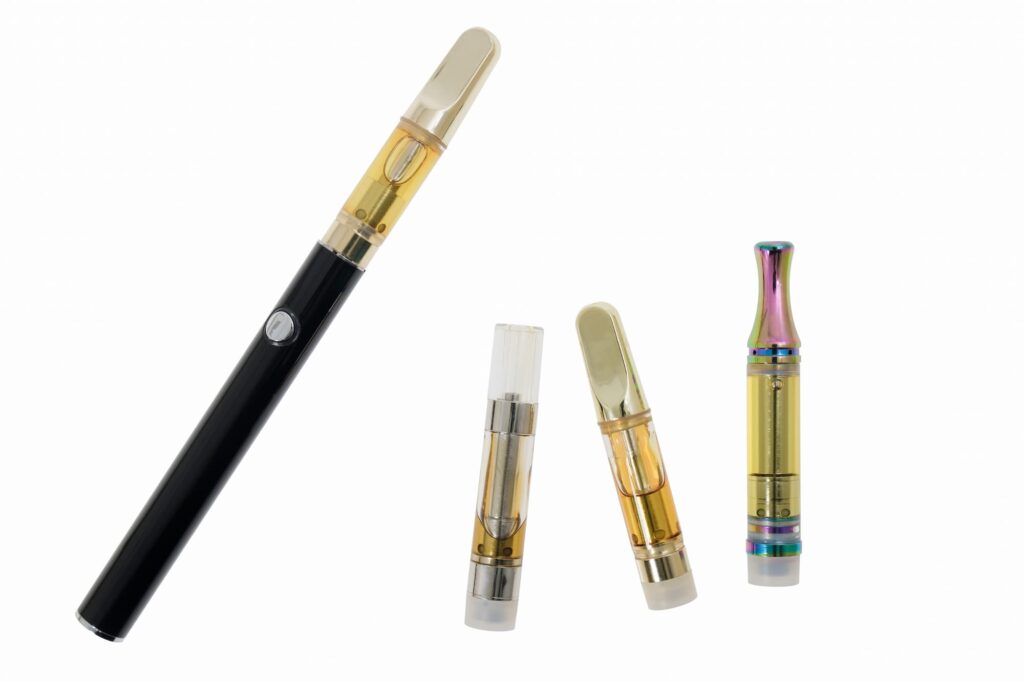
400
Marijuana can slow reaction time and affect coordination. Name ONE activity this can make especially dangerous.
Driving (riding a bike/scooter, operating equipment,)
400
Your friend says, “Marijuana is the only thing that calms me down when I'm overwhelmed.” Name THREE different healthy ways they could manage those feelings instead.
Deep breathing/grounding, exercise or movement, music/hobbies, taking a break, getting enough sleep, eating regularly, or talking to someone they trust.
500
What medication can quickly reverse an opioid overdose and potentially save someone's life?
BONUS +100 (How do you administer it)
Naloxone (Narcan)
Spray in nose
500
Someone gets a cart from a friend instead of a regulated source. Why could this be risky?
They may not know exactly what's in it or how strong it is, and an unregulated product may contain unexpected ingredients or contaminants.
500
If someone feels “fine” after using marijuana, that means their reaction time and driving ability are normal.
FALSE
500
Even though some people use marijuana to relax, what feeling can marijuana sometimes make worse?
Anxiety
500
Name THREE things that can sometimes make feelings of stress or anxiety worse, even if you don't realize it
Not getting enough sleep, skipping meals/not eating enough, too much caffeine or energy drinks, dehydration, or ongoing stress.