Mitosis
Meiosis
Name that stage!
Cell Division
Sexual vs Asexual
100
What is the fourth stage of mitosis called?
a. Telophase
b. Metaphase
c. Prophase
d. Anaphase
a. Telophase
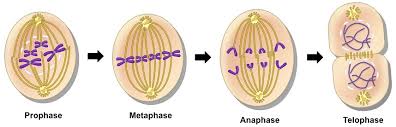
100
How many stages are there in meiosis II?
4 stages
100
cell grows, produces organelles, and engages in normal life activities
Interphase
100
Why do cells divide
Reproduction, Growth, Repair
100
Specialized cell that survive harsh conditions
Spore
200
What is the stage after mitosis called?
a. Interphase
b. Cytokinesis
c. S phase
d. Meiosis
b. Cytokinesis
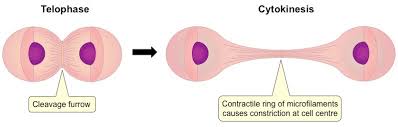
200
Meiosis is used for just one purpose in the human body the production of what?
gametes - reproductive cells
200
cell membrane pinches inward between the new nuclei forming two complete cells
Cytokinesis
200
Difference between mitosis and meiosis.
In meiosis, egg and sperm cells are created. Mitosis creates body cells.
200
Increases the chance of survival in changing environments
sexual reproduction
300
How many haploid cells are created in mitosis?
a. 0
b. 1
c. 2
d. 3
0 haploid cells (they are only created in meiosis). Mitosis creates 2 diploid cells
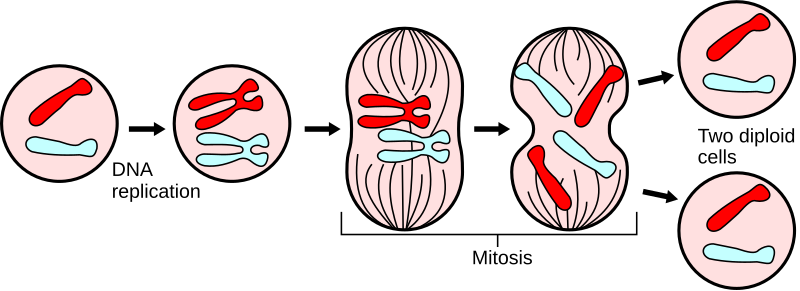
300
How many haploid cells are created in meiosis?
4 haploid cells
300
Chromatids separate away from each other, opposite sides of the cell
Anaphase
300
Cell formed when gametes fuse, when sperm cell fertilizes an egg cell.
Zygote
300
produces genetic variation
sexual reproduction
400
What happens in the third stage of mitosis? What is the stage called.
Anaphase. In this stage, the sister chromatids separate into individual chromosomes and are pulled apart.

400
How many chromosomes does each human gamete contain?
23 chromosomes
400
Chromosomes are NOT copied, the nuclear membrane breaks down.
Prophase II
400
In meiosis, the DNA duplicates twice.
False
400
Makes daughter cells fast
Asexual reproduction
500
The division of the cytoplasm to form two new cells
Cytokinesis
500
How many phases are there in meiosis?
d. 8 phases: prophase I and II, metaphase I and II, anaphase I and II, telophase I and II
500
chromosomes line up in the middle of the cell
Metaphase
500
Mitosis creates haploid cells, carrying only half of the chromosomes.
False
500
Offspring are genetically identical to parent.
Asexual Reproduction