Be
Confident
You
Got
This!
100
Altitude refers to the distance above _________.
sea level
100
What is a drought and how can it impact a community?
- Happens when an area doesn't get enough precipitation for a long time.
- Can last for weeks, months, or even years.
- Causes land to dry out, crops to wither, and lakes and rivers to shrink.
- Leads to water shortages for people, animals, and plants.
- Can greatly impact food supplies
100
A ______ is an extremely fast spinning narrow column of air (funnel) that touches Earth's surface. They are usually brief, yet intense and destructive. The Great Plains area expriences many of these due to the warmer air masses and drier land.
tornado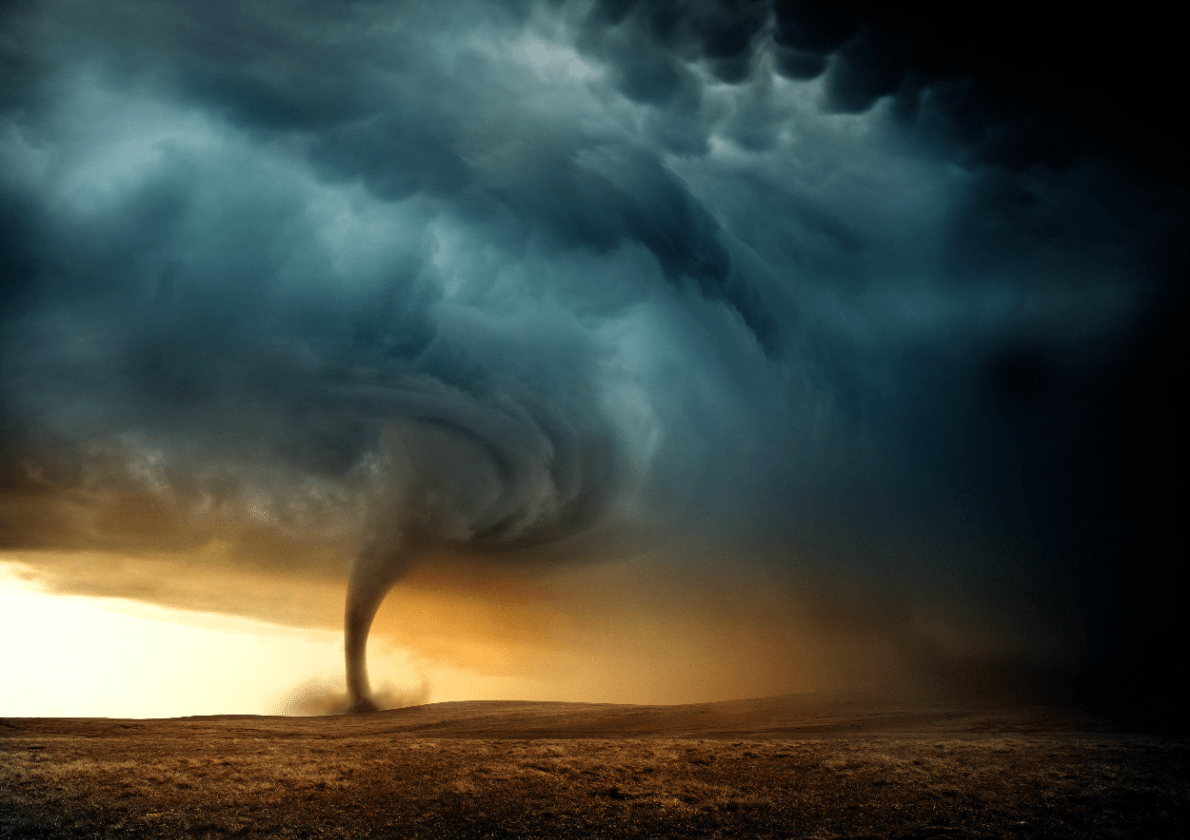
100
Vapor is a synonym for:
gas
100
_____ is a type of precipitation that looks like a round pellet and is at least 5mm in diameter. It starts as an ice pellet but then stays up in cold cloud areas getting tossed around and around as ice layers get added to it.
hail
200
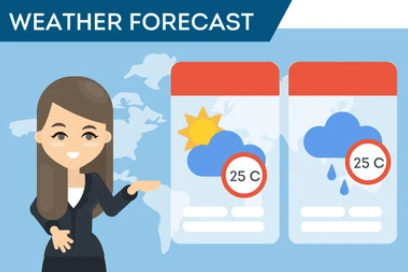 Explain what a meteorologist (weatherman) does.
* measures things such as temperature, humidity and wind speed
* makes weather predictions based on data collection
* studies the atmosphere and uses their knowledge to keep people safe during severe weather events
200
An overflowing of water in a normally dry area is known as a _______. Some occur when excess water from rain or melting snow overflows a stream or river. The ground is not able to absorb the water fast enough because it is already saturated.
flood
200
To keep temperature within Earth's depths balanced, these currents are responsible for moving heat around evenly:
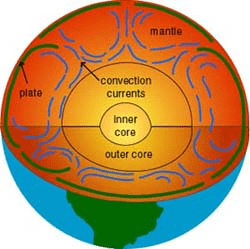 convection currents
(it helps to think of a convection oven that some of you may have at home-they are designed to move the heat around in an even, circualr motion so the space keeps a stable temperature...and you get evenly baked cookies/cakes)
200
If we could travel deep into the Earth, we would find that the ______ greatly increases.
pressure
200
Name a few tools that a meteorologist would use.
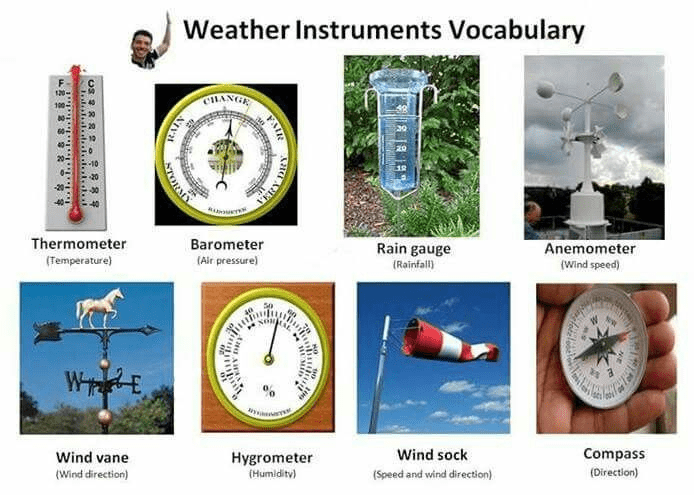 - barometer (measures air pressure)
- rain/snow gauge (measures the amount of precipitation in an area)
- thermometer (measures temperature)
- weather balloon (balloon like structures that go into the atmosphere and can measure many things such as temp, humidity, pressure, etc.)
- satellite/radar (to watch the movement of storms)
300
A ______ front forms when cold air collides into a warm air mass and pushes the warm air out.
cold
300
How would you describe a jet stream?
Band of high speed winds that travel from west to east due to Earth's rotation on an axis. They also impact precipitation and weather conditions as they flow across the globe.
300
A huge body of air that has similar temperature, humidity, and air pressure is known as a(n):
air mass
300
Humidity measures the amount of water _____ in the air.
vapor
300
The two most important gases in our atmosphere are:
Nitrogen & Oxygen
N- in about 78% of the ait be breathe
O- essential for life
400
Describe a hurricane with as much detail as possible.
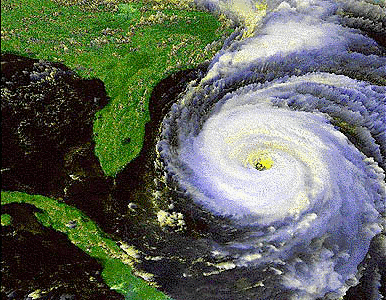 1) Begins over warm ocean waters that provide energy to the storm.
2) Warm, moist air above the ocean rises and cools forming large storm clouds (cumulonimbus) that begin to swirl faster and faster.
3) Heavy rain and strong winds intensify.
The entire storm can be hundreds of miles wide, last for many days, and cause much damage/loss of lives.
400
Which of these air masses would fit this description:
An air mass that forms over water and close to the equator
Choices are: cP, cT, mP, mT
mT
400
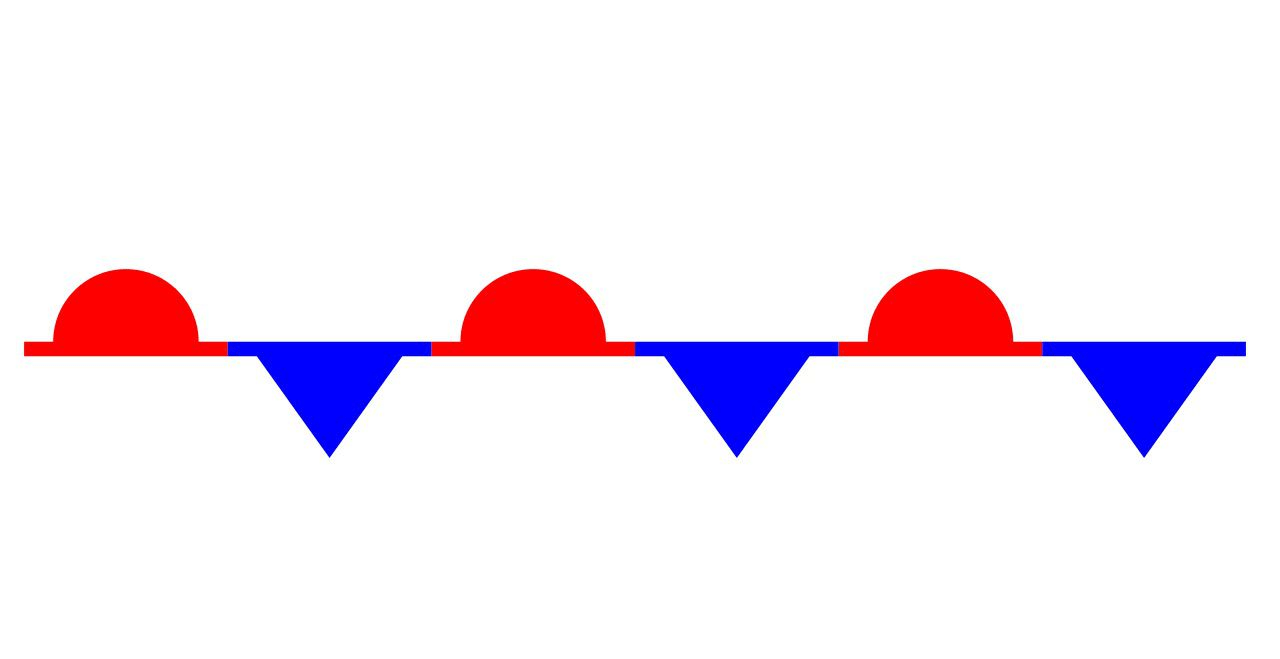 Which type of air front does this symbol represent?
stationary front- kind of like an exciting match of tug-of-war
The cold air and warm air are nearly equal in strength so it takes several days for one of them to take over. This often leads to many days of overcast skies, precipitation, etc.
400
How does a warm front form?
Warm air moves in and pushes out (displaces) cold air, bringing warmer temperatures into the area.
400
The outer most layer of Earth is called the _____, while the innermost layer is known as the ______.
crust, inner core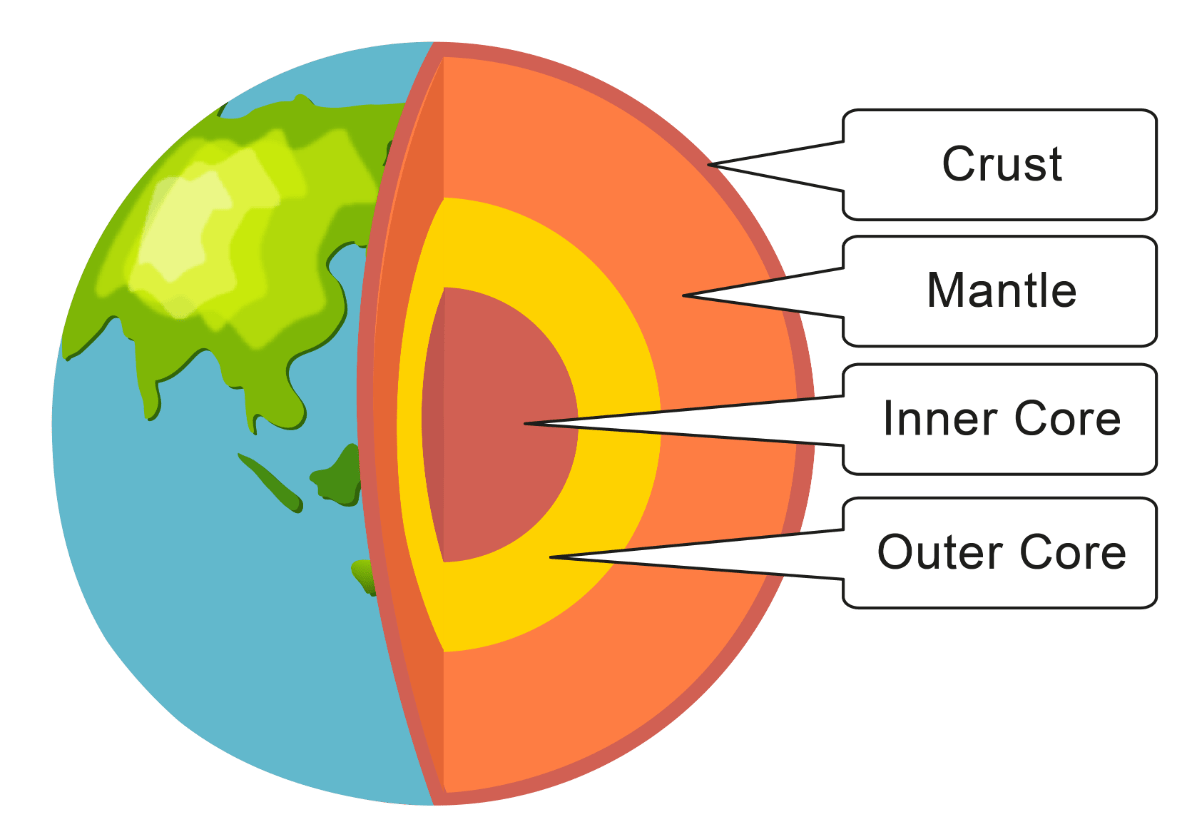
500
The four layers of Earth's geosphere are the crust, ______, _______, and _______.
mantle, outer core, inner core
500
What causes a hurricane to lose its power or strength?
As a hurricane moves toward land it starts to slow down because it is moving away from its "power source" ---> which are: warm waters and pressure changes
500
Which of these air masses would fit this description:
An air mass that forms over land and far from the equator
Choices are: cP, cT, mP, mT
cP
500
How can geologists study areas deep below Earth's surface (places we currently cannot reach)?
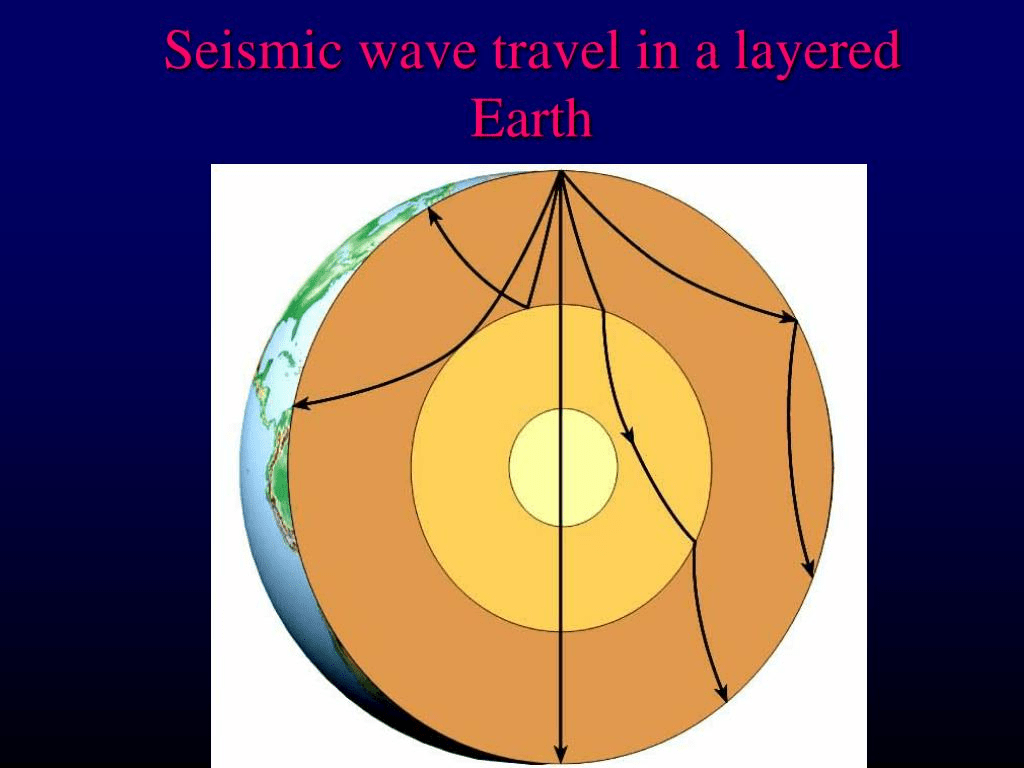 They use invisible waves called "seismic waves" which are able to travel through material below Earth's surface. When these waves hit new material/rock, they bend, which provides scientists information about inner Earth.
500
A(n) ________ air front occurs when a warm air mass becomes "stuck" between a cold air mass.
occluded