Neuro
Infectious Disease
Ambulatory Medicine
Ethics and Professionalism
Genetics and Genomics
100
Most common primary brain tumor, traditionally associated with the dural tail sign
Meningioma
100
Severe neurologic complication of Campylobacter jejuni infection
Guillain-Barré syndrome (accept GBS)
100
Muscle group made up of the subscapularis, infraspinatus, supraspinatus, and teres minor
Rotator cuff
100
English translation of 'Primum non nocere'
First, do no harm
100
Most prevalent monogenic inherited medical disorder
Autosomal dominant polycystic kidney disease (do not accept polycystic kidney disease alone)
200
Headache characterized by increased intracranial pressure and papilledema without identifiable structural pathology
Idiopathic intracranial hypertension (accept pseudotumor cerebri)
200
Ocular finding of redness without exudate that can occur with leptospirosis
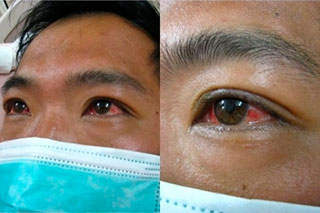
Conjunctival suffusion (accept subconjunctival hemorrhage, circumcorneal conjunctival congestion, and chemosis)
200
Recommended screening frequency for prostate cancer for men above the age of 70
No screening recommended
200
Federal database containing physician malpractice payment and adverse action information
National Practitioner Data Bank
200
Offspring of consanguineous unions are at increased risk of this pattern of inherited genetic disorder
Autosomal recessive (do not accept recessive alone)
300
Shock-like sensation radiating down the spine or limbs induced by neck movements due to a lesion within the spinal cord
Lhermitte sign (accept the barber chair phenomenon)
300
Acute, self-limited, febrile illness occurring in the first 24 hours of treatment of spirochetal infections
Jarisch-Herxheimer reaction (accept Herxheimer)
300
Starting age for colon cancer screening receiving a grade B recommendation by the USPSTF in 2021
45
300
Legislative act requiring pharmaceutical companies to publicly report payments to physicians
Physician Payments Sunshine Act (accept Sunshine Act or Sunshine Law)
300
The ability of a mutation in a single gene to produce more than one phenotypic effect
Pleiotropy
400
Acronym for the three-step oculomotor exam used to help differentiate central versus peripheral cause of acute vestibulopathy
Show Answer
HINTS
400
Bacterial infection transmitted via fecal-oral route for which there is an oral and intramuscular vaccine available
Typhoid fever (accept Salmonella typhi infection)
400
Most common cause of viral conjunctivitis
Adenovirus
400
Term for a patient's ability to comprehend, evaluate, and choose among realistic medical options
Capacity (accept decision-making capacity)
400
Hematologic malignancy associated with translocation between chromosomes 15 and 17
Acute promyelocytic leukemia
500
Condition for which the ESETT study found fosphenytoin, valproate, and levetiracetam to be of equal benefit as second-line drugs
Convulsive status epilepticus (accept status epilepticus or SE but not epilepsy)
500
Vaginal pH above which meets one of the Amsel criteria for bacterial vaginosis
4.5
500
FDA-approved upper age limit for HPV vaccination
45
500
Term for withholding relevant information from a patient if disclosure is believed to be medically contraindicated
Therapeutic privilege (accept therapeutic non-disclosure; therapeutic exception)
500
Gene editing technique utilizing the bacterial defense system against infecting viruses
CRISPR (accept CRISPR-Cas9, Clustered Regularly Interspaced Short Palindromic Repeats)