Put
Your
Best
Foot
Forward
100
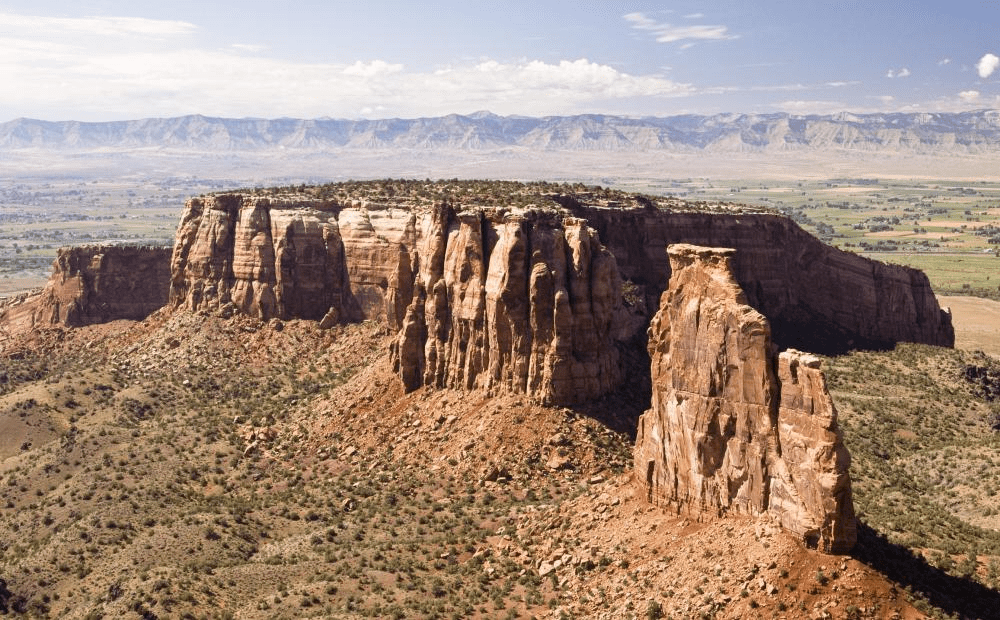
Does this image show a delta, dune, peninsula or plateau?
plateau
100
Our _____ is made up of (composed of) landforms, rocks, and earth's core/mantle/crust.
geosphere
100
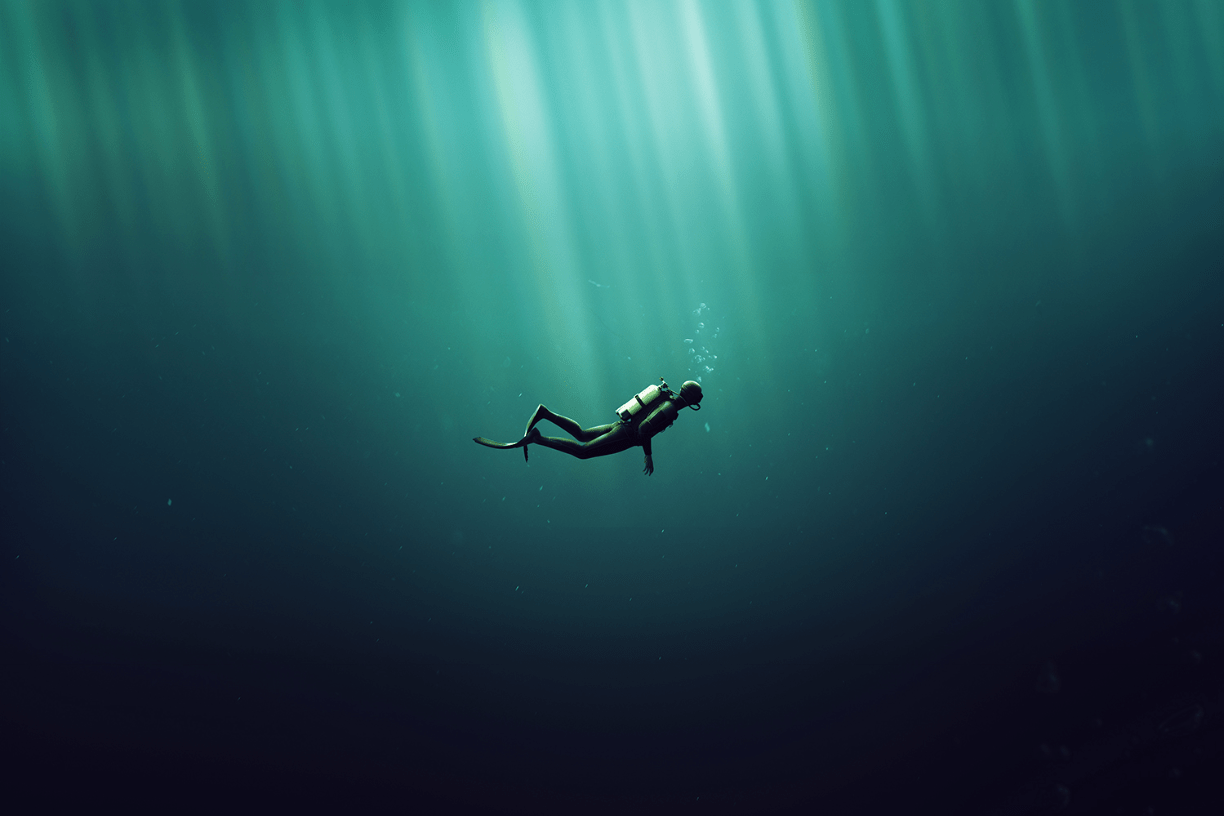
If you were to go deep into the ocean, you would notice the temperature _____ and the pressure _____.
decrease, increase
100
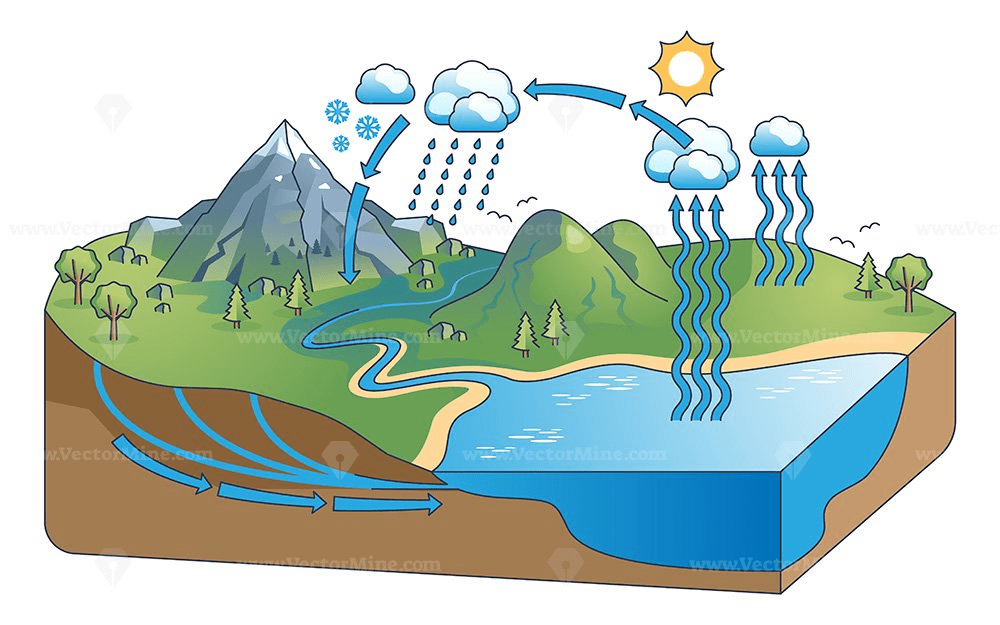
During which part of the water cycle does water vapor (gas) turn into a liquid?
condensation
100
Humidity is the amount of ____ ____ in the air.
water vapor (gas)
200
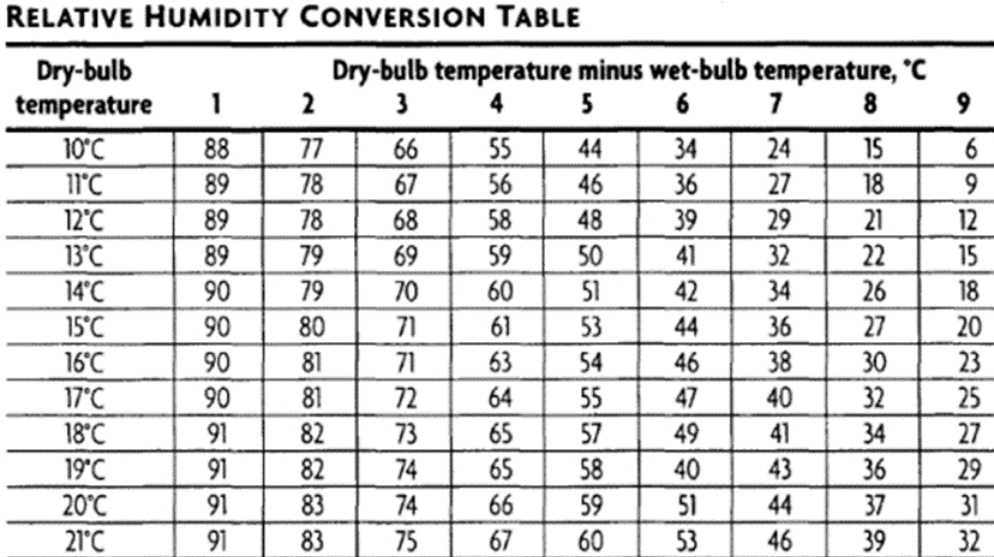
What the relative humidity (%) if the dry-bulb temperature is 18°C and the difference between the wet-blub and dry-bulb is 7°C.
41%
200
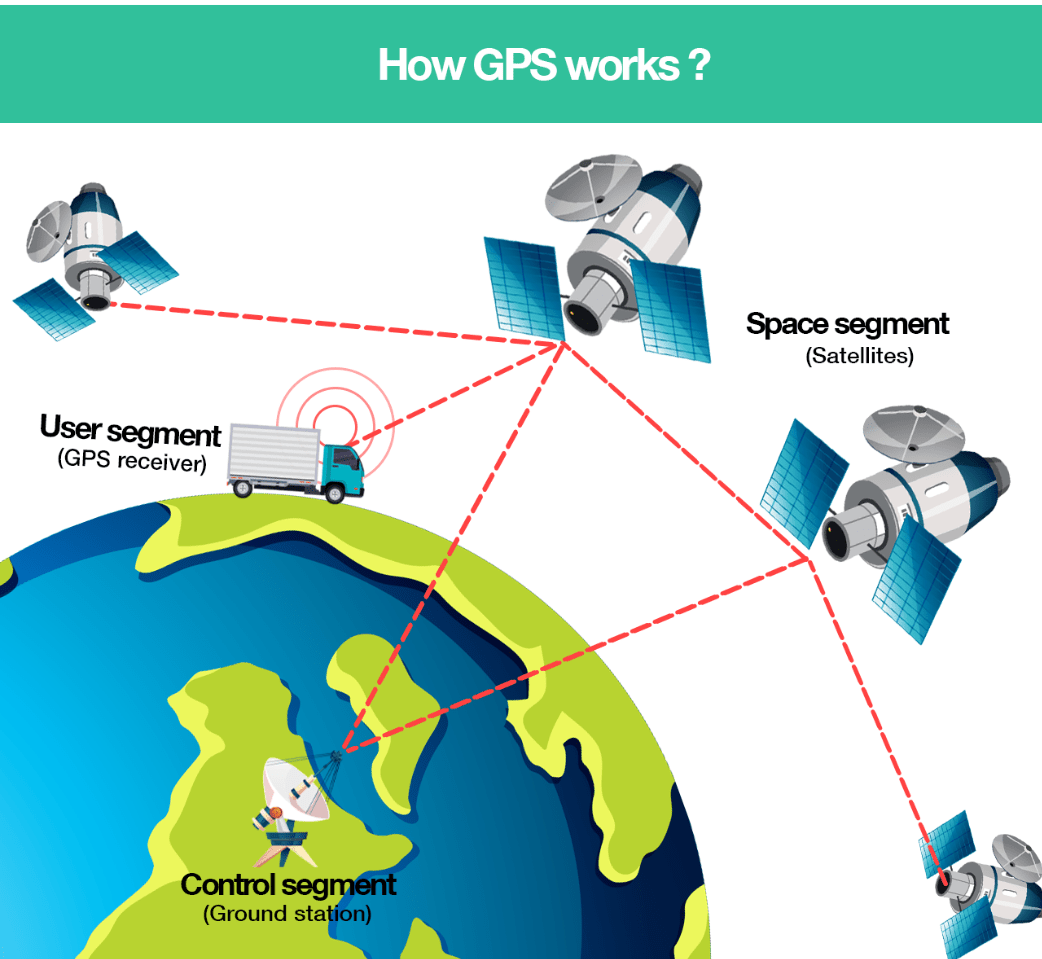
Explain what GPS stands for and its purpose or use.
Stands for Global Positioning System and it uses signals from multiple satellites to communicate information/data (such as tracking location).
200
In this layer of our atmosphere, meteors burn up before they reach Earth's surface.
mesosphere (I like to remember m & m- mesosphere & meteors)
200
Describe what a "system" is.
A system is a group of parts that need each other to fully function or work.
200
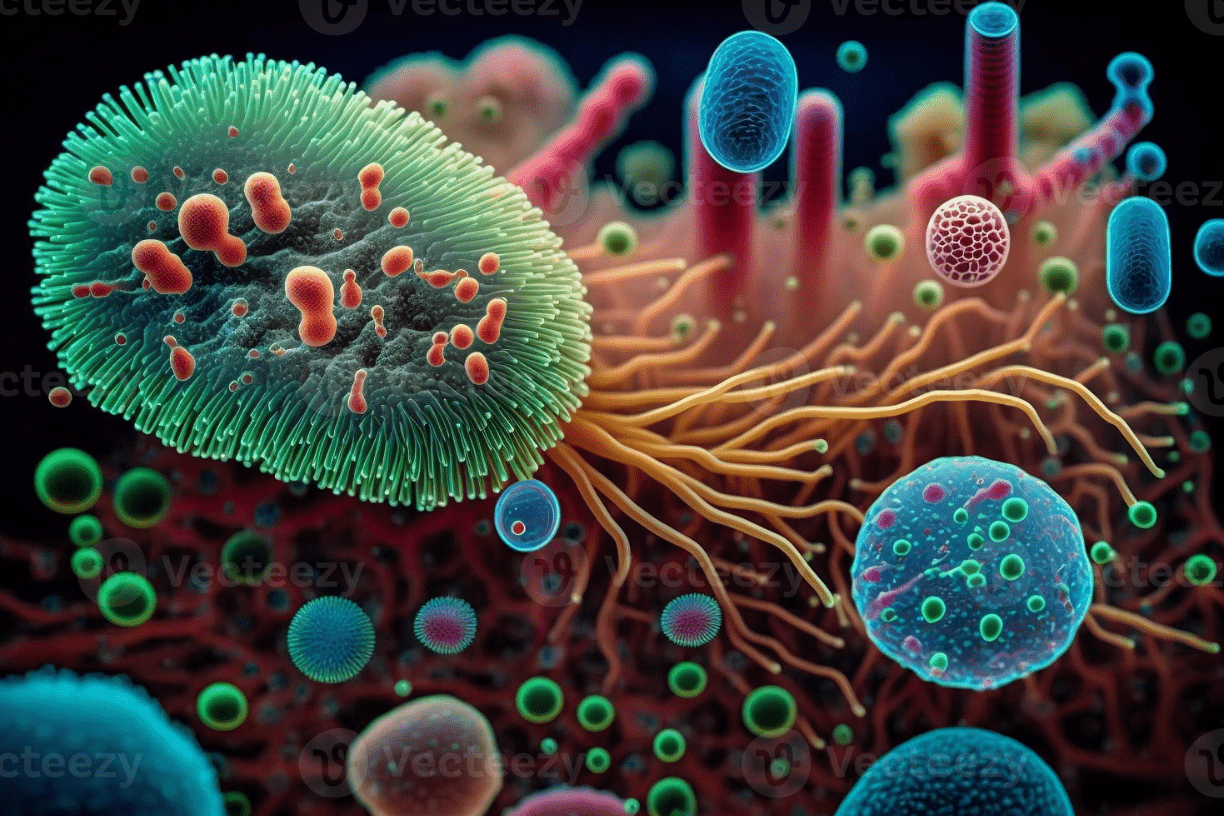
The _____ contains the living things in our world such as tiny microscopic organisms, bacteria, plants and animals.
biosphere
300
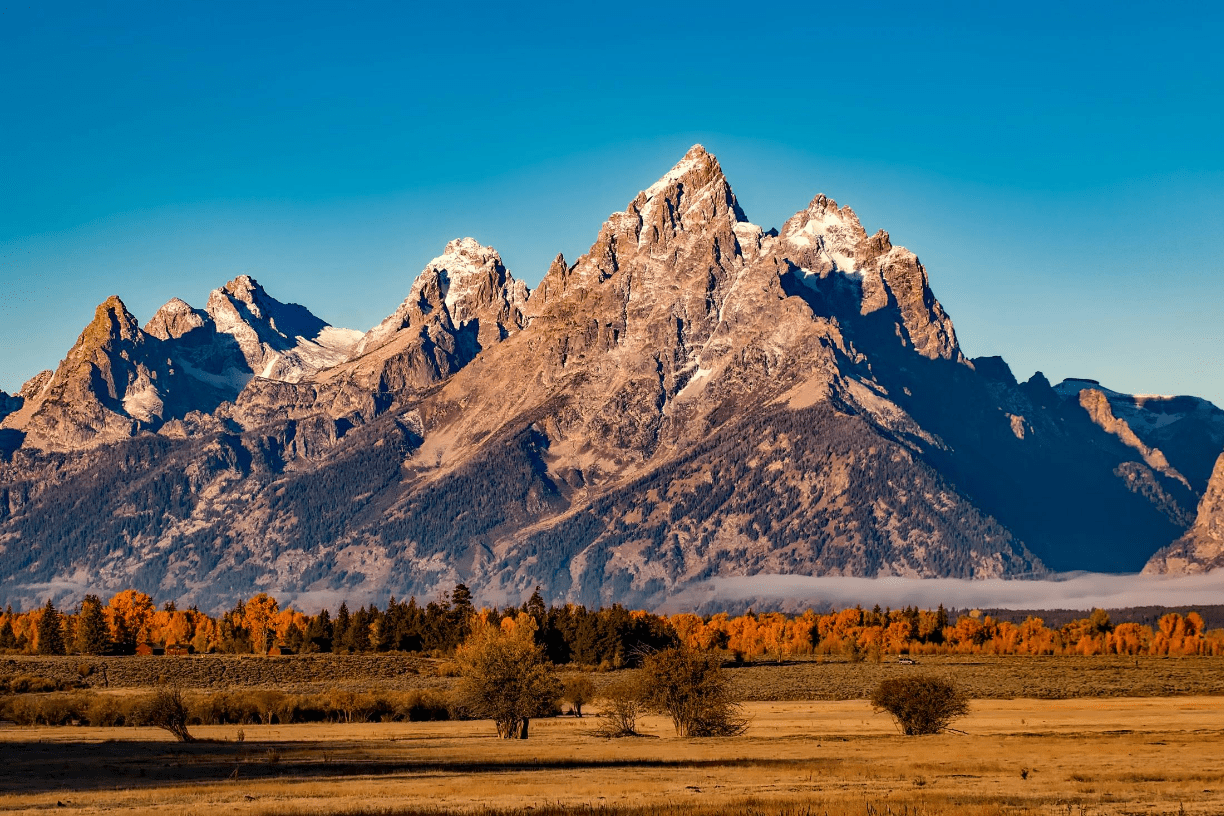
If you were to climb a mountain, explain why the air pressure would decrease.
The higher you climb, the air becomes less dense/compact (meaning that the molecules in the air get farther apart from each other). The lower density (closeness of particles), the lower the pressure.
300
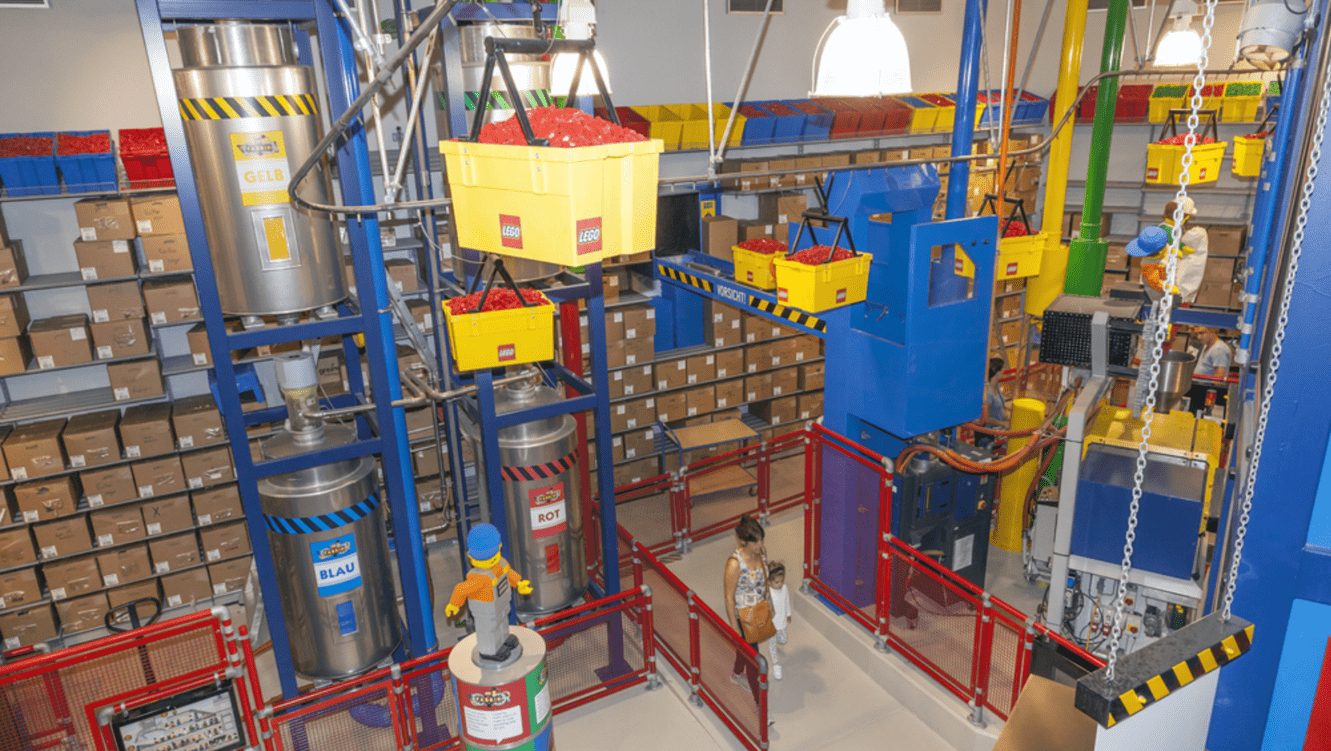
How is a large factory considered a system?
In a large factory there are often many people, many types of machines and many different jobs people/machines do. This is a system because without each part, it could slowly or quickly, malfunction (fall apart).
300
What is an aquifer & why is it SO important?
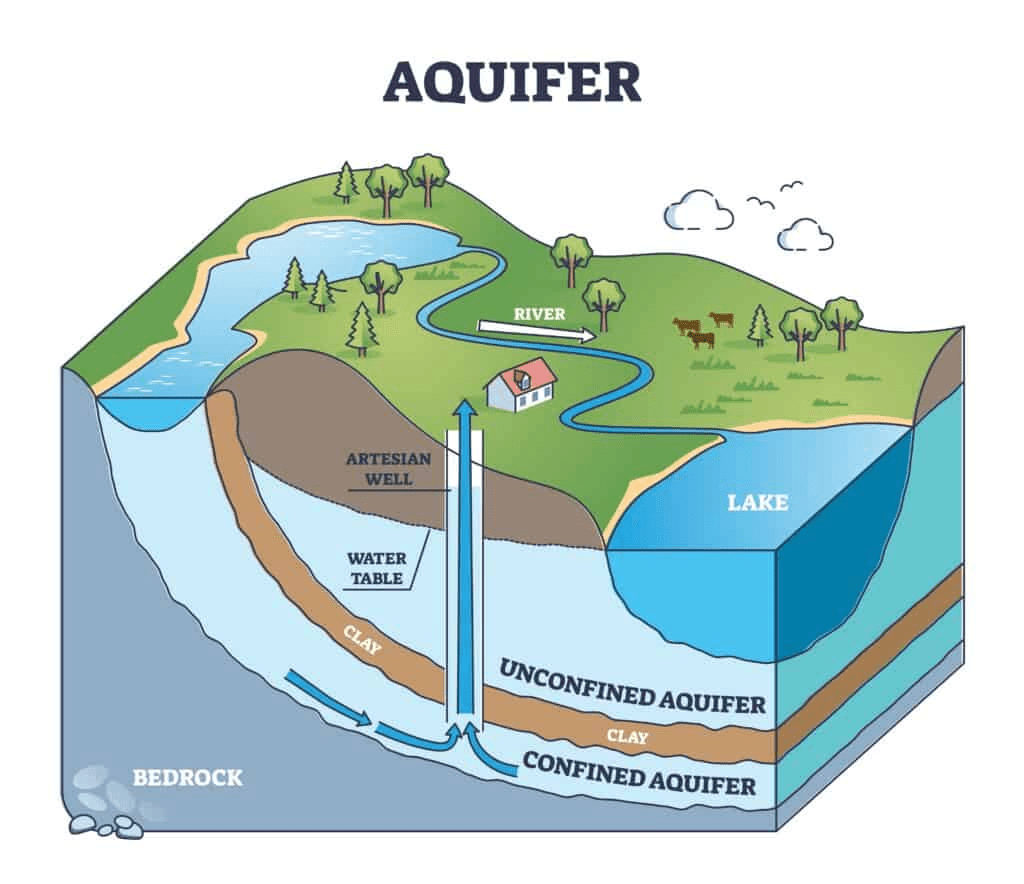
An aquifer is an area underground in the saturation zone that acts like a natural storage tank for water. This extra supply of water is very important for ALL organisms. Anything living is made up of cells. Each cell needs water to stay alive (humans, animals, plants, tiny organisms, etc.)
300
____ is the ability to do work.
Energy
300
Name 3 types of precipitation.
rain, snow, hail, sleet, freezing rain
400
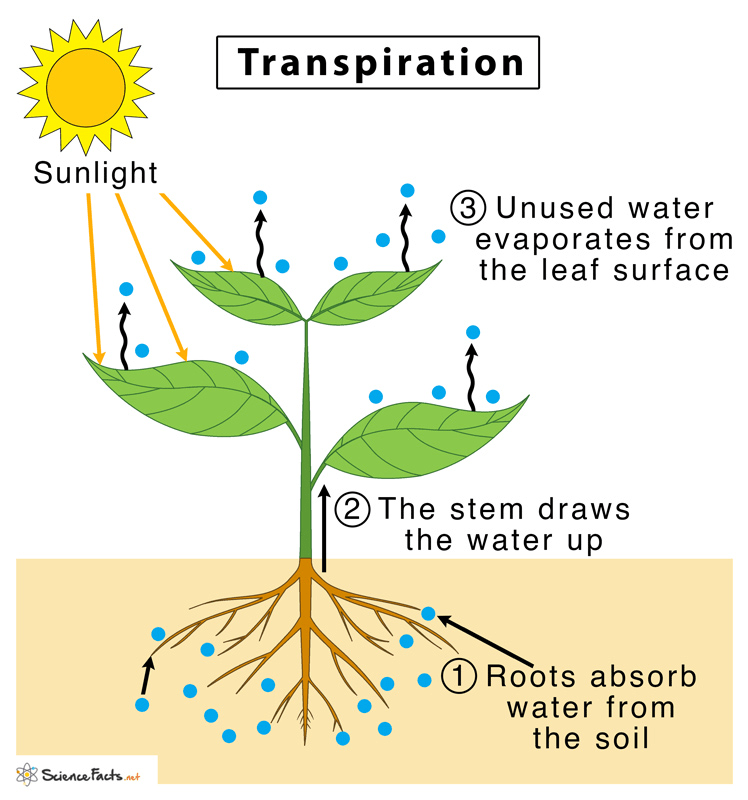
Transpiration is the process of ____ giving off oxygen through small openings called stomata.
plants
400
The study of the shape of the land is known as:
topography
400
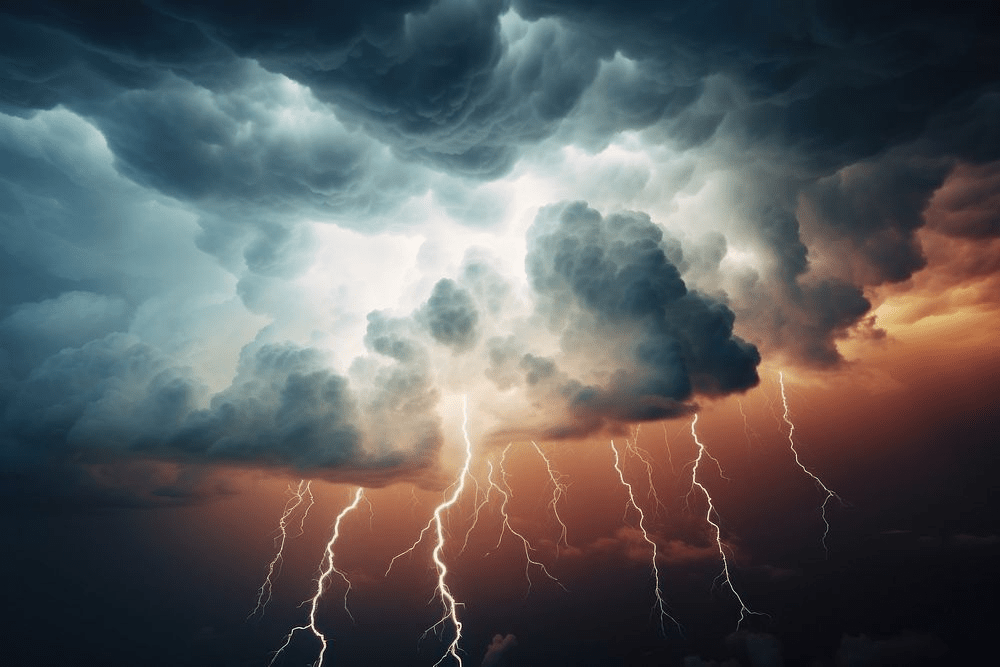
In this atmosphere layer, our weather (storms, air masses, etc) occurs. This layer is also the closest to Earth's surface.
troposphere
400
Nitrogen, oxygen, carbon dioxide and methane are just some of the gases found in our ______ that help life thrive.
atmosphere
400
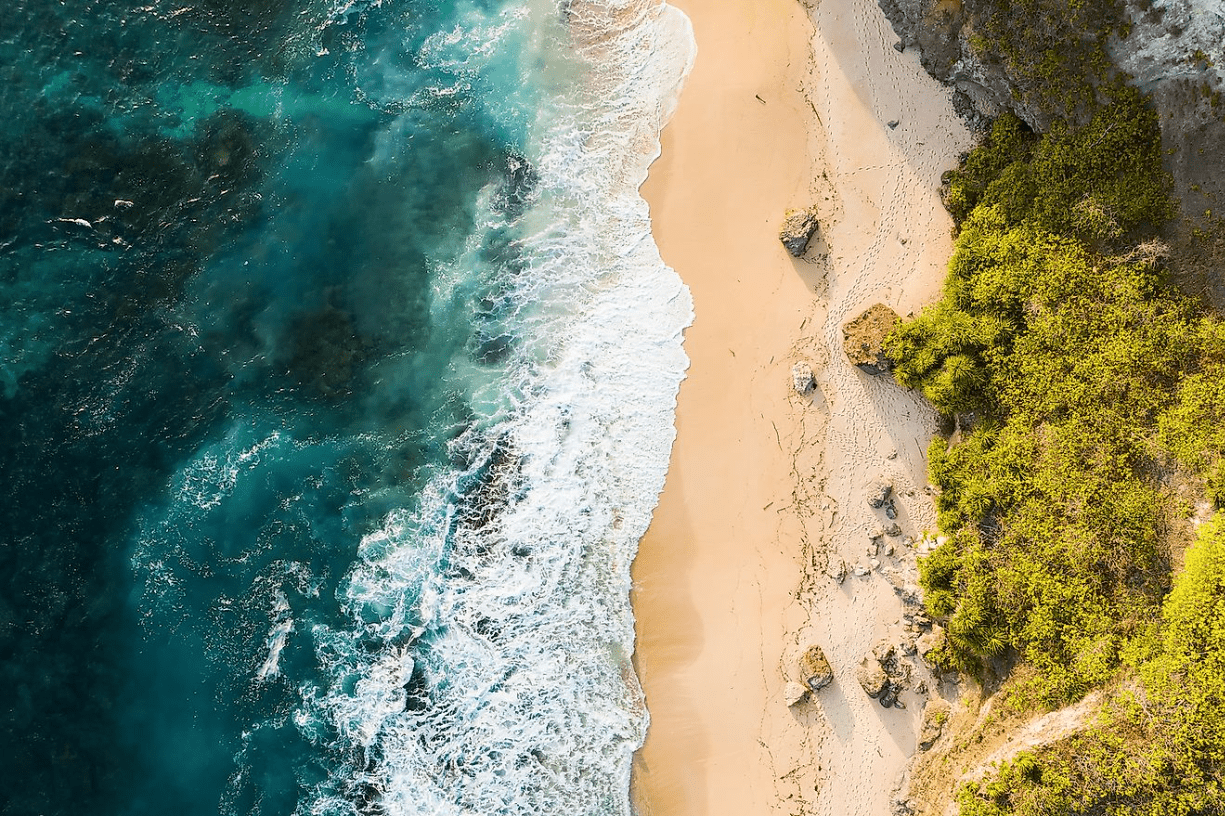
This landform is known as a _____. It is the location where land meets water.
coastline
500
The heat from our sun AND the heat within Earth's interior provide sources of ______ that allow matter to flow throughout Earth.
energy
500
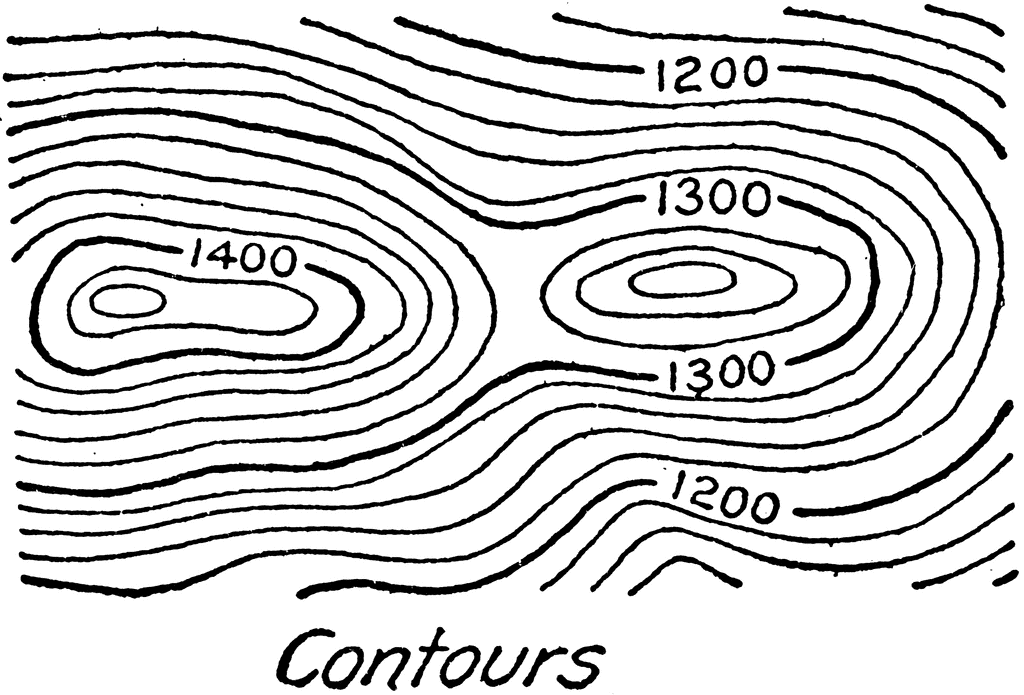
Contour lines are lines on a map that tell us _____.
elevation (how high up a location is)
500
A constructive force in nature will ______ the land (geosphere), while a deconstructive force in nature will _____ the land.
add to/build up (such as the slow creation of a mountain), remove/breakdown (such as a flood)
500
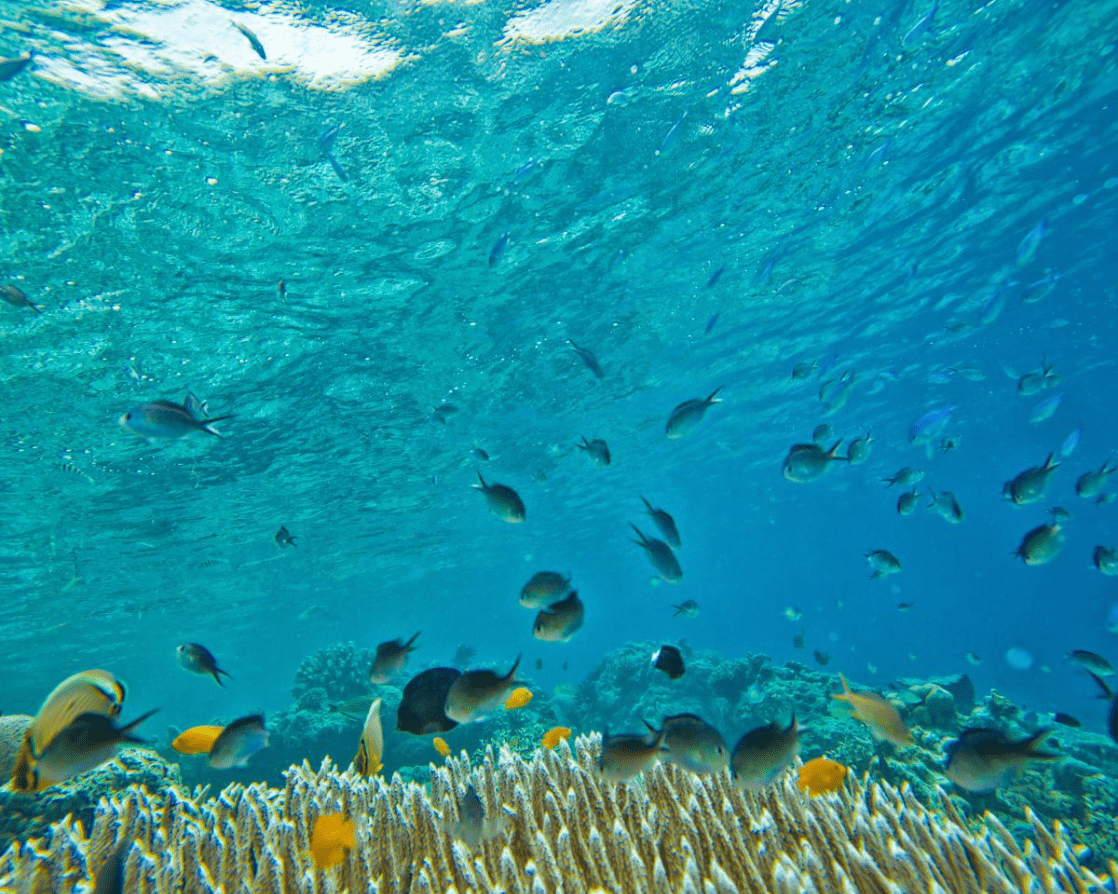
Why is it a bit more difficult for saltwater to freeze than freshwater?
Salt helps prevent freezing (which is why it is used on icy roads as a grip for car tires). Saltwater requires a higher temperature to freeze b/c of the salt in it.
500
Come up with a couple of ways in which our atmosphere keeps organisms safe.
* There are many layers unlike other planets and they act like a blanket to keep us at the right temperature to sustain life.
* The layers also help protect us from damaging UV/solar rays.