Names of Authors
Concepts
Performances and Artists
Performance Studies
Wildcard
100
This author says that performance is twice-behaved behavior
Richard Schechner
100
What is the word for thing that only exist for a brief period. This also describes the remains that may be left after a performance.
ephemera
100
Name of the piece performed by Yoko Ono in 1964 and again by Anna Martine Whitehead in 2026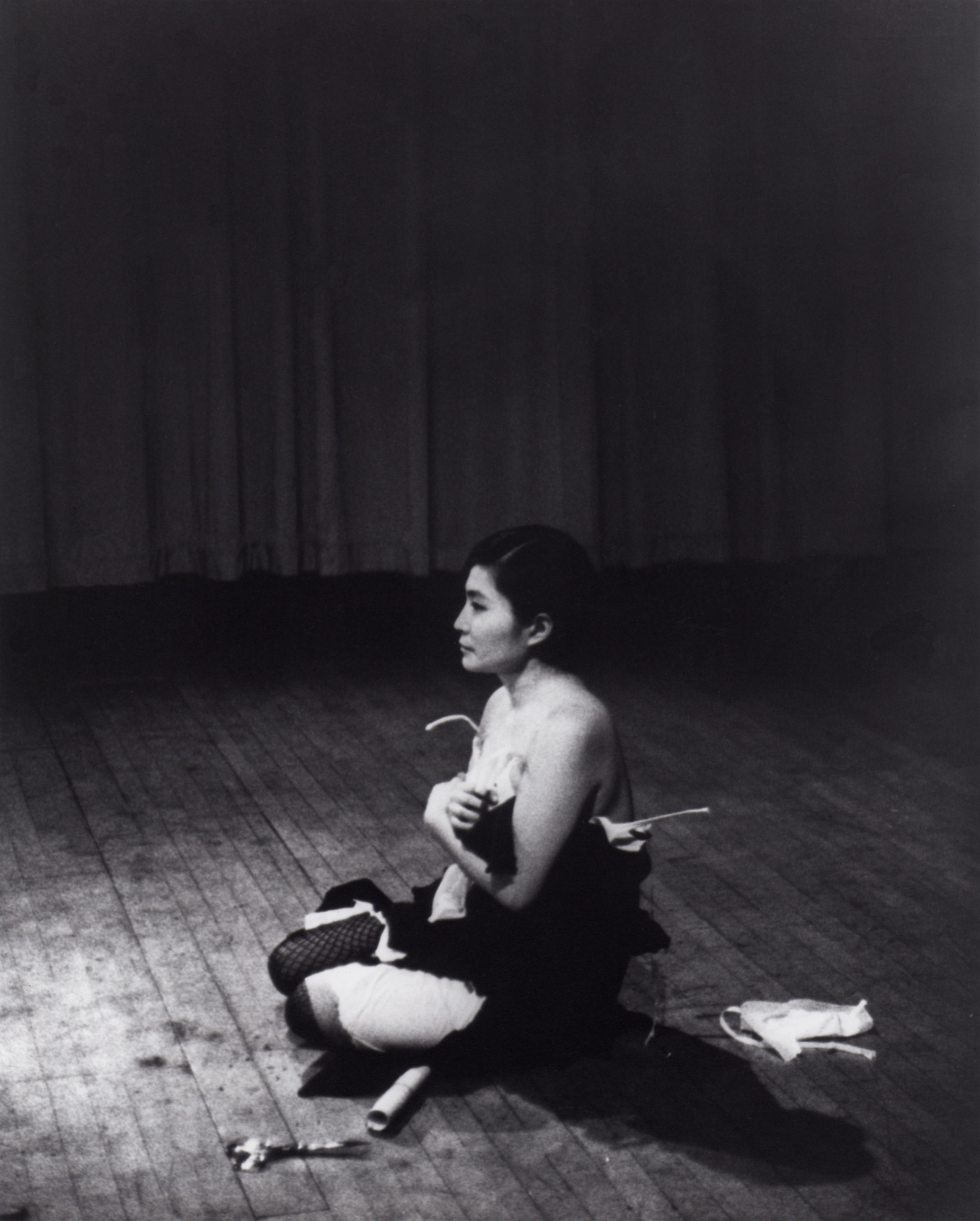
Cut Piece
100
Performance Studies often places emphasis on _____, rather than on meaning.
Doing
100
The type of art in which idea and thought is emphasized over material form? This type of art is often related to and has overlap with performance art.
conceptual art
200
Performance studies scholarship may often be produced by artists. One artist whose scholarship we have studied in class thus far is.
Coco Fusco
200
Madison and Hamera describe performance as a concept that is essentially [insert word]. Explain why this is.
contested
200
Type of museums that would usually host the performance “Two undiscovered Amerindians in a cage.”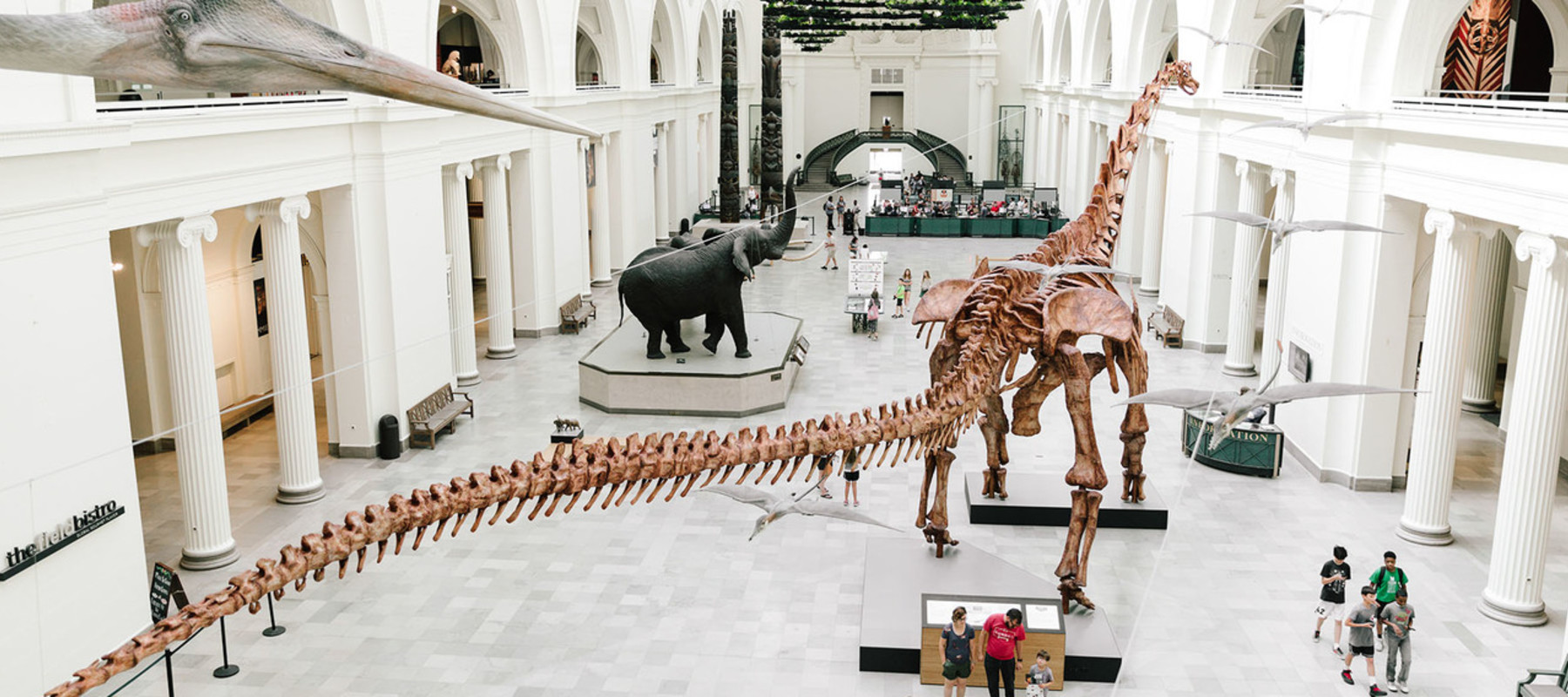
Natural History Museums
200
The two universities where performance studies emerged as an academic discipline.
Northwestern and New York University
200
The form of art in which idea and thought are primary before material and form.
Conceptual Art
300
This author states that gender is performative. Describe what this means.
Judith Butler.
300
Name used by linguistics and performance studies scholars for sentences that do things instead of merely describing things
Performatives
300
Name of the performer who became an online sensation by carving a niche in trolling political rallies and gatherings.
Crackhead Barney
300
Performance studies take the position that all phenomena can be studied as [insert word]. Explain what this means.
performance.
300
The name and description of three Yoko Ono works currently on view at the Museum of Contemporary Art.
Could include: Cut Piece, Mend Piece, Painting to Hammer a Nail In, Fly, Wish Tree, My Mommy is Beautiful...
400
The author of the statement: "The history of performance art in the twentieth century is a history of a performative, open-ended medium with endless variables, executed by artists impatient with the limitations of more established form." Explain what this means.
Roselee Goldberg. (Performance Art)
400
Peggy Phelan writes that, "performance becomes itself through [insert word]." Describe what this means.
disappearance
400
The artist in this piece and the title of the piece.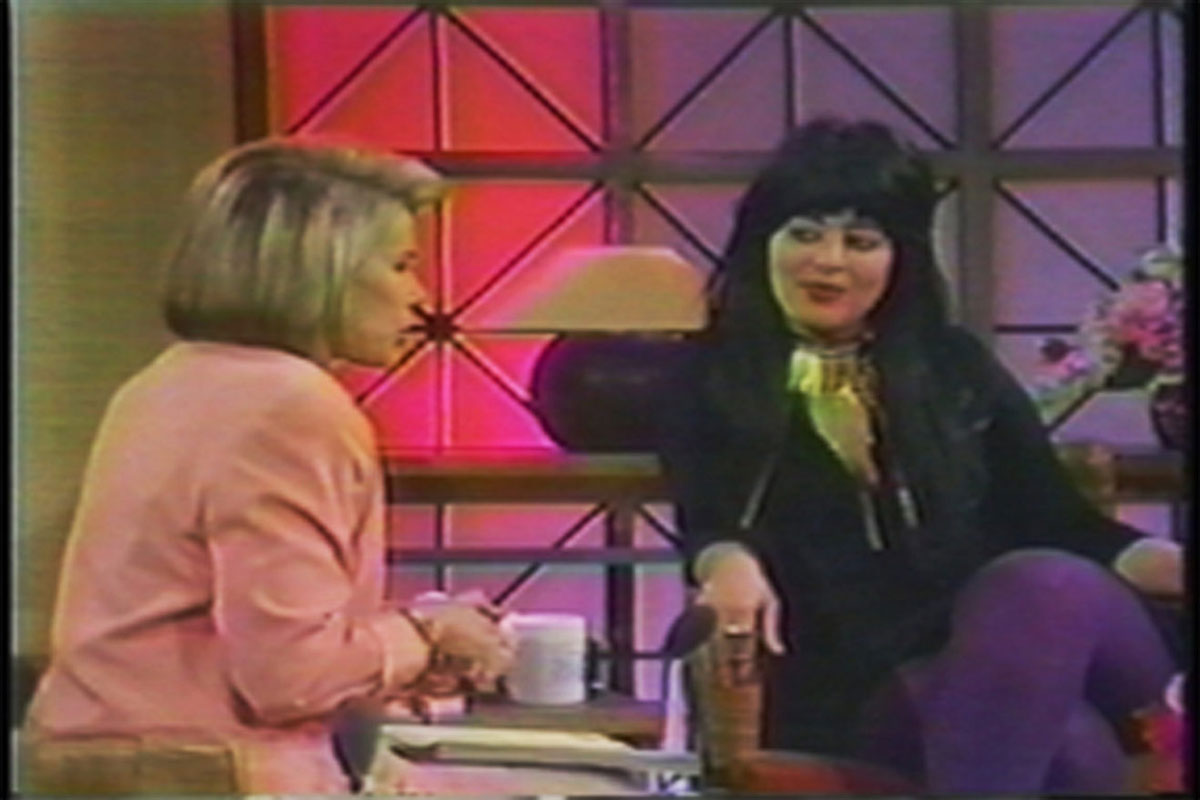
Nao Bustamante, Rosa Does Joan
400
The name for (and description of) two of the three types of performance described by Madison and Hamera.
Cultural Performance
Social Performance
Social Drama
400
Two of the interventions of performance art according to Prof Simonin's lecture on 2/7. Describe them.
everyday life as performance, process as product, working in between disciplines, artist as art object, spectatorship and art in non-art spaces, no preconceived impact
500
This author wrote the following: "Because social performances so effectively show this bordering work, and thereby potentially expose it, performance studies can transform them into a single or stable object of analysis only at a perilous cost. Might the messiness of definitions be preferable to the security of borders?" Explain what this means.
Tavia Nyong'o
500
Adrian Piper states that one reason to make art is to "induce a reaction or change in the viewer." The other word she uses to describe this type of change is? What type of art is most effective at inducing this type of change, for Piper, and why?
catalysis: work in which the spectator is engaged directly in relation to the work, work in which there is not separation between artist and art work.
500
Name three artists we have studied this term and one of their works (either by description or precise title).
Yoko Ono, Coco Fusco, Nao Bustamante, Sasha Baron Cohen, Crackhead Barney, Adrian Piper, Beyoncé, Guillermo Gomez-Peña, Bad Bunny, Mieko Shiomi
500
Name three scholars associated with performance studies whose work we have studied or discussed in class so far and describe one of their ideas.
Could include: José Muñoz, Diana Taylor, Rebecca Schneider, D. Soyini Madison, Judith Hamera, Coco Fusco, Richard Schuchter
500
Scholars like Joseph Roach and Diana Taylor write about the way performance can be a conduit for the transmission of [memory]." Describe what this means using the example of a performance we have looked at in class.
memory