VISUAL ID-DRAPES & LAYERS
VISUAL ID-STRUCTURE & SUPPORT
DEFINITION SPRINT
TIMELINE & SILHOUETTE SHIF
MENSWEAR EVOLUTION
DETAILS & ACCESSORIES
100
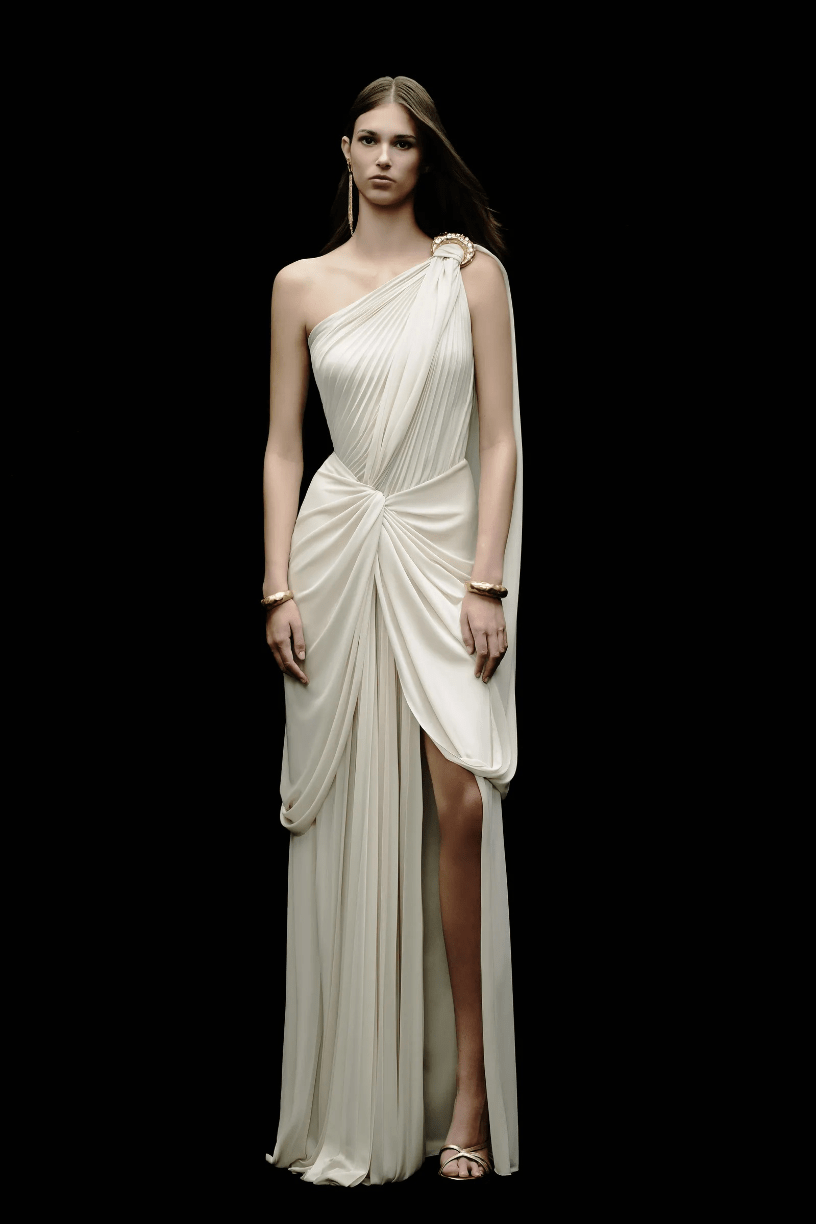
This early garment is a simple tube or rectangle worn by pinning at the shoulders; when styled one-shoulder, it reads like a “goddess” look.
What is the chiton?
100
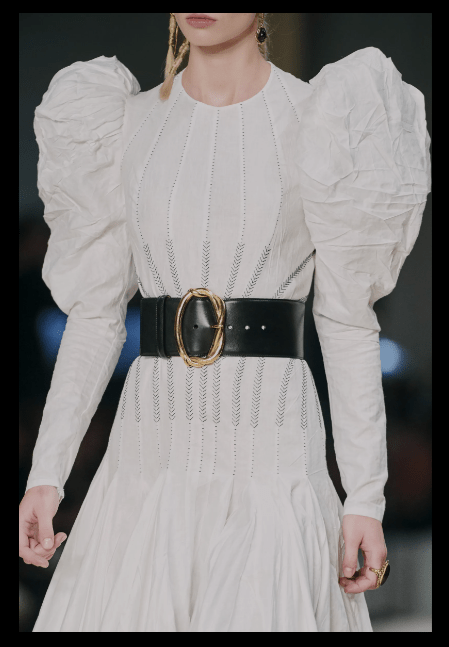 A sleeve with a very large, rounded puff at the shoulder that tapers toward the wrist, making the upper arm look widest in the outfit.
What is a gigot?
100
The full system of body modifications and supplements people use to present themselves.
What is dress?
100
This period’s womenswear reads as a raised waist and vertical column with light layers.
What is the Directoire/Empire period?
100
Knee-length breeches worn with a doublet are standard in which century?
What is the 17th century?
100
A wide, flat turned-down collar of the 17th c.
What is a falling band?
200
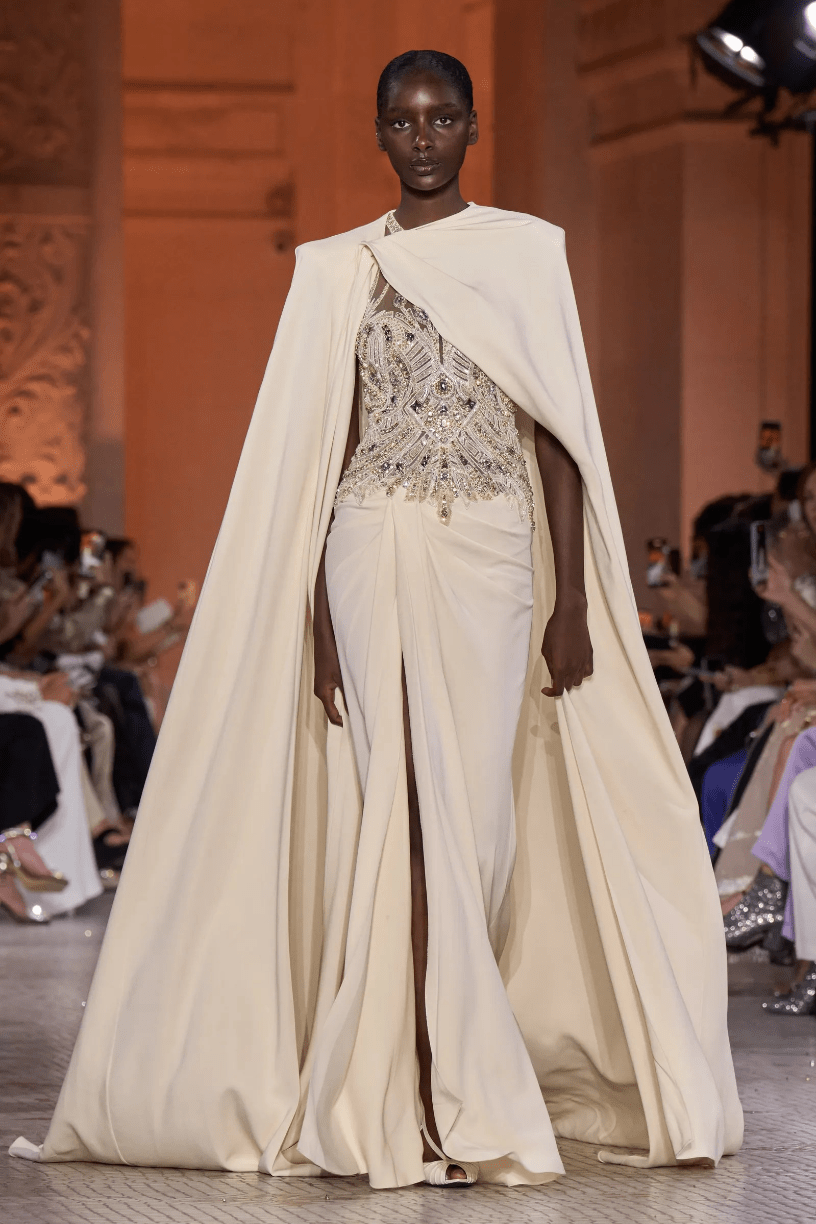
Think of a large rectangular wrap worn over other Greek garments. It can cover one arm and creates elegant diagonal drape lines.
What is the himation?
200
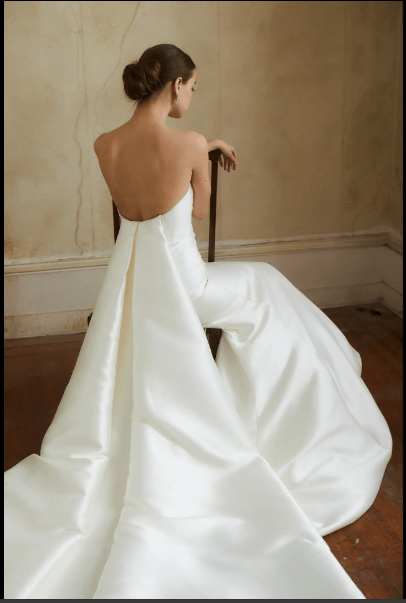 A woman’s gown identified by back pleats that fall from the shoulders into the train, often called a “Watteau back.”
What is the robe à la Française?
200
A horizontal fashion spread within similar social levels (not up or down).
What is trickle-across diffusion?
200
In the early 1830s, women’s dress deliberately shifted the viewer’s attention upward by enlarging one specific area of the garment to dramatic proportions. Name the area that was exaggerated.
What is the upper sleeve/shoulder area?
200
The falling band replaces which earlier stiff neck style.
What is the ruff?
200
A high, starched, circular collar of the Northern Renaissance.
What is a ruff?
300
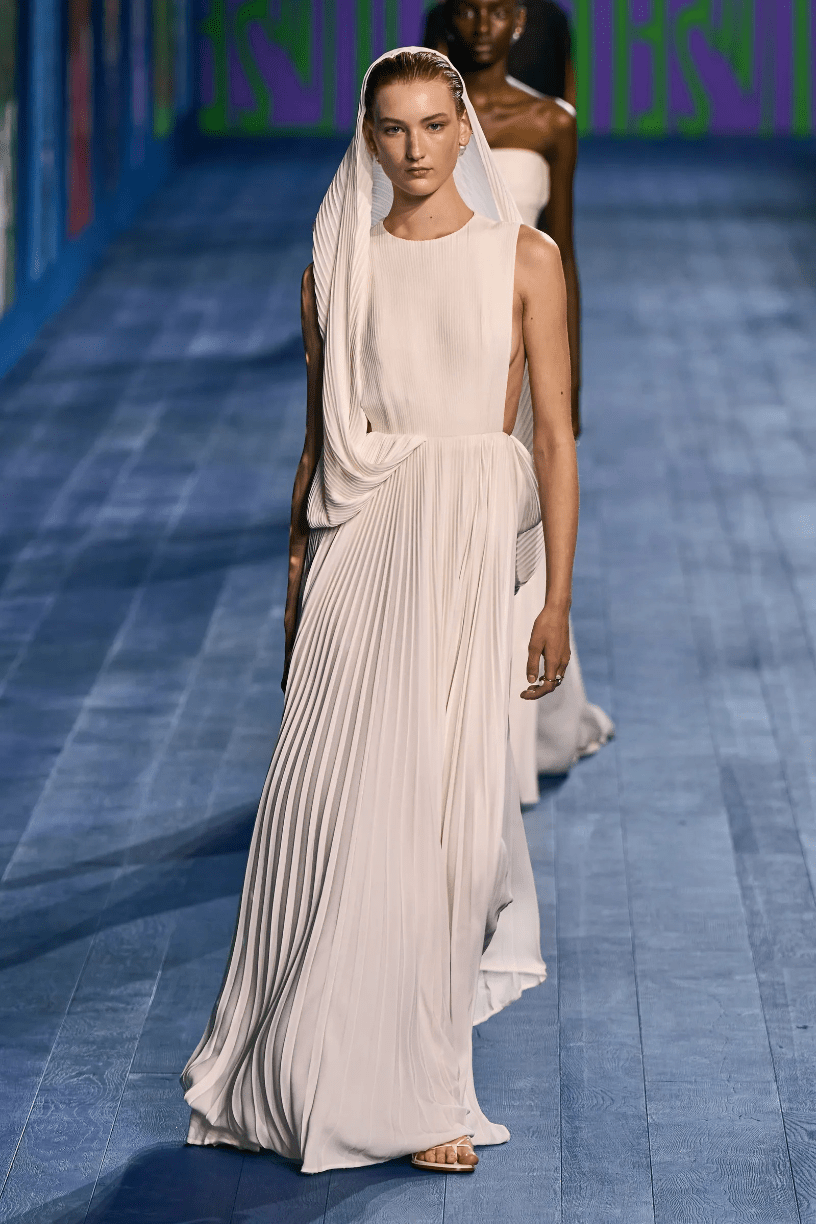 A married Roman woman is recognized by this dress paired with a long shawl-like outer wrap. Together they create a dignified, layered “matronal” look.
What are the stola and the palla?
300
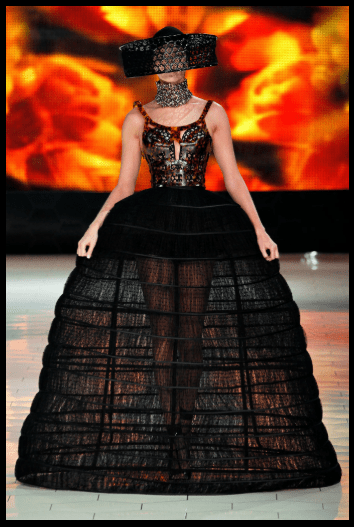
A skirt support that makes the dress very wide from side to side, while the front and back stay relatively flat, great for showing off the front panel of the gown.
What is a pannier?
300
Early Mesopotamian fleece-tufted skirt made of wool clumps.
What is kaunakes?
300
This gown is identified by a fitted back with stitched-down pleats that release at the waist into the skirt, rather than pleats falling from the shoulders.
What is the robe à l’Anglaise?
300
The long, buttoned, knee-length coat that replaces the doublet by the late 1600s.
What is the surtout/justacorps?
300
A small, brimmed bonnet/hat tied under the chin in the Romantic period.
What is a capote?
400
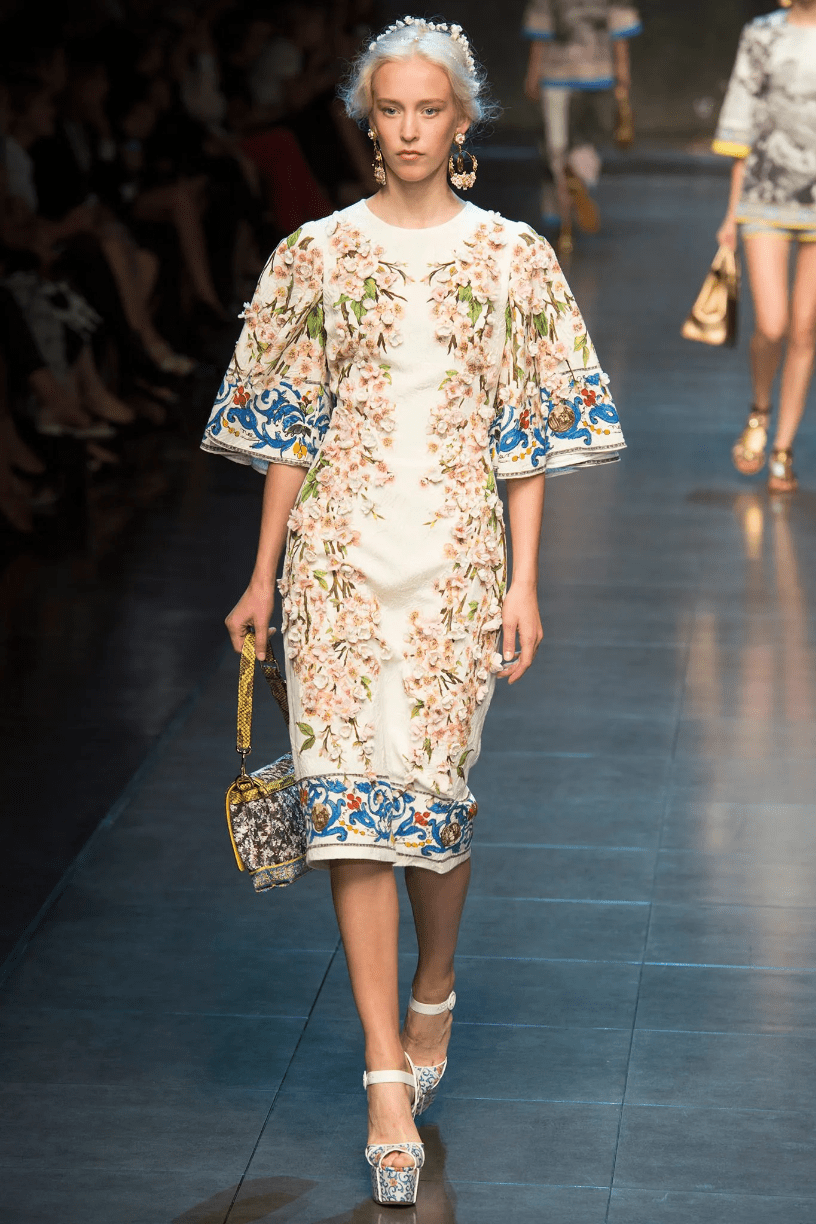
A long T-shaped over-tunic with rich borders and straight lines, more cut-and-sewn than draped, signals imperial luxury.
What is the dalmatic?
400
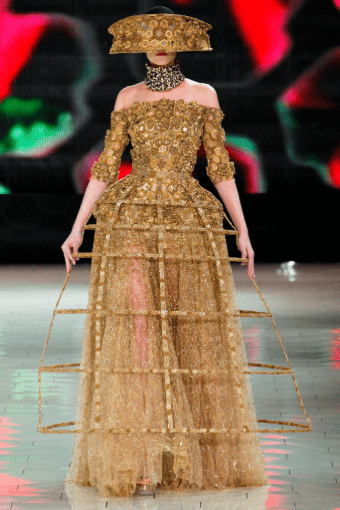
A cone-shaped understructure that gives the skirt a smooth, triangular profile from waist to hem, common in Spanish-influenced silhouettes.
What is the farthingale?
400
Italian Renaissance surface treatment where cuts in the outer layer reveal a contrasting underlayer pulled through.
What is slashing with puffs?
400
The men’s doublet gives way to this three-piece logic by late 17th c.
What are the justacorps/surtout, waistcoat, and breeches?
400
The pourpoint/doublet creates this kind of torso effect that influences modern blazer blocks (think set-in sleeves and contoured front).
What is a structured, armor-inspired, contoured torso?
400
The 18th-c gown with back pleats falling from the shoulders is often nicknamed after which painter?
What is Watteau (robe à la Française with Watteau back)?
500
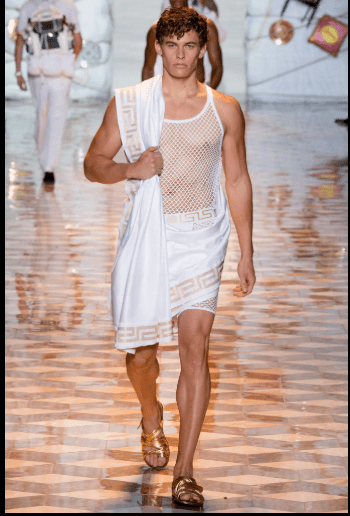 A large, semi-elliptical wool wrap reserved for male Roman citizens, arranged so that a deep pouch-like fold (sinus) and a projecting handhold (umbo) appear across the front. It’s ceremonially draped over a short tunic.
What is the toga?
500
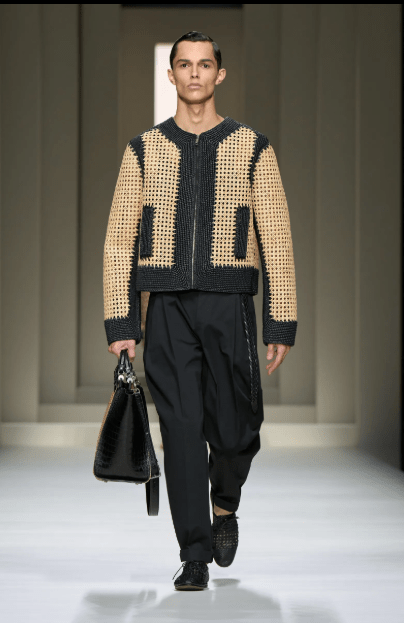
A fitted torso garment for men with set-in sleeves and body-shaping seams, creating an armor-like, structured look that becomes the foundation for later tailoring blocks.
What is the pourpoint?
500
Short, waist-length jacket worn over Empire dresses.
What is a spencer?
500
Of the following developments, which occurred earliest in European fashion history: the farthingale cone silhouette, the robe à la Française with Watteau back, the Directoire/Empire raised-waist column, or the Romantic early-1830s sleeve emphasis?
What is the farthingale?
500
In the Directoire/Empire era, name two menswear elements whose DNA you still see today in formalwear and neckwear traditions.
What are tailcoats and cravats/stocks?
500
Footwear from the Italian Renaissance that raised height dramatically, especially in Venice.
What are chopines?