MODELS OF NUTRITION
COMMUNITY OF INTERACTION
ENERGY FLOW
100
What does “autotroph” mean?
A) Eats others
B) Decomposer
C) Self-feeding

C) Self-feeding
100
What is an ecological community?
A) A single organism
B) All populations of different species living together in one area
C) Only plants in one place
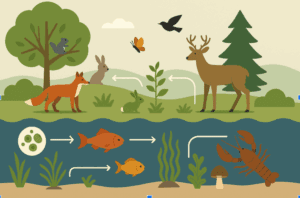
B) All populations of different species living together in one area
100
What is the main source of energy for most ecosystems?
A) The Sun
B) Soil
C) Water
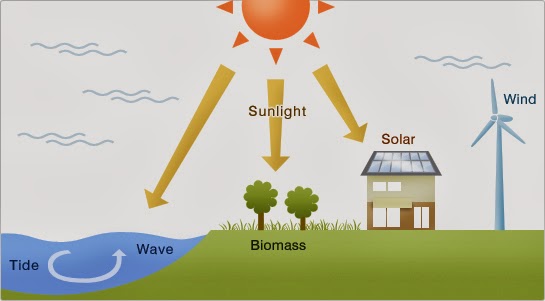
A) The Sun
200
Heterotrophs are also called:
A) Producers
B) Autotrophs
C) Consumers
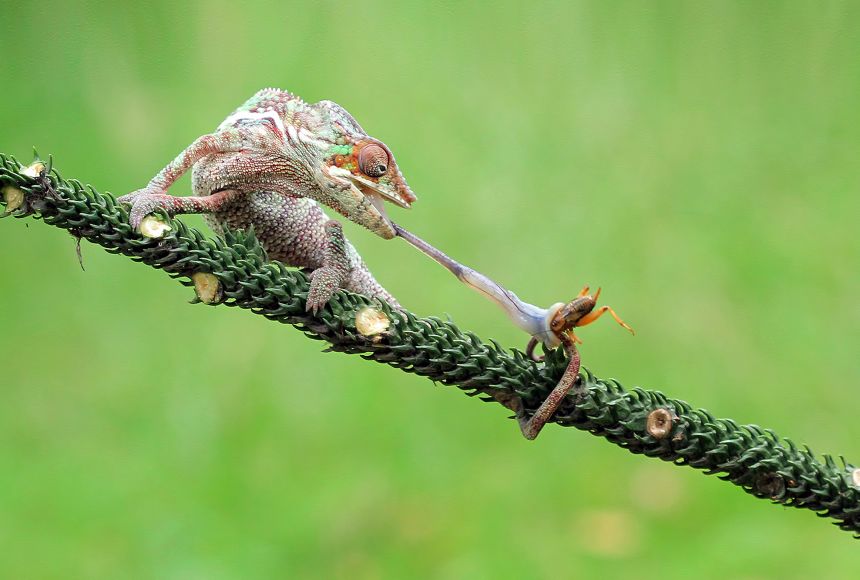
C) Consumers
200
Which interaction benefits both species?
A) Mutualism
B) Competition
C) Predation
A) Mutualism
200
What is a food chain?
A) A network of many feeding relationships
B) A group of decomposers
C) A sequence showing how energy passes from one organism to another
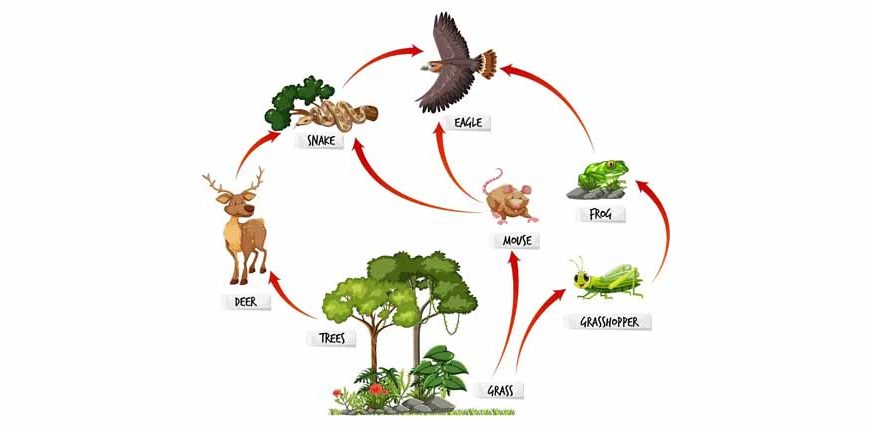
C) A sequence showing how energy passes from one organism to another
300
Which organism is a detritivore?
A) Earthworm
B) Lion
C) Tree
A) Earthworm
300
What happens in predation?
A) Both species benefit
B) One organism eats another
C) Neither is affected
B) One organism eats another
300
What is a food web?
A) A single feeding path
B) A network of interconnected food chains
C) A pyramid of energy only
B) A network of interconnected food chains
400
Which process allows autotrophs to turn light energy into chemical energy?
A) Respiration
B) Digestion
C) Photosynthesis
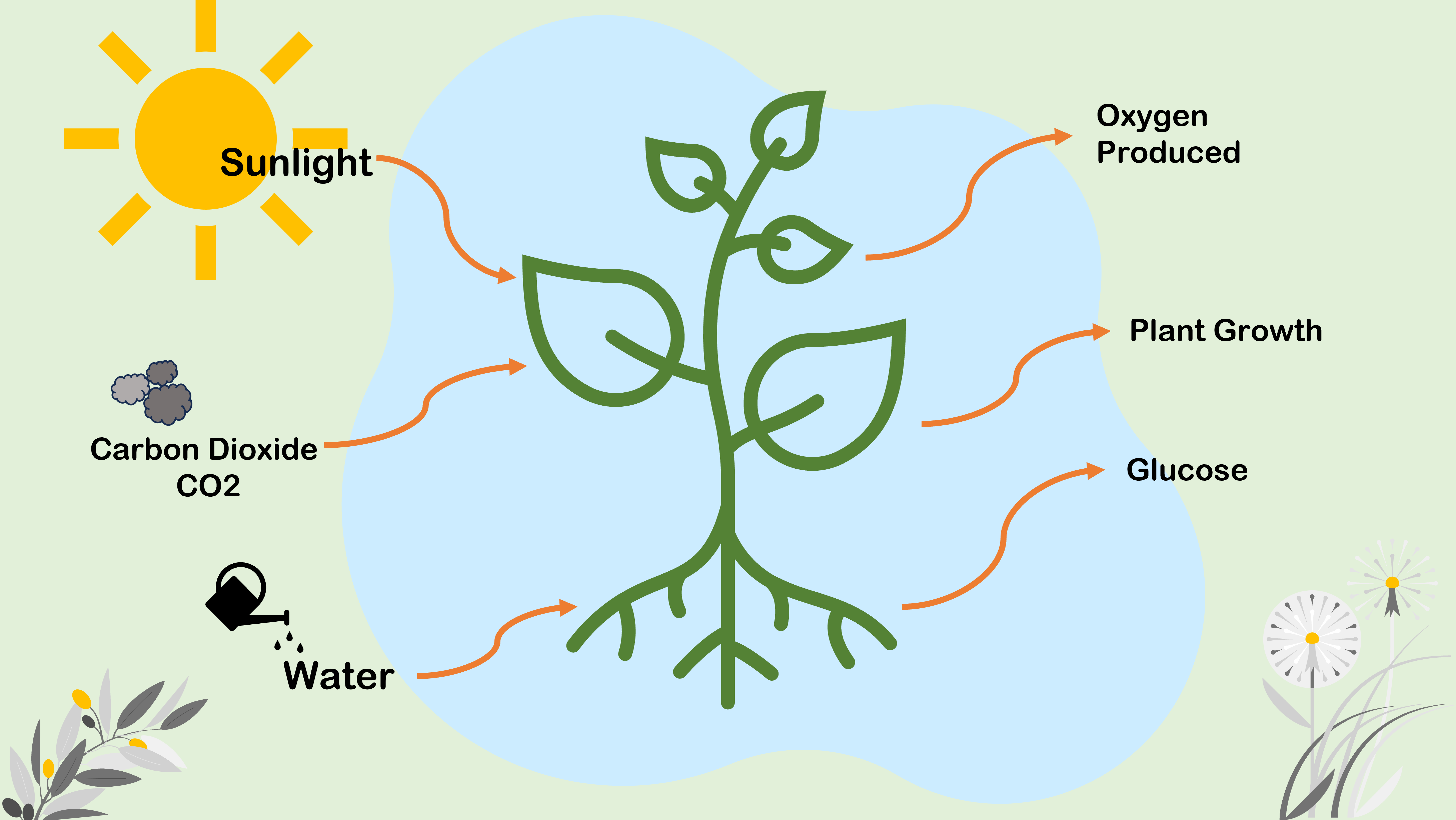
C) Photosynthesis
400
Two species use the same limited resource and both are negatively affected. What interaction is this?
A) Commensalism
B) Competition
C) Mutualism
B) Competition
400
According to the 10% rule, if plants have 10,000 units of energy, about how much is passed to primary consumers?
A) 1,000 units
B) 5,000 units
C) 9,000 units
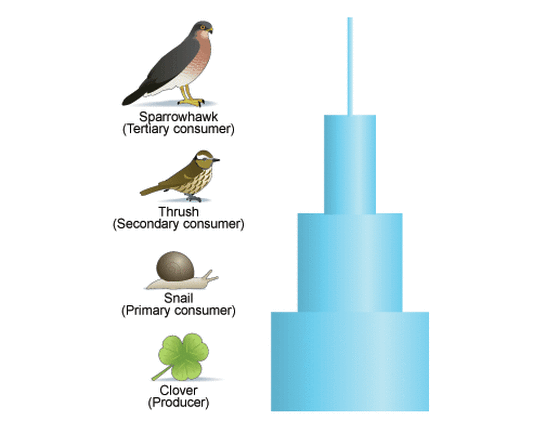
A) 1,000 units
500
An organism uses inorganic chemicals (not sunlight) to produce food. What is it?
A) Chemoautotroph
B) Heterotroph
C) Consumer

A) Chemoautotroph
500
A mosquito feeds on human blood. What type of interaction is this and why?
A) Parasitism, one benefits and the other is harmed
B) Mutualism, both benefit
C) Commensalism, one is unaffected
A) Parasitism, one benefits and the other is harmed
500
Why are there usually fewer organisms at higher trophic levels?
A) Predators move slower
B) Only about 10% of energy transfers to the next trophic level, so less energy is available
C) Higher consumers do not need energy
B) Only about 10% of energy transfers to the next trophic level, so less energy is available