Mindfulness
Gratitude
Coping Strategies
Triggers
Feelings
100
What is mindfulness?
Mindfulness is the practice of paying attention to the present moment—on purpose and without judgment.
It means noticing what’s happening right now (your thoughts, emotions, bodily sensations, and surroundings) without trying to immediately change, suppress, or react to them.
100
What is gratitude?
Gratitude is a feeling of appreciation or thankfulness for something positive in your life, whether it comes from another person, a situation, or simply the present moment.
100
What is the definition of a coping strategy?
Coping strategies are the specific efforts, both behavioral and psychological, that individuals employ to master, tolerate, reduce, or minimize stressful events or situations
100
What are triggers?
Triggers are reminders that cause painful memories or can cause certain symptoms or behaviors to resurface. (For example, substance use.)
100
What are feelings?
An emotional state or reaction.
200
What are 3 types of mindful beathing?
Box breathing, Belly breathing, 4-7-8 breathing, Alternate nostril breathing, Triangle breathing
200
What are three holidays centered around gratitude and why?
Thanksgiving, mother's day, father's day, veterans' day, Independence day, birthdays, etc..
200
What is the benefit of coping strategies in recovery?
They can help you learn to manage stressful and triggering situations without using substances.
200
What are some commonly talked about triggers for substance use?
Being around substances or people who use, smells, places, stress and other negative emotions, peer pressure.
200
Name five feelings.
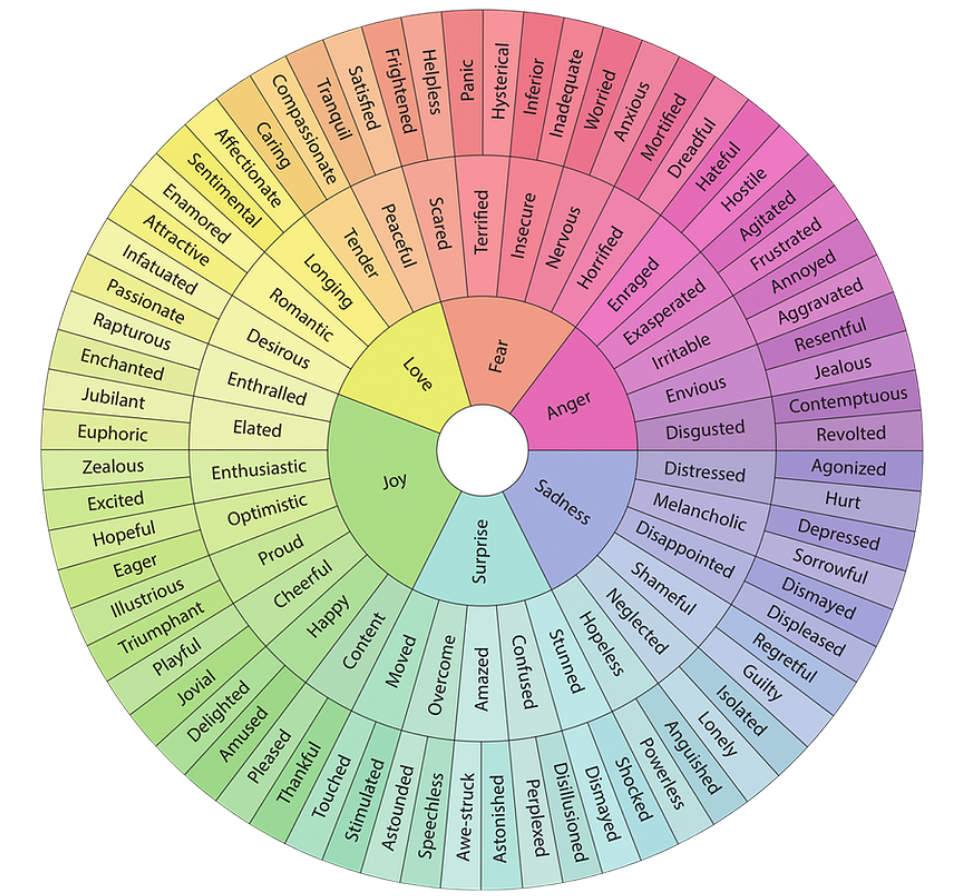
300
What are the five mindful senses?
sight, sound, touch, taste, and smell
300
What are three things you’re grateful for today?
Free
300
What are some common positive coping strategies?
Deep breathing, mindfulness, journaling, talking to a friend, exercise, hobbies.
300
Why is it important to know what your triggers are?
So you can work to manage your reaction and become less prone to the triggers you experience.
300
What is empathy?
The ability to understand and share the feelings of another person.
400
What are some ways you can practice being mindful?
coloring, breathing techniques, journaling, meditating, yoga
400
What are some ways you can show gratitude?
Saying thank you, gratitude journal, actions, verbal expressions
400
What are examples of negative coping strategies?
Substance use, partying, oversleeping, avoidance, spending too much money, harming self or others (fighting), dwelling on negative thoughts.
400
What is the difference between internal and external triggers?
Internal triggers come from inside your own thoughts, memories, or physical sensations. External triggers come from outside yourself, like people, places, or situations.
400
What are unhealthy ways to express your feelings?
Bottling emotions up, avoiding feelings, denying feelings, aggression/fighting, taking emotions out on other people.
500
Why is it important to be mindful?
Being mindful is important because it helps you live more consciously instead of reacting automatically. It strengthens your ability to notice what’s happening inside and around you—so you can respond with clarity rather than impulse.
500
Why is it important to show gratitude?
Showing gratitude is important because it strengthens relationships, improves emotional well-being, and shifts your mindset toward positivity and connection.
500
What is the difference between internal and external coping skills?
Internal coping strategies come from within yourself such as your mind, body, or personal abilities. This includes self-talk and breathing. External coping skills involve the outside world such as getting support from others or asking for advice.
500
What are three of your triggers and how can you manage each individual one when faced with it? (Not avoiding it.)
One word per trigger and method of managing not accepted.
500
What is emotional awareness?
Being able to recognize your emotions and those of others.