Move It, Move It!
Fuel Your Body
Brain Power
Rest & Recharge
MS Life Hacks
100
This type of exercise gets your heart pumping and includes activities like brisk walking, swimming, or cycling.
What is cardio (or aerobic exercise)?

100
A balanced diet can help people with MS maintain a healthy weight and manage this very common symptom that can make everyday activities feel exhausting.
What is fatigue?

100
This cognitive skill allows you to stay focused on a task or conversation, even when distractions are around you.
What is attention?

100
Most adults should aim for at least this many hours of sleep each night.
What is 7 hours?
100
Wearing lightweight clothing, drinking cold water, and using a fan are all strategies that can help manage sensitivity to this.
What is heat?
200
Stretching regularly can help maintain this, which refers to how easily your joints move through their available range of motion.
What is flexibility?
200
Fruits and vegetables are good sources of this nutrient that supports digestion and helps keep you feeling full.
What is fiber?
200
Using a calendar, planner, or phone reminder is an example of a strategy that can help compensate for difficulties with this cognitive skill.
What is memory?
200
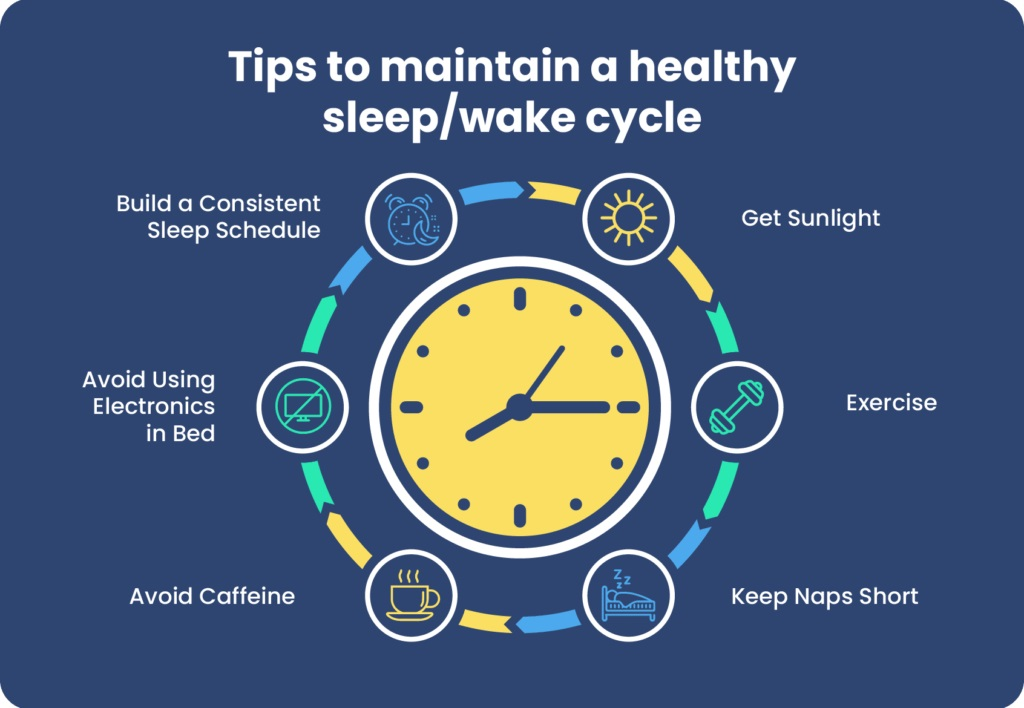
Going to bed and waking up around the same time each day helps regulate this internal 24-hour clock.
What is the circadian rhythm?
200
Using grab bars, removing loose rugs, and keeping walkways clear can help reduce the risk of this common safety concern.
What are falls?
300
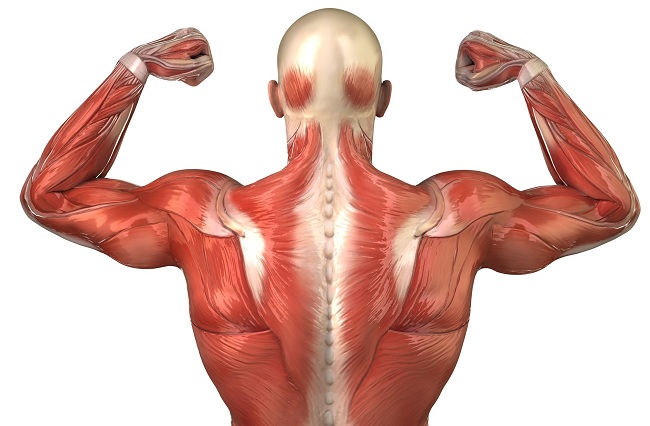
Exercises like sit-to-stands, squats, or resistance-band exercises help build this and can make everyday activities easier.
What is muscle strength?
300
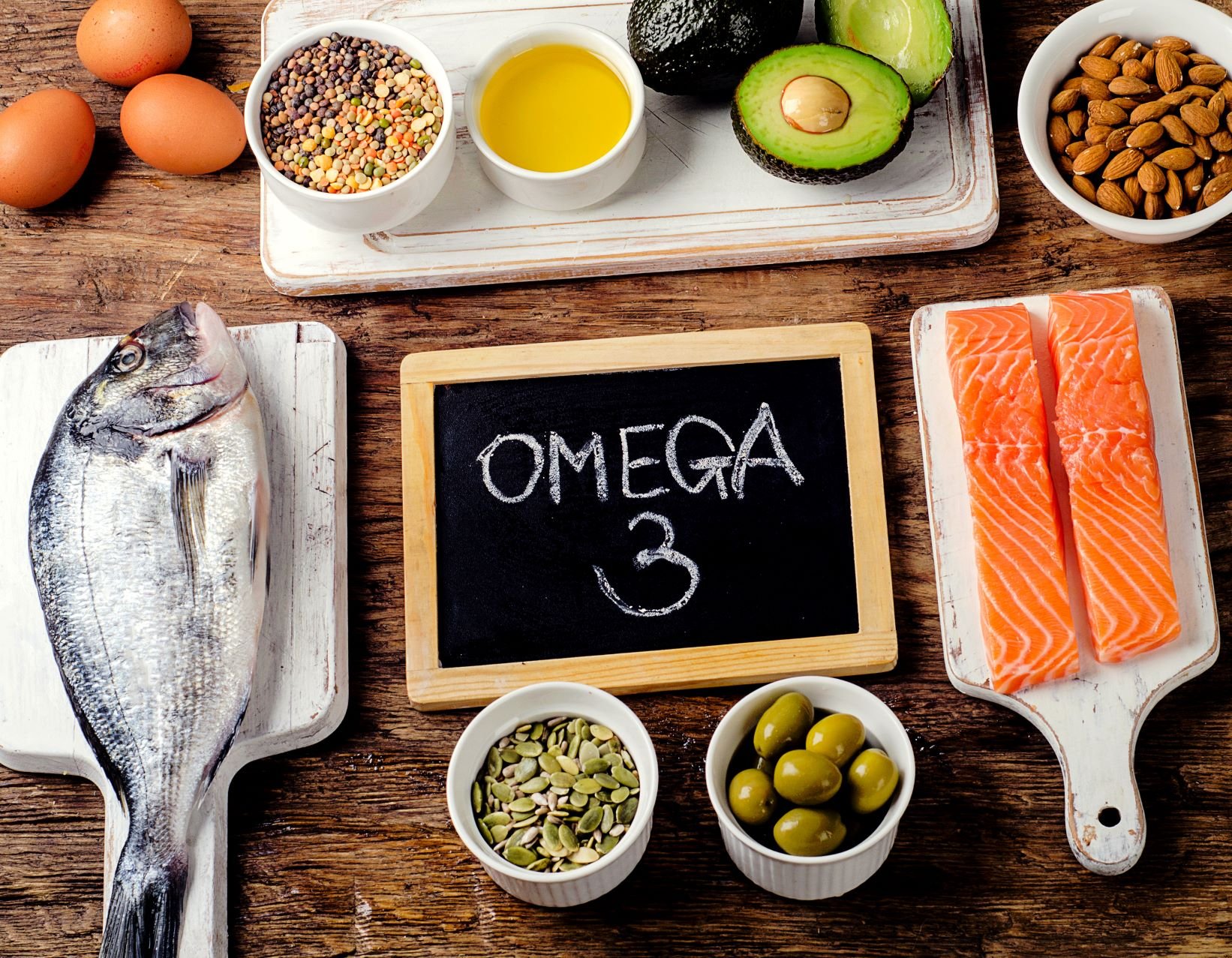
Salmon, sardines, and walnuts are sources of these healthy fats, which are associated with heart and brain health.
What are omega-3 fatty acids?
300
Trying to watch TV while answering emails is an example of this divided-attention behavior, which can make tasks more difficult when experiencing cognitive changes.
What is multitasking?

300
Instead of waiting until you are completely exhausted, this fatigue-management strategy involves taking planned breaks before your energy runs out.
What is pacing OR energy conservation?
:max_bytes(150000):strip_icc()/nap-sleep-relax-down-time-leisure-56b750b15f9b5829f8384238.jpg)
300
A temporary worsening of MS symptoms caused by an increase in body temperature does not necessarily mean a new one of these has occurred.
What is a relapse (or MS attack/exacerbation)?
400
Current physical-activity recommendations for adults with MS generally encourage this many minutes of moderate aerobic activity, twice per week, for those with mild-to-moderate disability.
What is 30 minutes?
400
This vitamin is especially relevant in MS research, and our bodies can produce it when our skin is exposed to sunlight.
What is vitamin D?
400
This term describes the brain’s ability to adapt and form new connections in response to learning, experience, or injury.
What is neuroplasticity?
400
Unlike ordinary tiredness, this common MS symptom can occur even after adequate sleep and may significantly interfere with physical and cognitive activity.
What is MS fatigue?
400
Keeping frequently used items within easy reach and sitting down for tasks like cooking or getting dressed are examples of strategies used to conserve this.
What is energy?

500
Heat can temporarily worsen MS symptoms during exercise. This phenomenon is known by what name?
What is Uhthoff’s phenomenon?
:max_bytes(150000):strip_icc():format(webp)/uhthoffs-sign-2440562-3bc3e6df895b4a2fa770c6531c357bef.png)
500
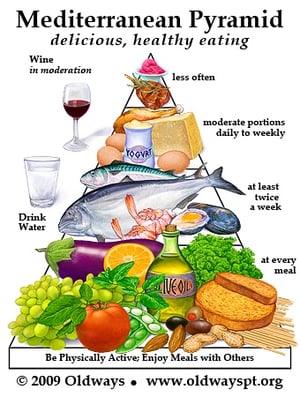
Rather than one specific “MS diet,” experts generally recommend an eating pattern rich in fruits, vegetables, whole grains, and healthy fats, commonly associated with countries bordering this sea.
What is the Mediterranean diet?
500
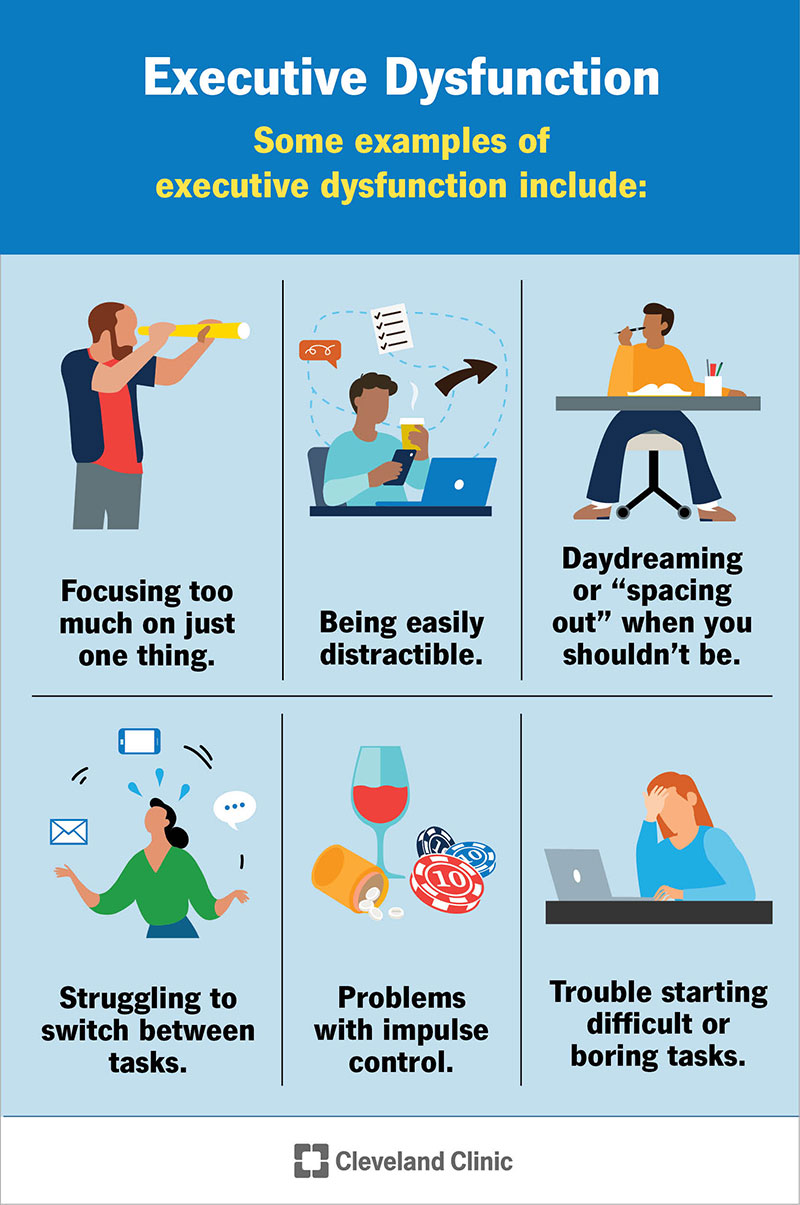
In MS, difficulty planning, organizing, problem-solving, and switching between tasks can involve this group of cognitive functioning.
What are executive functions?
500
When conserving energy, the “4 Ps” are Prioritize, Plan, Pace, and this fourth strategy, which includes sitting instead of standing or arranging your body efficiently during a task.
What is Positioning?
500
Fever, infection, stress, or overheating can temporarily bring back or worsen old MS symptoms without new inflammation. This is known by this term.
What is a pseudo-relapse (or pseudo-exacerbation)?