Thinking and Decision Making
Memory
Random
Cognitive Load Theory
Statistics
Social Learning Theory: Older Review Worth Double
100
This model states that we have 2 systems for problem-solving and decision making
Dual Process Model
100
This memory model states that we store memory in multiple places in our minds
The MSM (Multi-Store Model)
100
The measured variable in research
Dependent Variable
100
The difficulty of processing information due to factors that are outside the task.
Extraneous Load
100
Find the median:
13, 7, 4, 27, 9, 10, 12
10
100
The observer must be able to remember the behavior that they have observed to then reproduce that behavior immediately or after some time has passed.
Retention
200
This system of thinking is fast, automatic, takes shortcuts, uses heuristics, etc
System 1 thinking
200
Patterns of behavior that are learned through our interaction with the environment. We have these for what to expect when one goes to the movies, what behavior is expected on a first date, etc.
Cognitive Scripts
200
Sampling Method: Participants all have an equal chance of being selected. For example, pulling names from a hat
Random
200
the level of difficulty associated with a task.
Intrinsic Load
200
This statistic measures how likely is it that our results are due to random chance?
Statistical Significance
200
The learner must focus on the model in order to learn a behavior. Can be influenced by certain factors, including the model’s attractiveness, authority, or level of entertainment
Attention
300
This system of thinking is slower and more rational; Requires concentration and effort
System 2 Thinking
300
A a system of organizing and perceiving new information; based on our past experiences
Schema
300
Ethical Guideline: Participants should have their data kept private
Anonymity
300
Mani et al found that sugar cane farmers were under higher cognitive load before or after the harvest?
Before
300
True or false: Our results from the anchoring bias experiment were not statistically significant
False
300
Learners must want to replicate the behavior that they have observed. They must understand the potential outcome if they repeat the behavior – was the model rewarded or punished for their behavior?
Motivation
400
This bias is the tendency to rely too heavily on the first piece of info we see when making decisions
Anchoring Bias
400
We tend to notice and remember information that fits our schemas
Schema Congruent Info
400
According to the Multi-Store Model, how do we transfer information from STM to LTM?
Rehearsal
400
In Mani et al, which group was under higher cognitive load when they had to pay $1500 to fix their car?
Poor participants
400
What type of correlation is this? (Strength and Direction)
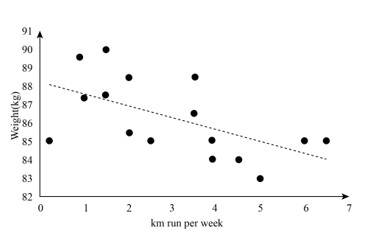
Weak Negative
400
The individual must have the physical and/or mental ability to replicate the behavior. What aspect of SLT is this?
Potential
500
the tendency to focus on and give greater credibility to information that fits with our existing beliefs.
Confirmation Bias
500
We may ignore or forget details that don't fit our schemas.
Schema Incongruent Info
500
Removing a pleasant stimulus to decrease a behavior
Negative Punishment
500
Give an example of technology increasing cognitive load
Ex: Getting notifications on your phone all day
500
Fill in the blank: You can reject the Null Hypothesis if your P-value is _______
Less than .05 / <.05
500
This term means that we don't have to personally experience a reward or a punishment for a behavior; we can watch another person experience it and then learn through observation.
Vicarious Reinforcement