Perserverance
and
hard
work
pays off!
100
Metamorphic rock is formed deep within Earth, under intense _____ and pressure.
heat
100
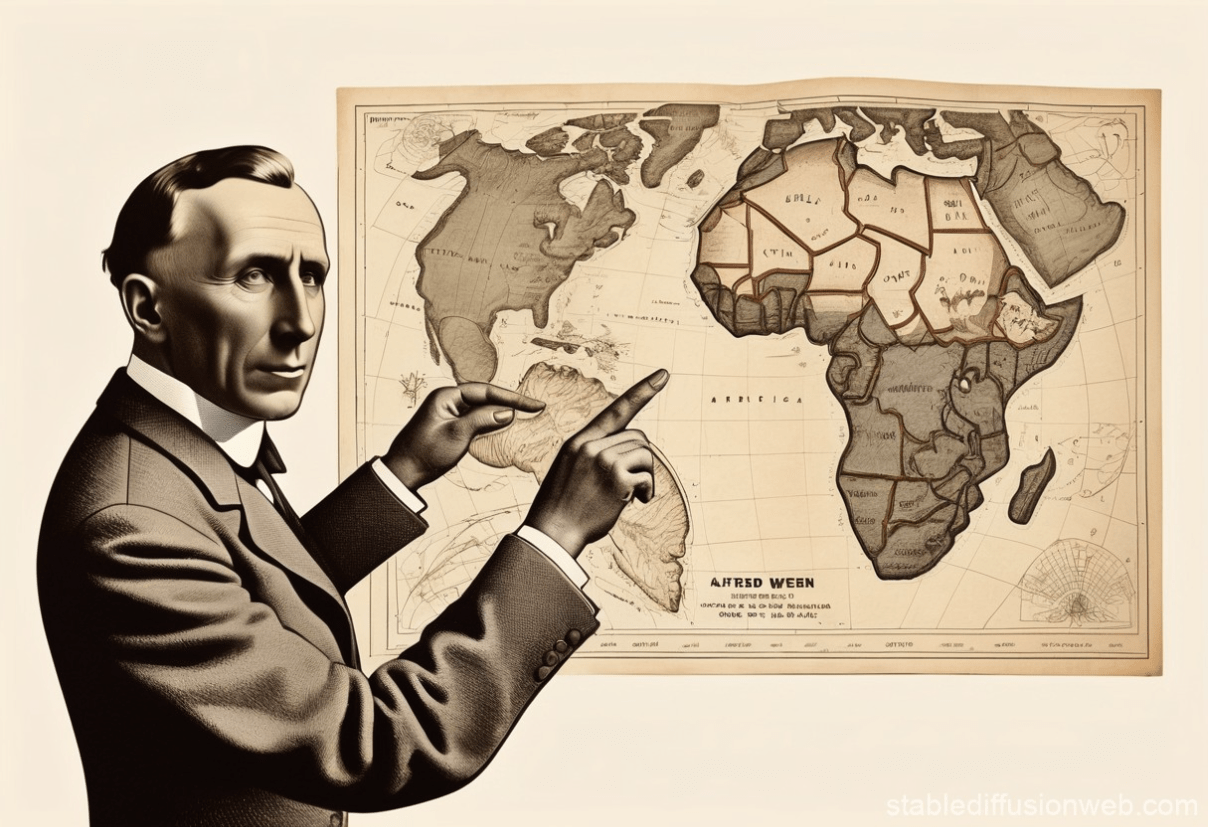 Alfred Wegener collected evidence that suggested the slow movement (drifting) of continents. He made a ______ (a prediction based upon important information he collected).
hypothesis
100
If we were to go into Earth's depths, we would notice that the pressure would _____ greatly.
increase
100
The two types of crust are continental and _____ crust.
oceanic (ocean crust)
100
In order to see the color of a mineral's powder, we can use a ceramic plate to do a _____ test.
streak test 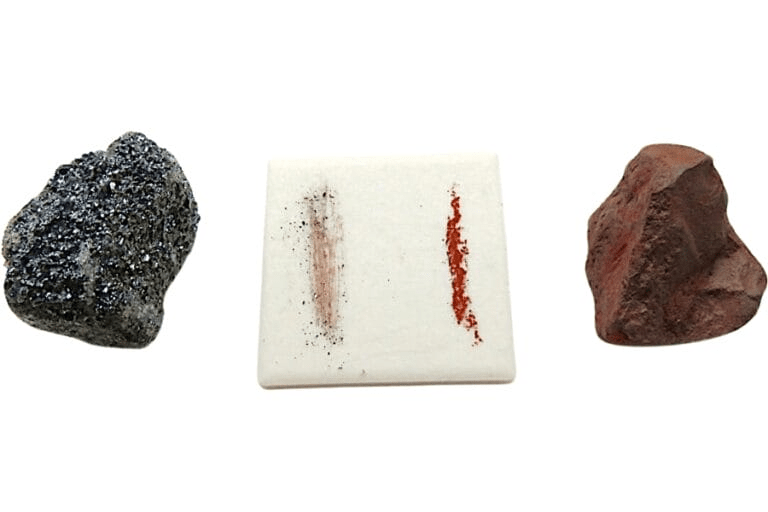
200
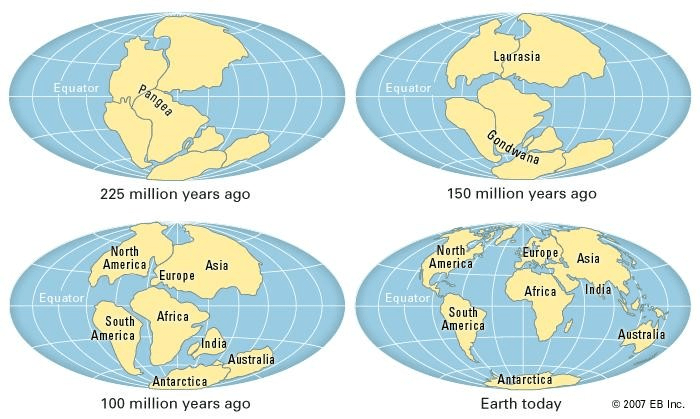
Portions of mountain chains have been found scattered throughout Earth due to continental _______.
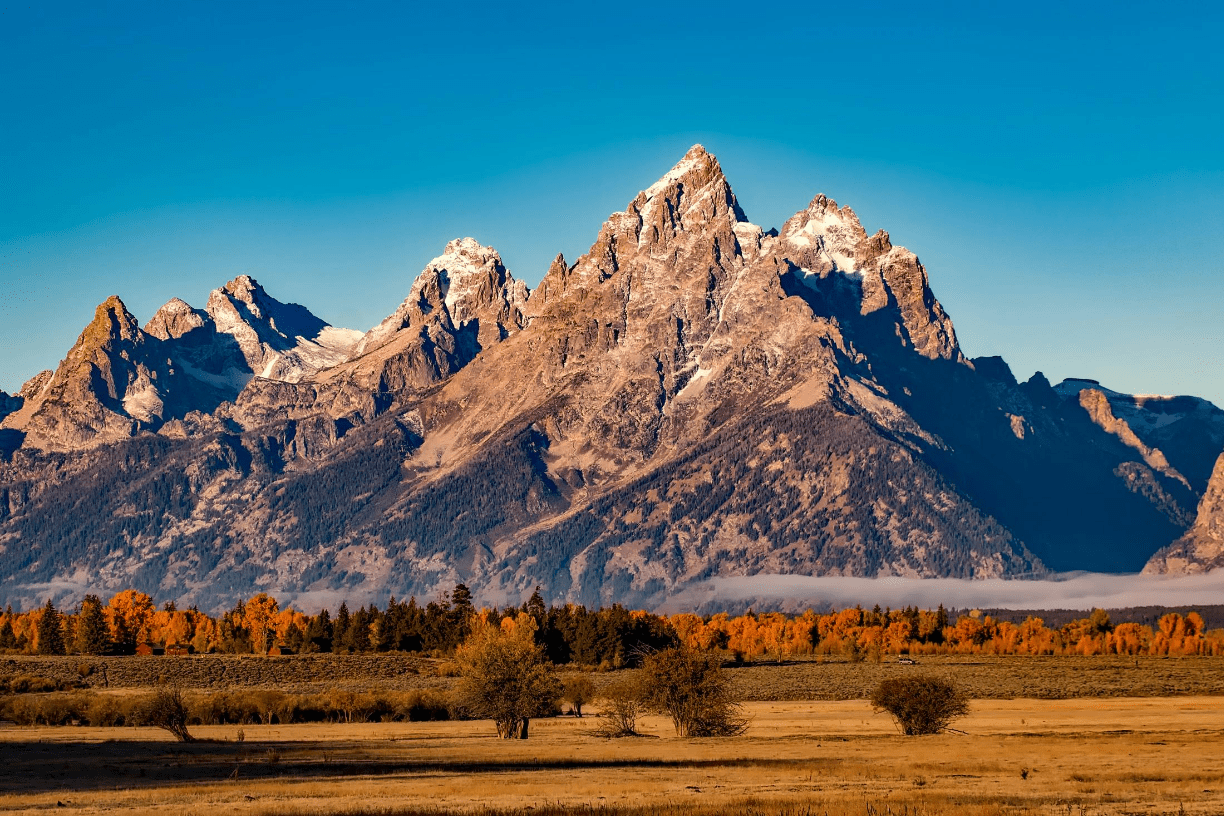
drift
200
Minerals have a ______ structure which means that the particles in the mineral contain a repeating pattern.
crystal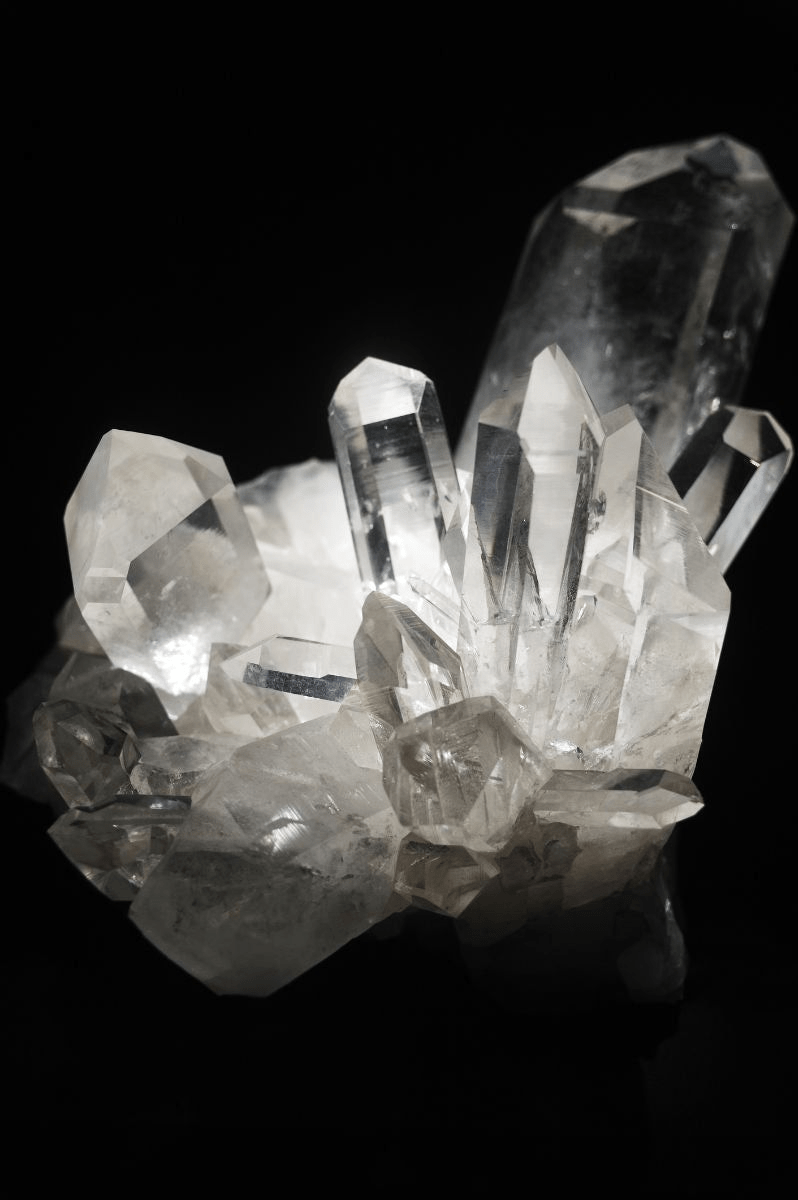
200
The outermost layer of Earth is known as the:
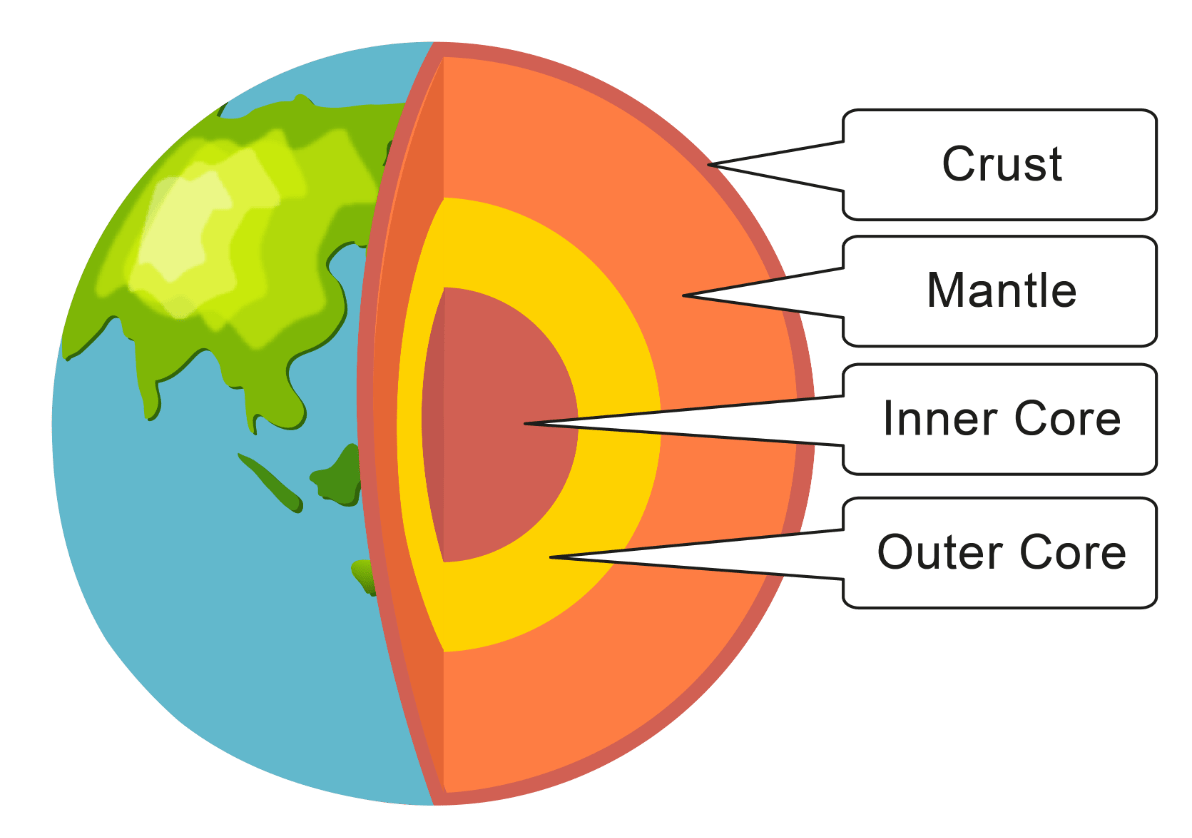 crust
crust
200
Earth's center or_____ is a dense ball of solid metal. It contains Iron (Fe) and Nickel (Ni) atoms.
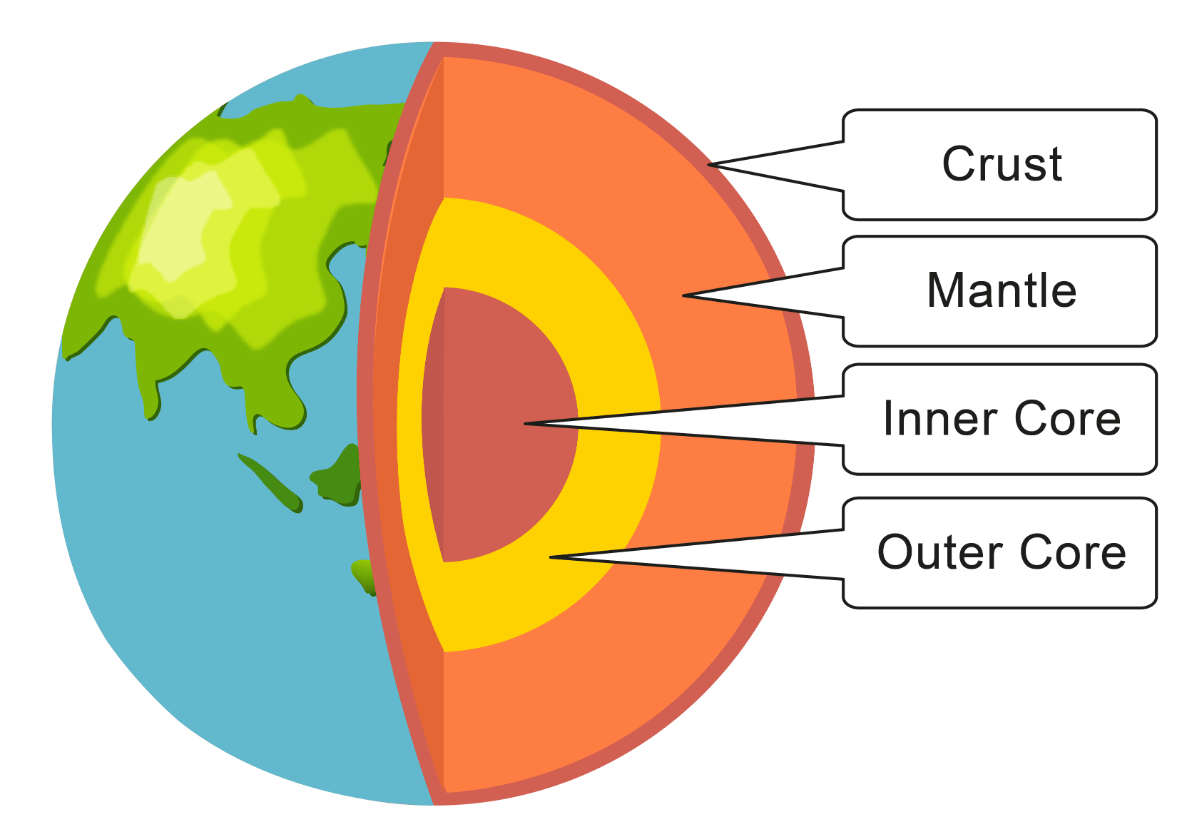 inner core
200
Do you think this mineral shows a dull luster or glassy luster?
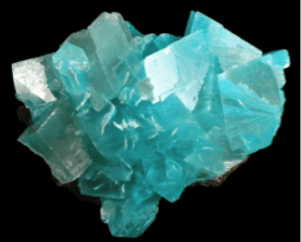
glassy luster - the light reflect off of its surface
300
Sediments are:
small solid pieces of material that come from rocks or the remains of organisms 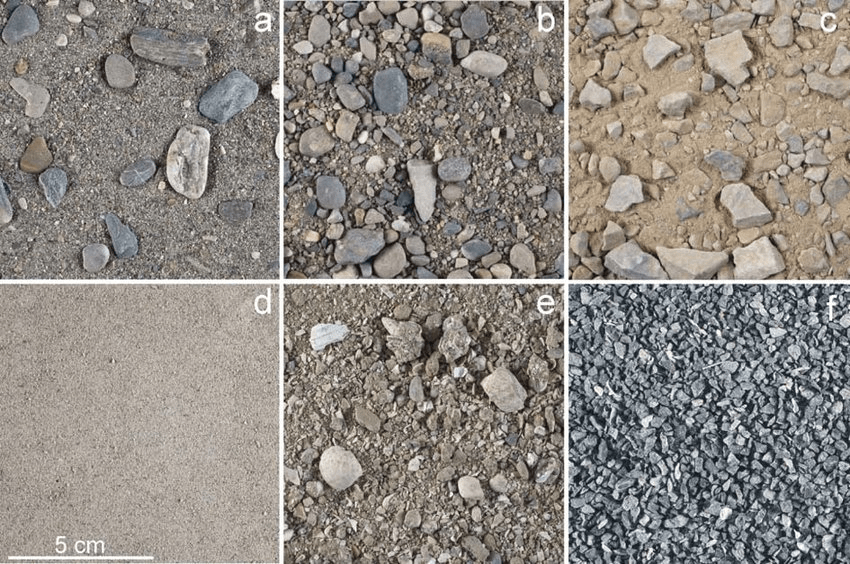 and are deposited by erosion
300
The island of Spitsbergen is currently located in the Arctic Ocean. It contains fossils of tropical plants. How could this be? 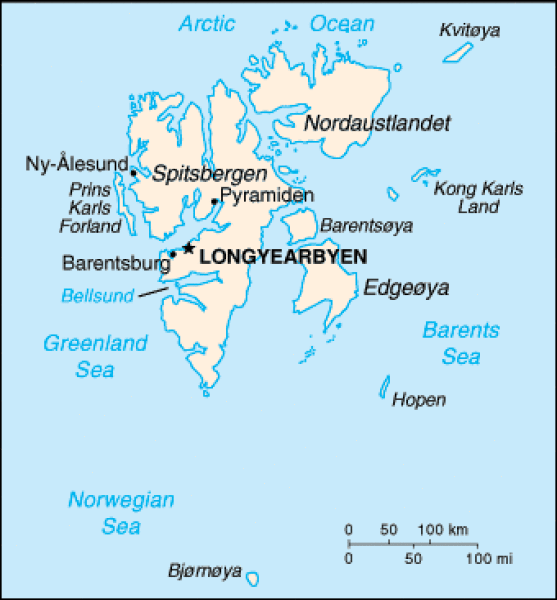
It must have been much closer to the equator at one time for tropical plants to be able to grow and live there.
This provides more evidence for continental drift.
300
What does it mean when we refer to the luster of a mineral?
Luster describes how light reflects off of a mineral's surface.
Common adjectives used to describe luster are:
shiny, metallic, pearly, glassy, dull, nonmetallic, earthy, silky, waxy
300
The three main types of rocks are:
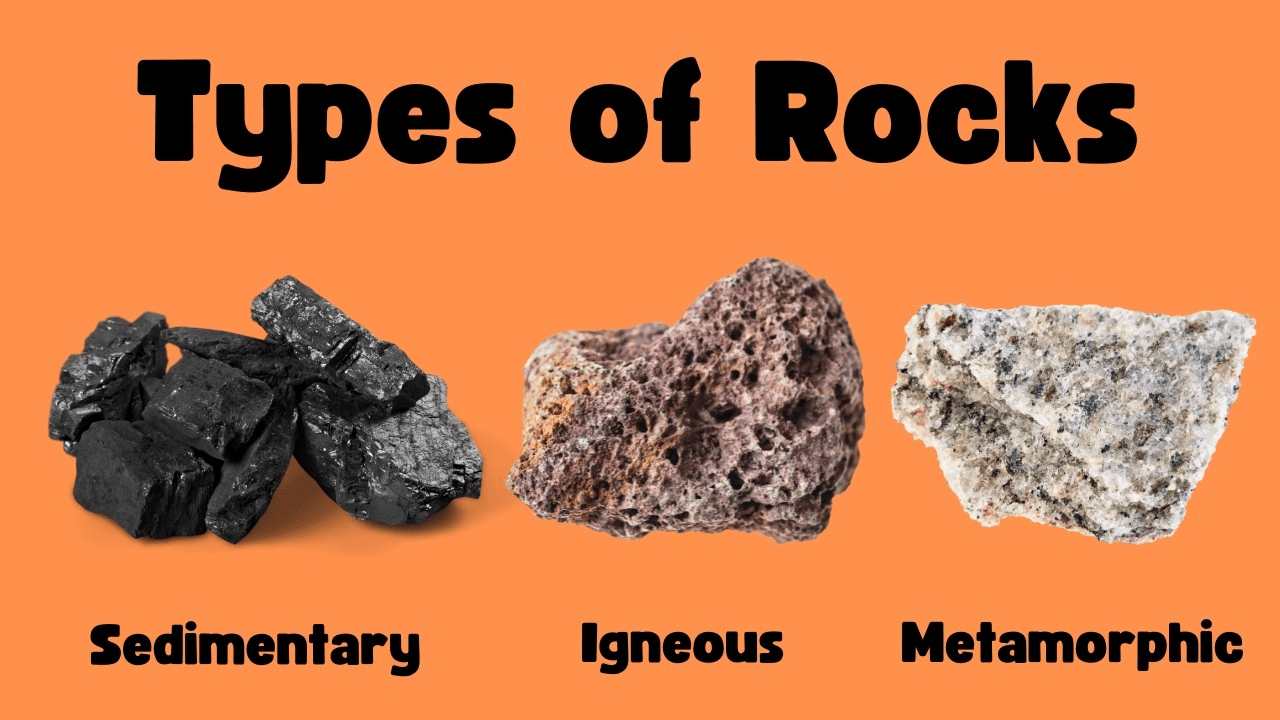 - sedimentary
- igneous
- metamorphic
300
The _____ is the process that occurs on Earth's surface, in the crust and mantle that very slowly changes rock from one kind to another.
rock cycle
400
Take a look at Mohs Hardness Scale below. What minerals shown CAN be scratched by glass or a knife?
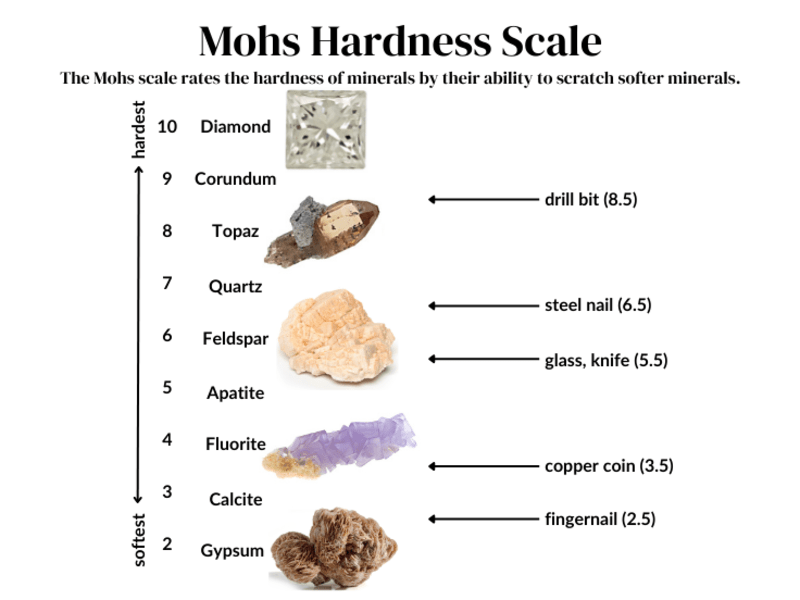
Apatite
Flourite
Calcite
Gypsum
400
Explain where & how coal (a fossil fuel) forms.
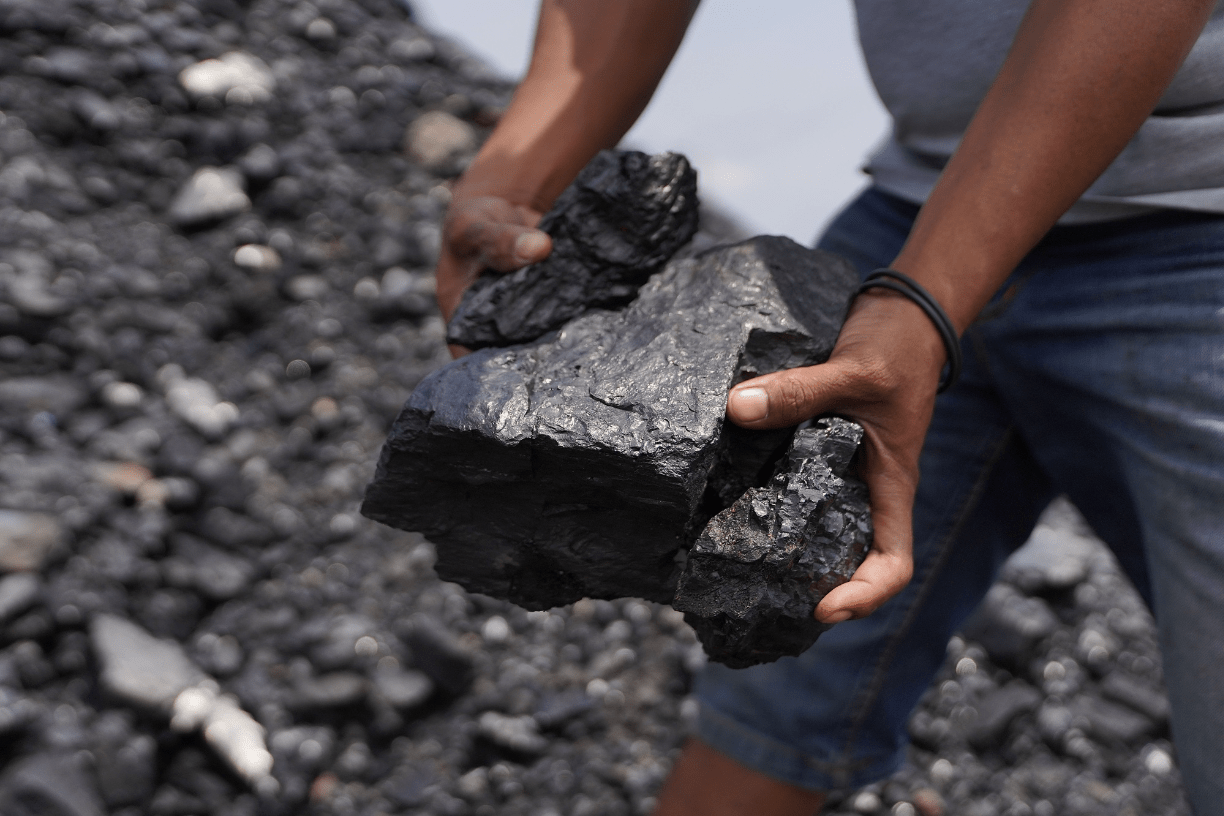
Coal can only form in tropical climates b/c it comes from the remains of tropical plants. If there is coal found, that land must have been located close to the equator at some point.
It take millions of years for coal to form in a warm climate.
400
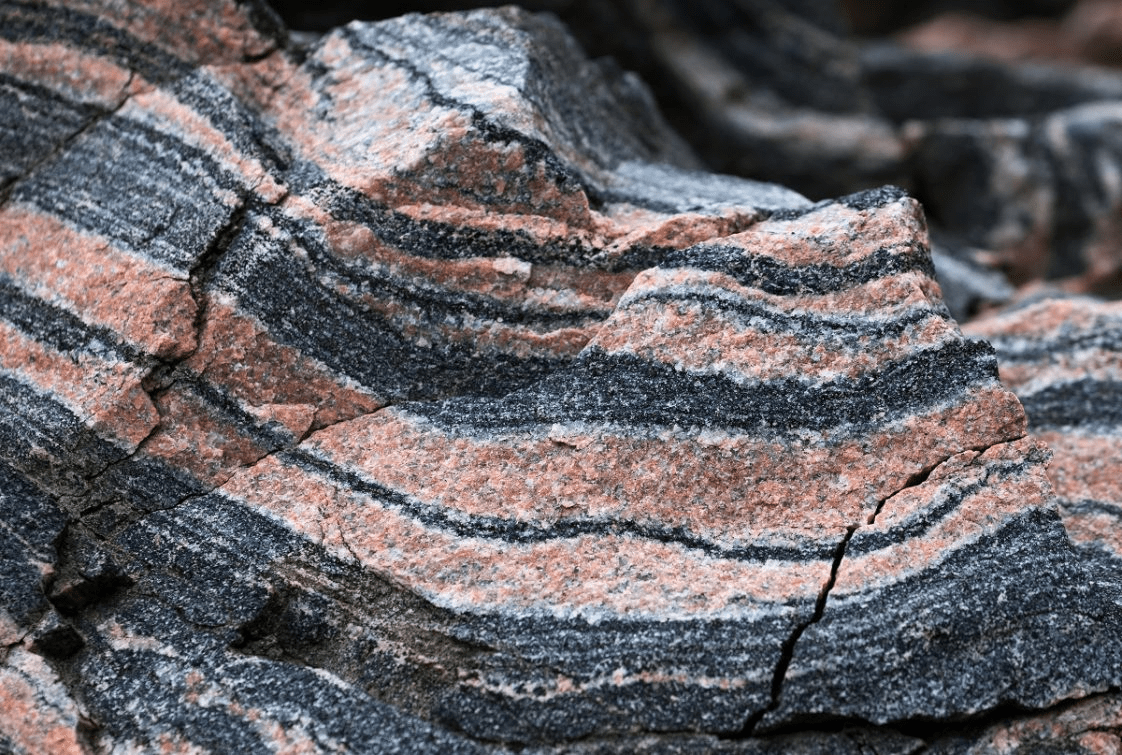
Metamorphic rock can gave different grain patterns: foliated and non-foliated. This specimen shows a ____ pattern. 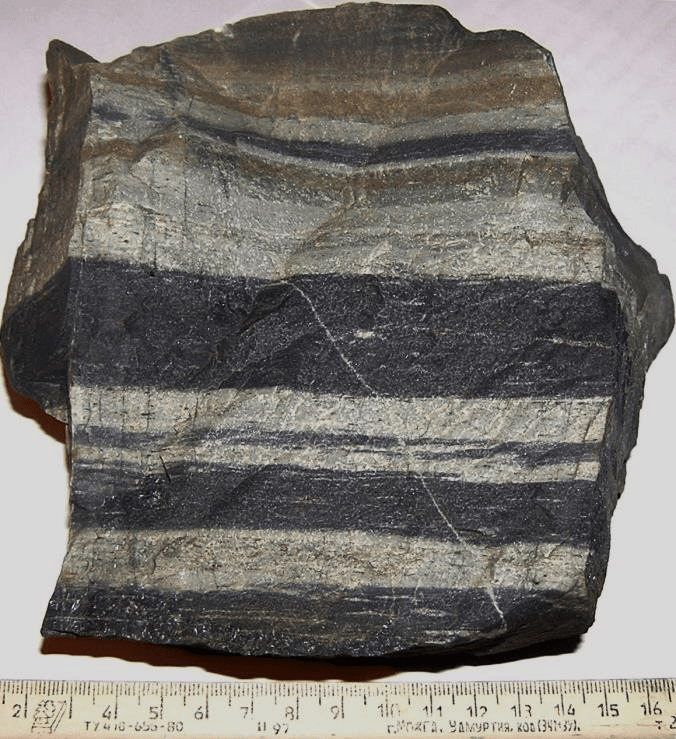
foliated (we see the stripes very clearly which means this rock had a lot of pressure and heat upon it)
400
Minerals can break in two ways --> cleavage (very flat, thin smooth pieces) or ______, which breaks into jagged pieces.
fracture- occurs when a mineral breaks into uneven jagged pieces of different sizes
We talked about someone fracturing a bone vs. breaking a bone. Often times a break is faster to heal :)
400
What causes the tecnotic plates to move? Explain how this occurs.
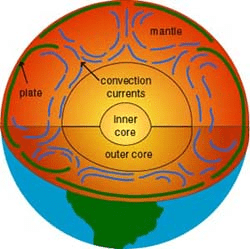 Convection currents cause these massive plates of rock to move. Think of a conveyor belt that helps to move things along. These currents move in a very slow, circular motion spreading heat out evenly.
500
These currents are responsible for the movement of tectonic plates under Earth's surface.
convection currents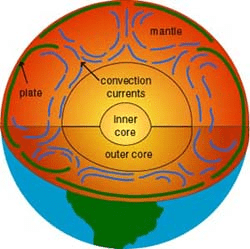
These currents are much like a boiling pot of water or maybe your oven at home-if you have a convection oven. The currents move in a circular motion to evenly spread out heat and keep it moving.
500
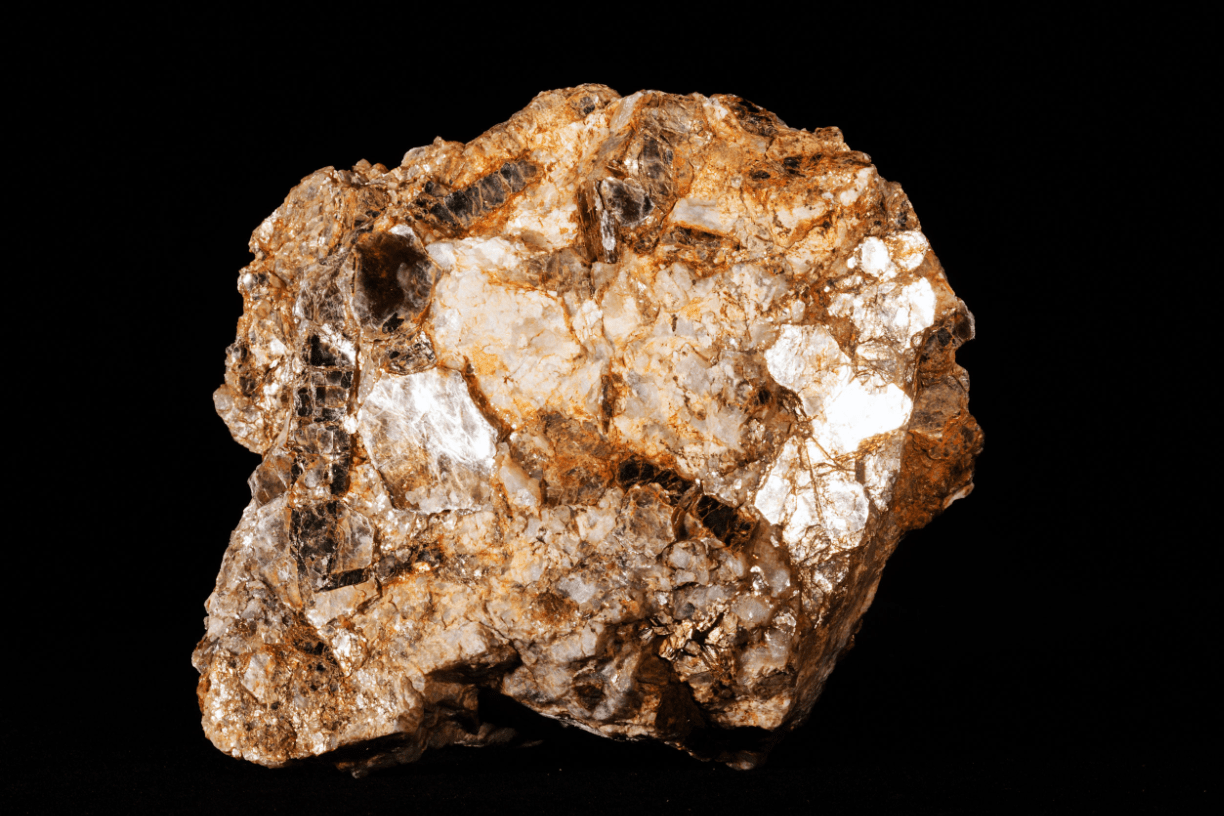 A sample of biotite has a mass of 180g and a volume of 25cm³. What is the density of this mineral sample?
Recall: Density = M/V (mass divided by volume)
7.2g/cm³
500
Geologists can collect direct evidence by examining rocks and minerals at or near Earth's surface, but material much deeper in is tricky to observe. How are scientists able to gather data & information in this case?
They use seismic waves- invisible waves that can go through Earth's layers.
When they hit new material, they bend. This information helps scientists understand inner Earth's temperatures & types of material within.
500
When examining different minerals, why is it important to look at more than one property such as color?
There are SO many minerals! Determining a mineral by color only, would not be the best option- too many minerals have the same color. We have to look at other properties to help us (luster, hardness, breakage type, etc.)
500
How did coal deposits end up in countries all over the world, if coal can only form in warm climates?
Over time the continents moved apart very slowly which caused coal desposits to scatter.