Native Plants and Bees
Non-Native Bees and Insects
Identifying Bees and Similar Insects
Native Bee Facts 1
Native Bee Facts 2
100
This plant, often regarded for its vibrant and super blooms, is preferred by the tiny sweat bees and even smaller Perdita species.
What is the California Native Poppy?
100
These bees are non-native to California and originally came from Europe.
What are honeybees?
100
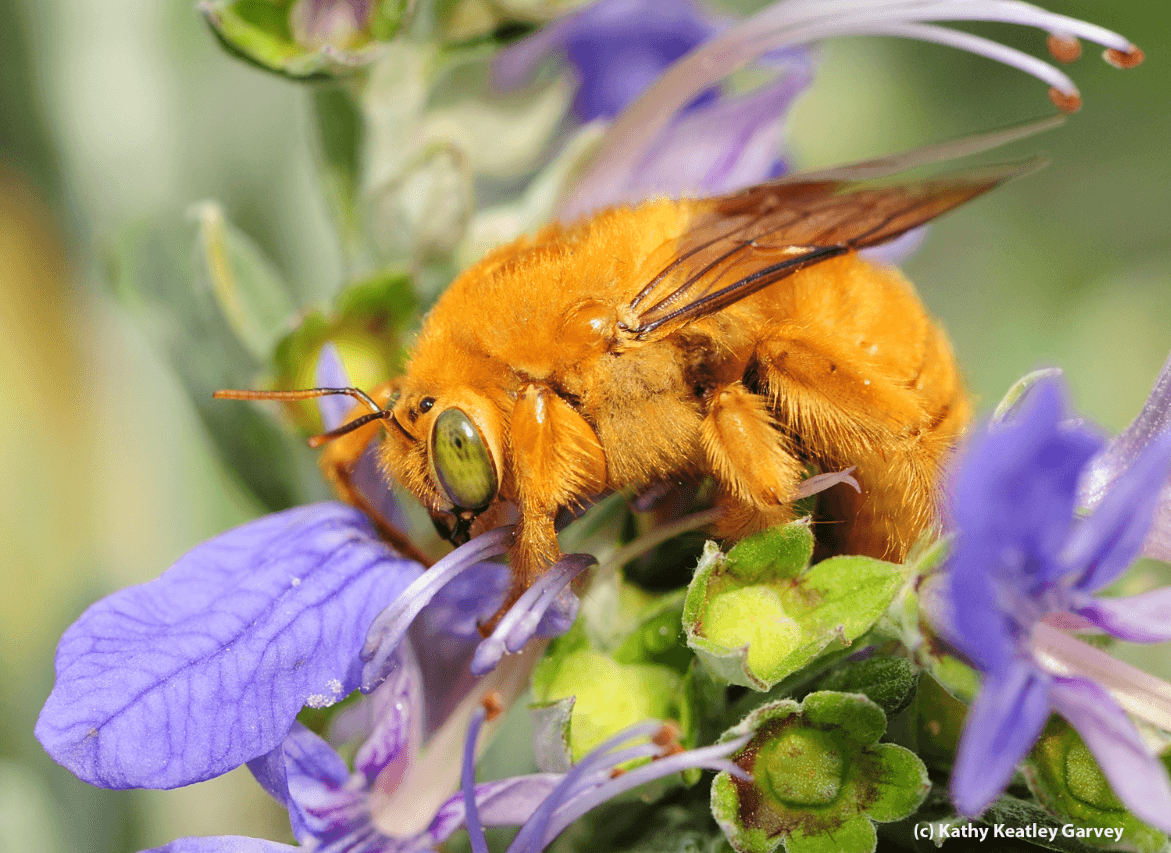 This male valley carpenter bee is brown and fuzzy, does not sting, and has this colloquial name comparing it to a stuffed animal.
What is a teddy bear bee?
100
This native bee lives in annual colonies with worker bees living under a queen.
What is a bumblebee?
100
Unlike honeybees, female bees native to California are often found nesting here.
What is in the ground?
200
This plant has a fragrant, purple bloom that is favored by the large carpenter bees.
What is lavender?
200
These insects can sometimes be mistaken for bees but can be distinguished by their large compound eyes and small antennae.
What are flies?
200
 This native bee is aptly named for its habit of landing on humans to lick up sweat.
What are sweat bees?
200
Agricultural crops that rely on buzz pollination such as tomatoes, avocados, cherries, apples, alfalfa, blackberries, and blueberries can only be pollinated by this kind of bee.
What is a bumblebee?
200
Contrary to popular belief, California has more than just honey bees—in fact, it has this number of native bee species.
What is 1,600?
300
This muted green plant with various blooms, often used for its unique spiritual, medicinal, and cooking applications, is commonly preferred by carpenter bees, bumble bees, digger bees, and long-horned bees.
What is sage?
300
These insects can often be mistaken for bees, but can be identified by their thin waists and ocular sinuses around the eyes.
What are wasps?
300
This is this commonly encountered native bee.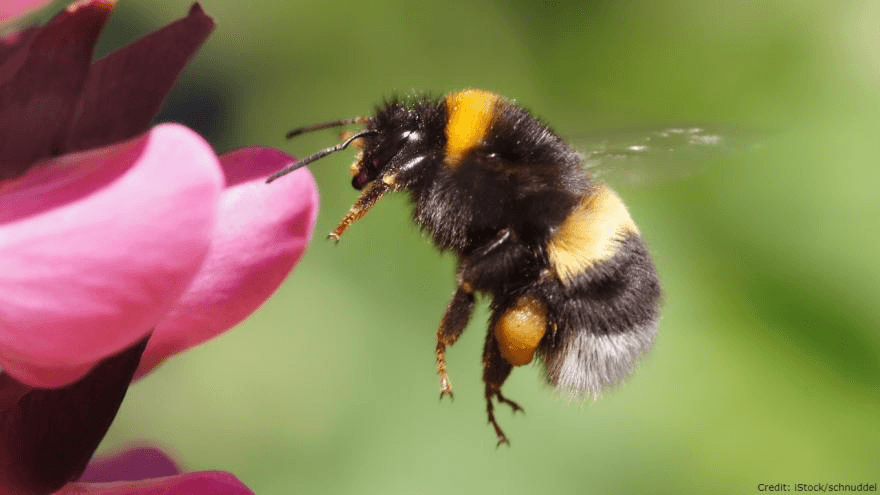
What is a bumble bee?
300
This California Native plant named after an apple flowers early, providing food sources for bumblebee queens emerging from winter hibernation.
What is manzanita?
300
Which UC campuses are known for their research on native bees?
What are UC Berkeley and UC Davis?
400
This native shrub, popular amongst bumblebees, mining bees, mason bees, and sweat bees, is revered for its exuberant blooms made up of small, purple to blue-toned flowers.
What is the California lilac?
400
This is the pollination rate of honeybees, which is far lower than the success rate of pollination for most native bee species.
What is 5%?
400
This bee is named for its defining facial feature.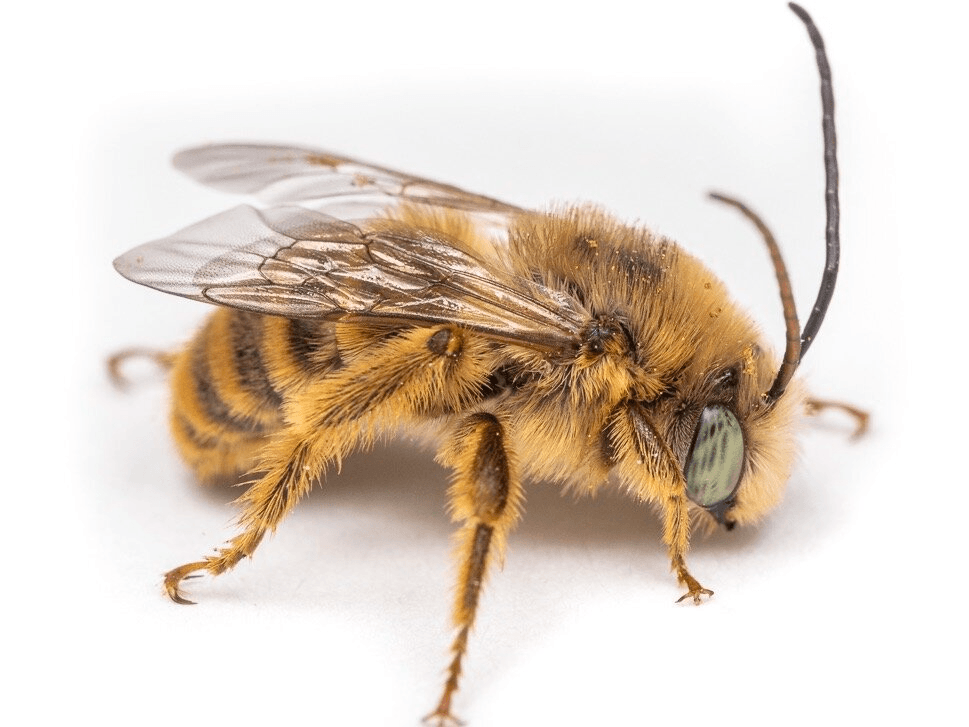
What are long-horned bees?
400
Bees have this number of eyes.
What are 5 eyes? (2 compound eyes on either side of their head and three simple eyes in the middle)
400
This is the most common native bee in Southern California, with a distinctly round body and yellow facial hair.
What is the yellow faced bumblebee (Bombus vosnesenskii)?
500
This tree, with vibrant magenta-pink springtime blooms, is known to attract leafcutter bees as a place for females to provide shelter for their eggs.
What is a Western Redbud?
500
Another way to distinguish wasps and bees is through parasitism. While wasps are parasites of other creatures, native bees are parasites of these.
What are other bee species?
500
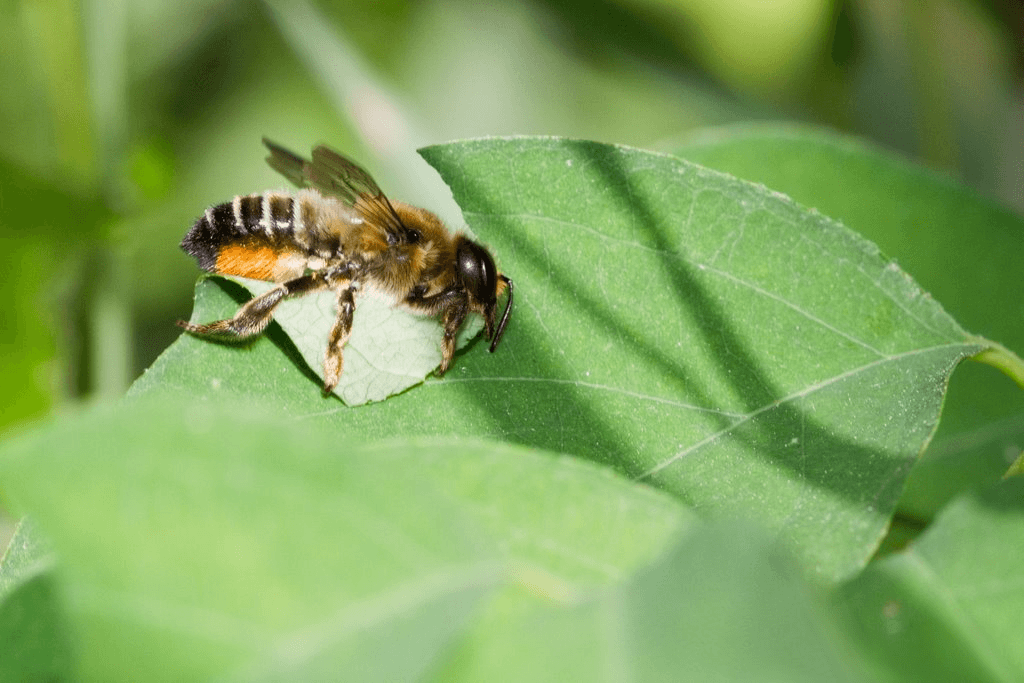 This bee is named for its ability to cut leaves to use for partitioning its nests.
What are leaf-cutter bees?
500
Which music note can be used by a tuning fork to simulate buzz pollination?
What is the middle C note?
500
These cut pieces of leaves are used to partition some native bee eggs from the rest of the nest.
What do leafcutter bees use leaves for?