PA Animals
PA Plants
PA Fish
Greenwood furnace
Leave No Trace
100
This animal is known for its antlers and white tails
White tailed deer
100
This plant is one of the few plants that host monarch butterflys
Butteryfly Milkweed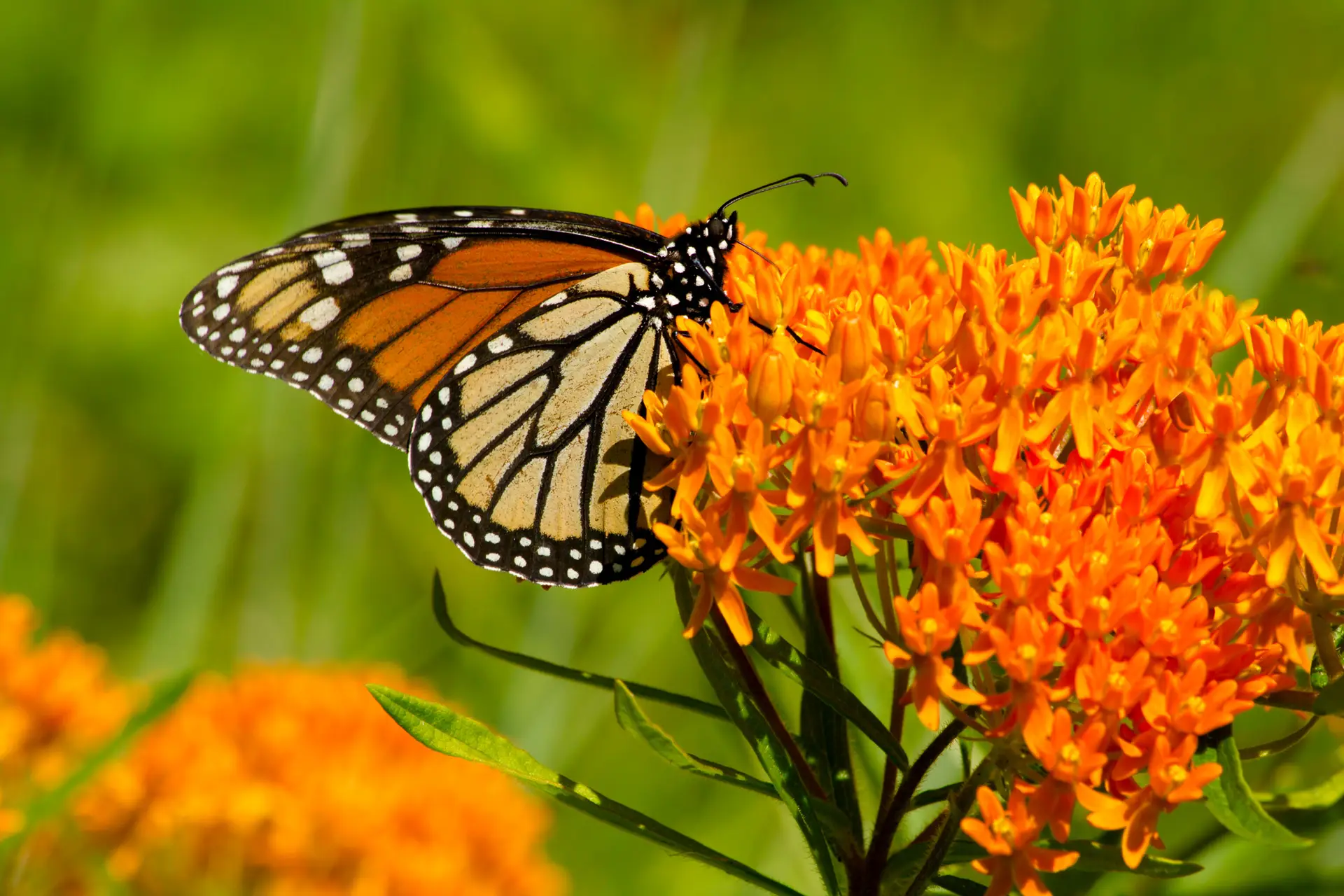
100
This colored fish is commonly found in shalow waters of lakes and pounds.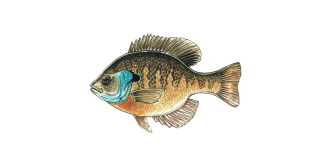
Bluegil
100
What group of Native Americans used to live in the area of Greenwood Furnace?
The Iroquois Confederation
100
How many principles of Leave No Trace are there?
7
200
What type of Fox is this?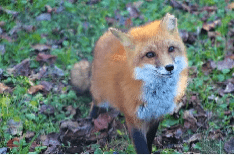
Red Fox
200
What is this flower called?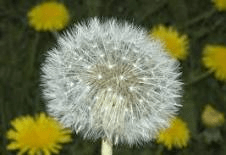
Dandelion
200
This fish has long whiskers like barbels. 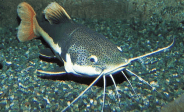
Catfish
200
How The number of furnace stacks present in Greenwood?
2
200
if you bring trash or food into a campsite what should you do with it?
Take it with you
300
This Animal can wiegh up to 600lbs, run 35 mph and climb trees.
Black Bear 
300
This tree has the highest sugar content for making maple syrup.
Sugar Maple
300
What is the State Fish? It is the only trout species native to the State of Pennsylvania.
Book Trout 
300
Services are held, every Sunday, from Memorial Day to Labor Day in this building that was constructed in 1867
The church.
300
You see a very cute deer what should you do? 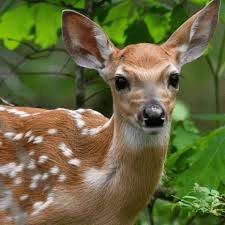
Leave it alone. You can take a photo from a distance.
400
This Mammal lives in caves and can fly
A Bat, the Indiana bat, is an endangered species. It has been found in limestone caverns and abandoned mines in Pennsylvania.
400
This tree is the Pennsylavania state tree
Eastern Hemlock 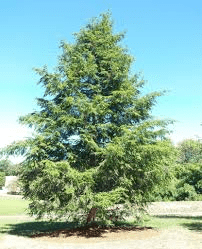
400
This fish has yellow, bean-shaped spots on a green-yellow body, and its name starts with "northern". It likes to swim in weedy waters.
Northern pike 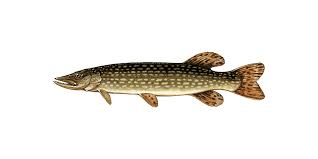
400
How many acres is Greenwood Furnace State Park? (rounded to nearest 100)
423 acres.
400
What tool should you use to limit the use of rock cairns, flagging, or making paint?
Map and compas
500
This Animal is the second largest of the deer family in North America. Also shares its name with a county in PA.
Elk 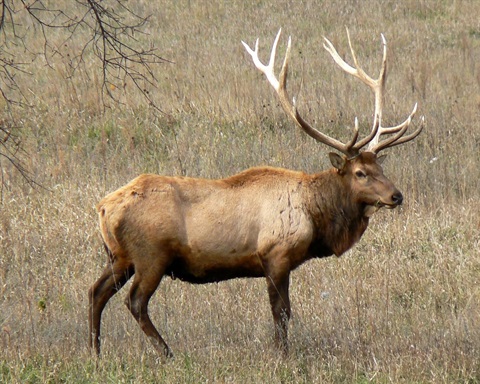
500
What is this invasive flower called?
multi-flora rose
500
This fish inhabits clear, vegetated lakes, ponds, swamps, and the backwaters of pools, creeks, and rivers.
Largemouth bass
500
How hot did the Furnace get?
3,000 degrees Fahrenheit.
500
Why should firewood come from around your campsite?
To prevent spreading invasive species.