MCQ 1
MCQ 2
MCQ 3
MCQ 4
Alternate Format:
SATA and Ranking 500
SATA and Ranking 500
100
A nurse in the emergency department is caring for a client who is intoxicated. The client has a positive urine drug screen for alcohol and opioid narcotics. Which of the following is the initial priority for care of this client?
a. Monitor the client’s environment to keep it safe and not over-stimulating
b. Ensure that the client has a ride home from a friend or family member
c. Provide written resources for the client to read about substance abuse rehabilitation
d. Give the family a list of substance abuse support groups

BoardVitals. (n.d.). NCLEX-RN practice questions and rationales. https://www.boardvitals.com
Correct Answer:
a. Monitor the client’s environment to keep it safe and not over-stimulating
Incorrect Answers:
B. The nurse must first ensure that the client is safe; determining whether the client has a ride home would take place later.
C. The client does not need written information about rehabilitation upon admission to the emergency department. An intoxicated client has impaired reasoning and cognition.
D. While a list of support groups might be helpful to the family, this is not the nurse's first priority.
100
A nurse working in a psychiatric unit is caring for a client who has been involuntarily admitted for suicidal ideation. Which of the following is the priority for the plan of care?
a. Safety
b. Sleep
c. Self esteem
d. Improved family dynamic

BoardVitals. (n.d.). NCLEX-RN practice questions and rationales. https://www.boardvitals.com
Correct Answer:
A. Safety
Incorrect Answers:
B. Sleep is a physiological need for the client but life-threatening physiological needs take priority, so safety is the priority need.
C. The nurse can work with the client to improve self-esteem, but the highest priority is to ensure client safety.
D. Improved family dynamics may be a treatment goal, but safety is the highest priority.
100
A nurse is preparing to administer an intramuscular (IM) injection of morphine to a client. Which of the following assessments is the nurse’s priority?
a. Last time the client voided
b. Blood pressure
c. Level of consciousness
d. Respiratory rate
BoardVitals. (n.d.). NCLEX-RN practice questions and rationales. https://www.boardvitals.com
Correct answer:
D. Respiratory rate
Incorrect Answers:
A. The nurse should assess the last time the client voided due to the potential adverse effect of urinary retention. However, there is another assessment the nurse should perform first.
B. The nurse should assess the client’s blood pressure due to the potential adverse effect of orthostatic hypotension. However, there is another assessment the nurse should perform first.
C. The nurse should assess the client’s level of consciousness due to the potential adverse effect of sedation. However, there is another assessment the nurse should perform first.
100
Which of these clients should the nurse assess first?
a. A client who has shortness of breath from moderate pleural effusion and is waiting for thoracentesis
b. A client who just had a long leg cast applied and has severe pain despite a dose of morphine
c. A client with cellulitis who is receiving a first dose of IV antibiotics and has throat tightness
d. A sickle cell crisis who has severe bone pain despite a dose of morphine

(Silvestri and Silvestri, 2023)
Correct answer:
C. A client with cellulitis who is receiving a first dose of IV antibiotics and has throat tightness
100
The nurse is preparing to call report to the receiving unit on a client in their care. They are preparing to use the SBAR report method. The nurse is aware the acronym SBAR includes the following components: Select all that apply.
a. Situation
b. Scheduled tests
c. Background
d. Arrhythmias
e. Assessment
f. Report
g. Recommendation

BoardVitals. (n.d.). NCLEX-RN practice questions and rationales. https://www.boardvitals.com
Correct answer(s):
A, C, E, G
Incorrect Answers: B, D, F
This is not a component of SBAR
This is not a component of SBAR
This is not a component of SBAR
200
An unlicensed nursing assistant notifies the RN that an assigned client is complaining of severe chest pain. What should the RN do first?
a. Notify the healthcare provider.
b. Assess the client.
c. Ask an LPN to take the client’s vital signs.
d. Call the ECG technician to perform an ECG.

BoardVitals. (n.d.). NCLEX-RN practice questions and rationales. https://www.boardvitals.com
Correct Answer:
B. Assess the client
Incorrect Answers:
A. The RN should first assess the client and then notify the healthcare provider after determining if the client is stable. A nurse cannot delegate tasks that require clinical judgment to a practical nurse or assistive personnel.
C. A primary nursing assessment must be performed by the RN to determine if there is a significant change in the client's condition.
D. An RN must personally assess the client before taking any action since a primary assessment of a change in the client's condition cannot be made by assistive personnel. The RN should not act on a report from a less-qualified staff member.
200
A nurse beginning her shift notices that a nurse on the previous shift administered 40 mg of IV furosemide to a client admitted with congestive heart failure who had a prescription for 80 mg IV furosemide. What should the nurse do FIRST?
a. Notify the nursing supervisor and file an incident report
b. Administer the correct dosage and notify the nurse of the mistake
c. Assess the client and notify the healthcare provider
d. Notify the client and file an incident report
BoardVitals. (n.d.). NCLEX-RN practice questions and rationales. https://www.boardvitals.com
Correct Answer:
C. Assess the client and notify the healthcare provider
Incorrect Answers:
A. The client assessment is first, then the healthcare provider should be notified to determine the course of care. The healthcare provider should be notified of the client's condition when the client is stabilized, then the nursing supervisor should be notified. An incident report should be filed within 24 hours.
B. The first action is a client assessment since the safety of the client is paramount. Furosemide is often the first line of treatment in a client with an exacerbation of congestive heart failure, and the oral dose is usually given intravenously and increased if there is no response.
D. The client should be assessed, and the healthcare provider must be notified.
200
Which of the following clients should receive priority for a nurse’s assessment at the beginning of the shift?
a. A client with pancreatitis who has nausea and vomiting
b. A client who had a hip replacement the previous day and is complaining of 8/10 pain
c. An elderly client who fell out of bed last night and has new onset lethargy and confusion
d. An elderly client who has lung cancer and COPD with an oxygen saturation of 89%

BoardVitals. (n.d.). NCLEX-RN practice questions and rationales. https://www.boardvitals.com
Correct answer:
C. An elderly client who fell out of bed last night and has new onset lethargy and confusion
Incorrect Answers:
A. Although nausea and vomiting must be addressed, the priority is a potential increase in ICP in the patient who fell.
B. Pain should be addressed in a timely fashion, but it is not life-threatening.
D. An oxygen saturation of 88–92% is a target goal for clients with COPD. Higher oxygen saturation may suppress the client’s respiratory drive and can lead to hypercapnic respiratory failure.
200
A category 4 hurricane has disrupted a rural local healthcare system, creating a significant increase in ED admissions. Which client would the nurse assess first?
a. 55-year-old with type 2 diabetes mellitus complaining of a headache after being involved in a minor motor vehicle accident
b. 7-year-old with status asthmaticus and O2 sat of 89%
c. 45-year-old with type 1 diabetes mellitus with a blood glucose of 690mg/dL complaining of abdominal pain and fatigue
d. 34-year-old with gestational diabetes, 11 weeks pregnant, who has not been able to “hold anything down” due to nausea and vomiting over past 2 days

(Silvestri and Silvestri, 2023)
Correct answer:
B. 7-year-old with status asthmaticus and O2 sat of 89%
200
A nurse in the emergency department is caring for a child who sustained a fracture. Which of the following actions should the nurse take? (Select all that apply.)
a. Place a heat pack on the site of injury.
b. Elevate the affected limb.
c. Assess neurovascular status frequently.
d. Palpate the injured area to evaluate for crepitus.
e. Stabilize the injury.

BoardVitals. (n.d.). NCLEX-RN practice questions and rationales. https://www.boardvitals.com
Correct answers:
B. Elevate the affected limb.
C. Assess neurovascular status frequently.
E. Stabilize the injury.
Incorrect Answers:
A. The nurse should place a cold pack on the site of injury to decrease swelling and discomfort. Cold packs should be placed for no longer than 20 min at a time to avoid injury to the tissues.
D. Palpation of the injury can increase pain and anxiety in a child who has sustained a fracture. The nurse should immobilize the limb to protect it from further injury.
300
The nurse is caring for a client admitted with a diagnosis of pneumonia. What is the most appropriate nursing diagnosis for the client?
a. Ineffective airway clearance
b. Impaired gas exchange
c. Activity intolerance
d. Risk for infection

BoardVitals. (n.d.). NCLEX-RN practice questions and rationales. https://www.boardvitals.com
Correct answer:
B. Impaired gas exchange
Incorrect Answers:
A. There is no data in the question that indicates the client has ineffective airway clearance. The client with pneumonia is more likely to experience a gas exchange impairment.
C. Activity intolerance is not the priority diagnosis.
D. The client likely has an infection, so this diagnosis is not the most appropriate.
300
A nurse is assessing a client who has Cushing’s disease. Which of the following manifestations is the priority for the nurse to report?
a. Peripheral edema
b. Fatigue
c. Fragile skin
d. Joint pain

BoardVitals. (n.d.). NCLEX-RN practice questions and rationales. https://www.boardvitals.com
Correct Answer:
a. Peripheral edmea
Incorrect Answers:
B. Cushing's disease puts the client at risk for fatigue. However, another finding is the priority for the nurse to report.
C. Cushing's disease puts the client at risk for fragile skin and hyperpigmentation. However, another finding is the priority for the nurse to report.
D. Cushing's disease puts the client at risk for muscle atrophy and pathologic fractures. However, another finding is the priority for the nurse to report.
300
A client presents to the clinic with a cast on the upper extremity after a fracture of the distal humerus. Which of the following statements is the most urgent priority for assessment?
a. “My skin is persistently itchy underneath my cast, so I have been scratching it with a chopstick.”
b. “I can’t extend my fingers today.”
c. “There’s a bad smell coming from a warm patch on my cast.”
d. “My pain medications make me sick to my stomach.

BoardVitals. (n.d.). NCLEX-RN practice questions and rationales. https://www.boardvitals.com
Correct answer:
B. “I can’t extend my fingers today”
Incorrect Answers:
A. it is important to instruct clients to avoid sticking anything inside the cast, which may result in a break in skin integrity that can lead to infection. However, this is not the priority.
C. A warm area on a cast with a foul odor may be a sign of underlying infection. It must be addressed, but a contracture is a medical emergency that has greater priority.
D. Many clients experience nausea as a side effect of opioid analgesics. The healthcare provider may prescribe a non-opioid analgesic. The nurse can also provide education about ways to mitigate this side effect.
300
The nurse is caring for assigned clients. The nurse should first assess the client who:
a. Had a myocardial infarction 2 days ago, and is experiencing ventricular bigeminy, and is scheduled to receive amiodarone now
b. Has atrial fibrillation, a therapeutic INR, and is scheduled to receive warfarin now
c. Has had NPO status discontinued after 8 hours and is requesting to drink fluids now
d. Had a coronary artery bypass surgery 2 days ago, has a temperature of 99 F (37.2C), and is scheduled to receive vancomycin now

(Silvestri and Silvestri, 2023)
Correct Answer:
A: Had a myocardial infarction 2 days ago, and is experiencing ventricular bigeminy, and is scheduled to receive amiodarone now
300
A man is admitted to the hospital with complaints of lethargy, polyuria, and fever for over one week. During your health history interview, it is revealed that he has a history of diabetes and has been non-compliant with his diet. You proceed to the physical assessment and find a non-stageable ulceration to the bottom of his right foot. When you question him, he says, “Oh, I stepped on a sharp rock when I went swimming in the lake a couple of weeks ago and forgot about it.” What points would be important to include in the client education part of your nursing care plan? (Select all that apply.)
a. Follow a high-fat diet
b. Regularly check blood glucose levels
c. Decrease vigorous activity
d. Daily check skin integrity thoroughly
e. Consistently wear tight clothing
f. Remove concentrated sweets from diet

BoardVitals. (n.d.). NCLEX-RN practice questions and rationales. https://www.boardvitals.com
Correct Answers:
B. Regularly check blood glucose levels
D. Daily check skin integrity thoroughly
F. Remove concentrated sweets from diet
Incorrect Answers:
A. Long-term uncontrolled diabetes results in a high blood glucose level that causes damage to cells. Nerve cells are some of the first to be affected. Sensory neuropathy - numbness - can occur, especially in the lower extremities, leading to unnoticed injury. Therefore, thoroughly checking the skin for any breaks in integrity on a daily basis is very important.
C. Routine exercise is important for diabetes management. It results in increased insulin sensitivity, which facilitates better blood glucose metabolism.
E. Wearing constricting clothing can cause irritation, abrasions, and bruising to skin tissue that could be ignored or overlooked, later to develop into a serious infection. If left untreated, a simple cut can become infected, causing necrosis of surrounding tissue and/or even sepsis.
400
A nurse in a mental health facility is admitting a client who is suicidal. The client states, “I don’t feel like living anymore.” Which of the following actions should the nurse take first?
a. Lock the doors to the unit and secure the windows so they cannot be opened.
b. Provide the client with plastic eating utensils for meals.
c. Go through the client’s belongings with the client to remove any unsafe objects that could cause harm.
d. Encourage the client to verbalize emotions and perceptions.
BoardVitals. (n.d.). NCLEX-RN practice questions and rationales. https://www.boardvitals.com
Correct answer:
C. Go through the client’s belongings with the client to remove any unsafe objects that could cause harm.
Incorrect Answers:
A. The nurse should lock the doors and windows on the unit so the client cannot leave the unit or obtain objects for inflicting self-harm. However, the nurse should identify another action as the priority.
B. The nurse should provide the client with plastic eating utensils to avoid providing the client with an object for inflicting self-harm. However, the nurse should identify another action as the priority.
D. The nurse should encourage the client to discuss their emotions and perceptions.
This enables the client to identify the feelings that lead to the suicidal thoughts or behaviors. It also assists the client in beginning to regain a feeling of control in their life.
However, the nurse should identify another action as the priority.
400
A nurse beginning a shift at 7 PM receives a report from the nurse on the day shift. Which of the following clients is the priority assessment for the evening nurse?
a. A client who continues to press the call button claiming their service has been poor
b. A client who received oral pain medication 15 minutes ago for pain described as "6" on a scale of 1-10
c. A client just admitted from the ED without a current complaint
d. A client who underwent a balloon angioplasty 10 hours ago and has been granted bathroom privileges

BoardVitals. (n.d.). NCLEX-RN practice questions and rationales. https://www.boardvitals.com
Correct answer:
c. A client just admitted from the ED without a current complaint
Incorrect Answers:
A. Although all clients should be attended to, a claim that care has been neglected may be a psychosocial problem, which has lower priority than physiological problems.
B. Although it is important to assess a client's response to pain medication, the client just received medication and can be assessed shortly.
The client who is newly admitted must be the priority assessment.
D. This client can have bathroom privileges since the angioplasty was performed 10 hours ago. This is not a priority.
400
A nurse is caring for a client who has a new prescription for heparin therapy. The nurse should identify which of the following statements by the client is the priority to report?
a. “I am allergic to morphine.”
b. “I take antacids several times a day.”
c. “I had a blood clot in my leg several years ago.”
d. “I have been taking antibiotics for a urinary tract infection.”
BoardVitals. (n.d.). NCLEX-RN practice questions and rationales. https://www.boardvitals.com
Correct answer:
B. “I take antacids several times a day.”
Incorrect Answers:
A. The nurse should document the client’s allergy to morphine to reduce the risk for injury to the client. However, another statement is the priority for the nurse to report disease is at risk for gastrointestinal bleeding. Heparin is an anticoagulant and increases a client's risk for bleeding. It should be used with caution in clients who have gastrointestinal ulcers.
C. The nurse should identify that the client;s history of a blood clot is a risk factor for developing a new thrombus formation, and the nurse should implement preventative measures. However, another statement is the priority for the nurse to report.
D. The nurse should monitor the client’s urinary tract infection and monitor the client for adverse effects or contraindications to the antibiotic. However, another statement is the priority for the nurse to report.
400
The nurse is caring for assigned clients. Which of the following should the nurse check first? (reference BG range: 71-200mg/dL)
a. Client who had cholecystectomy and is reporting incisional pain as 5 on a scale of 1-10
b. Client who had open reduction of right femur and reporting nausea
c. Client who have type 2 diabetes mellitus and a blood glucose of 250mg/dL
d. Client who have type 1 diabetes mellitus and a blood glucose of 55mg/dL
(Silvestri and Silvestri, 2023)
Correct answer:
D. Client who have type 1 diabetes mellitus and a blood glucose of 55mg/dL
400
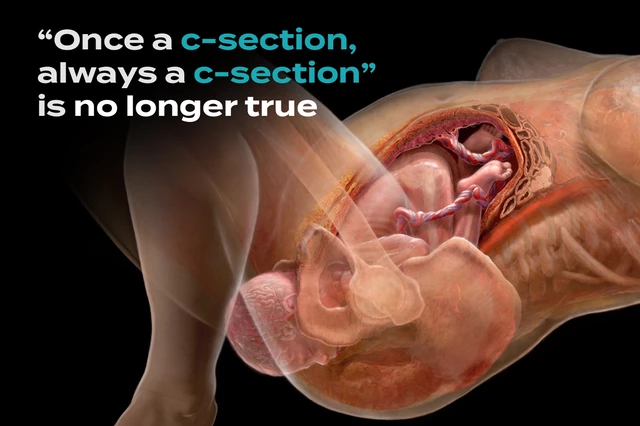
A nurse is caring for a client who is planning a vaginal birth after cesarean section (VBAC). Which of the following findings on the assessment of the client is a priority for intervention by the nurse (select all that apply). One, all, or some of the answer options may be correct)?
a. Increased discomfort with contractions
b. Painful contractions every 4 minutes
c. Maternal tachycardia
d. Cessation of contractions
e. Fetal tachycardia and moderate variability
BoardVitals. (n.d.). NCLEX-RN practice questions and rationales. https://www.boardvitals.com
Correct answers:
C. Maternal tachycardia
D. Cessation of contractions
Incorrect Answers:
A. Increased discomfort with contractions is not abnormal in the setting of progression of labor. Constant abdominal pain is associated with uterine rupture.
B. During active labor, contractions may occur every 2 minutes.
E. Fetal tachycardia with moderate variability is expected during delivery.
500
When caring for a client whose upper and lower teeth were wired together after a fracture of the mandible, which of the following nursing actions is most appropriate if the client begins to choke?
a. Call the healthcare provider
b. Suction the airway
c. Cut the wires
d. Elevate the head of the bed

BoardVitals. (n.d.). NCLEX-RN practice questions and rationales. https://www.boardvitals.com
Correct answer:
B. Suction the airway
Incorrect Answers:
A. It is a priority to maintain a patent airway prior to calling the HCP.
C. A wire cutter should be taped to the head of the bed at all times, including transit throughout the hospital. However, cutting the wires may cause the fractured mandible to collapse, increasing the risk of airway compromise. It should not be the first step for a client who is choking.
D. Elevation of the head of the bed can help prevent choking and aspiration. After the client begins to choke, the nurse should turn the client on the side if there are excessive secretions. The first priority, however, is to clear the airway with suction.
500
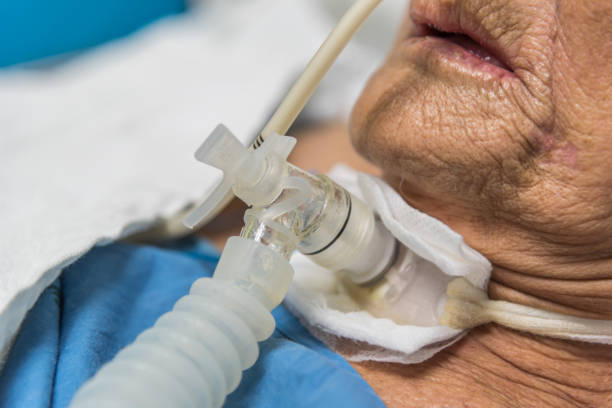
The nurse is changing the ties on a recently placed tracheostomy tube. The tube suddenly becomes dislodged when the client moves unexpectedly. What is the nurse's priority action?
a. Replace the tube
b. Call the healthcare provider to reinsert the tube
c. Cover the stoma with a sterile dressing to prevent entry of infectious microorganisms
d. Spread the opening by grasping the retention sutures
BoardVitals. (n.d.). NCLEX-RN practice questions and rationales. https://www.boardvitals.com
Correct answer:
D. Spread the opening by grasping the retention sutures
Incorrect Answers:
A. The immediate priority is to maintain patency by grasping the retention sutures on either side of the stoma. Some facilities may permit the nurse to replace the tube, but that is not the initial priority.
B. This action will delay the immediate intervention to maintain the patency of the airway.
C. The stoma must be left uncovered to allow air to enter.
500
A nurse is assessing a male client who recently began taking haloperidol to treat schizophrenia. Which of the following adverse effects is the highest priority for the nurse to report to the provider?
a. Shuffling gait
b. Neck spasms
c. Drowsiness
d. Orthostatic hypotension

BoardVitals. (n.d.). NCLEX-RN practice questions and rationales. https://www.boardvitals.com
Correct answer:
B. Neck spasms
Incorrect Answers:
A. shuffling gait is an indication of antipsychotic—induced parkinsonism and should be reported to the provider. Antipsychotic-induced parkinsonism can be treated with anticholinergic medications. Shuffling gait is not the greatest risk to the client and is not the nurse’s highest priority.
C. Drowsiness is an adverse effect of haloperidol and should be reported to the provider. The nurse should instruct the client to avoid driving and other activities that require alertness. However, this is not the greatest risk to the client and is not the nurse’s highest priority to report to the provider.
D. Orthostatic hypotension is an adverse effect of haloperidol and should be reported to the provider. The nurse should instruct the client to change positions slowly to minimize hypotension. However, this is not the greatest risk to the client and is therefore not the nurse’s highest priority to report to the provider.
500
The nurse is observing continuous cardiac monitoring for assigned patients. Which of the following cardiac rhythms would require immediate follow up?

(Silvestri and Silvestri, 2023)
Correct answer:
D
500
RANKING
A client is in the acute phase of rheumatoid arthritis. In which order of priority should the nurse establish the following goals
Preventing joint deformity
Relieving pain
Maintaining usual ways of accomplishing tasks
Preserve joint function

(Silvestri and Silvestri, 2023)
Correct answer:
2 - 1 - 4 - 3