Why's it look like that?
Getting on my nerves pt. 1
Getting on my nerves pt. 2
True/False
100
Twisted head/neck.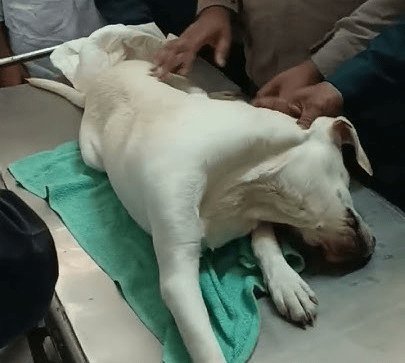
Torticollis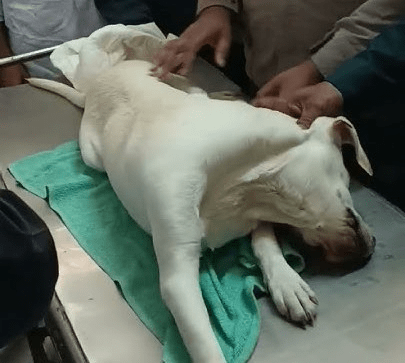
100
vision
II - Optic
100
sense of smell
I - Olfactory
100
Reflexes do not involve the brain.
(If false, explain how the brain is involved.)
True.
200
Dorsal flexion of the head and neck.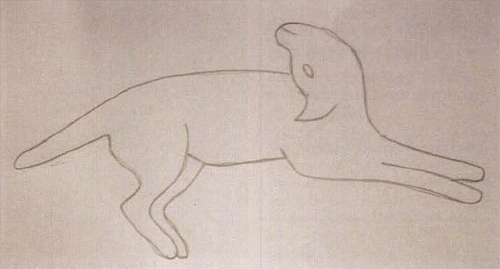
Opisthotonus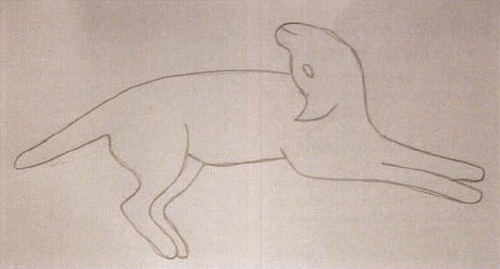
200
motor to the tongue
XII - Hypoglossal
200
Pupil constriction, upper lid, eye movement
III - Oculomotor
200
The central nervous system (CNS) includes the brain and the spinal nerves.
(If false, what does the CNS include?)
False.
CNS includes the brain and spinal cord.
300
Increased tone of the front legs, paralysis of pelvic limbs. 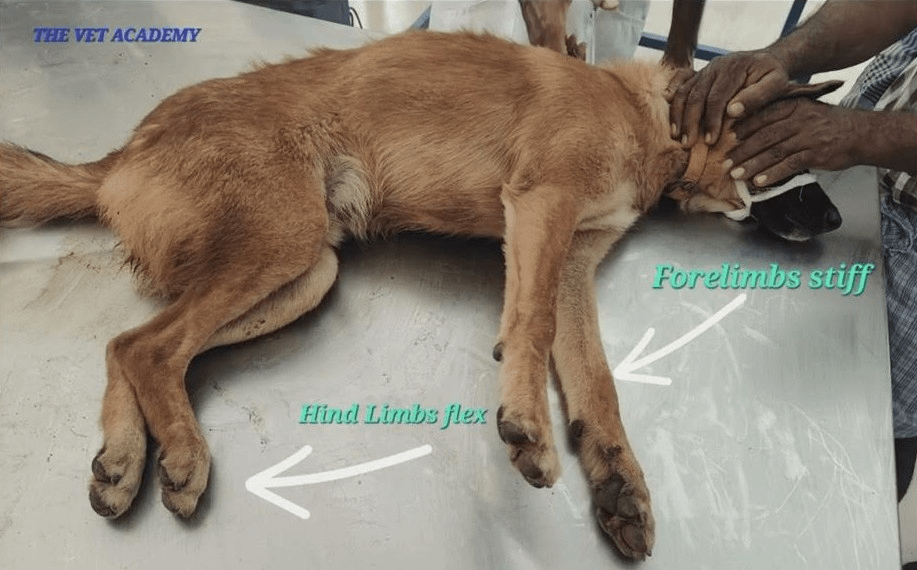
Schiff-Sherington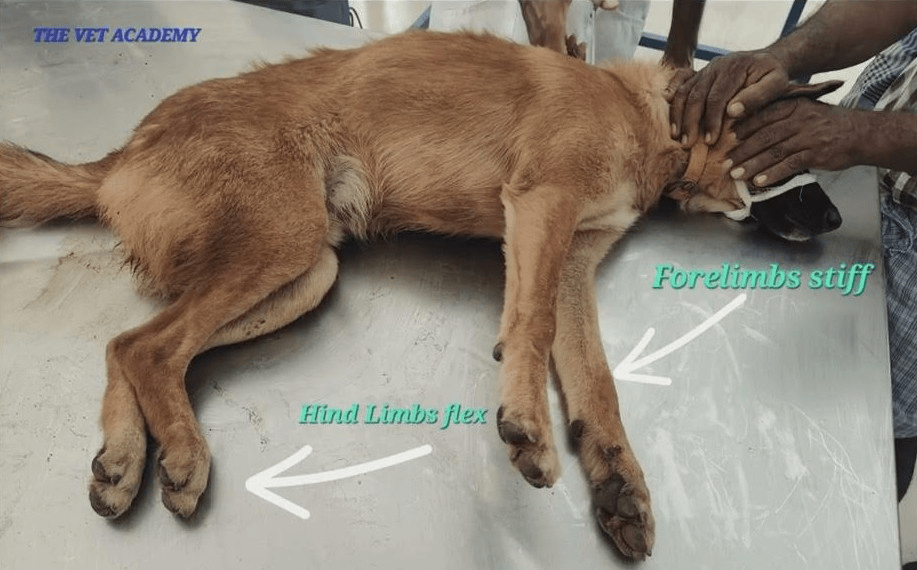
300
(Acoustic) -- hearing and balance
VIII - Vestibulocochlear

300
motor to facial muscles and ears, sensory to anterior 2/3 of tongue
VII - Facial
300
An exaggerated reflex response in an effector muscle suggests damage above the spinal segment being tested and indicates lower motor neuron damage.
False. Indicates upper motor neuron damage.
LMN damage = decreased or absent reflex responses in an effector muscle and suggests damage within the spinal segment being tested
400
Conscious, rigid extension in front legs and flexion of pelvic limbs.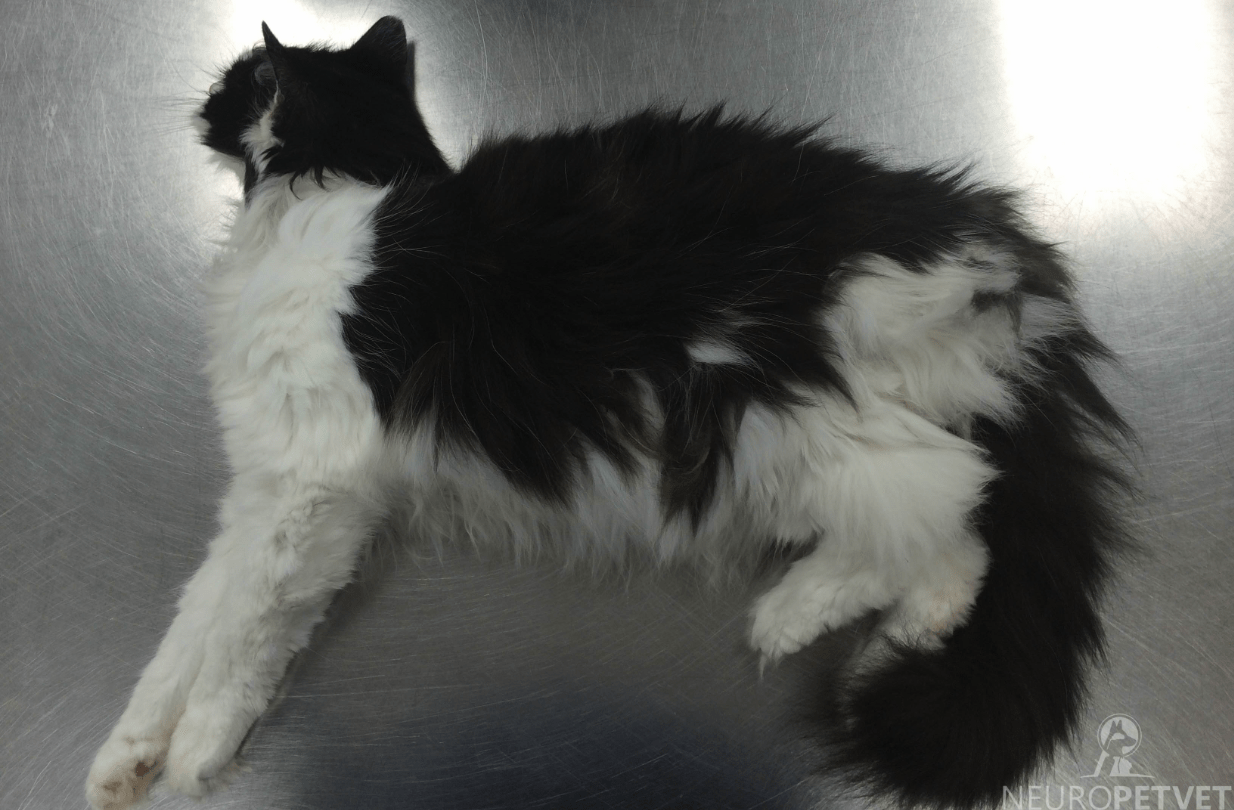
Decerebellate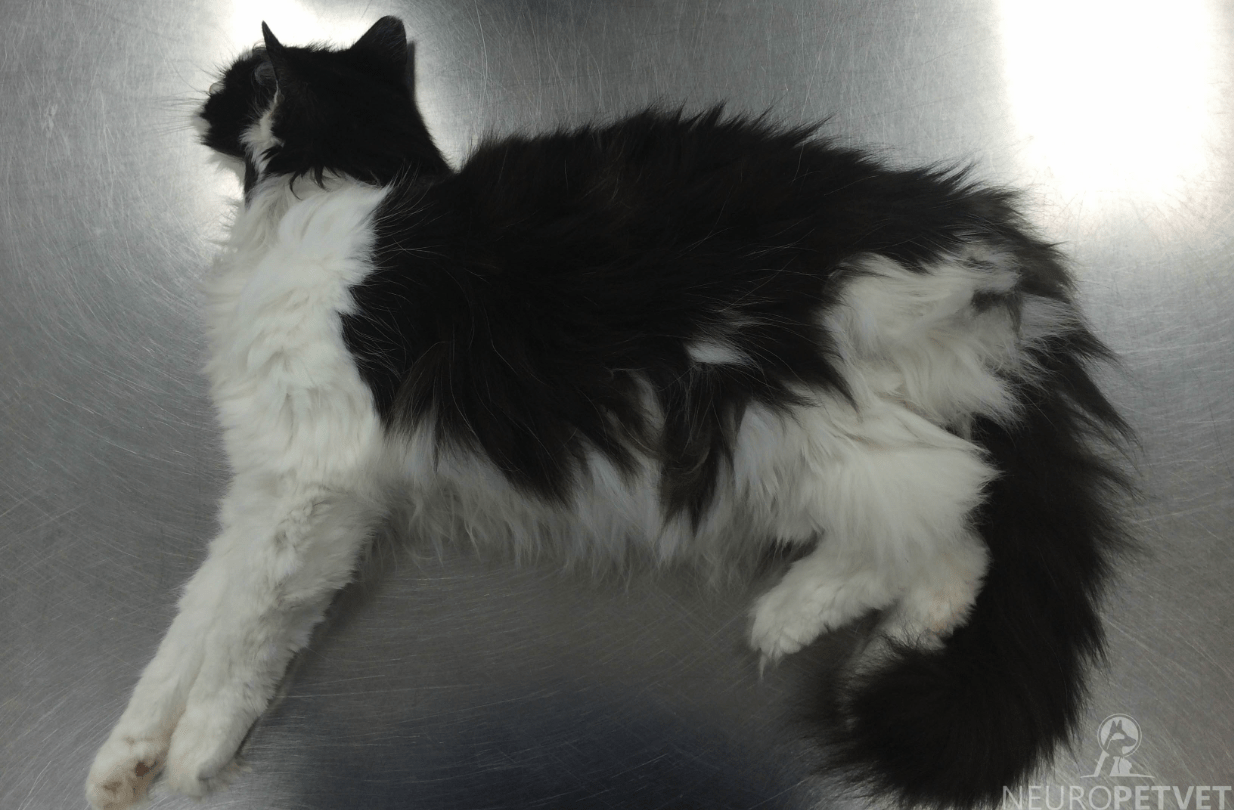
400
sensory to the tongue, motor to the pharynx
IX - Glossopharyngeal
400
dorsal oblique muscles of the eye / normal eye position
IV - Trochlear
400
"Coma" = only responsive to strong stimuli such as pain.
(If false, what is the correct term?)
"Stupor" = only responsive to strong stimuli such as pain.
"Coma" = no conscious response to stimuli.
500
Unconscious, rigid extension of all 4 limbs.
Decerebrate
500
Facial sensation, motor to muscles of mastication, blink.
V - Trigeminal
500
neck muscles
XI - Accessory
500
Lower motor neurons send signals to upper motor neurons and upper motor neurons send signals directly to effector muscles.
(If false, explain.)
False.
UMN send signals to LMN and LMN send signals directly to effector muscles.
600
Dorsal curvature spine.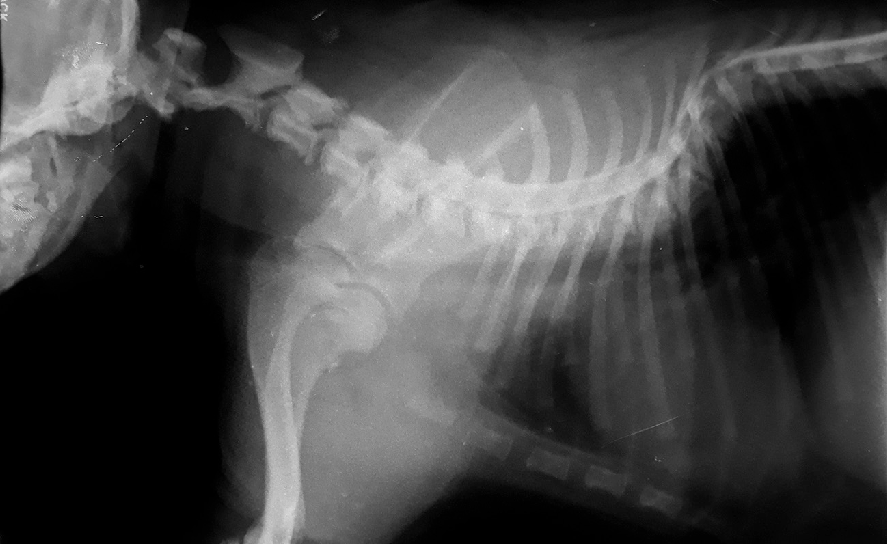
Kyphosis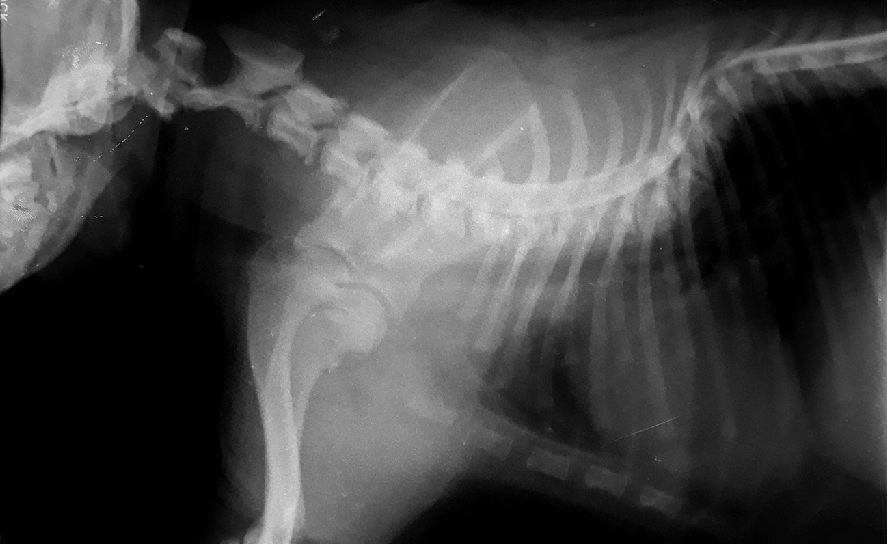
600
eye position, eye muscles
VI - Abducens
600
motor / sensory to larynx, parasympathetic to organs in chest and abdomen.
X - Vagus
600
Dachshunds, Toy Poodles, Beagles, and Dobermans are examples of dogs more likely to end up with disc disease.
(If false, explain.)
True.