MS
Epilepsy
Dementia
Headache
Movement Disorders
100
Diagnosis of MS requires dissemination in ...
Dissemination in time and space for Relapsing Remitting MS
2 relapses
and
2 lesions or 1 lesion and a clear cut previous attack involving a lesion in a distinct location
or
→dissemination in time on MRI or + oligoclonal bands may substitute for the second relapse
→dissemination in space by MRI may substitute for the second lesion
100
Define epilepsy.
At least two unprovoked (or reflex) seizures occurring >24 h apart
100
What percentage of mild cognitive impairment patients will transition to dementia within 2 years? (Give a 10% range)
• 10—20% may transition to dementia by two years
(3X risk of age matched controls)
100
Define thunderclap headache
Severe onset of headache that peaks within 60 seconds
100
List 5 things on the differential for atypical Parkinsons Disease
Atypical PD
• Multiple System Atrophy
• Dementia Lewy Bodies
• Progressive Supranuclear Palsy
• Corticobasal Degeneration (CBD)
• Vascular parkinsonism
• Medication induced parkinsonism
• Lesion producing parkinsonism
200
List 5 symptoms of MS
-Balance/Gait
-Bowel/Bladder
-Heat intolerance
-Pain
-Sensory issues
-Weakness
- Visual disturbance
-Sleep/Fatigue
-Cognition
-Mood
-Dysarthria/dysphagia
200
List 3 causes of provoked seizures.
aka "provoked seizures", seizures that occur in close temporal relation to an acute CNS insult
metabolic, toxic
structural
infectious
inflammatory
200
Mild Cognitive impairment is defined as:
Cognitive decline not interfering or minimally
interfering with instrumental activities of daily
living. What are the two subtypes of MCI?
amnestic and non-amnestic
200
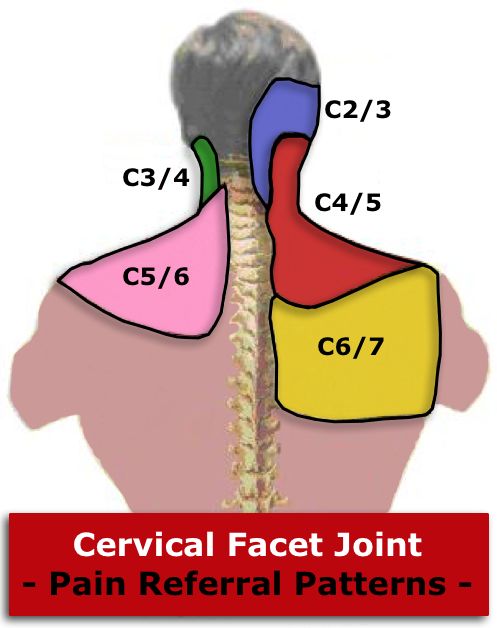
Which facet joint most commonly causes cervicogenic headache?
C2/C3
200
List 2 causes of myoclonus
-Physiologic (sleep, anxiety)
• Epileptic
• Secondary:
• Infectious: HIV, SSPE, CJD
• Degenerative: basal ganglia disorders, dementias
• Metabolic: all metabolic derangement-hypoxic, lytes, liver,
kidney...
• Inflammatory
• Drugs: narcotics, SSRIs, AED, benzo/propofol withdraw
300
Which medication has shown some promise in helping improving gait in persons with MS?
Fampyra
300
List 5 things on your differential for a transient neurologic event.
Seizure
Syncope
Cerebrovascular (TIA, stroke, amyloid spells, etc)
Migraine
Parasomnia
Encephalopathy (toxic, metabolic, etc)
Psychogenic
300
List 3 potential MRI findings in a person with dementia.
-leukokariosis (white matter changes)
-microbleeds on SWI (suggestive of amyloid angiopathy)
-stroke
-cortical atrophy
300
For medication overuse headache, according to ICHD criteria, what is the minimum days per month they have to take simple analgesics versus triptan/opiates to be considered overuse?
Simple analgesics >15 days/mo and for triptans/opiates >10 days/mo, for at least 3 months
300
List 3 hypokinetic and 3 hyperkinetic movement disorders.
Hypokinetic
• Bradykinesia
• Freezing (of gait)
• Apraxia
• Cataplexy
• Catatonia
• Stiff person syndrome
Hyperkinetic
• Tremor- rhythmic alternating contractions of
agonist/antagonist muscles
• Myoclonus-brief shocklike jerks
• Chorea-brief, irregular, semi-directed movements, flow
from one muscle to the next
• Dystonia-sustained muscle contraction
• Tics-sudden, repetitive, nonrhythmic motor movement.
simple or complex, premonition/ suppressibility
400
What is the MRI finding?

Dawson's fingers - Periventricular white matter lesions
400
List 4 red flags for psychogenic non epileptic events
PNES are episodes of altered movement, emotion, sensation, or experience, resembling epileptic seizures, but which arise from emotional/psychological causes
PNES Red Flags:
Very high event frequency (multiple times a day)
Abrupt onset of seizures
Resistance to anti-epileptic drugs
Variable event semiology
Variable duration, very long events, often with a waxing/waning course
Specific triggers (stress, emotional upset, pain)
Comorbidities such as fibromyalgia, chronic pain, or somatization
History of prior psychological trauma (reported in up to 3/4 of PNES patients)
400
List 5 frontal behaviours that may be seen in a person with dementia?
• Apathy
• Aspontaneity
• Indifference/Emotional flatness
• Inflexibility
• Disorganization
• Inattention
• Personal neglect
• Loss of insight
• Logopenia
• Aphasia/verbal apraxia
• Comprehension deficit
• Alien hand/apraxia
• Perseveration/Obsessions
• Hoarding
• Inappropriatness
• Excessive Jocularity
• Restlessness/Roaming
• Irritability
• Aggression
• Hyperorality/food fads
• Hypersexuality
• Utililization behavior
• Incontinence
400
List 5 red flags for thunderclap headache

400
List 4 red flags for Atypical Parkinson's Disease
• Rapid disease progression
• Poor response to levodopa
• Prominent, early speech or swallowing difficulties
• Pyramidal, cerebellar, autonomic signs
• Early gait disorder and falls
• Early cognitive difficulties
• Symmetrical PS S/S
500
What are the Canadian exercise guidelines for persons w/ MS?
To achieve important fitness benefits, adults (aged 18-64 years) with multiple sclerosis who have mild to moderate disability need at least:
- 30 minutes of moderate intensity aerobic activity 2 times per week
- Strength training exercises for major muscle groups 2 times per week
- Meeting these Guidelines may also reduce fatigue, improve mobility and enhance elements of health-related quality of life.
-Canadian Society of Exercise Physiology
500
List one symptom/sign for each lobe of the brain that would make you think someone was having a focal seizure in that area.

500
List 3 predictors of progression of mild cognitive impairment to dementia.
Predictors of Progression in MCI
• CSF p-tau and tau/amyloid-beta ratio
• Medial temporal atrophy (HC, ERC)
• Apolipoprotein E4
• White matter hyper intensity volume
• Depression
• Diabetes and hypertension
• Age and females
– from Li JQ et al. JNNP 2015
500
List 3 risk factors for a medication overuse headache.
Risks for MOH
Female gender
Migraine as primary headache disorder
Obesity
Obese patients RR = 5 (Scher et al, 2003)
Low socioeconomic status
First generation immigrant
First generation Turkish immigrants in Germany
MOH=21%
Second generation Turkish immigrants in Germany
MOH=3.6%
Kavuk et al, 2006
500
Where does ballism localize to in the central nervous system?
Ballism- flinging movement, usually hemiballism, due to vascular lesion at STN