Endocrine Basics
Disorders of the Endocrine System
Renal Basics
Disorders of the Renal System
Musculoskeletal
100
List the functions of the Endocrine System.
Growth & Development
Metabolism Regulation
Fluid Balance
Stress Response
Reproduction
100
A patient presents to the ED with large urine output, dry skin, rapid heartbeat, constant thirst, and confusion. Labs are drawn and the patient is found to be hypernatremic. Which condition does the nurse suspect?
a. SIADH
b. Type 2 DM
c. Diabetes Insipidus
d. Type 1 DM
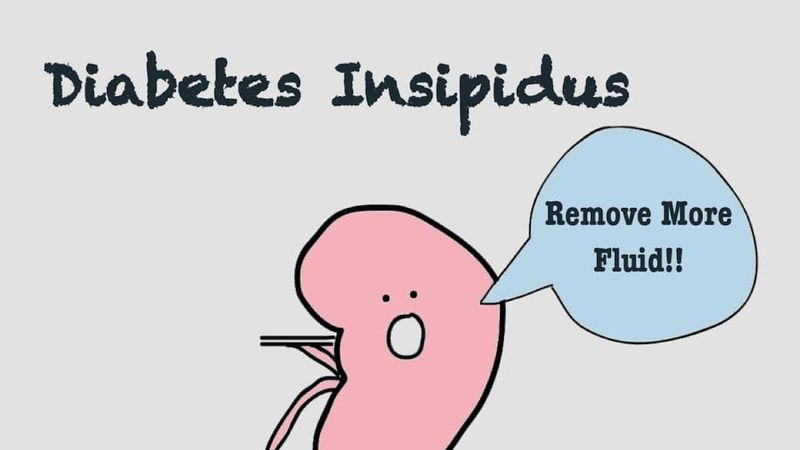
c. - Diabetes Inspidus (DI) - the patient is exhibiting S/S of DI, which occurs due to low levels of ADH; therefore, the patient is not holding onto any fluid. This in turn increases the amount of sodium present i.e. hypernatremia.
100
List the functions of the kidneys.
-Hormone regulation
-Regulation of BP
-RBC formation via hormone production
-Fluid/electrolyte regulation
-Filtering fluid/waste
100
What is a UTI?
UTI is also known as urinary tract infection or cystitis - inflammation of the bladder. It occurs due to bacteria entering the urinary tract and causing an infection.
100
What is the function of osteoblasts?
Bone forming - form outer layer of bone
200
What are hormones important for?
maintaining homeostasis
200
What S/S can a nurse expect in a patient that is diagnosed with SIADH?
A patient diagnosed with syndrome of inappropriate antidiuretic hormone secretion (SIADH) exhibits S/S such as edema, low urine output, dark urine, high BP, and confusion. This occurs due to increased ADH being secreted, which causes the body to hold onto fluid.
200
What does the GFR signify?
The Glomerular filtration rate (GFR) signifies how well the kidneys are filtering blood. Less than 90 indicates the kidneys are not being well perfused or not filtering well.
200
What are the classic S/S of a UTI?
-Urinary frequency, urgency, possible inability to urinate, dysuria, and suprapubic and low back pain.
200
What is the function of osteocytes?
maintains growth factors for bone growth
300
What is the purpose of the Hypothalamic-Pituitary System?
It functions as the command center of endocrine function. The hypothalamus releases regulatory hormones, in which the pituitary gland responds to by releasing other hormones that target specific organs.
300
Which disease has S/S of bulging eyes (exophthalmos), anxiety, racing heart, weight loss, heat intolerance, fatigue, and insomnia?
Hyperthyroidism - these are all classic S/S of this disease
300
What is the main functional unit of the kidneys?
Nephron - filter fluid such as blood and waste
300
What is a common cause of renal calculi?
Low fluid intake for a persistent amount of time
300
What is the function of osteoclasts?
break down bone
400
Describe the function/purpose of each of the hormones below:
Thyroid Hormones:
Cortisol:
ADH (Vasopressin):
Oxytocin:
Gonadotropins:
Insulin & Glucagon:
Growth Hormone (GH):
Parathyroid Hormone (PTH):
Prolactin:
Thyroid Hormones: regulate metabolism, growth, body temperature
Cortisol: stress hormone, metabolism regulator
ADH (Vasopressin):water balance, blood pressure control
Oxytocin:sexual arousal, released during labor
Gonadotropins: stimulates testosterone, estrogen, progesterone hormones
Insulin & Glucagon: control blood glucose levels
Growth Hormone (GH): promotes tissue growth, protein synthesis
Parathyroid Hormone (PTH): calcium and phosphate regulation
Prolactin: milk production, inhibits fertility
400
A student nurse is describing the differences between the types of diabetes. Which statement is correct?
a. Type 1 DM is caused by an overproduction of beta cells.
b. Type 2 DM occurs due to insulin resistance.
c. Gestational Diabetes occurs due to a small amount of ADH being released.
d. Diabetes is caused by not visiting the dentist annually.
b. Type 2 DM occurs due to insulin resistance.
Type 1 DM occurs due to autoimmune destruction of beta cells; therefore, no insulin is being produced/secreted.
Gestational Diabetes is diabetes that occurs during pregnancy at or after 20 weeks due to constantly high glucose levels.
Too little ADH secretion = Diabetes Insipidus
400
Which lab measures the amount of solute in urine?
a. pH
b. specific gravity
c. foley catheter
d. creatinine
b - specific gravity measures the amount of solute in urine. Higher number indicates more concentrated urine.
Range: 1.001-1.035
400
What is the cause of neurogenic bladder?
Neurologic disorders such as lesions on the spinal cord or spinal cord injuries.
400
Where is bone marrow primarily located?
Leg bones
500
Insulin is secreted by the pancreas from which type of cell?
A. Kappa
B. Beta
C. Delta
D. Alpha
b- beta cells; Insulin is secreted by the beta cells in the pancreas; alpha cells secrete glucagon
500
A patient presents to the clinic after "feeling off" for a few months. The patient states she has been very irritable and has noticed that her face has become very round and her hair is thinning. She is unsure if this is due to stress. The nurse completes a physical examination and finds that the patient has muscle wasting, moon face, truncal obesity, and a hump on her cervical spine. Labs reveal excessive ACTH. What disease does the nurse suspect that patient has?
a. Addison's disease
b. SIADH
c. Cushing's disease
d. Type 2 DM
c - Cushing's disease; these are all classic S/S of Cushing's Disease
500
What is the purpose of the Renin-Angiotensin Aldosterone System (RAAS)?
The purpose of the RAAS, is to regulate blood pressure and fluid balance when there is a drop in BP or low amount of sodium present.
500
A patient is now in End Stage of Chronic Kidney Disease. What treatment does the patient need in order to prolong life?
Dialysis or kidney transplant
500
REVIEW HIGH YIELD TEST TOPICS FROM THE PREVIOUS EXAM BLUEPRINTS FOR YOUR FINAL EXAM!
GOOD LUCK!!!