Protocols
Cardiology
Pharm
Policies
Random
100
This is the fluid of choice in trauma
Lactated Ringer's (LR)
100
These reversible causes of cardiac arrest are commonly remembered as the Hs and Ts.
Hypovolemia, Hypoxia, Hydrogen ion, hypothermia, Hypo / hyperkalemia
Tension Pneumothorax, cardiac tamponade, thrombosis; coronary and pulmonary
100
This is the sublingual nitroglycerin dose for patients with chest pain.
0.4 mg SL
100
This three-part rule allows resuscitation to be withheld in an adult who meets all three specific criteria.
NUE Rule
Non-shockable, unwitnessed, and 80 or older
100
These are the basic equipment items that should accompany the crew on every emergency call
iPad
Jump bag or Handtevy bag
Oxygen bag with oxygen delivery devices
200
When neonatal resuscitation is required, this is the compression-to-ventilation ratio.
3:1 ratio
200
During cardiac arrest, rhythm and pulse checks should be limited to no more than this amount of time.
10 seconds
200
This is the dose of oxytocin used for postpartum hemorrhage.
10 units IM
May repeat 10 units
200
BLS transport is appropriate when the patient meets these conditions.
Alert or at neurologic baseline; stable or improving vital signs with EMT-level care; no need for paramedic-level medications, monitoring, or procedures; no destination-protocol triggers; and the patient can be safely managed with EMT-level treatment?
200
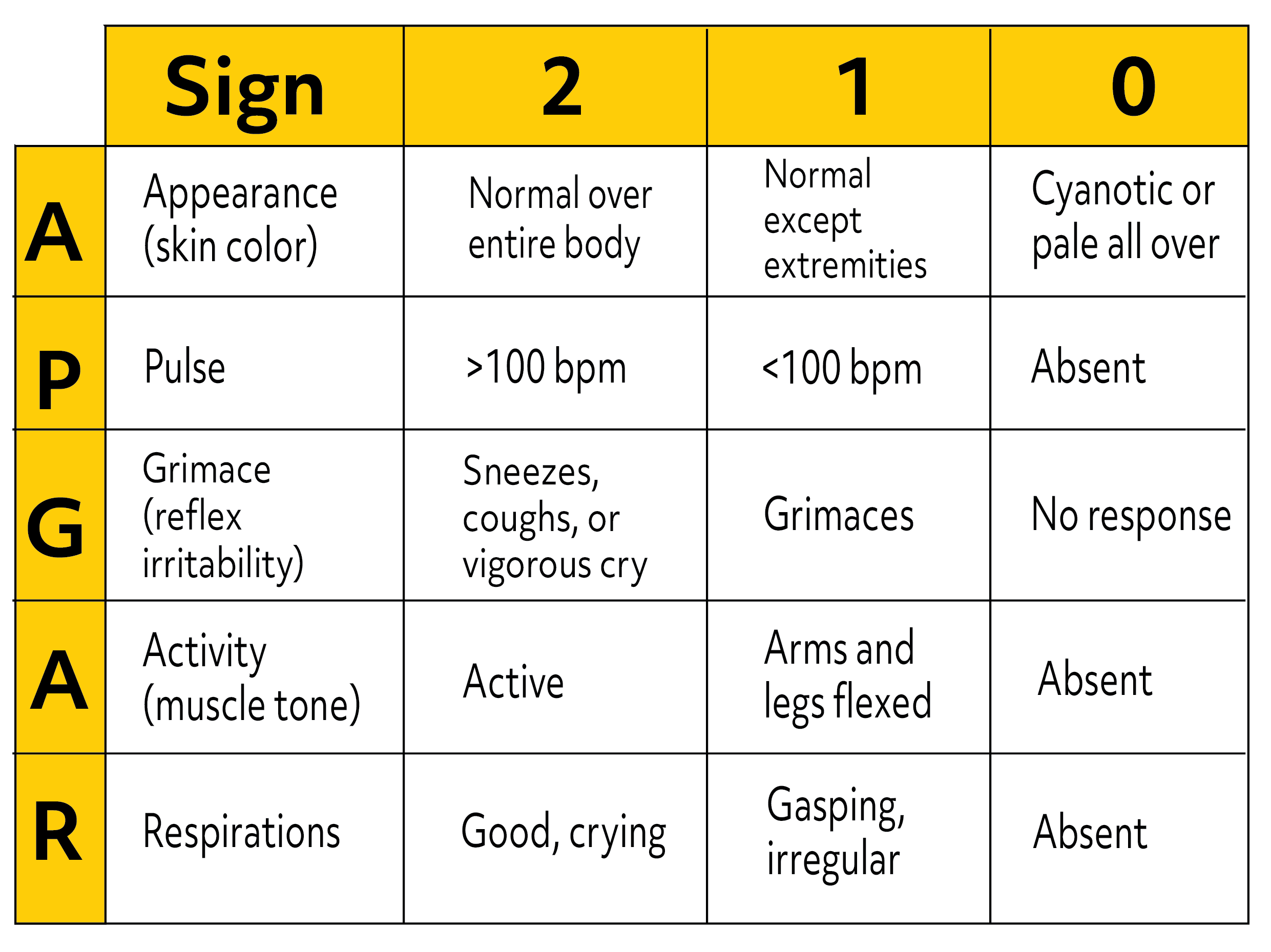
Appearance, Pulse, Grimace, Activity, and Respiration make up this neonatal scoring system
APGAR
300
For adult pain management, this medication is given at 0.3 mg/kg IV/IO over 10 minutes or 1 mg/kg IN.
Ketamine
300
This is the first-line medication used during cardiac arrest, along with its appropriate dose.
Epinephrine 1:10,000
1mg
300
For a patient with hypoglycemia, this is the glucagon dose and route, and how it is prepared before administration.
1 mg IM
Has to be reconstituted with sterile water
300
In a residential healthcare facility, CPR and ALS interventions may be discontinued on standing order when all of these additional criteria are met.
Patient is 18 years of age or older
Patient has an initial rhythm of Asystole or PEA on arrival of ALS
Reversible causes of cardiac arrest have been reviewed and treated
ALL EMS personnel involved agree
EMS supervisor is on scene
At least 30 minutes of ALS care has been provided.
300
In a suspected stroke patient who is within the 4.5-hour treatment window, reaching either of these blood pressure thresholds indicates treatment with labetalol
Systolic 185 or greater, or diastolic 110 or greater
400
Peaked T waves, a widened QRS, prolonged QT, or loss of P waves in a crush patient should trigger treatment for this complication
Hyperkalemia associated with crush syndrome
400
For a patient with an LVAD, RVAD, or BiVAD, this person or resource should be contacted as soon as possible.
Their VAD coordinator. Do not delay emergency treatment.
Remember, the patient may not have palpable pulses.
400
A 220-pound adult with a BARS score of 7 would receive this dose of ketamine for behavioral management.
400 mg IM
4 mg /kg to max 400 mg IM
400
When the person declining treatment or transport is a minor, this individual must complete the refusal process
The parent or legal guardian
400
This is the central goal of Crew Resource Management.
Using all available people, information, and resources effectively to improve communication, teamwork, decision-making, and patient safety
500
This painful vaso-occlusive condition occurs when sickled red blood cells obstruct blood flow and cause tissue ischemia.
Sickle Cell Crisis
500
These are common complications associated with an LVAD or other ventricular assist device.
Disconnection of power supply, driveline failure or disconnection, controller failure.
Blood clot formation, acute stroke, bleeding, and infection.
500
This medication is considered a first-line treatment for pain associated with a sickle cell crisis.
Ketamine
The protocol says to use ketamine as a first-line treatment for severe pain or when opioids are ineffective or contraindicated.
500
This scoring system helps providers determine whether a behavioral patient should receive midazolam or ketamine.
Behavioral Activity Rating Scale (BARS)
500
This alternative CaroMont facility can receive stable obstetrical and stroke patients
CRMC Belmont