Lipids & Carbs
Proteins & Nucleic Acids
Cell Membrane
Cell Structure
Respiration
Photosynthesis
100
What is the monomer / building block of carbohydrates?
Monosaccharides
100
What are the building blocks of nucleic acids? Describe its structure.
Building blocks: nucleotides
1. Phosphate group
2. 5 carbon sugar
3. Nitrogenous base
100
What is the fluid mosaic model?
Model or term used to describe the plasma membrane given that it's made up of multiple different kinds of molecules (mosaic part) and that the plasma membrane is always moving, never static (fluid part).
100
What is the difference between prokaryotic and eukaryotic cells?
Prokaryotes:
- Lack membrane-bound organelles (ex. lack a nucleus)
- Small and simple
- Includes bacteria and archaea
Eukaryotes:
- Obtain membrane-bound organelles
- Large and complex
- Includes animals, fungi, protists, and plants
100
What is cellular respiration and what is its chemical equation?
Cellular respiration is the process by which cells produce energy/ATP by harvesting it from food.
C6H12O6 + 6O2 -> 6H2O + 6CO2 + Energy
100
What is the chemical equation for photosynthesis and where do the 2 pathways/stages take place within a chloroplast?
6CO2 + 12H2O + Light -> C6H12O6 + 6O2 + 6H2O
1. Light dependent reactions - thylakoids
2. Calvin cycle/Carbon Fixation - stroma of plant cell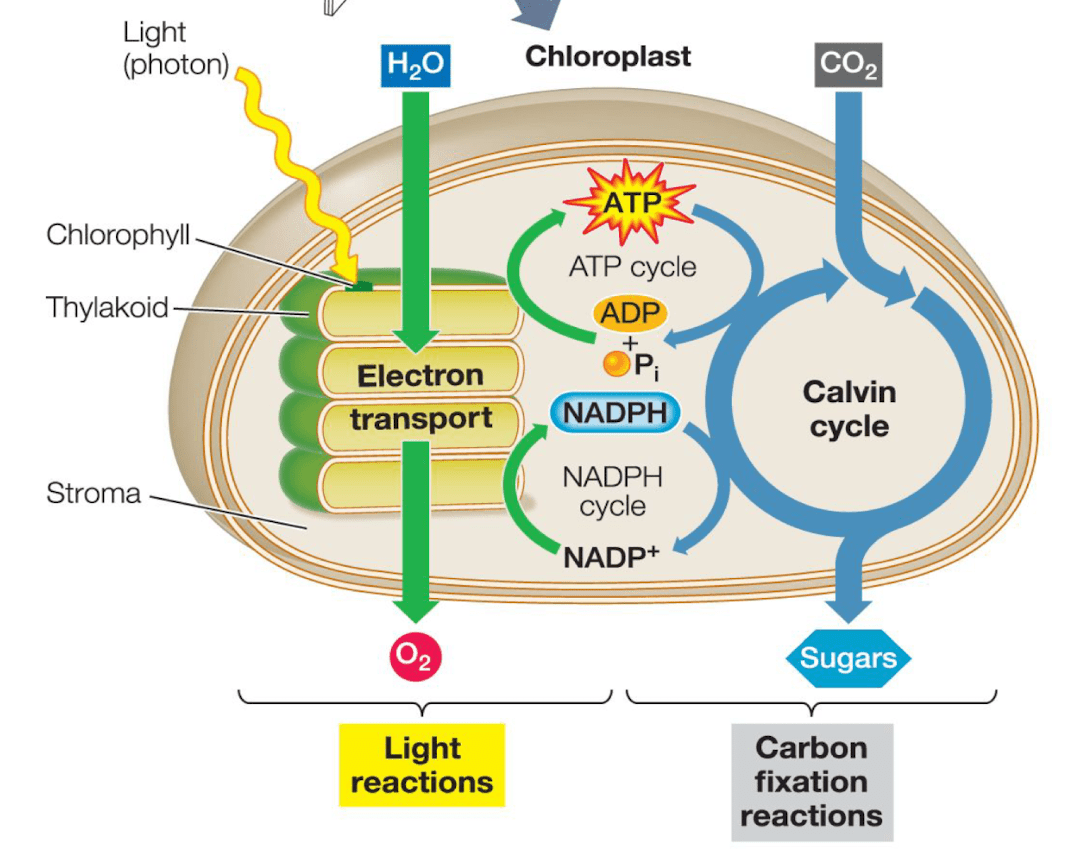
200
What is the difference between a lipid and a carbohydrate?
Lipids are fats that are usually hydrophobic, and mainly play a role in energy and cell membrane structure. Many lipids are made up of fatty acids.
Carbohydrates are another type of macromolecule made up of monosaccharides joined together through glycosidic bonds. Carbohydrates can be used for energy storage or cell structure.
200
What are the building blocks of proteins and what are the 5 parts of its structure?
Building blocks: amino acids
1. Amino group (NH3)
2. R group
3. Central/alpha carbon
4. Hydrogen
5. Carboxyl group (COO-)
200
What happens if I placed a cell in a hypertonic, isotonic, and hypotonic solution?
Hypertonic - cell shrinks due to water exiting
Isotonic - cell remains stable
Hypotonic - cell swells and bursts (lysis) due to water entering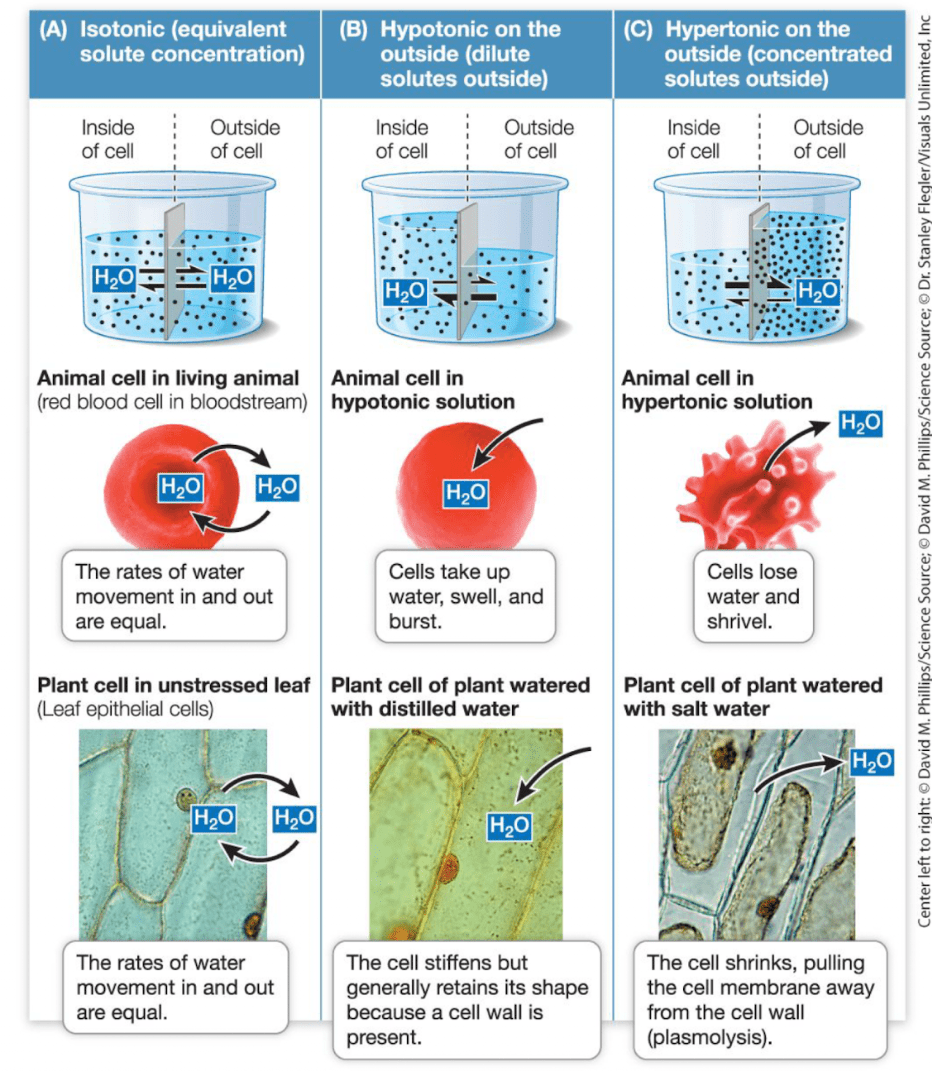
200
What is the endomembrane system? Which organelles does it include?
Group of membranes/organelles that produces, processes, and distributes proteins that are meant to go to other organelles, cellular membranes, or secrete from the cell
ER, Golgi, Endosomes, and Lysosomes
200
What are the 4 steps of cellular respiration and where do they take place within the cell?
1. Glycolysis - cytoplasm
2. Pyruvate oxidation - mitochondria
3. Krebs cycle / citric acid cycle - mitochondria
4. Electron transport chain / oxidative phosphorylation - mitochondria
200
Photosynthesis is a chemical process that requires CO2 as a reactant. How many membranes/layers does CO2 have to go through in order to reach the chloroplast in the plant cell?
3 total:
1. Plant cell membrane
2. Chloroplast outer membrane
3. Chloroplast inner membrane
300
How are fatty acids amphipathic?
1. Polar head w/ a carboxyl group (COO-)
2. Hydrocarbon tail
300
What are some differences between DNA and RNA?
DNA:
- Uses A, T, C, and G nucleotides
- Uses deoxyribose as its 5 C sugar
- Double stranded
RNA:
- Uses A, U, C, and G nucleotides
- Uses ribose as its 5 C sugar
- Single stranded
300
What can go through the phospholipid bilayer? What can't?
Can go through with ease:
- Small, non-polar molecules
- Small, uncharged molecules
Cannot go through, requires more help:
- Ions
- Large, polar molecules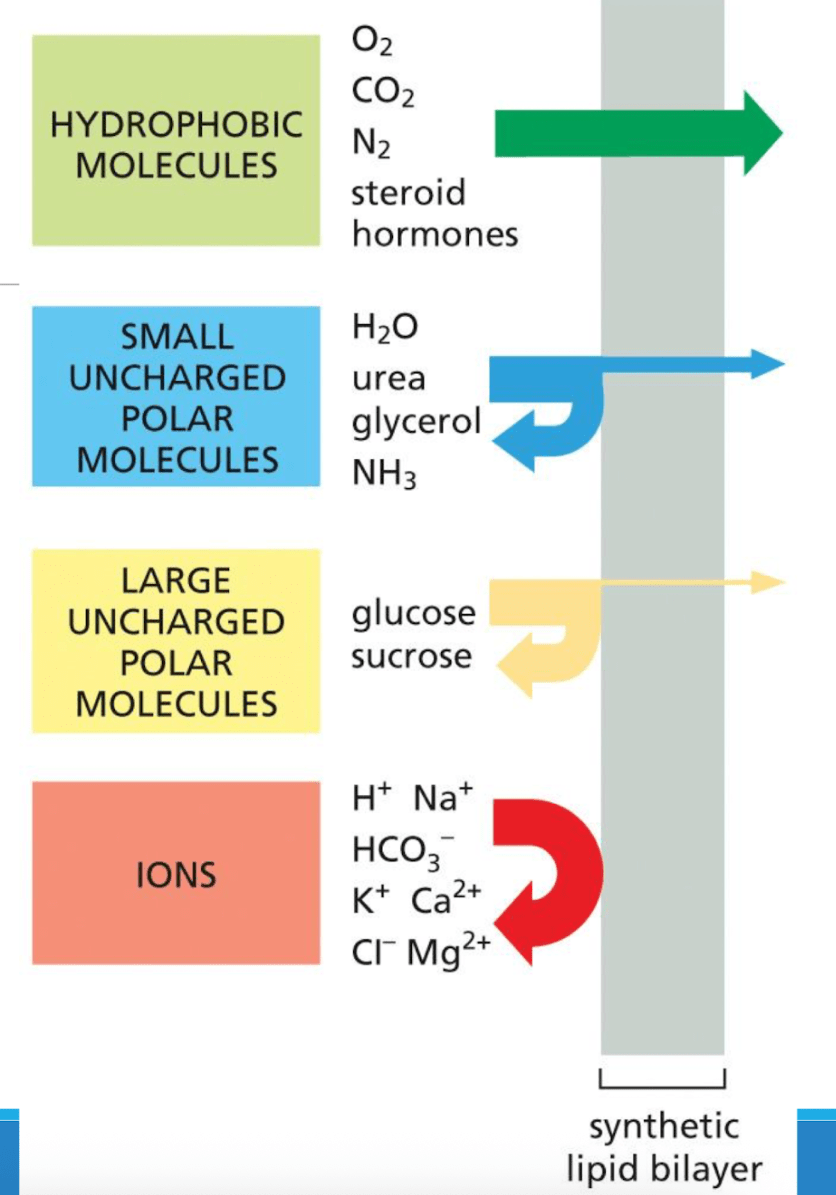
300
What are the 4 types of cell to cell adhesions? Describe them.
1. Tight junctions: super tight junction between adjacent cells that prevents the movement of molecules between the cell.
2. Adherens junctions: proteins hold adjacent cells together via another type of protein, providing mechanical stability, tissue integrity, and cell signaling.
3. Desmosomes: proteins hold adjacent cells together through stable proteins, providing stability for tissues and such.
4. Gap junctions: channels that run through the membrane into the adjacent cell, allowing for the movement of molecules to flow through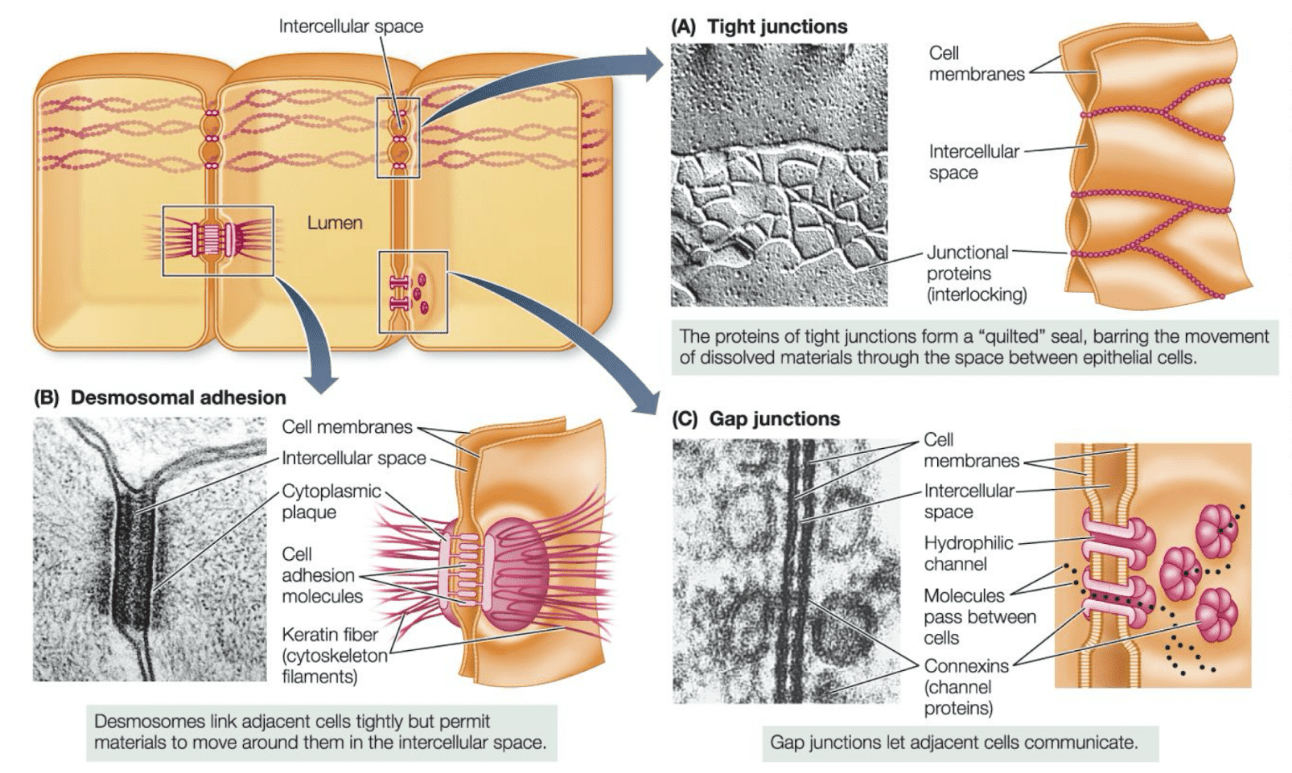
300
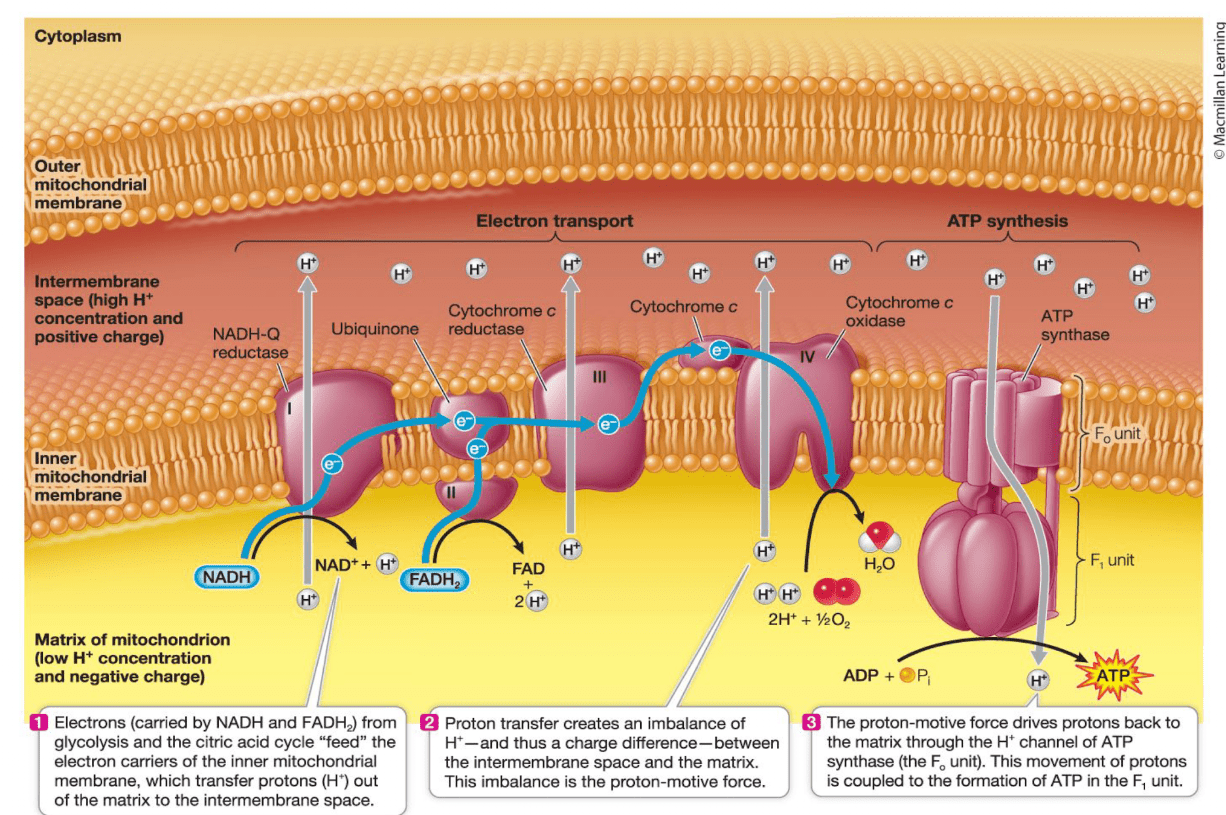
What role does NADH and FADH2 play in cellular respiration? What is the final electron acceptor in the electron transport chain?
NADH and FADH2 act as electron carriers that bring electrons to the electron transport chain (ETC) to help make the H+ proton gradient.
Final electron acceptor in the ETC is oxygen.
300
What are the products of the light reactions? Where will these products be used during photosynthesis?
ATP and NADPH are the products of the light reactions and they will be used within the Calvin Cycle to build sugars/glucose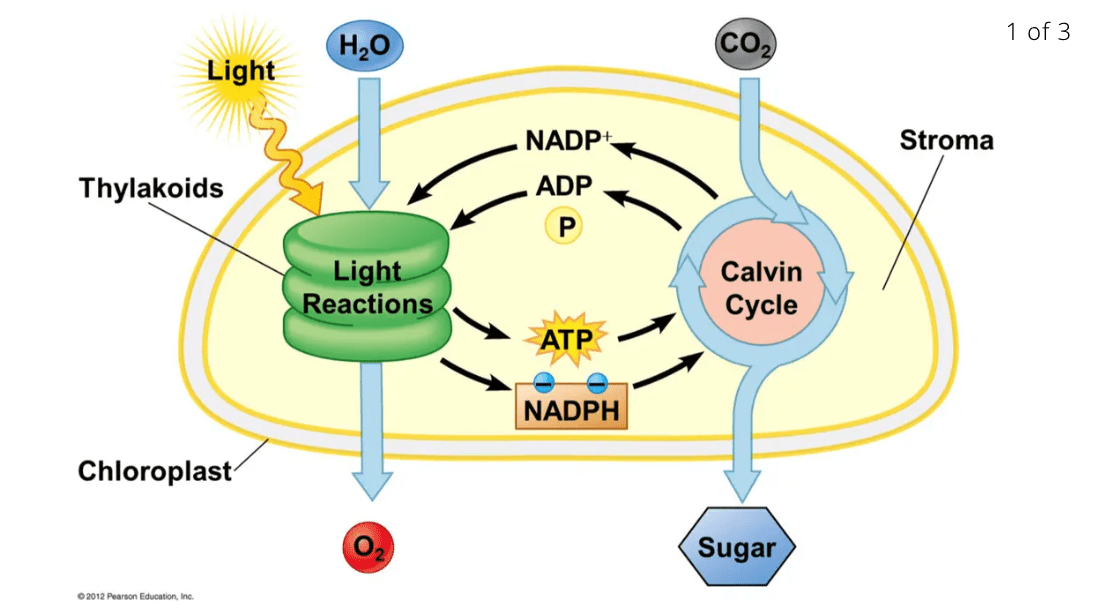
400
What is the difference between saturated and unsaturated fatty acids?
Saturated: consists of only single bonds, resulting in a linear chain, thus having a higher melting point
Unsaturated: consists of at least one double bond, resulting in a kink in the chain, thus having a lower melting point
400
List all of the bonds present in each level of protein structure.
Primary: peptide bonds
Secondary: hydrogen and peptide bonds
Tertiary: ionic, disulfide, hydrophobic interactions, hydrogen, and van der waals interactions
Quaternary: ionic, disulfide, hydrophobic interactions, hydrogen, and van der waals interactions
400
What kinds of macromolecules can be found in the cell membrane? Be specific and describe them.
- Phospholipids: make up the phospholipid bilayer, polar heads are hydrophilic while non-polar tails are hydrophobic
- Peripheral proteins: found on the hydrophilic side of the bilayer
- Integral proteins: found integrated within both the hydrophobic and hydrophilic
- Anchored proteins: proteins that are anchored into the membrane via a lipid
- Glycoproteins: carbohydrates combined with proteins that are found on the extracellular side
- Glycolipid: carbohydrates combined with a lipid found extracellularly
- Proteoglycans: multiple carbohydrates attached to a protein
400
List and describe the function of at least 4 eukaryotic organelles.
1. Nucleus: Houses the cell's DNA and is where DNA and RNA replication takes place
2. Ribosomes: create proteins
3. Rough ER: has ribosomes and plays a role in protein synthesis and protein transport
4. Smooth ER: lacks ribosomes and responsible for lipid synthesis, detoxification, and calcium storage
5. Golgi apparatus: plays a role in processing proteins and modifying them before they go out to do their job, such as adding sugars, cleaving proteins, and phosphorylation.
6. Lysosomes: responsible for degrading waste within the cell by breaking it down via its acidic environment
7. Mitochondria: responsible for creating ATP
8. Chloroplasts: responsible for carrying out photosynthesis
400
Why is it important to generate a proton (H+) gradient in the ETC during oxidative phosphorylation?
Creating a proton gradient will cause H+ to diffuse down ATP synthase in order to provide the energy to phosphorylate ADP into ATP.
400
What are the 3 stages of the Calvin Cycle? Describe them.
1. Carbon fixation: CO2 is added to RuBP via the Rubisco enzyme, forming 3PG
2. Reduction and sugar production: 3PG is reduced (using ATP and NADPH) to form G3P - some of the G3P leave the cycle to eventually form glucose, while the rest remains in the cycle
3. Regeneration of RuBP: Remaining G3P gets converted into RuBP in order for the cycle to continue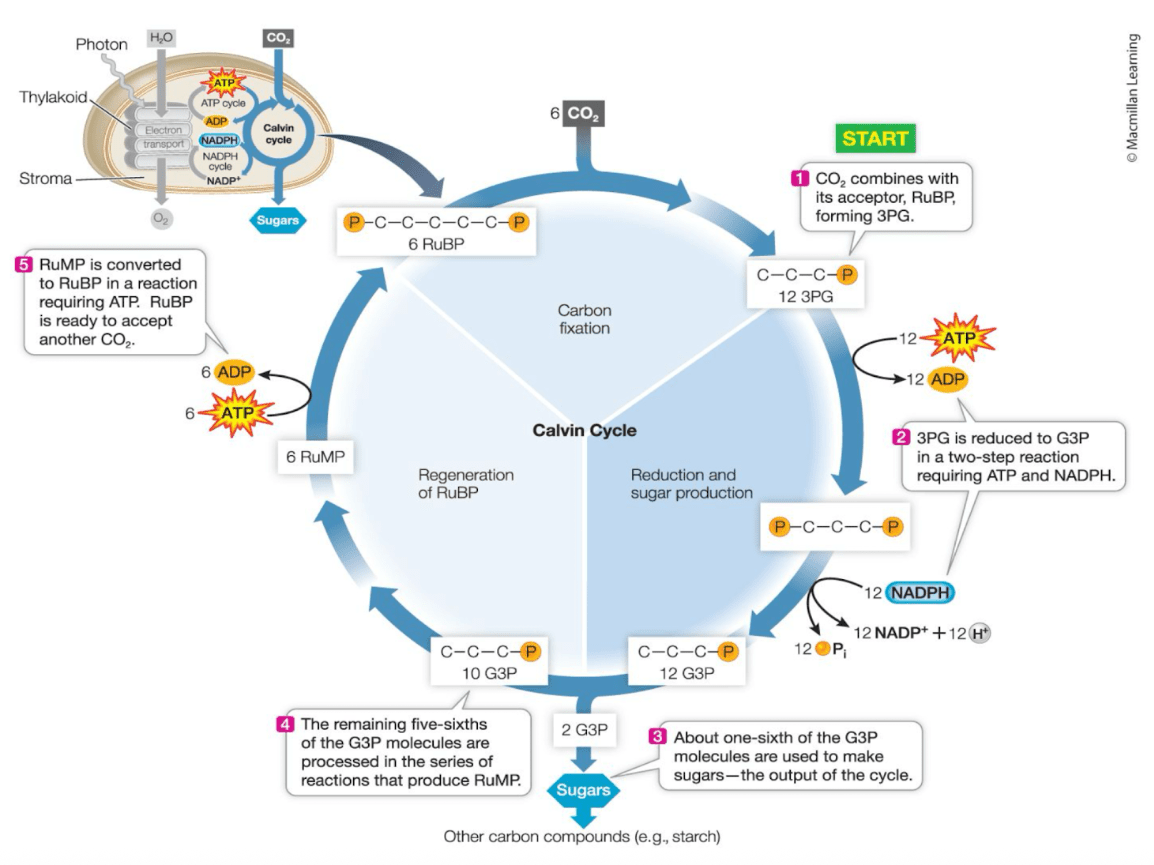
500
Name 3 common polysaccharides, their function, and in which cell type they can be found in.
1. Glycogen: for energy storage, can be found in animal cells (liver and muscle)
2. Starch: for energy storage, can be found in plant cells
3. Cellulose: for structure, can be found in plant cell walls
500
What is the difference between competitive and irreversible inhibition of an enzyme?
Competitive: inhibitor binds to the active site of the enzyme (thus competing with the substrate), preventing the substrate from being able to interact with the active site.
Irreversible: inhibitor binds to another site on the enzyme (not the active site), causing it to change in shape and thus preventing t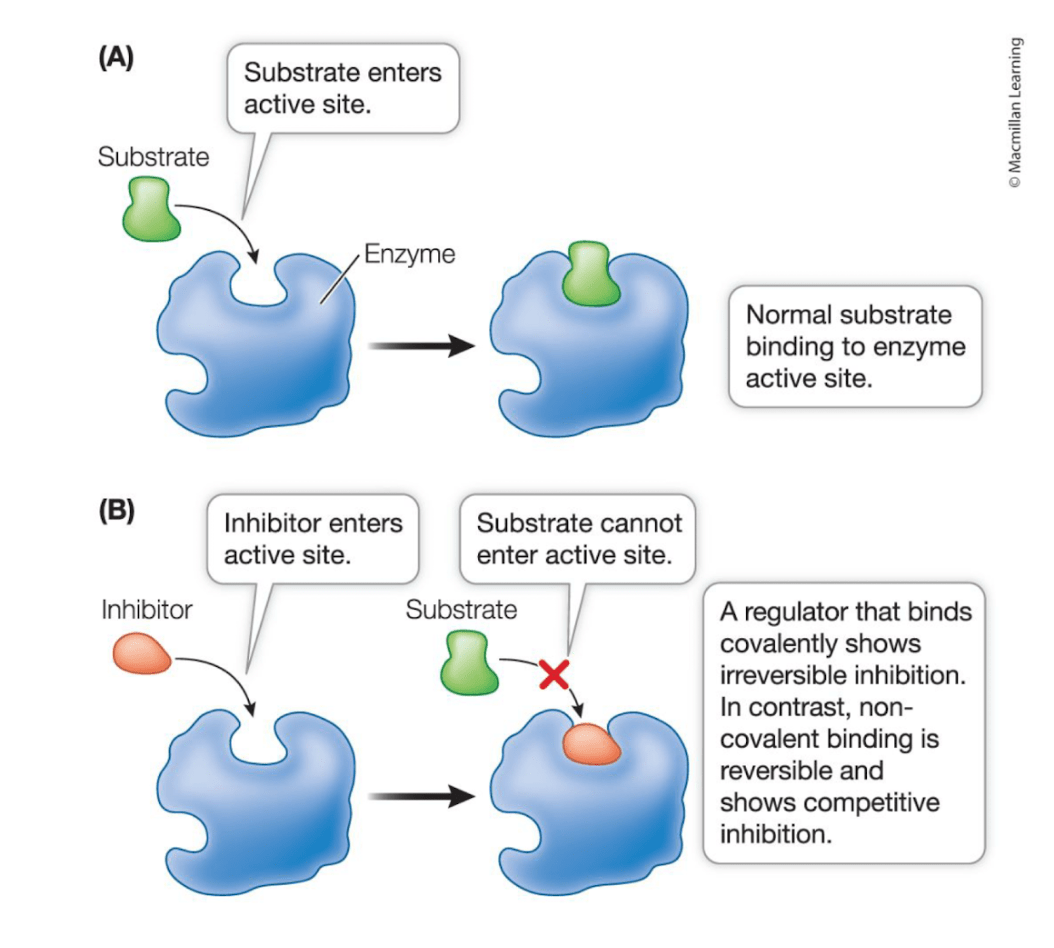 he enzyme from functioning.
500
Double Jeopardy!
There are 2 types of passive transport, simple and facilitated diffusion. What is the difference between these two?
There are 2 types of active transport, primary and secondary transport. What is the difference between these two?
Passive: movement of a solute down its [gradient]
- Simple: movement of a solute through a membrane without any help from a protein
- Facilitated: movement of a solute through a membrane using the help of a transport protein BUT no energy is required
Active: movement of a solute against it's [gradient]
- Primary: when a transport protein uses ATP to move a solute against it's [gradient]
- Secondary: when a solute is moved down its [gradient] due to the help of primary active transport
500
Tay-Sachs disease is a devastating genetic disorder where there is a characteristic buildup of fatty substances within the cells of a patient, eventually reaching toxic levels and resulting in the death of nerve and muscle cells. Normally, the HexA enzyme is responsible for breaking down fatty substances, but it is malfunctioning in Tay-Sachs.
Given the nature of this enzyme, which organelle is most likely malfunctioning within Tay-Sachs disease? In other words, what organelle is contributing to Tay-Sachs?
The lysosome; HexA is an enzyme that breaks down fatty substances within the lysosome
500
List some differences between aerobic and anaerobic respiration.
- Anaerobic takes place without oxygen, while aerobic requires oxygen
- Anaerobic respiration only goes through glycolysis and the fermentation process, while aerobic respiration has 4 steps
- Anaerobic respiration leads to the production of either lactic acid or ethanol and produces only 2 ATP, while aerobic produces 30-34 ATP
- Anaerobic respiration regenerates NAD+ from NADH so that glycolysis can continue
500
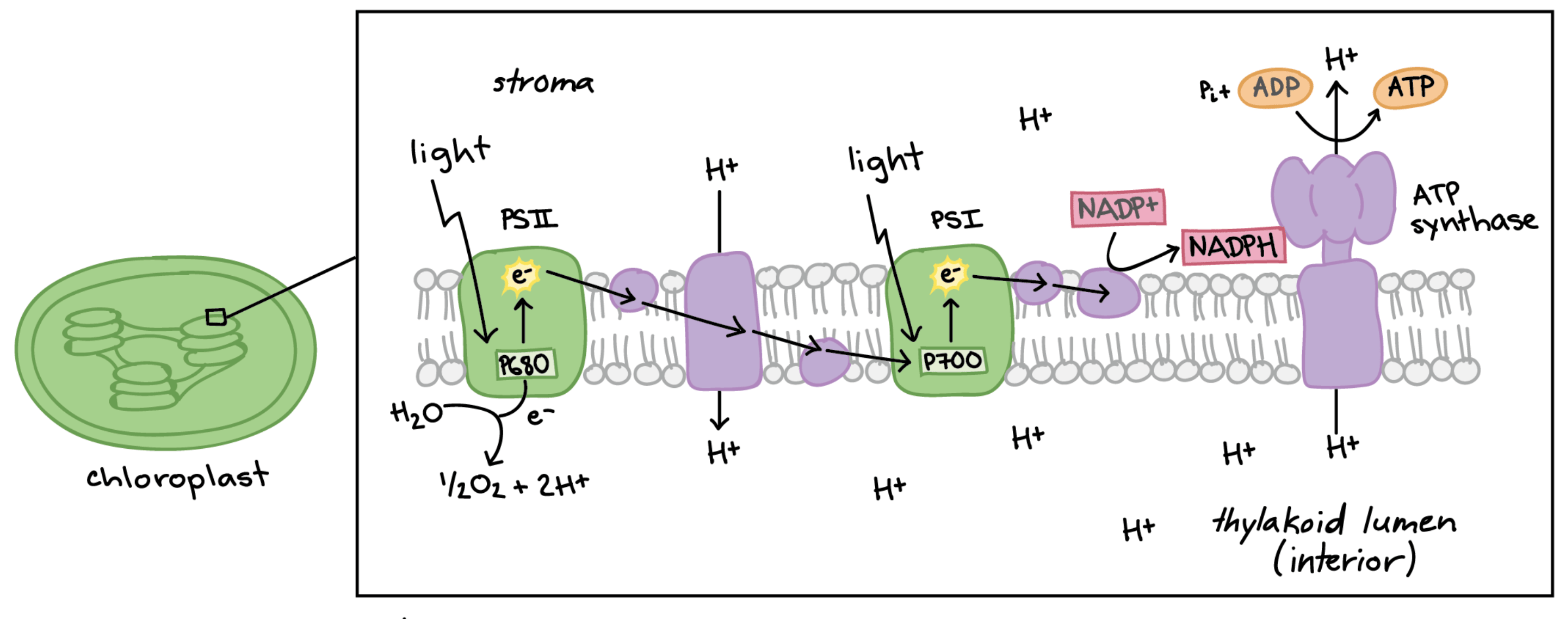
Describe the general steps of the light dependent reactions to produce NADPH and ATP.
1. Light hits PSII and excites an electron within the chlorophyll
2. Electron leaves PSII and goes through the ETC, creating a H+ gradient as H+ is pumped to the other side
3. PSII splits H2O in order to gain an electron, while O2 is released as a byproduct
4. Electron reaches PSI and get re-energized by light, and NADP+ accepts the electron, turning into NADPH
5. ATP is made via ATP synthase thanks to the H+ gradient produced