History
Constitution
Legislative
Judicial
Executive
100
What country ruled the American colonies before independence?
Britain
100
How do u translate constitution to Slovak?
Ústava
100
What are the two chambers of Congress?
Senate, House of Representatives
100
What is the name of the highest court?
Supreme court.
100
Who is the VP of USA?
JD Vance
200
What was the name of the 1773 protest where colonists acted against British taxation?
Boston Tea Party
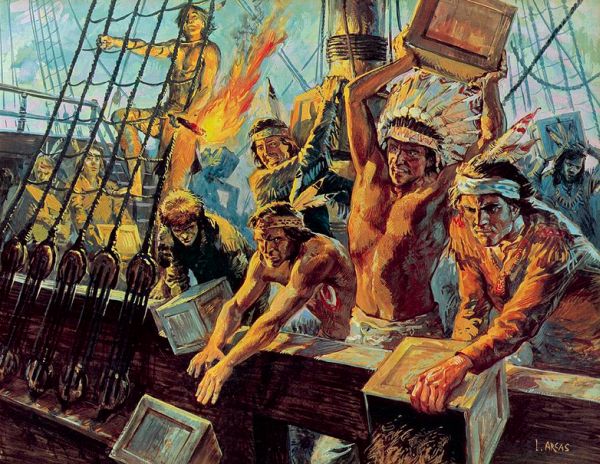
200
What are the three branches of government created by the Constitution?
Legislative
Executive
Judicial
200
How many members are in the House of Representatives and how many are in the Senate?
HoR - 435
Senate - 100
200
How many justices are in the Supreme Court?
9
200
Name 2 functions of the Cabinet
Create team spirit, media coverage, exchange information, monitor congress, prompt action, enable personal contact.
300
What caused colonial resistance? Explain briefly.
Colonial resistance was caused by taxation without representation. Stamp Act. Tea Act
300
What is the Bill of Rights?
First 10 amendments to the U.S. constitution.
300
What is the name of this building?
Capitol
300
What is the main role of the Supreme Court?
Decide whether laws are allowable under the Constitution.
300
What powers/roles does the president have? Name at least three.
commander-in-chief of military, signs or vetoes laws, issues executive orders, appoints judges (including Supreme Court), conducts foreign policy, negotiates treaties, pardons criminals, appoints Cabinet members
400
What document formally declared independence from Britain? Who was the main author and when was it adopted? 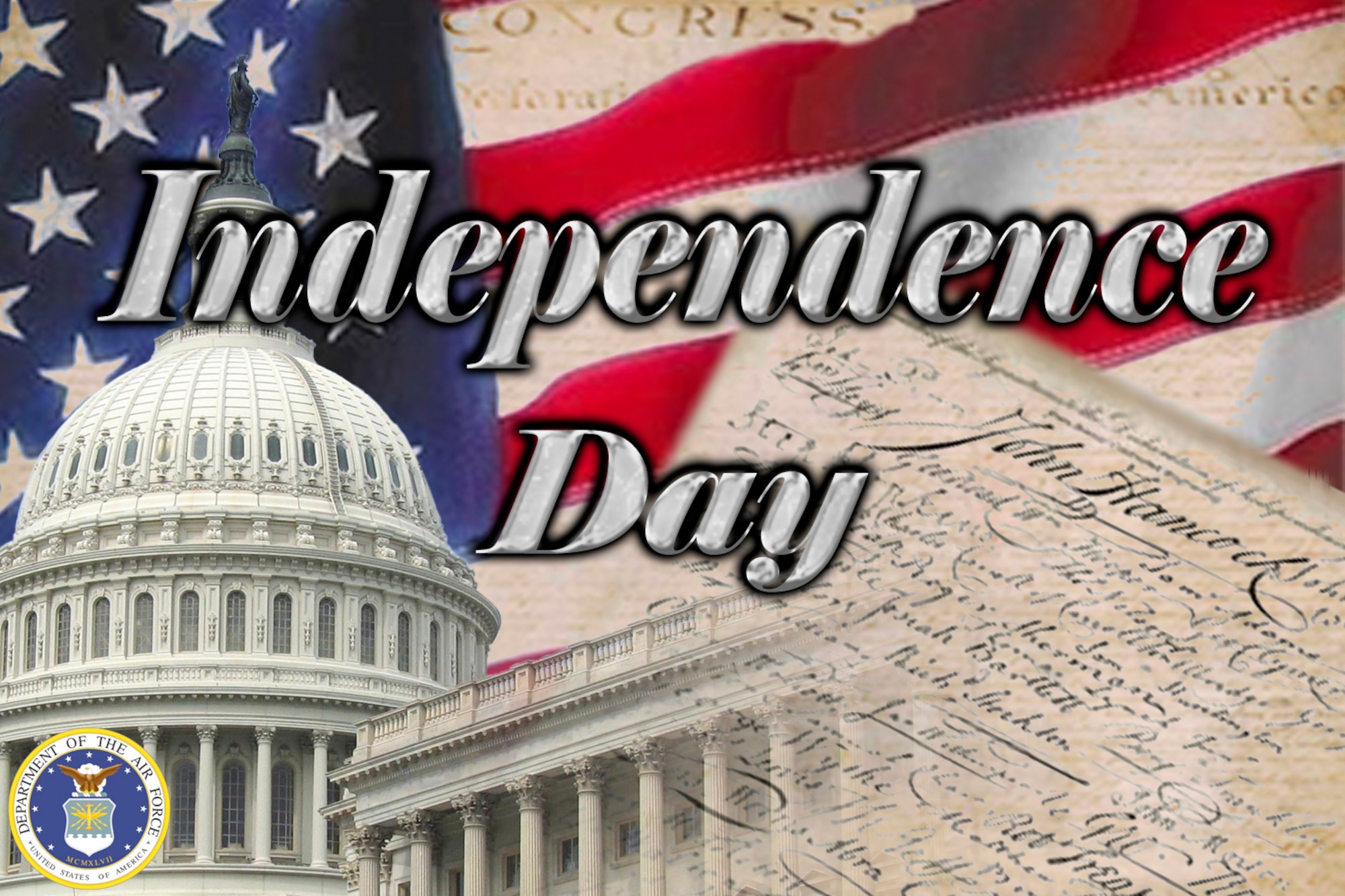
Decleration of Independence.
Thomas Jefferson
4th July 1776
400
Explain the difference between Federalists and Anti-Federalists
Federalists: supported a strong central government and the Constitution
Anti-Federalists: wanted more power for states and didnt support the Constitution
400
Name 1 concurrent (shared) power and 1 state power (one thing goverment has power over vs one thing state has power over)
Concurrent powers (shared): has power over taxes, borrow money, court systems, make enforce laws
State powers: has power over education system,local government, police/public safety, public building, election oversight, highways
400
How are members of supreme court appointed? (By who?)
By president with Senate's approval.
400
What is an executive order?
An official documment issued by the executive branch with the force of law, through which president directs federal officials to take certain actions.
500
Name at least 5 of the original 13 colonies. 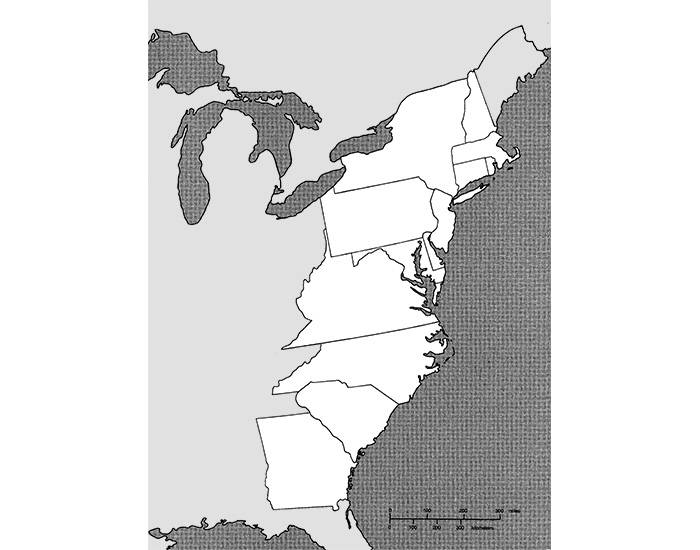
New Hampshire, Massachusetts, Rhode Island, Connecticut, New York, New Jersey, Pennsylvania, Delaware, Maryland, Virginia, North Carolina, South Carolina, and Georgia
500
Name any 2 amendments (just the number) and give a key idea (keyword) for each.
1st: freedom of speech, religion,..
2nd: right to bear arms
3rd: no quartering of soldiers
4th: protection from unreasonable searches
5th: due process, no self-incrimination
6th: fair and speedy trial
7th: jury trial in civil cases
8th: no cruel or unusual punishment
9th: rights not listed are still protected
10th: powers reserved to states/people
13th: abolished slavery
14th: citizenship + equal protection of laws
15th: voting rights regardless of race
19th: women’s right to vote
24th: ended poll taxes
26th: voting age lowered to 18
500
3 Duties or powers of governors.
Propose laws, approving or vetoing bills
develop state budget
control state police militia
appoint officials, supervising executive branch
500
Name 2 state crimes and name 2 federal crimes
State: murder, assault, theft / robbery, burglary, vandalism, DUI (driving under the influence)
Federal: kidnapping across state lines, tax evasion, bank robbery, mail fraud, counterfeiting money, immigration offenses
500
Name five presidents of the United States.
George Washington, John Adams, Thomas Jefferson
James Madison
James Monroe
Andrew Jackson
Abraham Lincoln
Ulysses S. Grant
Theodore Roosevelt
Woodrow Wilson
Franklin D. Roosevelt
Harry S. Truman
Dwight D. Eisenhower
John F. Kennedy
Ronald Reagan
Bill Clinton
George W. Bush
Barack Obama