Cell What?
You Innate Me
I will adapt
Alterations accepted
What's that smell
I can't look
200
Known as programmed cell death
What is apoptosis?
200
Physical, mechanical & Biochemical
What are the types of barriers?
200
The most abundant class of antibody in the serum
What is IgG?
200
Allergic rhinitis, asthma & anaphylaxis are this type of reaction
What is a Type I reaction? IgE binds to mast cell receptors, triggering the release of multiple mediators and resulting in tissue inflammation.
200
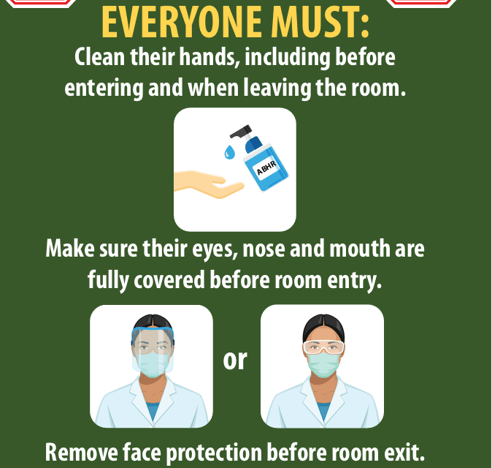
What are droplet precautions for a patient who is coughing or sneezing, as in the case of COVID 19
200
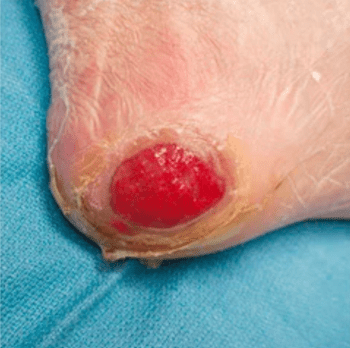 A result of these 4 factors
Shearing forces, unrelived pressure, moisture, friction
400
The appropriate term for the replacement of one mature cell by another
What is metaplasia?
400
Redness, swelling & pain
What are signs of inflammation?
400
This antibody is the typical initial immune response
What is IgM?
400
Tissue-specific reaction seen in autoimmune disorders
What is a Type II reaction? Altered self-antigens on tissues are bound by autoantibodies, resulting in tissue destruction or dysfunction.
400
Encounter & transmission, colonization, invasion, and dissemination & tissue damage
What is the process of infection?
400
T cell-mediated (delayed) hypersensitivity is 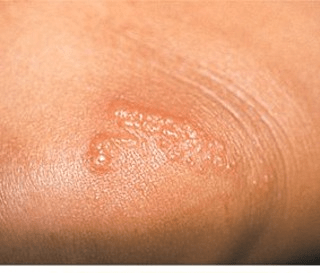 shown here
***UPDATE pg. 1050***
Allergic Contact Dermatitis is a common form of T-cell–mediated or delayed hypersensitivity. In delayed hypersensitivity (type IV), several hours pass before an immunologic response is apparent. Pictured below is poison ivy, which is an allergic contact dermatitis.
Latex is also an Allergic Contact Dermatitis. In latex allergy, either a type IV hypersensitivity reaction to chemicals used in latex rubber processing occurs, or a type I immediate hypersensitivity reaction occurs with immunoglobulin E (IgE) antibodies formed in response to latex rubber protein.
600
In bodybuilding, this can result from normal physiologic condition or abnormal pathologic conditions
What is hypertrophy?
600
These are the predominant phagocytes at the early inflammatory site
What are neutrophils?
600
This antibody is present in low concentrations in circulation, a common allergic response & defense against parasitic infections
What is IgE?
600
T cell-mediated delayed hypersensitivity, like that seen in poison ivy
What is a Type IV Reaction? Macrophages and T-cytotoxic cells attack the target cell by releasing destructive enzymes and inducing apoptosis. If destruction of an invader is not possible, granuloma formation walls it off from the rest of the body.
600
A significantly decreased T cell count (<200)
What is AIDS? is typically defined by a T-cell count < 200, or opportunistic infection, or certain cancer, or a combination of the aforementioned.
600
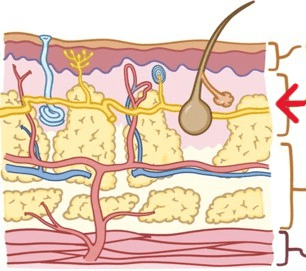
This second layer houses the nerves and blood vessels
What is the dermis?
800
Results from disuse, insufficient blood flow, malnutrition, denervation, or reduced endocrine stimulation
What is atrophy?
800
The nurse notes this lab value in response to a patient with a parasite
What is the eosinophil value?
800
These cells secrete cytokines that suppress the immune system & promote tolerance
What are treg cells?
800
Immune complex-mediated reactions seen in SLE & Raynaud's
What is a Type III reaction? Antibodies are formed against circulating antigens, resulting in immune complexes that deposit in tissues, causing tissue destruction.
800
Your patient is traveling to Africa and completed the diphtheria (DTap) series as an infant (6 months) and has not had a shot since. As a good nurse, you know Africa has a high prevalence of diphtheria. What do you advise the patient?
DTap is initially given at 2, 4 & 6 months. Then boosters are given between 15-18 months & 4-6 years. Adults are recommended to receive a booster every ten years.
800
Pictured here, they open onto the surface of the skin and are found in the greatest numbers on the face, chest, and back
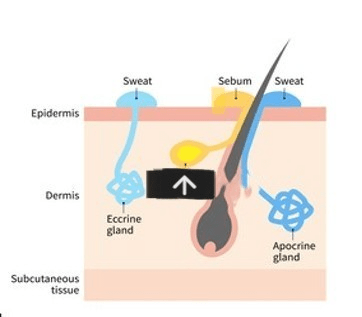
What are the sebaceous glands?
1000
A type of cell death that occus when cells are damaged by external factors like infection, as well as internal factors like tissue ischemia
What is Necrosis; coagulative, gnagrenouse, liqefactive, caseous, fat, fibrinoid
1000
When phagocytes begin to stick avidly to capillary walls
What is margination?
1000
These cells support innate immunity and epithelial cell protection against invasion
What are Th17 cells?
1000
Causes histamine to contract bronchial smooth muscles (bronchial constriction), increases vascular permeability (edema), and causes increased blood flow (vasodilation)
What is a Type I response?
1000
Endotoxins cause the release of toxic levels of inflammatory cytokines, which promote vasodilation, leakage of fluid into tissues, intravascular coagulation, decreased O2 delivery to tissues, and may cause this.
What is endotoxic (septic) shock? Clinically, this looks like hypotension, tachycardia, fever, AMS, possible organ dysfunction/failure, and possible death if not treated. Endotoxins are in the cell wall of Gram-negative bacteria (e-coli, Salmonella, Pseudomonas)
1000
The vesicle shown here due to HSV is a ______ lesion. THe nurse knows treatment for this is______.
What is a primary lesion, and treatments includes topical antivirals and oral antiviral agents?