Head & Neck
Temporal bone
Otology
Baby with stridor
A call from the ED
100
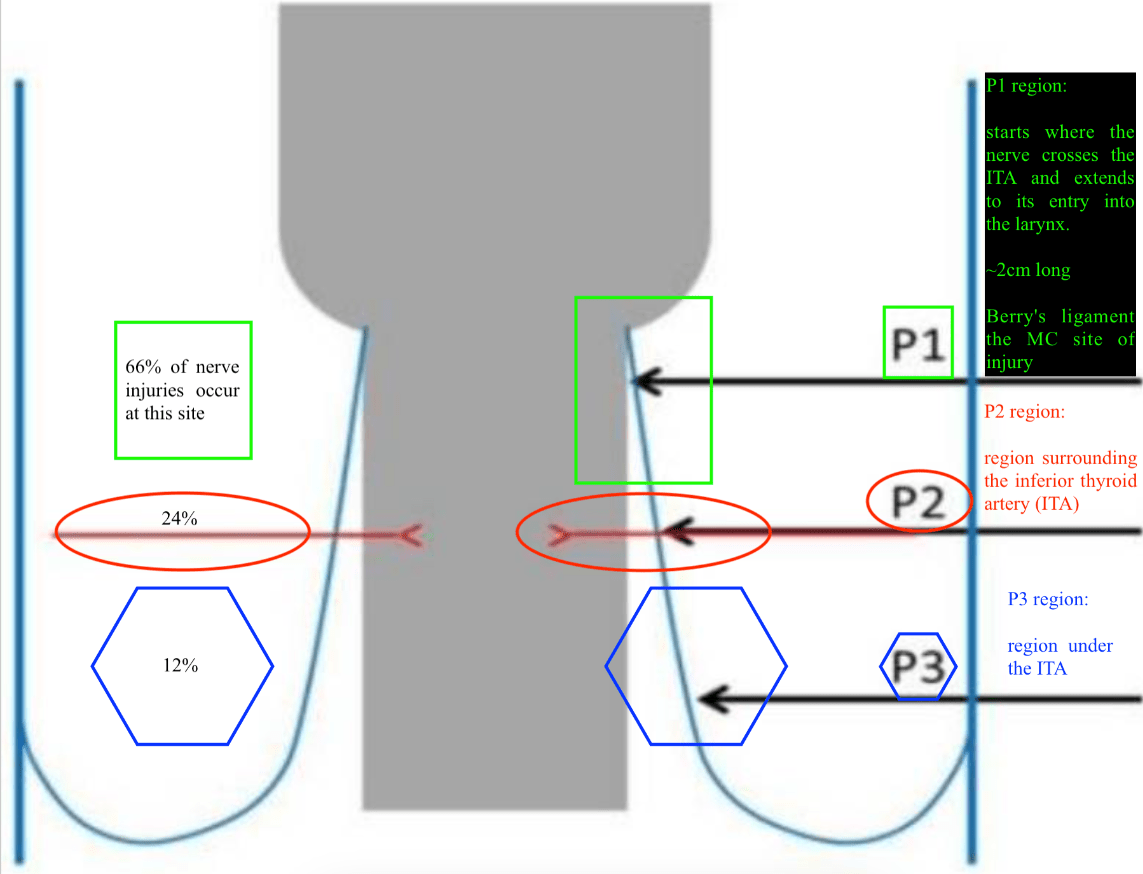
Most common site of injury to the recurrent laryngeal nerve during total thyroidectomy (true in both pediatrics and adults).
Berry's ligament = posterolateral ligament of the thyroid gland

100
Name the diagnosis
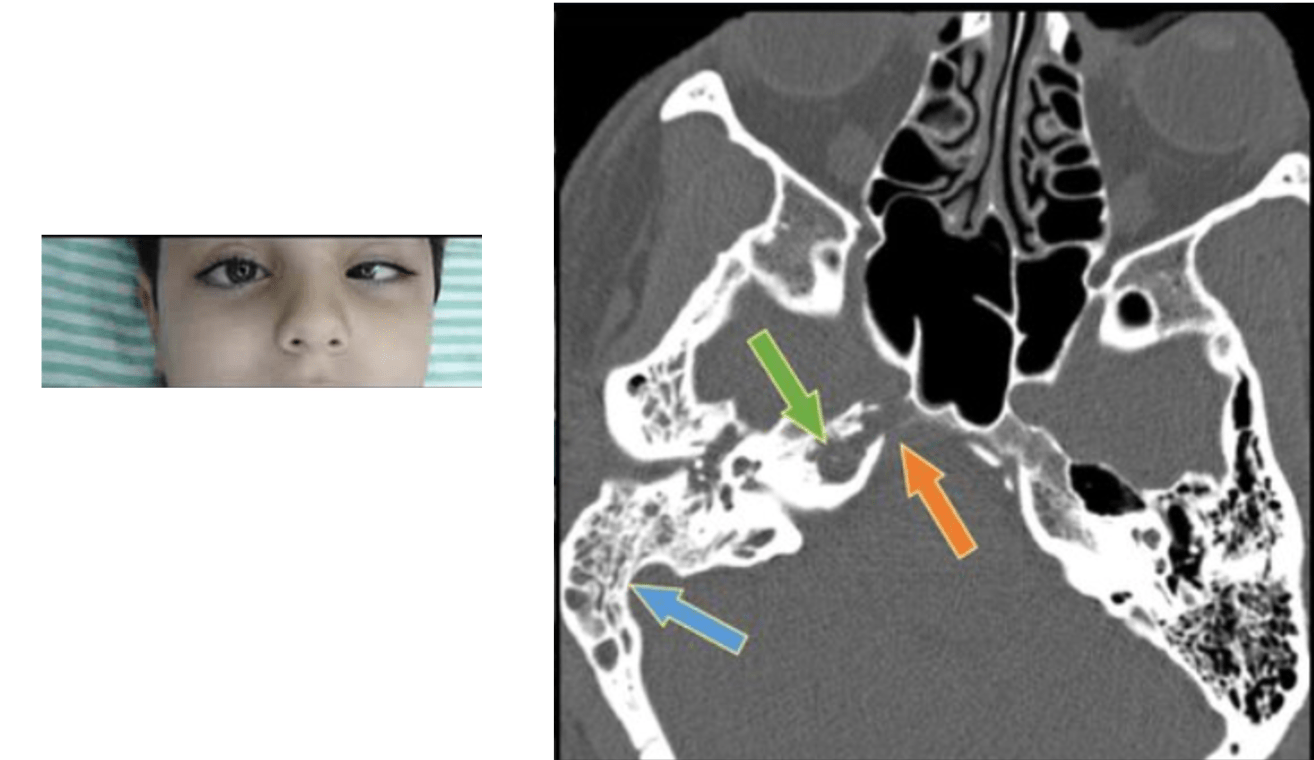
1. Destructive process in right petrous apex (Orange arrow)
2. focal collection @ petrous apex (Green arrow)
3. Mastoid effusion (Blue arrow)
4. unable to aBDuct right eye
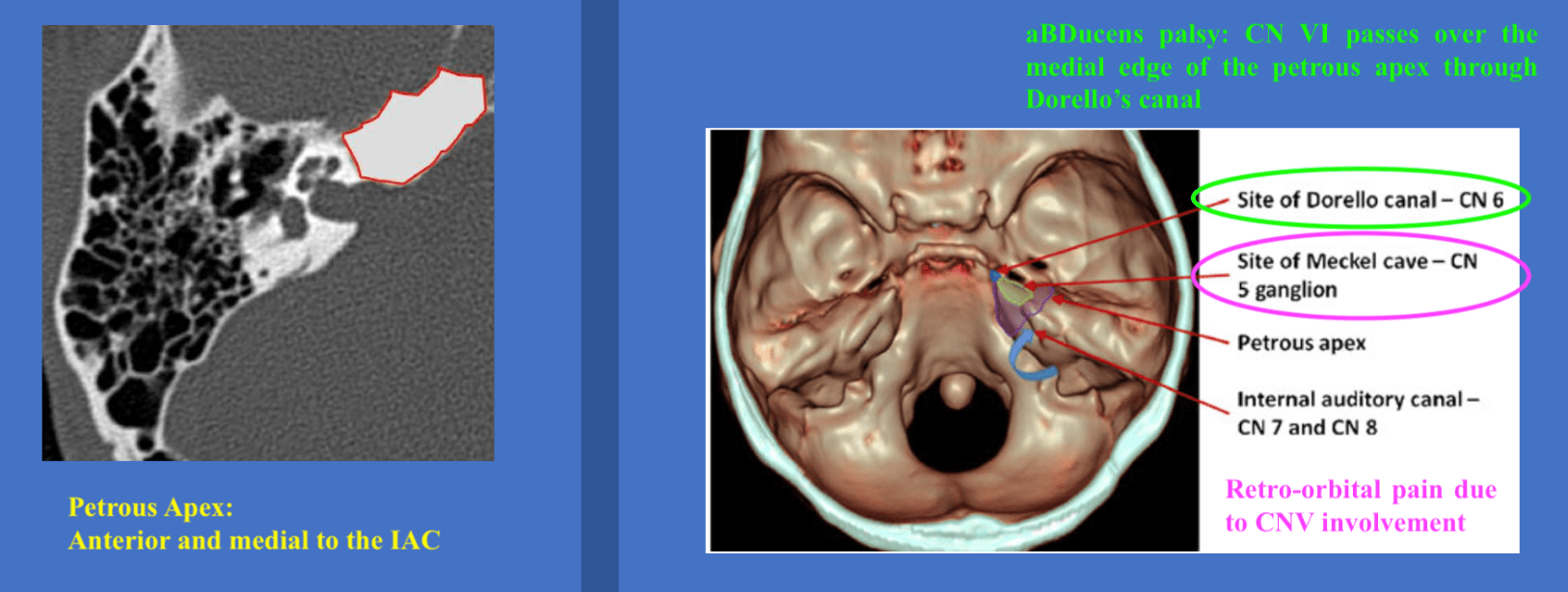
Gradenigo’s Syndrome
100
100
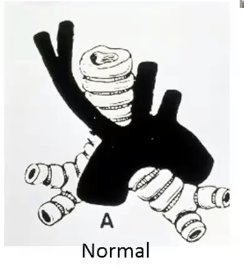
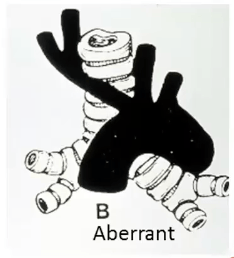
What is... the MC vascular anomaly that causes tracheomalacia?
Anomalous innominate artery
200
A patient with frontal bossing and mandibular keratocysts is at increased risk of developing which cutaneous malignancy?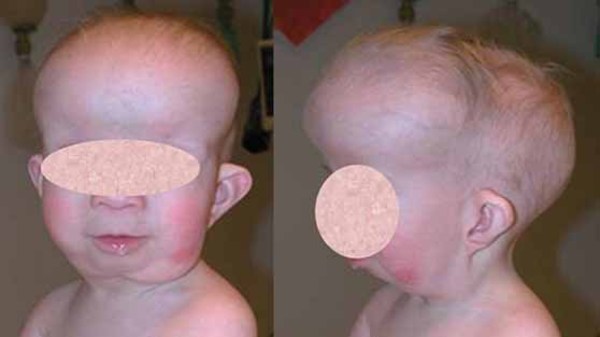
Basal Cell Carcinoma (BCCa)
Gorlin-goltz syndrome:
- AD
- mutation in the PTCH gene

200
Name the diagnosis
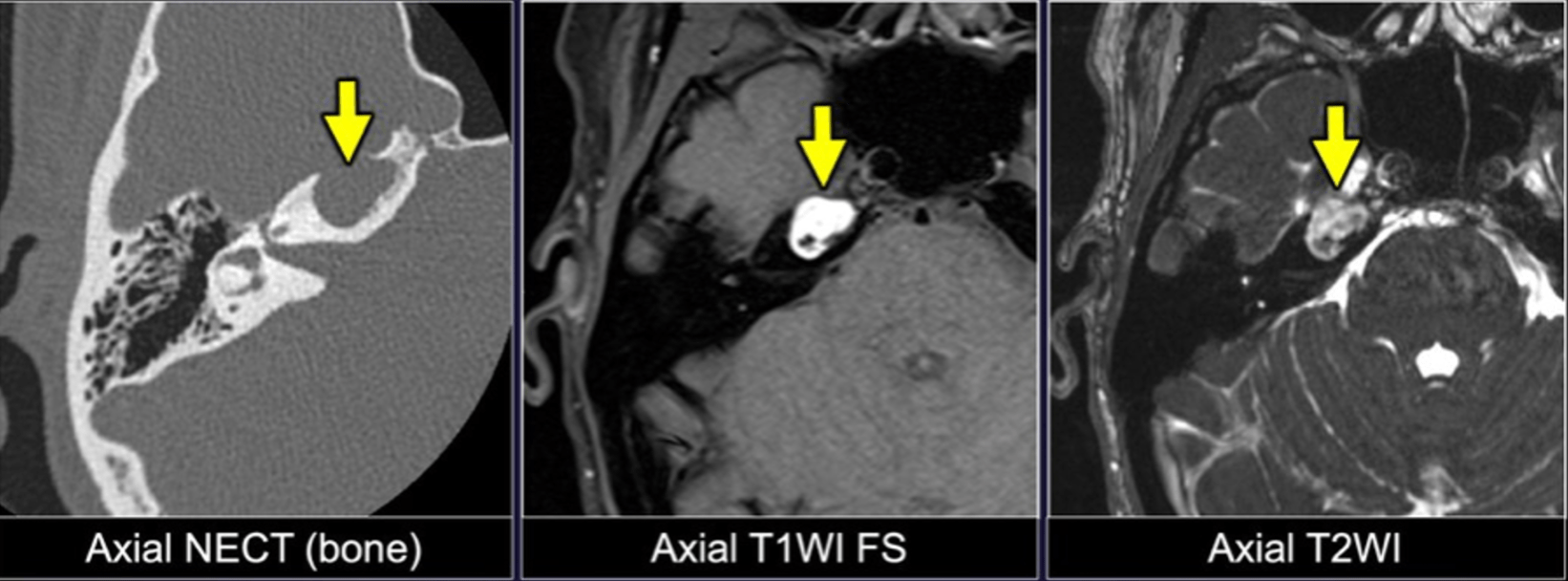
CT scan findings: Expansile lesion without bone destruction
MRI findings: Hyperintense on both T1 & T2
Cholesterol Granuloma
200
Patient present with congenital auricular atresia, mother would like to know if he is a surgical candidate. What criteria is used to determine surgical candidacy?
Jahrsdoerfer criteria
200
Tell me the ABNORMAL artery & the ABNORMAL branchial arch.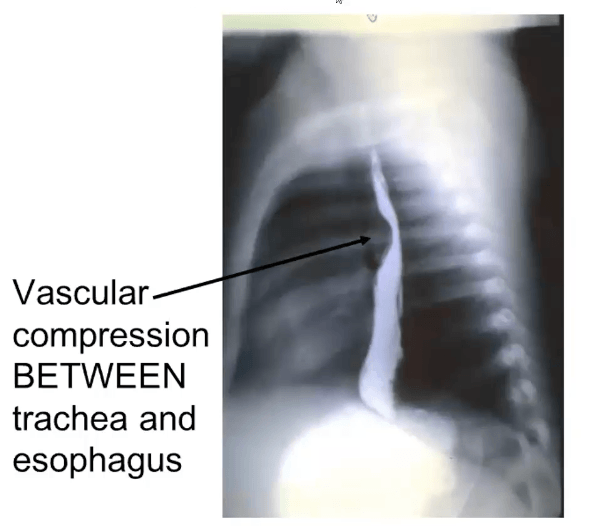
- Vascular sling = abnormal LEFT pulmonary artery (here the LEFT pulmonary artery arises from the RIGHT pulmonary artery)
- left 6 branchial arch
300
What is the diagnosis of this 1-day-old female with a mass arising from the maxilla?
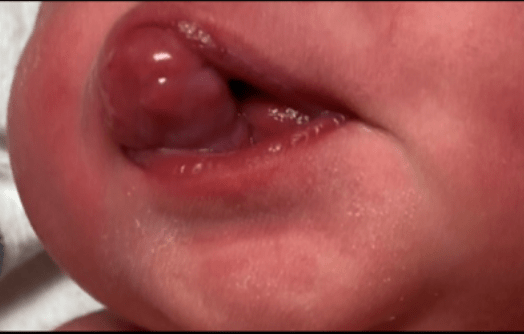
Congenital epulis.
- benign lesions that are present at birth.
- They can interfere with feeding, which is why surgical intervention is indicated within the first few days of life.
300
Tell me the syndrome of a child with Severe to profound SNHL, multinodulergoiter and TB-CT scan with:
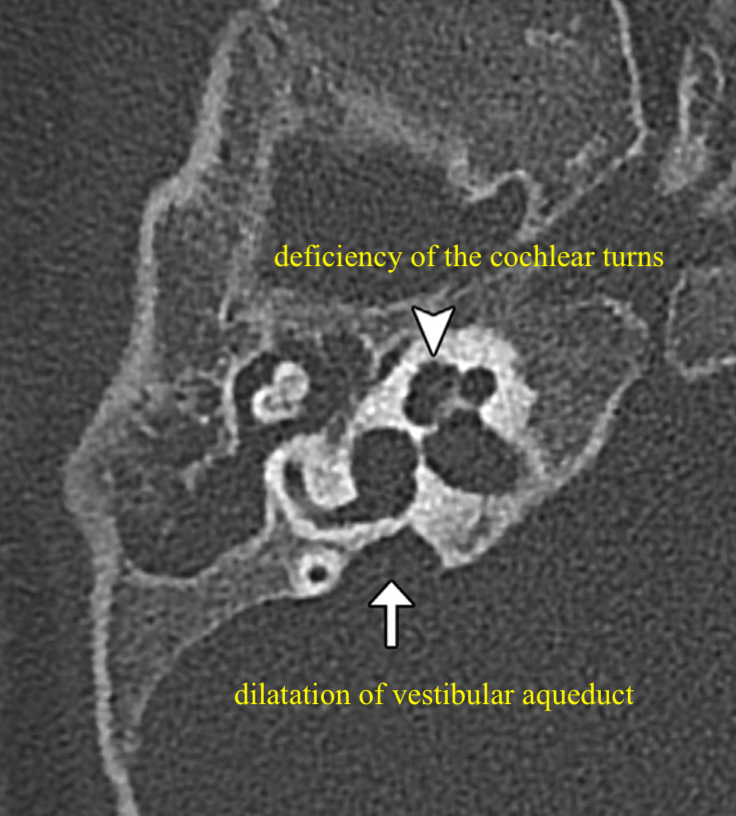
PENDRED SYNDROME
- AR disorder
- Gene mutation affects pendrin, molecule involved in chloride-iodine transport
300
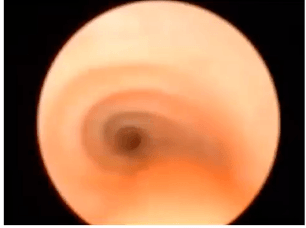
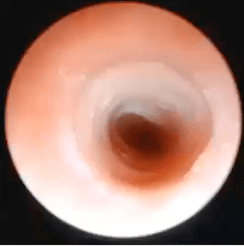
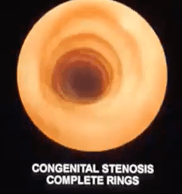
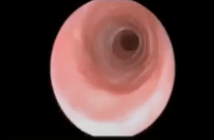
You take to OR a BG with pulmonary sling (abnormal left pulmonary artery). What additional finding would you expect to see in the Bronchoscopy?
Complete Tracheal rings.
300
400
A 12-year-old with anti-TPO antibodies presents with a thyroid nodule. FNA is shown below. What is the underlying autoimmune disease? What is the diagnosis based on the FNA?
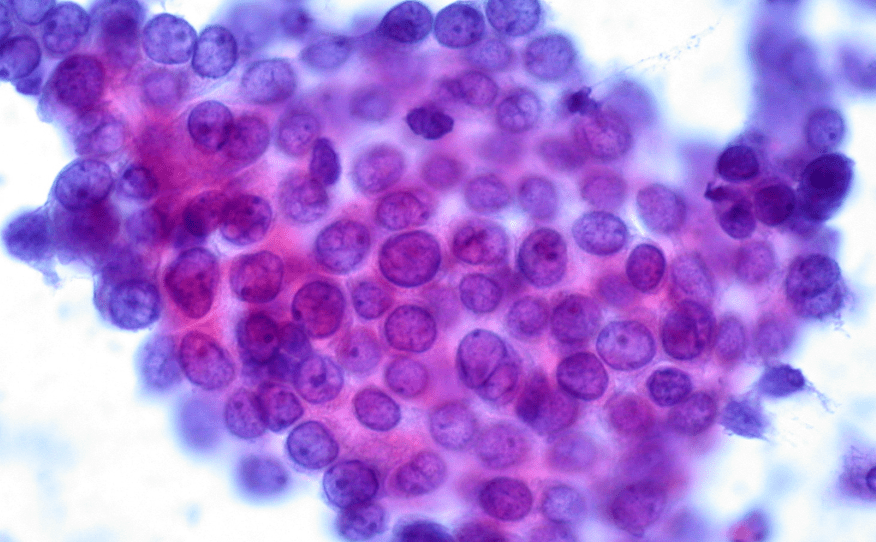
Hashimoto’s thyroiditis (HT)
Papillary thyroid carcinoma (PTC)
Pediatric differentiated thyroid carcinoma (DTC) has a more aggressive behavior, characterized by:
High rate of extrathyroidal extension
High rate of locoregional metastasis
High rate of distant metastasis (most commonly to the lungs)
Children with thyroid malignancy, specifically PTC, are more likely to have HT. However, the association between HT and pediatric PTC does not appear to affect patient survival.
400
What is the most likely syndrome associated with findings on this temporal bone CT scan (B/L enlarged vestibular aqueduct) ?
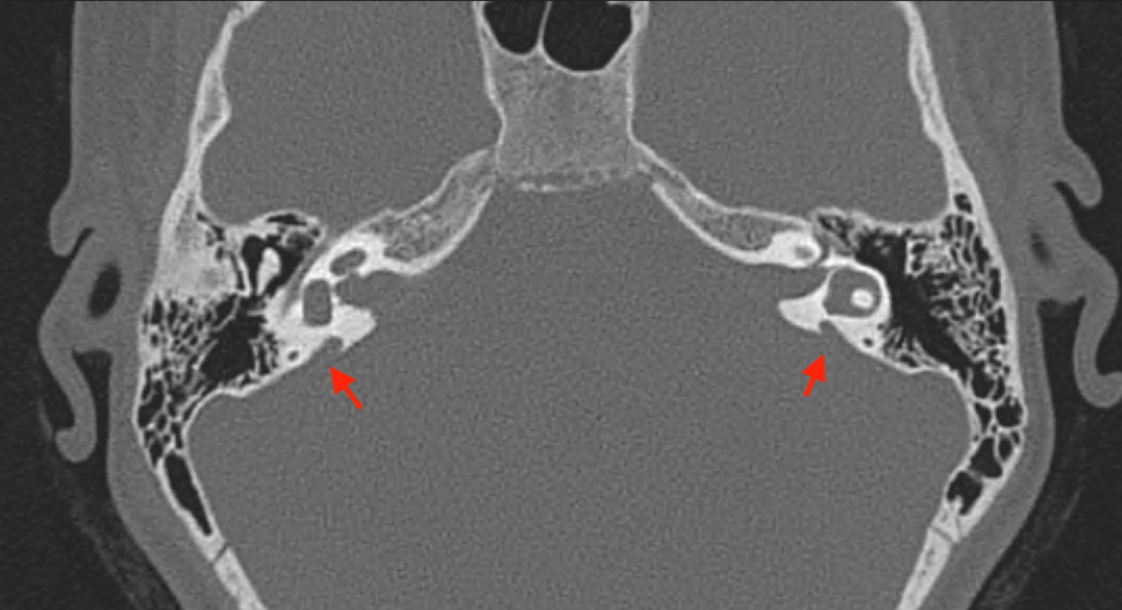
Pendred syndrome
- Sensorineural hearing loss (SNHL) that is usually congenital and often severe to profound
- Vestibular dysfunction
- Temporal bone abnormalities (bilateral enlarged vestibular aqueduct with or without cochlear hypoplasia)
- Euthyroid goiter
400
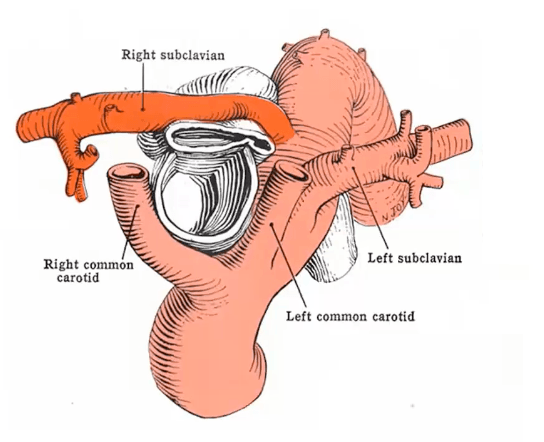
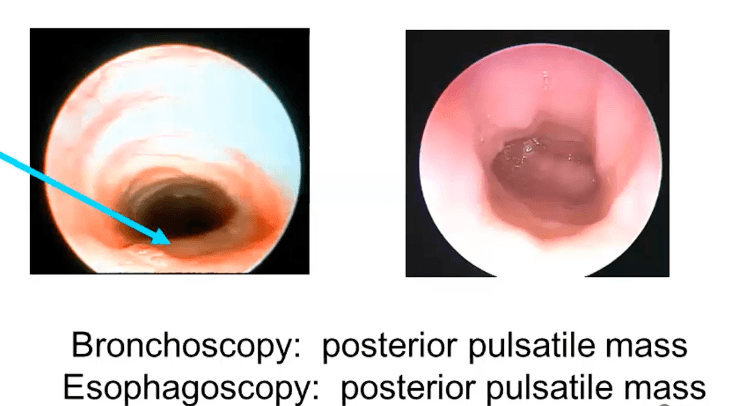
Boy with "dysphagia lusorum" & non-recurrent laryngeal nerve in the right side. Tell me the abnormal artery and what you will see in the bronchoscopy and esophagoscopy...
Retroesophageal right subclavian artery
500
Tell me the diagnosis
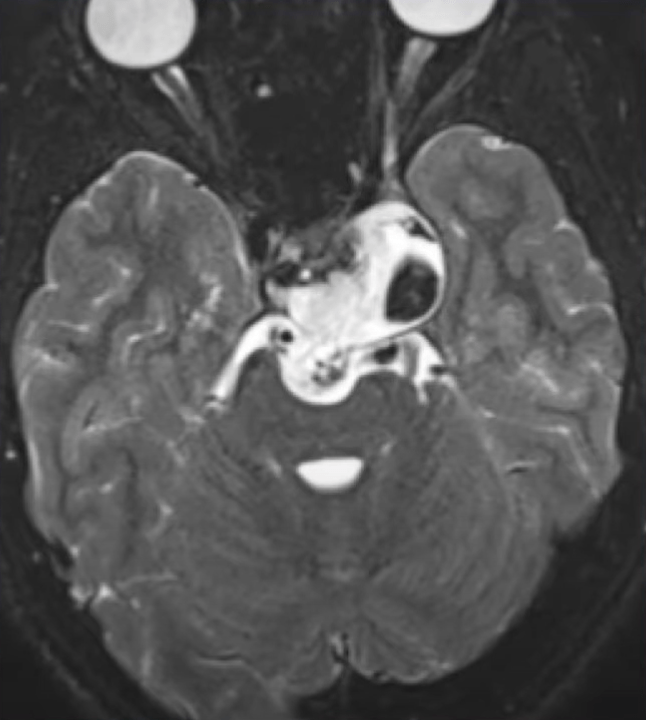
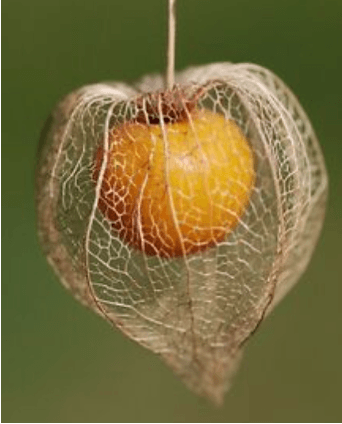
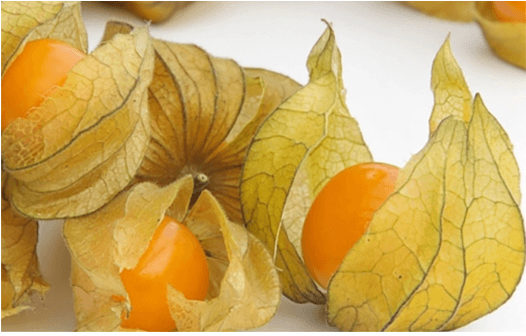
***Physaliferous cells*** = bubbly cells
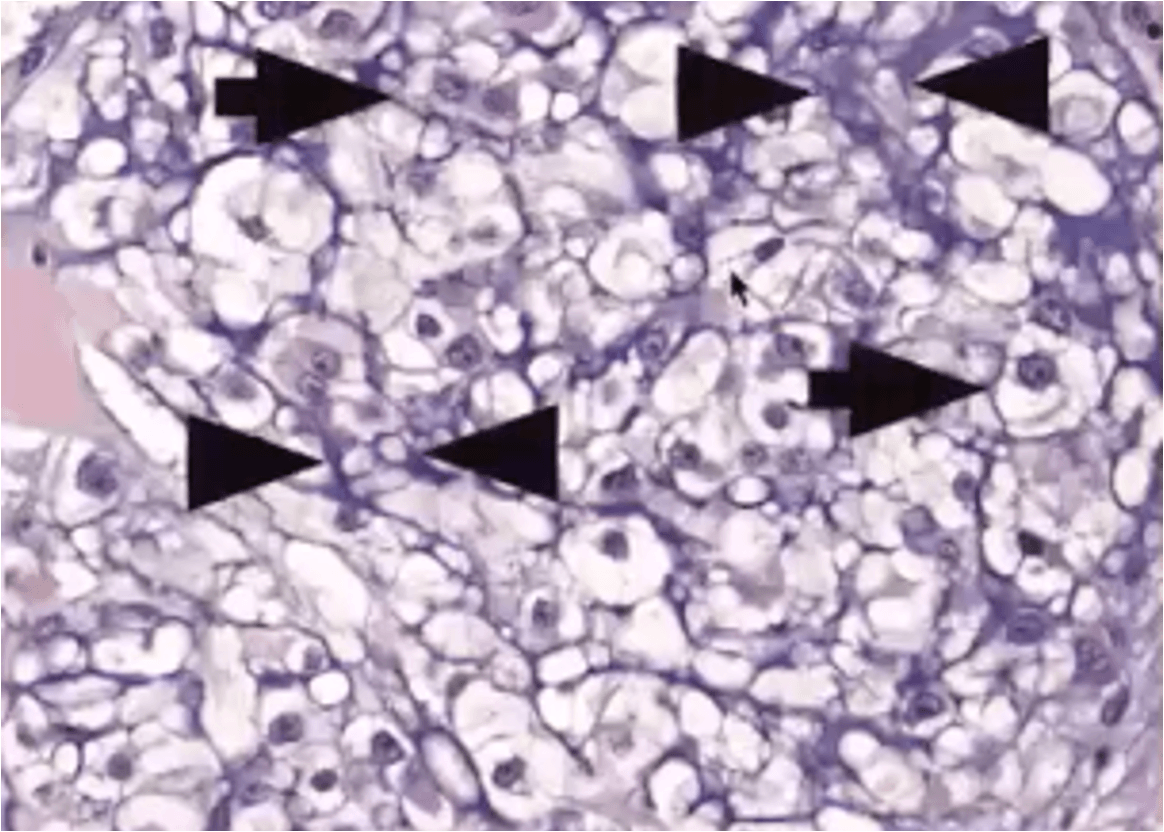
Dx: Chordoma
- Midline Skull Base Lesion
- Pathology: The lesion is characterized by small, round, hyperchromatic nuclei and abundant vacuolated cytoplasm, giving a physalliferous appearance.
- Physalliferous cells: These cells resemble the fruit of Physalis plants (golden berries), with multiple clear vacuoles giving a bubbly look to the cytoplasm.
500
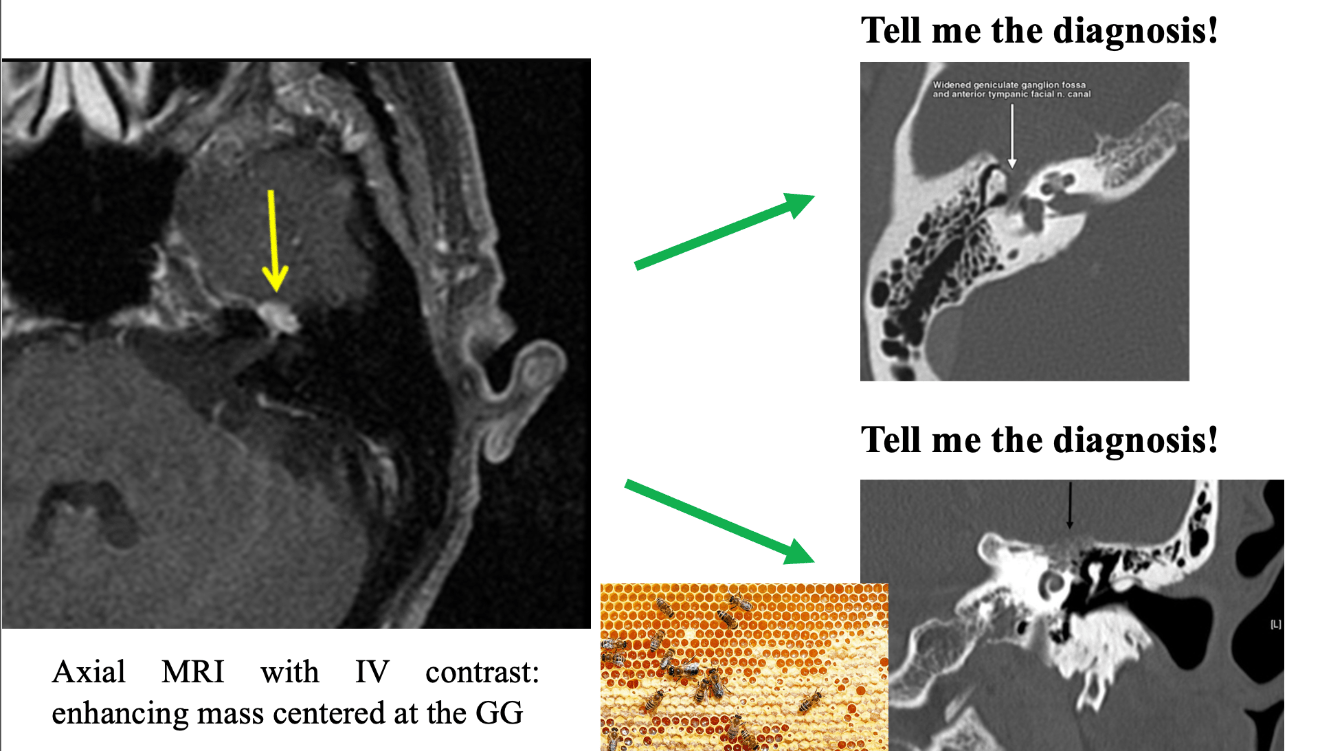
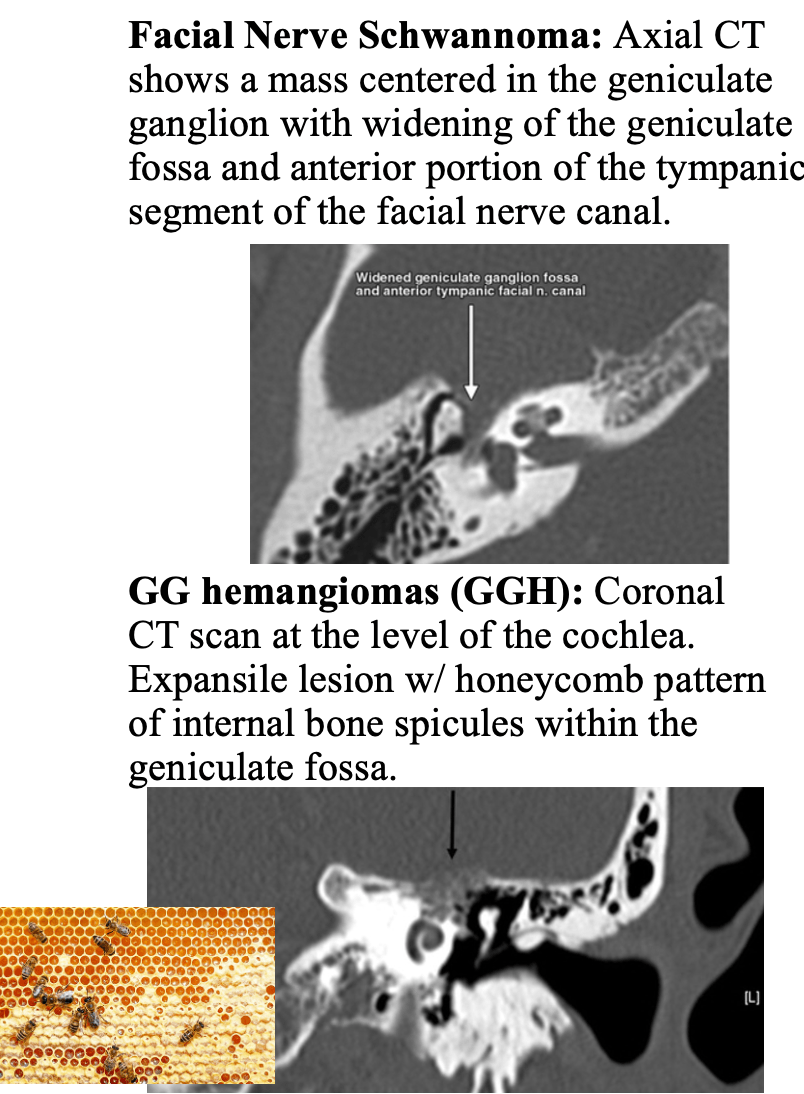
You have an MRI with finings below. You order a CT scan. Tell me the diagnosis for Pt#1 and Pt#2?
500
If you see this in the bronchoscopy, you think in the following vascular anomaly...
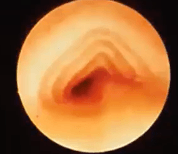
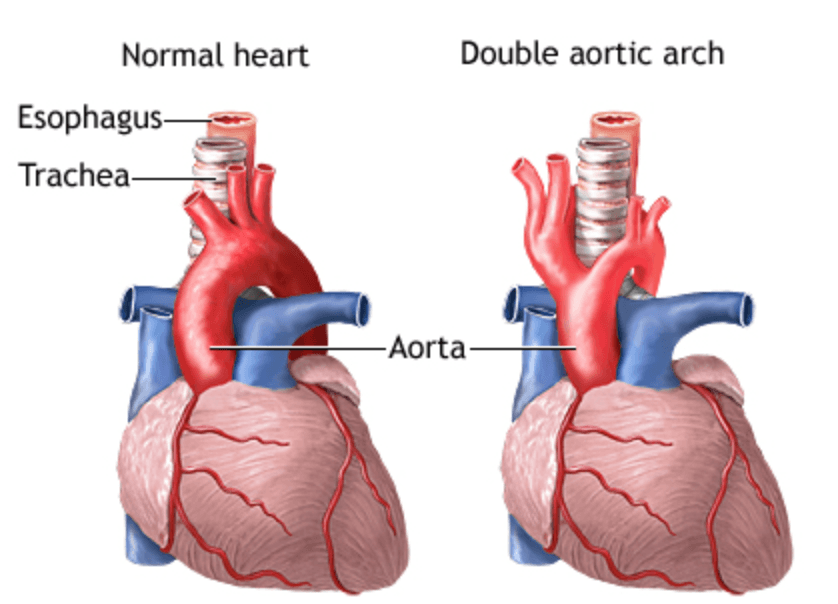
Double aortic arch (Complete vascular ring) = 2nd MCC of tracheomalacia induced by vascular compression.
- remember: MCC of vascular anomaly that causes tracheomalacia = Anomalous innominate artery
500
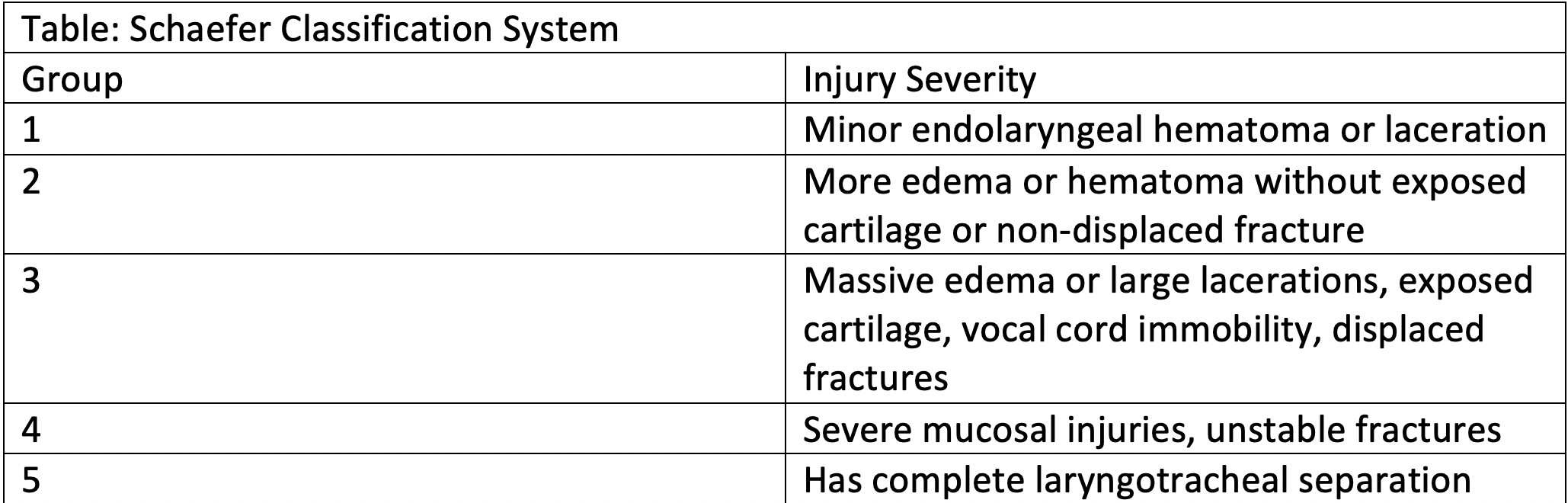
Name the Schaeffer classification grade of the following laryngeal injury.

Grade III