Airway Physiology
Assessment
Common Emergencies
Interventions
Pearls
100
Compared with an adult, a child's airway is this, and therefore more susceptible to obstruction from edema.
What is: Smaller and narrower

100
In a sick child, this is often an earlier indicator of respiratory distress than a falling oxygen saturation.
What is: increased work of breathing
100
Barking cough with URI symptoms and inspiratory stridor when crying.
What is: Croup
100
The first treatment for a hypoxemic child is this.
What is oxygen.
100
In pediatrics, this is a surprisingly late sign of serious hypoxemia.
What is: Cyanosis
200
In infants, this part of the airway is relatively large and can contribute to airway obstruction when positioning.
What is the tongue.
200
Nasal flaring, head bobbing, grunting, seesaw breathing and tracheal tugging are examples of this.
What is increased work of breathing.
200
Prolonged expiration, decreased air entry and scattered end-expiratory wheezes.
What is: Wheezing-associated respiratory illness or Asthma
**Consider bronchiolitis if you hear wheezing and rhonchi without prolonged expiration or a history of asthma
200
A child with asthma is becoming tired and altered with poor air entry and a respiratory rate that has changed from 60 to 30. How would you label this respiratory emergency?
What is: Impending respiratory failure with status asthmaticus
200
A child who is crying is demonstrating that they still have this important physiologic reserve.
What is: respiratory drive and/or a patent airway
300
This maneuver can help maintain a neutral airway in an infant.
What is: sniffing position or neutral positioning
300
A child with a history of asthma has no audible wheezes and markedly diminished breath sounds throughout. You note tachycardia, tachypnea and SpO2 89% with a patient who is speaking in short sentences. This is an example of what?
What is: A quiet or silent chest
*significant respiratory distress with hypoxemia
Watch for signs of respiratory distress in an afebrile child through their vital signs and behavior. Pulmonary exams in asthmatics can sometimes be misleading - following albuterol you'll often begin to hear increased air entry with biphasic wheezing in the original quiet chest.
300
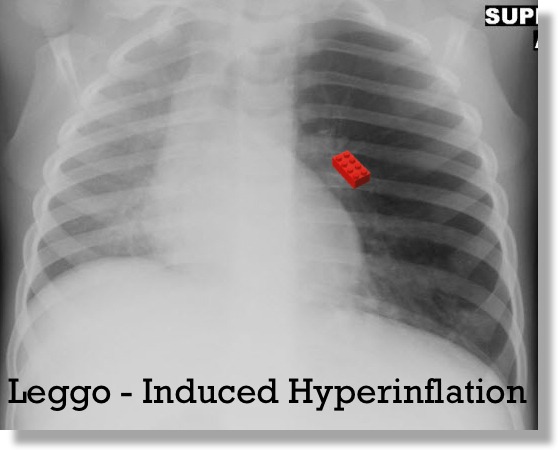
Sudden onset cough, drooling and unilateral decreased breath sounds in a previously healthy child.
What is: Foreign body aspiration
300
For a child on HFNC now with signs of impending respiratory failure who is still breathing spontaneously and protecting their airway without vomiting, this type of support may help avoid intubation.
What is positive pressure ventilation (NPPV, biPAP)
*High-flow nasal cannula (HFNC) and non-invasive positive pressure ventilation (NPPV or NIV) are both non-invasive respiratory support methods, but they differ significantly in how they deliver gas, how they generate pressure, and what clinical conditions they treat best.
300
A child with severe respiratory distress becomes bradycardic. This should immediately raise concern for this.
What is: Impending cardiac arrest
400
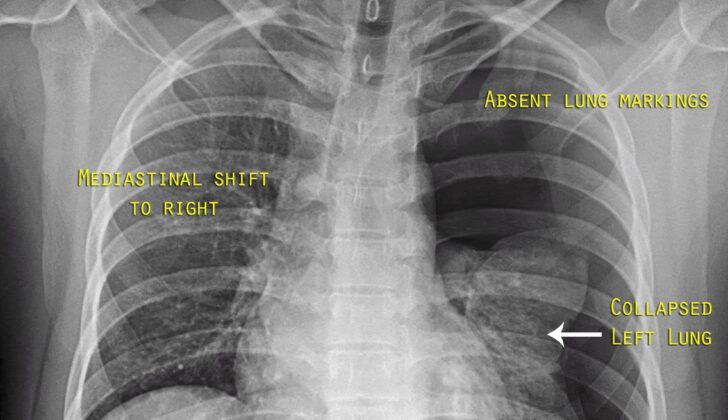
When ventilating a child, excessive pressure or volume can cause this lung injury.
What is: barotrauma or pneumothoraces
400
Beyond oxygen saturation, what 3 things should be assessed rapidly in a child with a chief complaint of respiratory distress.
What is: Appearance, work of breathing and ventilation (air entry, sounds)
400
Fever, abdominal pain and vomiting with tachypnea (+/- hypoxemia).
What is: Pneumonia
In children, some can present with fever, abdominal pain and vomiting with tachypnea and hypoxemia. These are often LLL occult pneumonias with diaphragmatic irritation of the stomach lining leading to primary GI symptoms.
400
When using a bag-mask, the goal is effective chest rise - not this common mistake.
What is hyperventilating / overventilating or high pressure ventilation (given the risk of barotrauma).
400
This may seem unpleasant but can be one of the greatest pediatric respiratory interventions in young children to prevent further deterioration.
What is: Suctioning!
- Regular instillation of plain nasal saline drops to loosen thick secretions.
*Because young infants are obligate nasal breathers, severe nasal swelling—often caused by neonatal rhinitis—can severely disrupt their ability to breathe and feed, making medical intervention critical. In a hospital setting, dexamethasone (Decadron) ophthalmic drops can be prescribed off-label for intranasal use to treat severe, persistent nasal congestion or obstruction in infants. - Gentle bulb or mechanical suctioning, carefully timed before feedings so the baby can swallow safely.
500
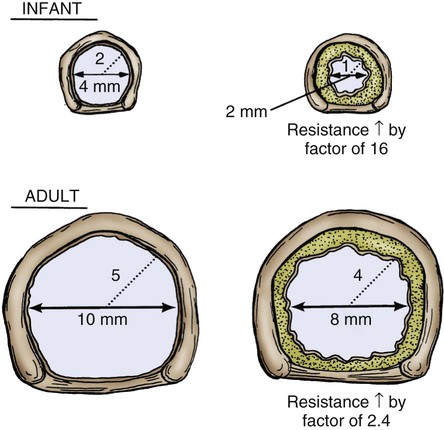
The Poiseuille's law dictates the relationship between the length and what of a pediatric airway that has a major impact on airflow and airway resistance.
What is: The airway radius
500
During serial reassessments of a child with respiratory distress, these two changes in respiratory trends suggest deterioration more strongly than a single elevated respiratory rate.
What is: Progressive tachypnea OR periods of apnea
500
Drooling, dysphagia, muffled voice and tripod position should make you think of this potentially life-threatening respiratory emergency.
What is: Epiglottitis
In a child with fever, you can also consider bacterial tracheitis.
**Haemophilus influenzae type b (Hib): classic vaccine preventable cause of pediatric epiglottitis
500
This is the best strategy to manage a child with shallow breathing and sleepiness or altered mental status following a seizure episode.
What is: bag mask valve ventilation
Inadequate ventilation, especially in an altered child, or in a sick infant with pauses in their breathing between crying, should be ventilated with oxygen (rather than isolated low-flow O2).
500
Outside of the more common pediatric respiratory emergencies, these other diagnoses can also lead to respiratory failure. Name at least 3.
Seizure, trauma (head or chest), cardiac (myocarditis, heart failure), DKA, PE, pneumothorax, intoxication, compression / obstruction (mediastinal mass)
Management remains the same: Oxygen vs ventilatory support first, then reversal or treatment of underlying cause