A
B
C
D
100
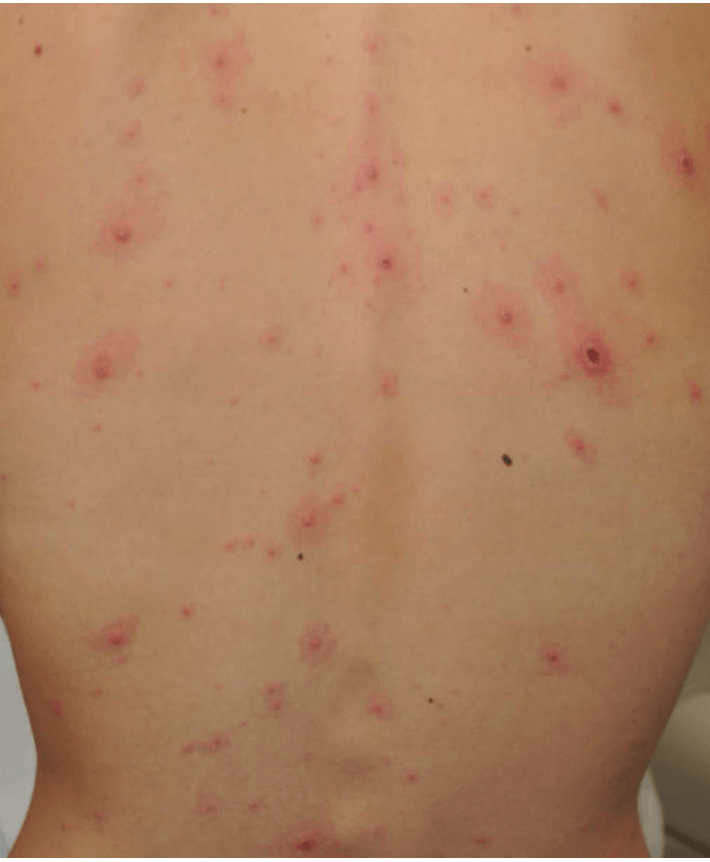
Spot the Diagnosis!
Varicella (chicken Pox)
100
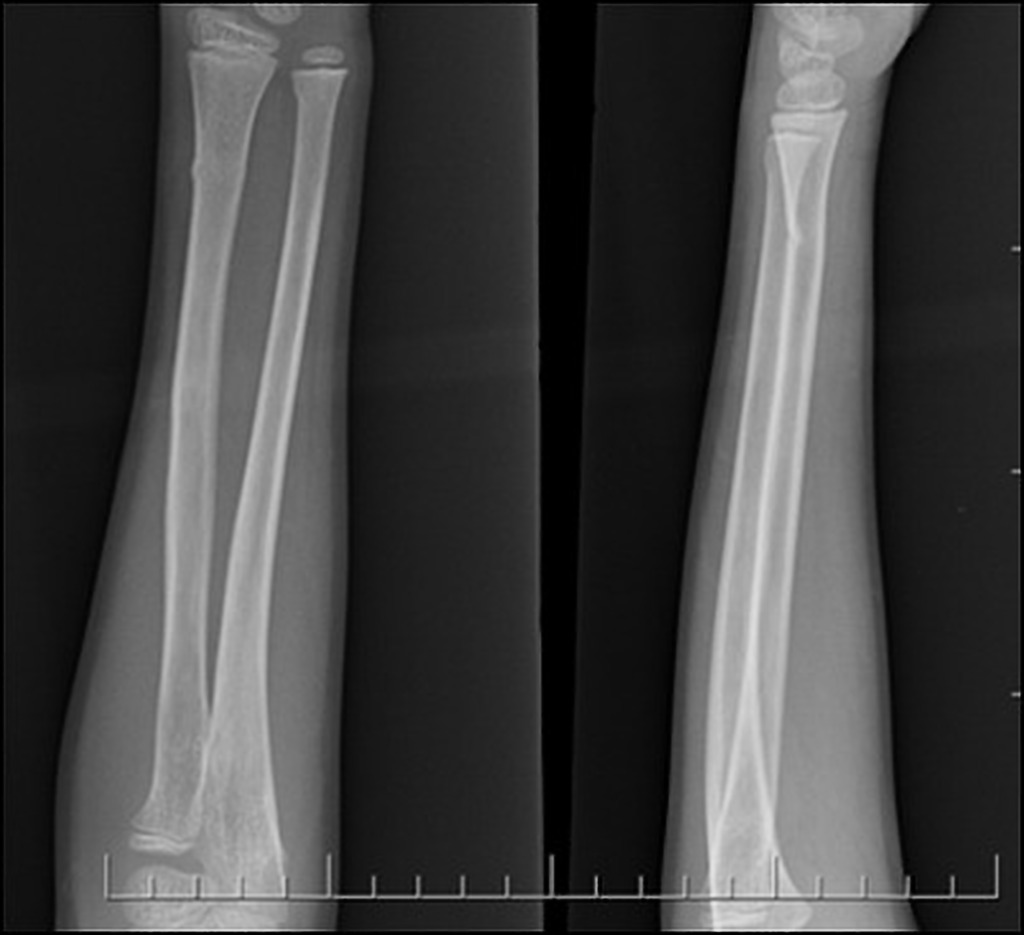
Buckle Fracture
100
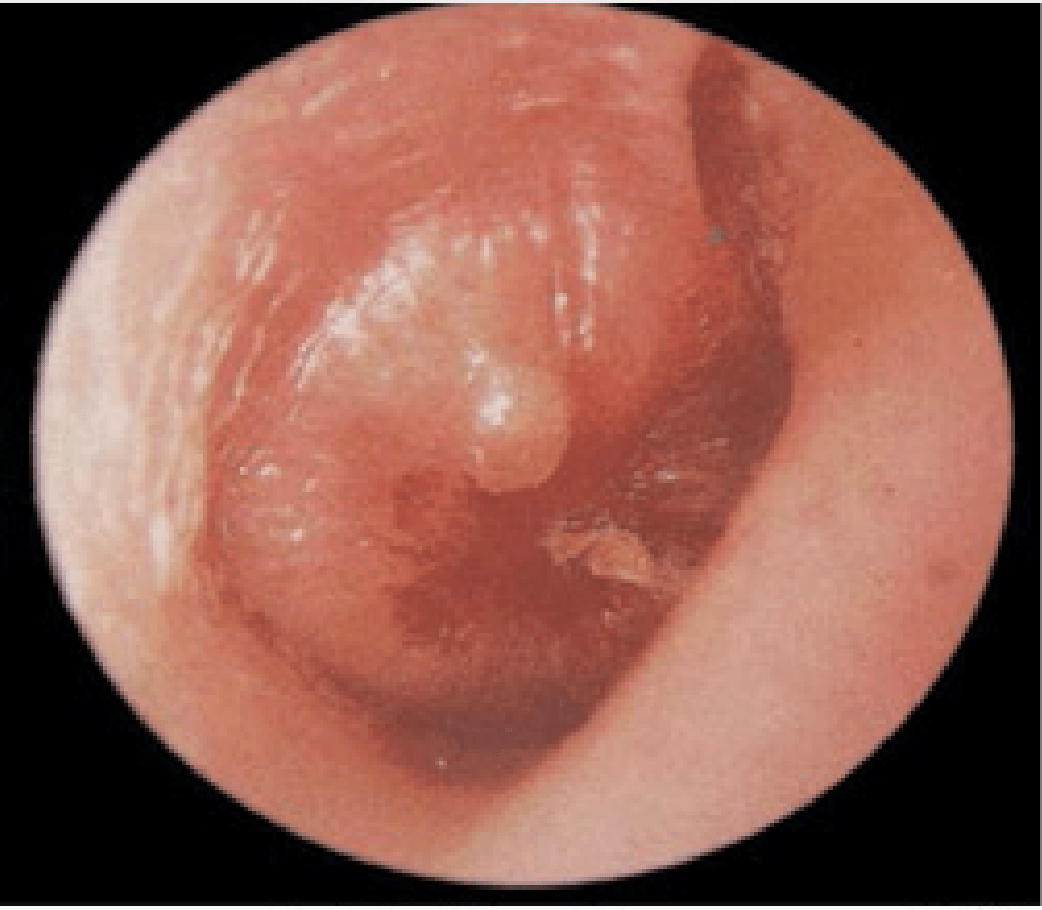
Whats the diagnosis?
Acute Otitis Media
100
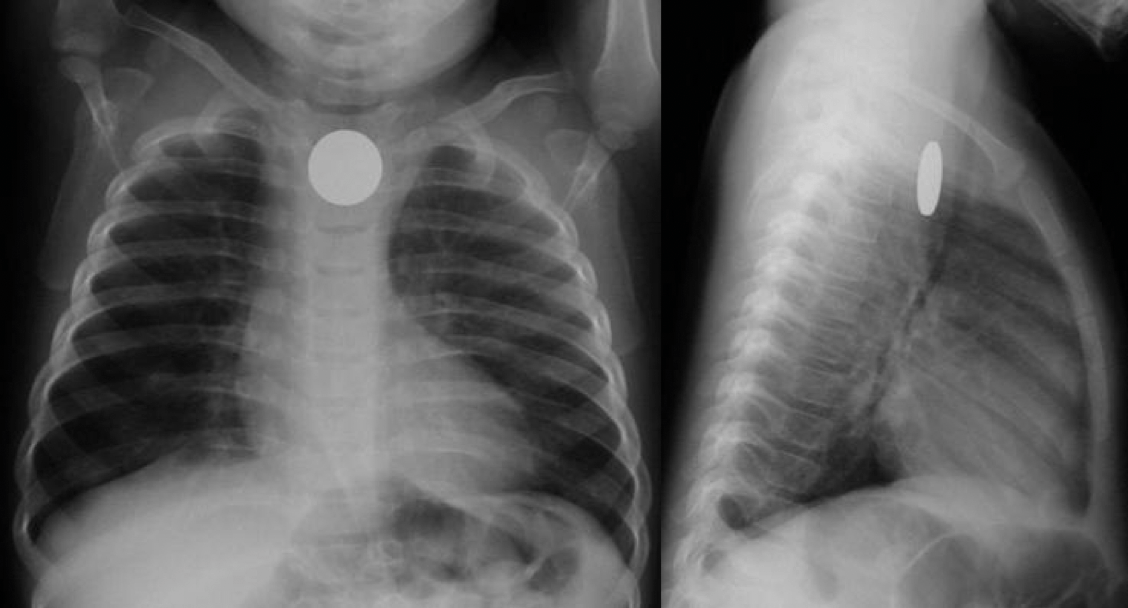
1- Diagnosis?
2- Location
1- Coin ingestion
2- Esophagus
200
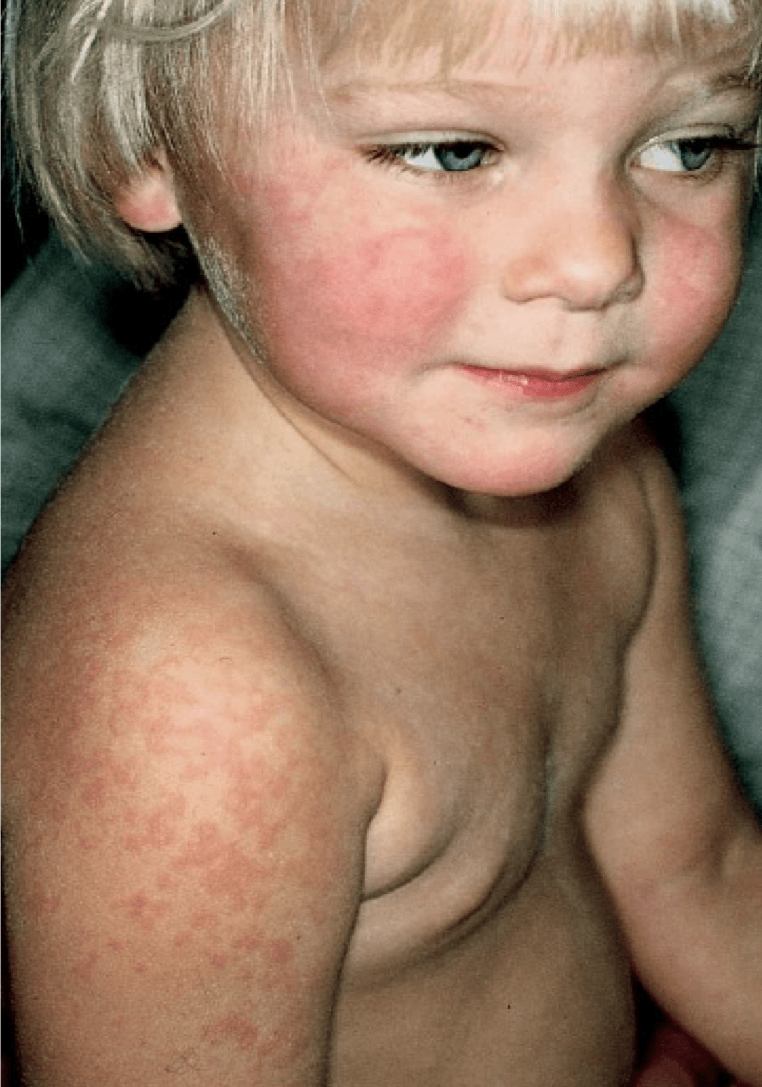
1- Spot Diagnosis?
2- Causative Organism?
1- Slapped cheek (Fifth disease)
2- Parvovirus
200
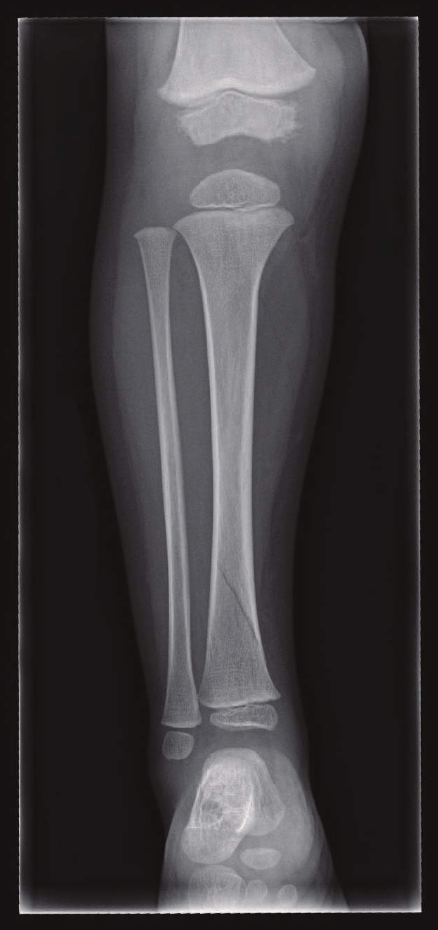
1- Spot Diagnosis?
2- Management?
1- Toddler's Fracture
2- Casting and supportive, Ortho F/U
200
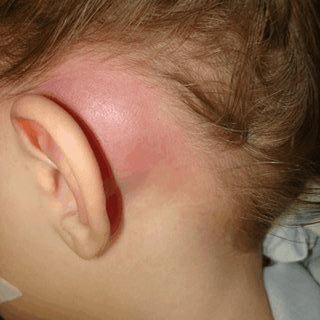
1- Whats the Diagnosis?
2- What are the Complications? (at least 3)
1- Mastoditis
2- Complications:
- Meningitis/Encephalitis
- Venous Sinus thromboembolism
- Brain abscess
- Facial Nerve palsy
- Sepsis
200
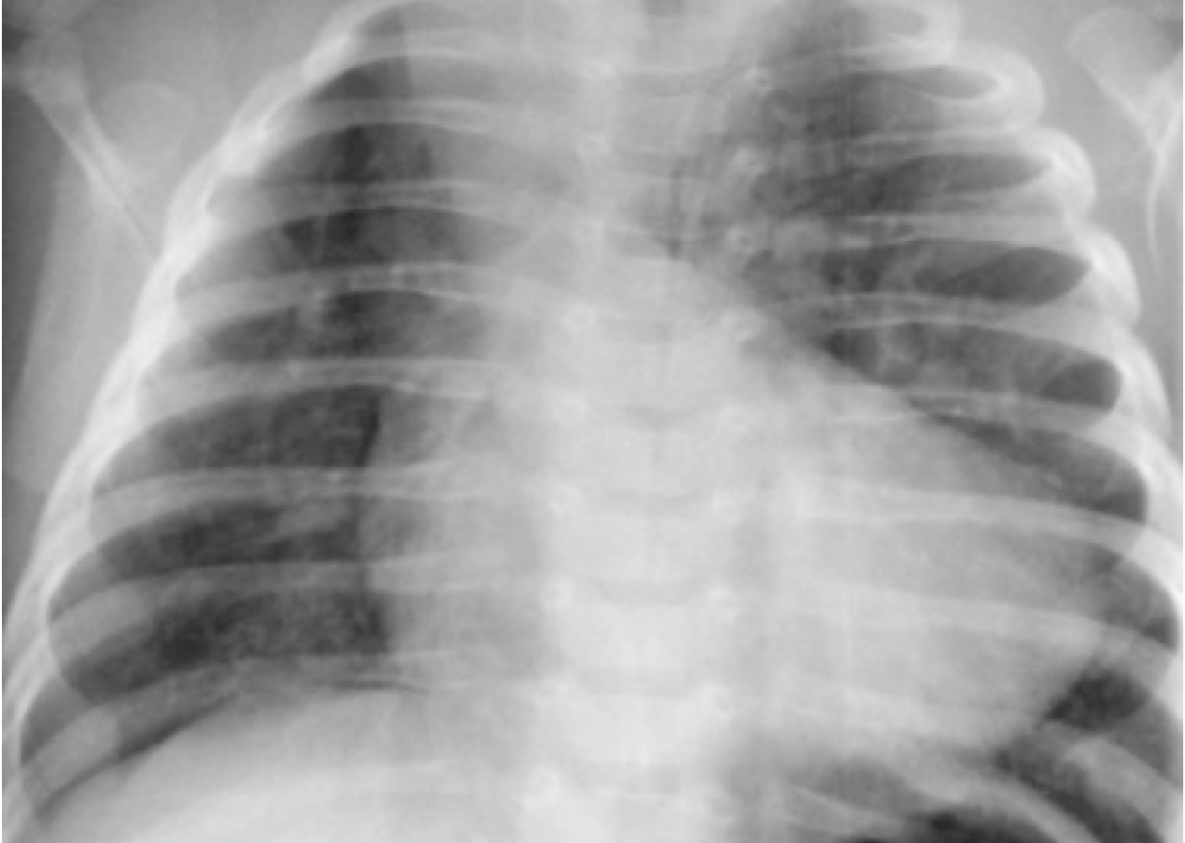
1- What is the Diagnosis
2- What is the Definition
1- TOF
2- Definition:
Right Ventricular outflow obstruction
Right Ventricular Hypertrophy
Ventricular Septal Defect
Overriding Aorta
400
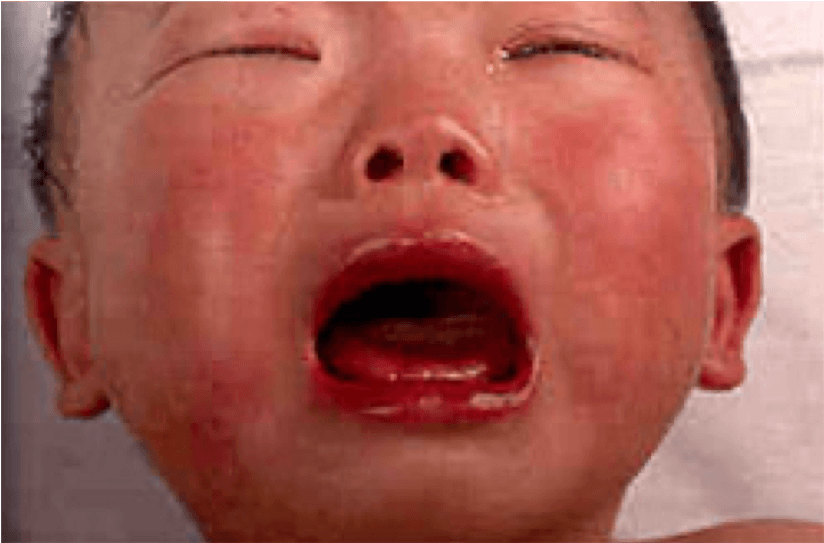
1- Spot Diagnosis
2- Criteria for diagnosis
1- Kawasaki Disease
2- Criteria:
Fever > 5 days or more + four of the following
- bilateral Conjunctivitis
- Mucous membrane changes as peeling, strawberry tongue, cracking if the lips, oropharyngeal erythema
- extremities involvement; erythema or swelling of hands/feet, peeling
- Rash
- Cervical adenopathy
400
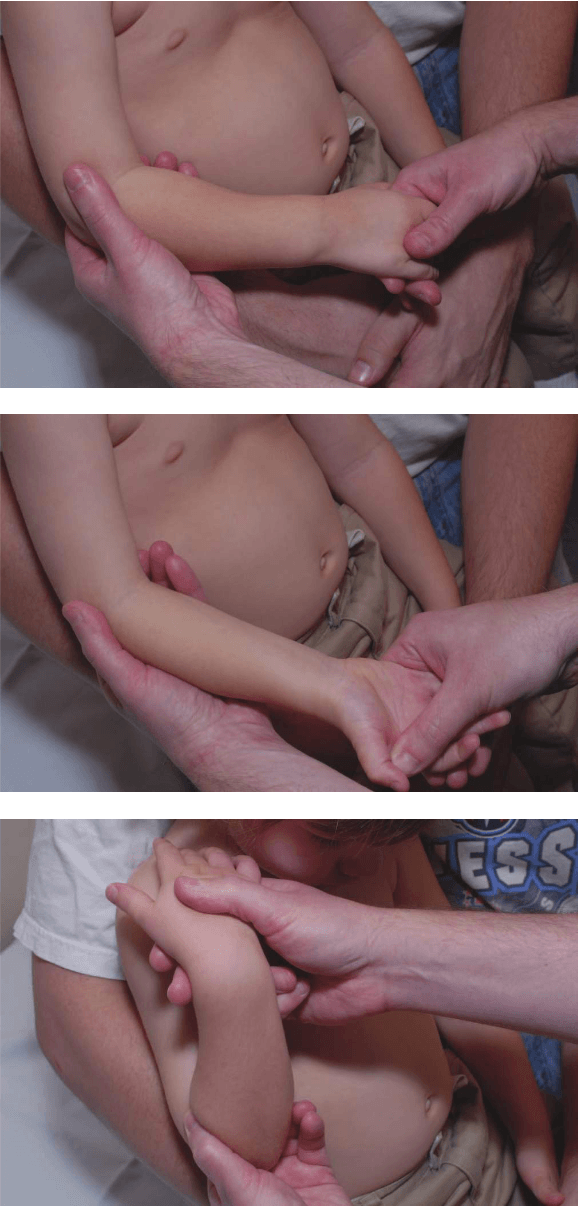
1- Name the technique
2- Used for?
1- Nursemaid's elbow
2- radial head subluxation
400
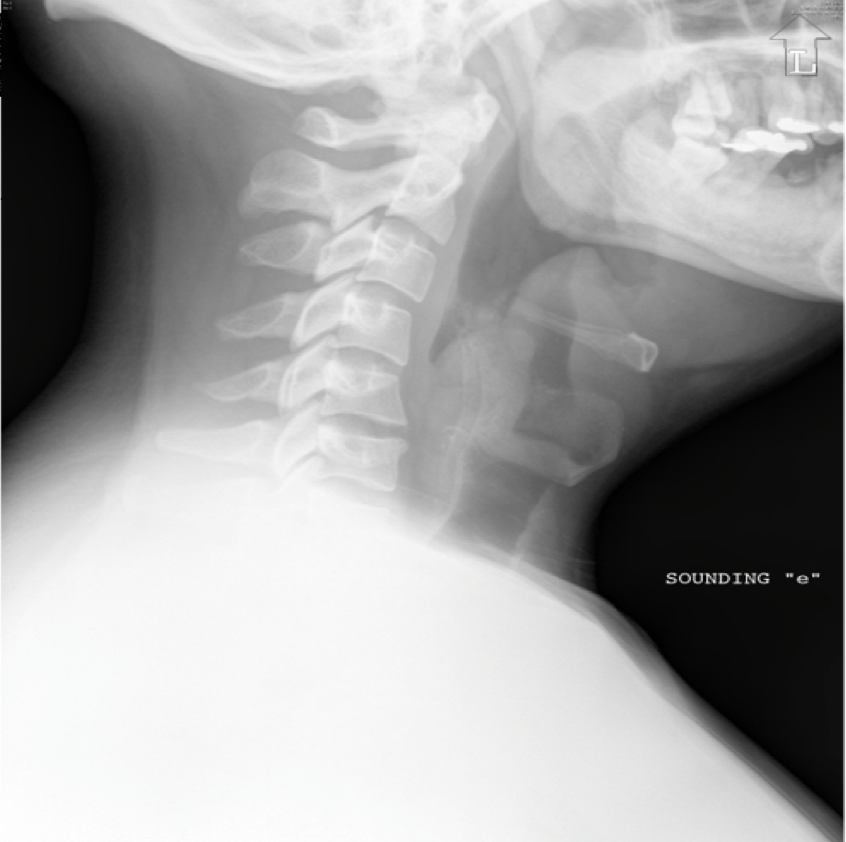
1- Spot Diagnosis
2- Whats the common causative organism?
3- What are the 3 D's?
1- Epiglottitis
2- Strep, Staph, H.Influenza
3- Drooling
Distress
Dysphagia
400
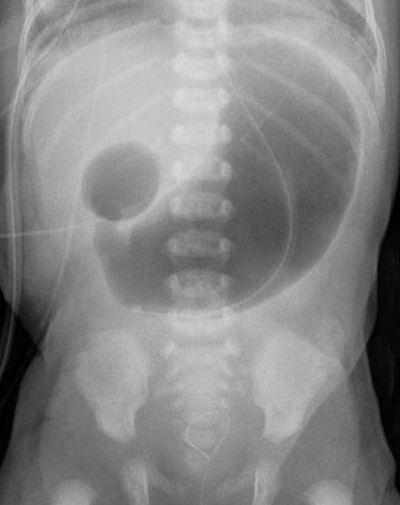
1- What is the Sign?
2- What is the Diagnosis?
3- Specific with?
1- Double bubble sign
2- Duodanal Atresia
3- Down syndrome
800
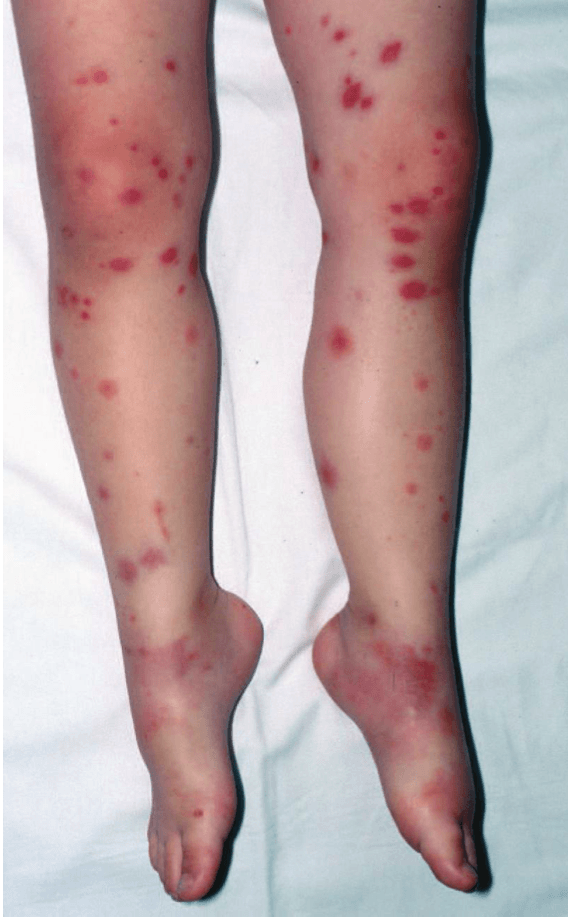 1- Spot Diagnosis!
2- Clinical picture?
3- Indications for Admission? at least 3
1- Henoch-Schonlein Purpura
2- Clinical Features
A) Rash; Palpable Purpura
B) Abdominal pain
C) Arthritis
D) Glomerulonephritis: Hamoturia +- proteinuria
3- Admission:
- moderate or severe abdominal pain
- Polyarthritis
- GI bleeding
- Inability to ambulate
- Intractable vomiting
- Renal Failure
800
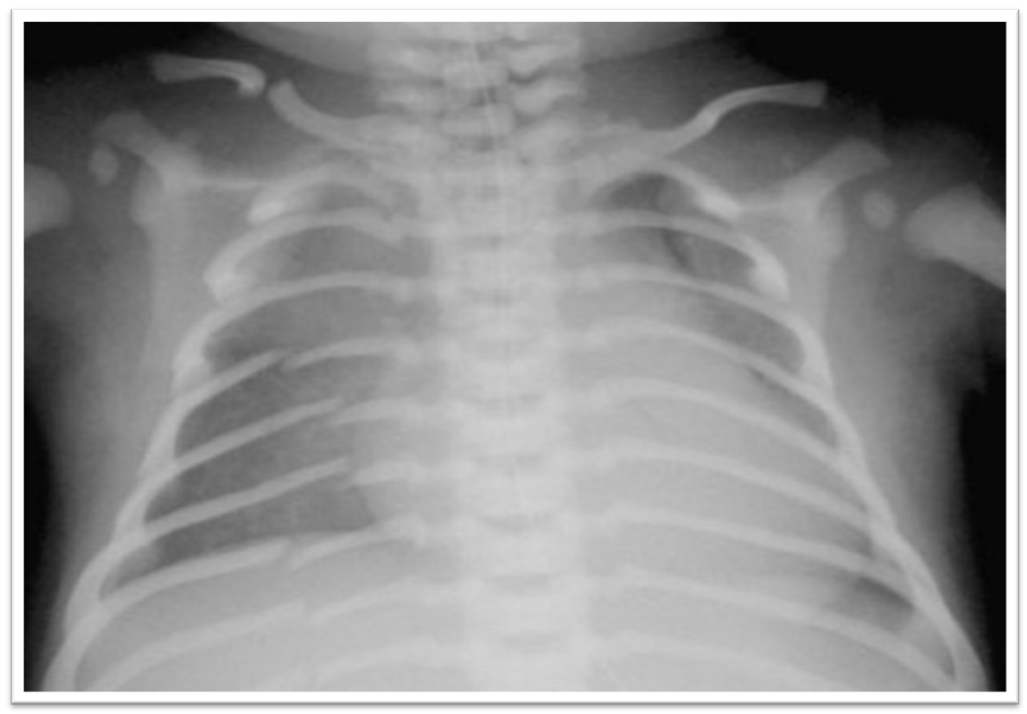
1- Spot Diagnosis?
2- Risk factors? at least 4
3- Fractures suspicious to abuse?
1- Multiple rib fracture, Child Abuse (Non Accidental trauma)
2- Risk factors: A- History is inconsistent with mechanism of injury
B- Inconsistent Hx
C- Delay in care
D- Multiple organ injury
E- Injuries in different stages of healing.
3- suspicious
- Long bone transverse fractures
- Multiple bilateral fractures
- Vertebral body seperation
- Pelvic fractures
- Complex skull fractures
800
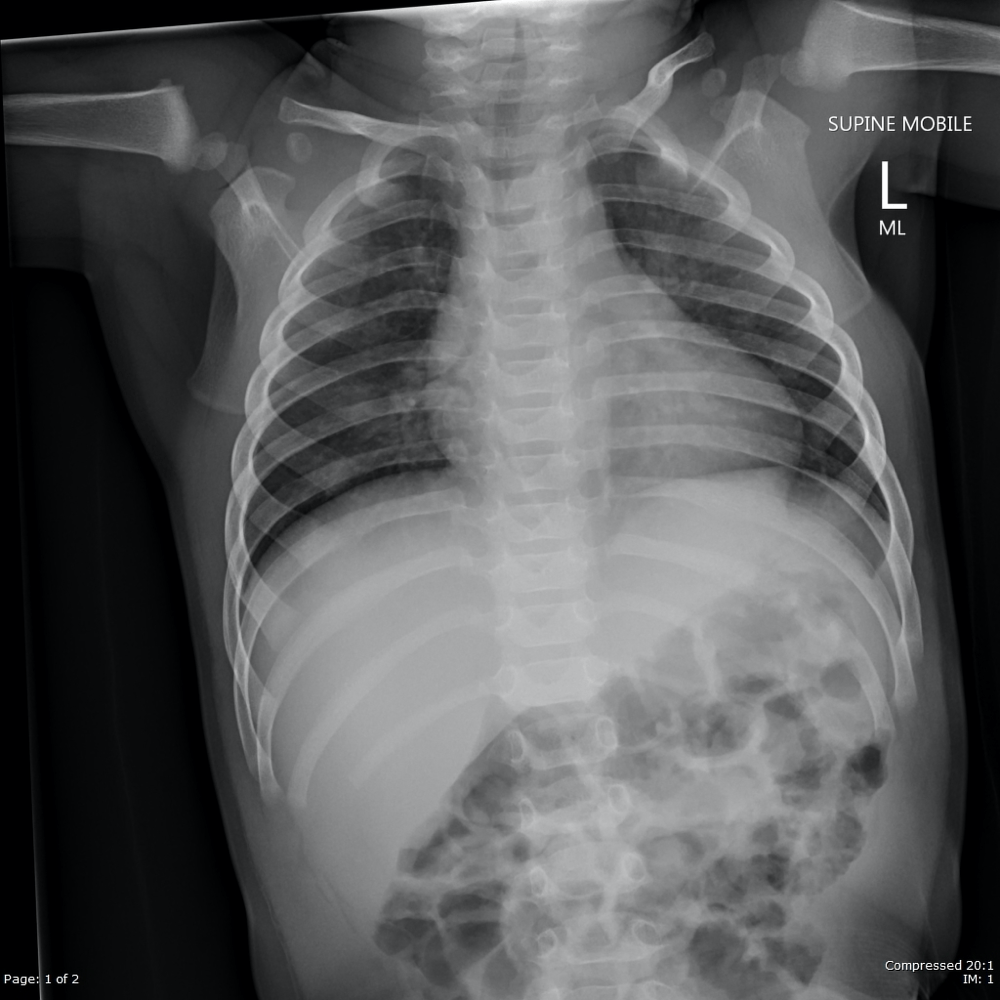
1- Name the sign?
2- Common Organism?
3- What scoring we use and What are the components?
1- Steeple Sign, Croup (Laryngotracheobronchitis)
2- Parainfluenza virus
3- Westley Score, for croup Severity
- Chest wall retractions
- Stridor
- Cyanosis
- Level of Consciousness
- Air entry
800
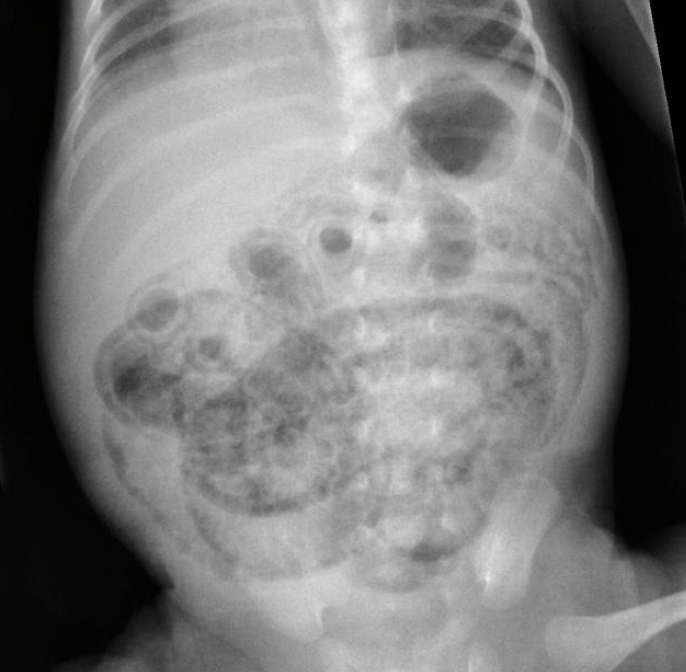
1- What is the Sign?
2- What is the Diagnosis?
3- What is the Management?
1- Pneumatosis Intestinalis
2- Necrotizing Enterocolitis
3- Management
NPO
IVF
Ampicillin + Gentamicin + Clindamycin
Surgery
1000
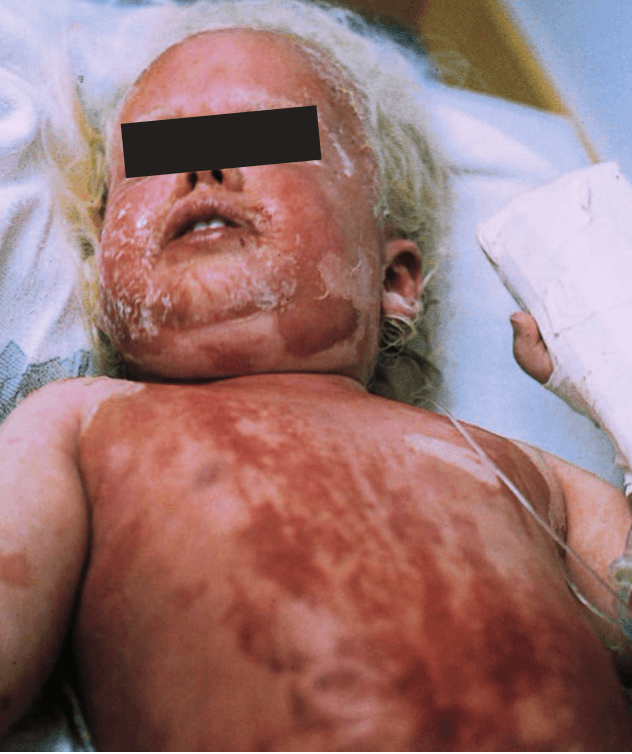
1- Diagnosis?
2- How to differentiate from SJS/TENS?
3- Management?
1- Staphylococcal Scalded Skin Syndrome
2- No mucosal involvement
3- Mx?
Nafcillin, Dicloxacillin, Penicillin
if MRSA; Clindamycin, Vancomycin
1000
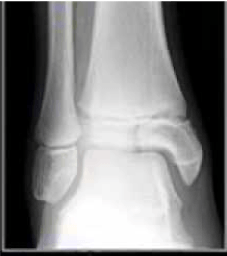
1- Spot diagnosis
2- Describe different types
3- Management for each type
1- Salter Harris Type III
2- Type I; S-Smashed
Type II; A-Above
Type III; L-Below
Type IV; T-Through
Type V; R-Rammed(crushed)
3- Management
Type I/II - Splint, Ortho F/U
Type III-V - Splint, Ortho Consult
1000
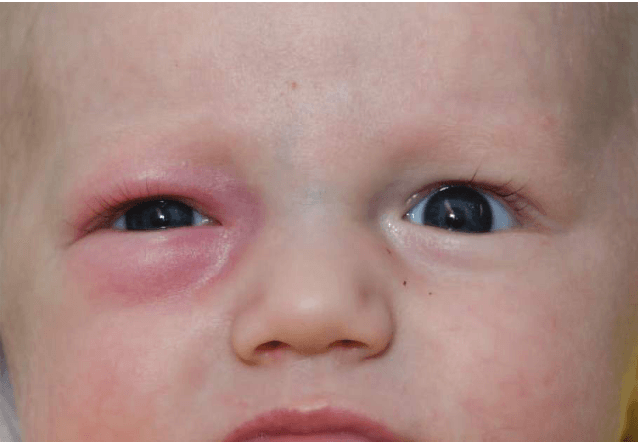
1- Diagnosis?
2- How to differentiate?
1- Postseptal Cellulitis vs. Preseptal Cellulitis
2- Orbital; Proptosis + Chemosis + Opthalmoplegia
1000
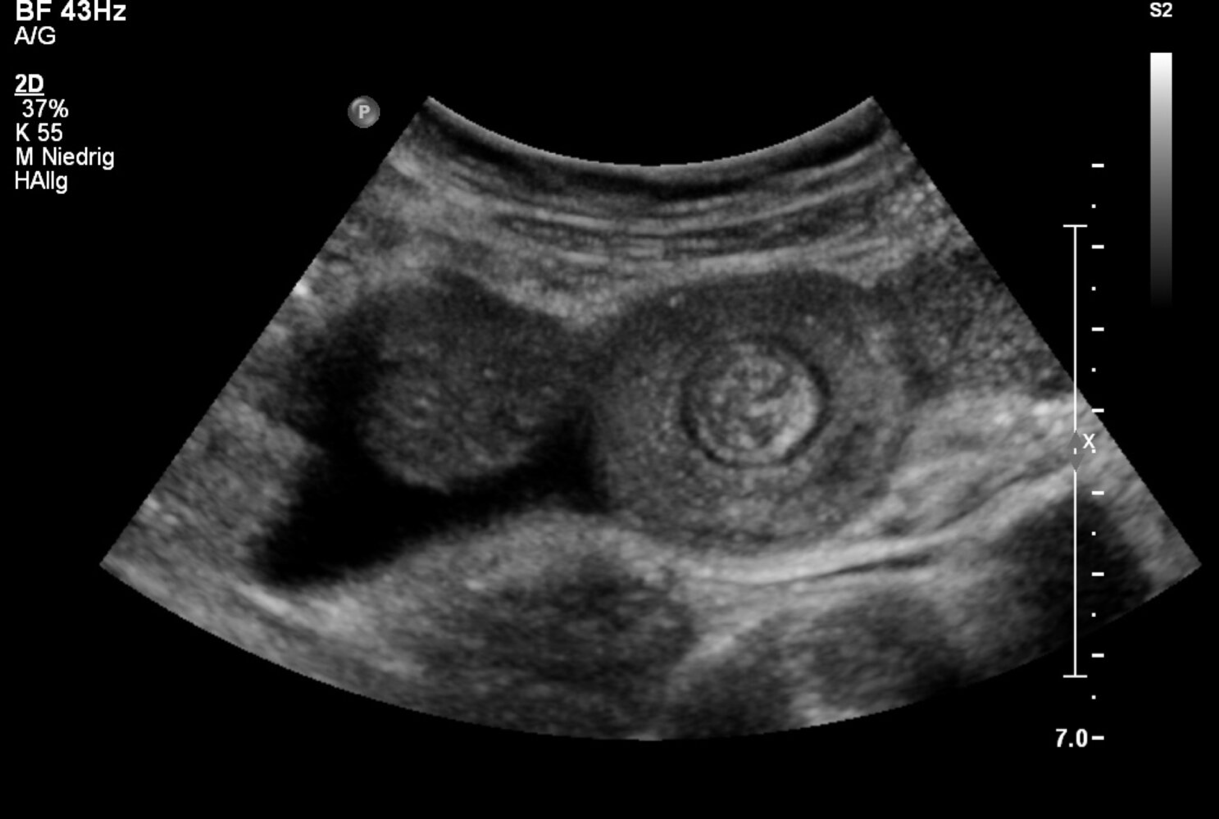
1- What is the sign?
2- Whats the diagnosis?
3- How to treat?
1- Target Sign
2- Intususception
3- Air enema