UTI
Lithiasis
BPH
For Chikodi Prostatitis
Prostate Cancer
Bladder Cancer
100
This gram negative rod is the most common cause of UTI.
What is Escherichia coli
Other common pathogens: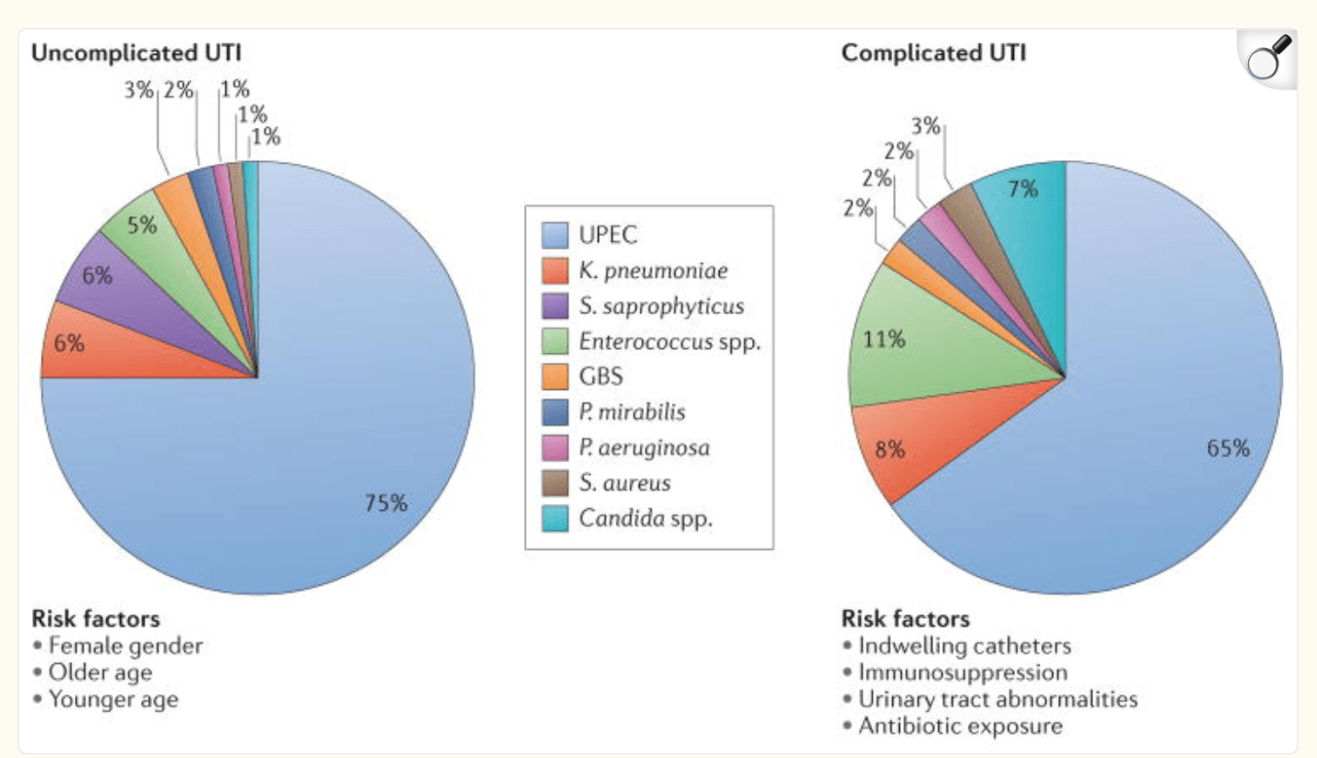
100
What is the most common type of nephrolithiasis? (ie what is the chemical makeup)
What is Calcium Oxalate
Over 80% of kidney stones are due to calcium oxalate crystal formation.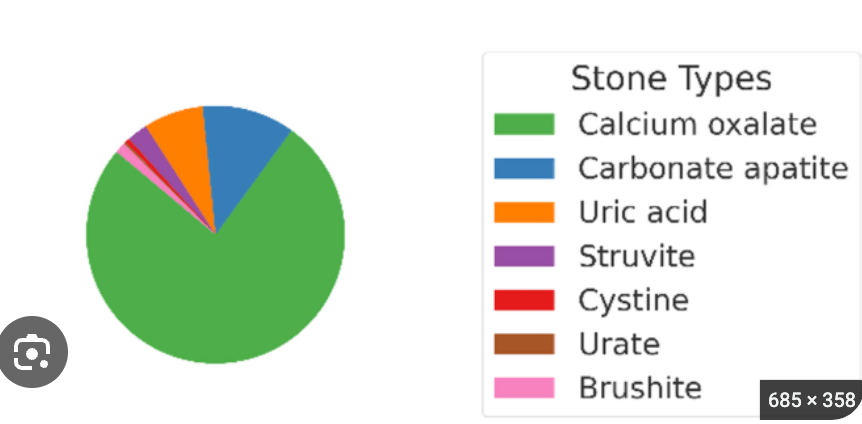
100
What is the largest risk factor for developing BPH?
Advanced Age
Prevalence rises from roughly 50% in the 60s to 70% in the 70s and up to ~80–90% by age 80
Other risk factors include:
- Familial Hx
- Race/Ethnicity: Black and Hispanic men are more likely to develop BPH and more likely to have more severe symptoms than White and Asian men.
- Obesity
- HTN
- Diabetes Mellitus
- Smoking
100
What organism is the most common bacterial cause of prostatitis?
Escherichia coli
Other common causes are:
Pseudomonas
Klebsiella
Proteus
STIs such as:
Neisseria gonorrhoeae and Chlamydia trachomatis
100
Where does Prostate Cancer most commonly metastasize to?
>80% of PCa metastasis are to bones of the pelvic girdle and to the spine.
Can also spread to the inguinal lymph nodes, liver, and lungs.
100
What is the strongest modifiable risk factor for bladder cancer.
Smoking.
Some sources claim that up to 65% of bladder cancers are attributable to tobacco smoking.
200
What is the difference between an uncomplicated and a complicated UTI?
Uncomplicated UTI:
≥2 UTI signs/symptoms (dysuria, urgency, frequency, suprapubic pain).
Typical female urinary tract anatomy.
Infection is limited to the bladder and below.
Complicated UTI:
Symtptoms of uncomplicated UTI plus systemic/upper-tract features (fever, chills/rigors, flank or pelvic pain, CVA tenderness, malaise).
Generally, all UTIs in men are considered complicated due to the extra distance pathogens must traverse. Presence of indwelling catheters or other urologic devices also make a UTI complicated.
Infection can ascend beyond bladder and can progress to pyelonephritis.
200
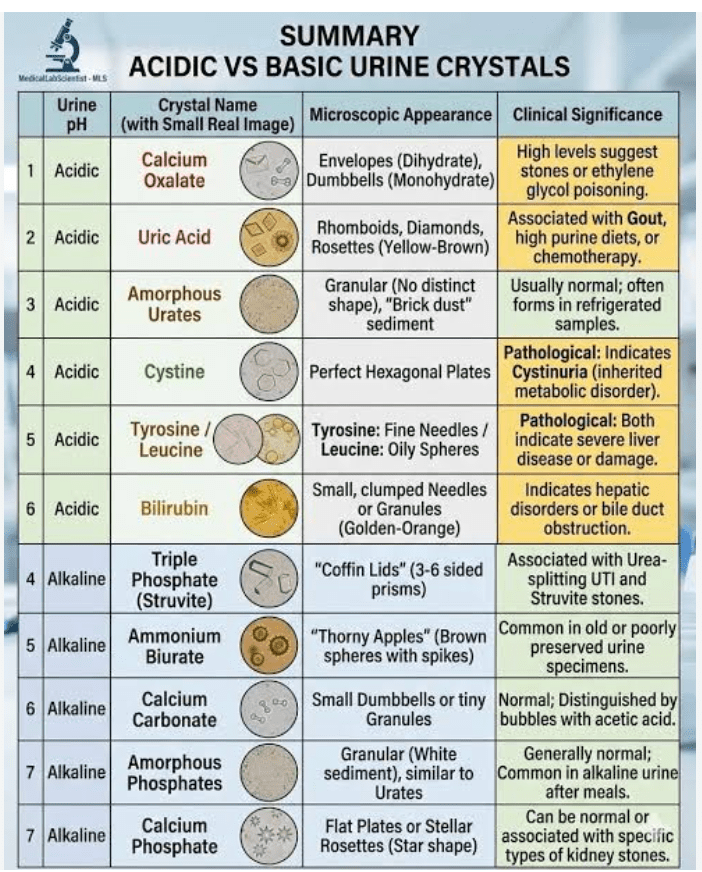
A patient complains of flank pain and gross hematuria. The following is seen on UA microscopy.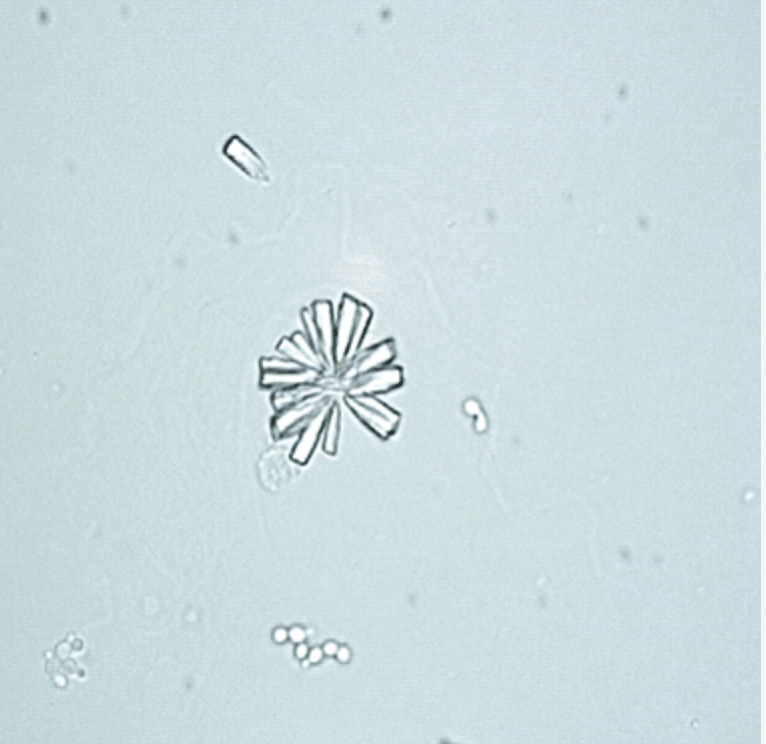 What is the most likely composition of this patients kidney stone?
Calcium phosphate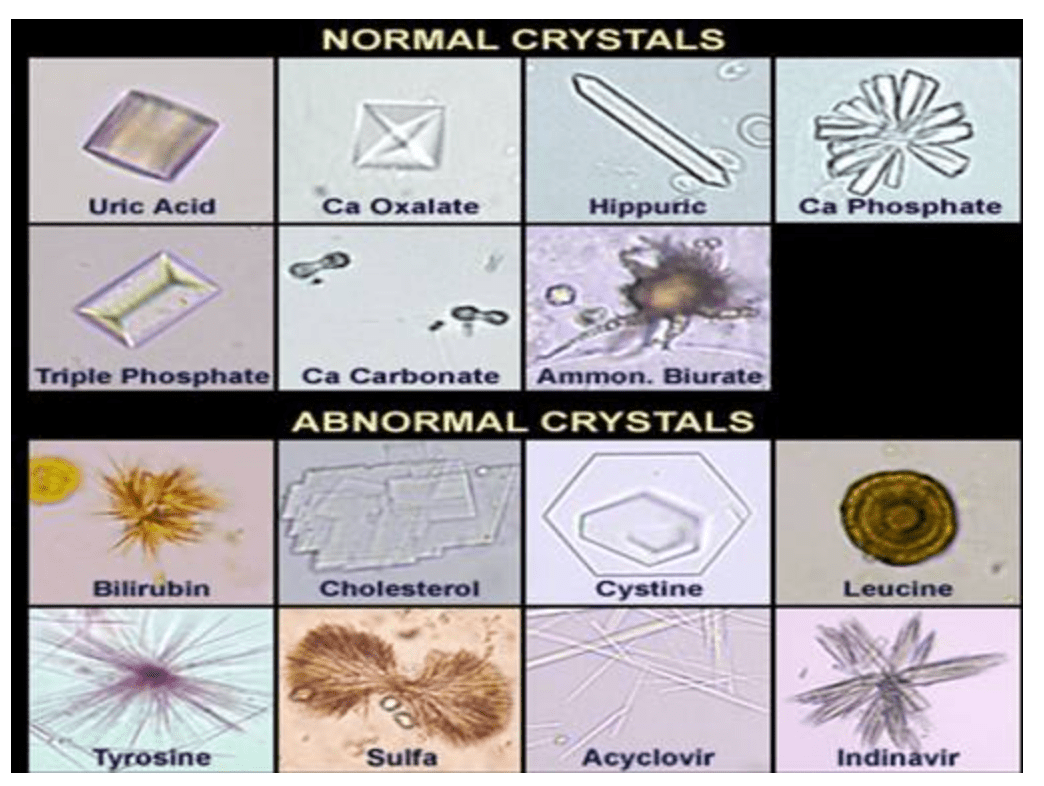
200
What receptor does Tamsulosin act on and does it reduce prostate size?
Tamsulosin is an alpha1 blocker.
This relaxes smooth muscle in the prostate and bladder reducing urinary urgency and BPH symptoms.
Tamsulosin does not reduce prostate size.
5-alpha reductase inhibitors such as finasteride can effectively reduce prostate size.
200
What buzzword is commonly used to describe the soft, spongey, or squishy feeling prostate (on DRE) that is often associated with prostatitis?
Boggy Prostate.
Does not automatically mean that a patient has prostatitis but it is highly suspicious for prostatitis.
BPH tends to be firm.
Prostate Cancer tends to be firm or indurated.
200
Most prostate adenocarcinomas arise from this anatomical zone.
What is the Peripheral Zone.
70-90% of all Prostate cancers arise from the peripheral zone.
Also worth noting but 95% of prostate cancers are acinar adenocarcinomas. This means cancers originate in the glands that normally produce seminal fluid.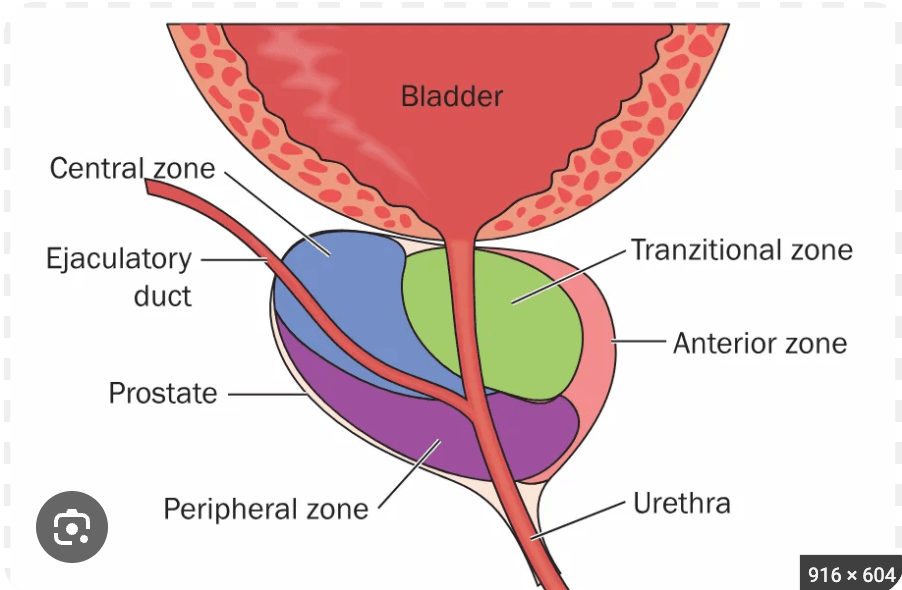
200
What is a classic presenting symptom associated with bladder cancer.
Painless, gross, hematuria.
Obviously not pathognomonic but it how most patients present!
300
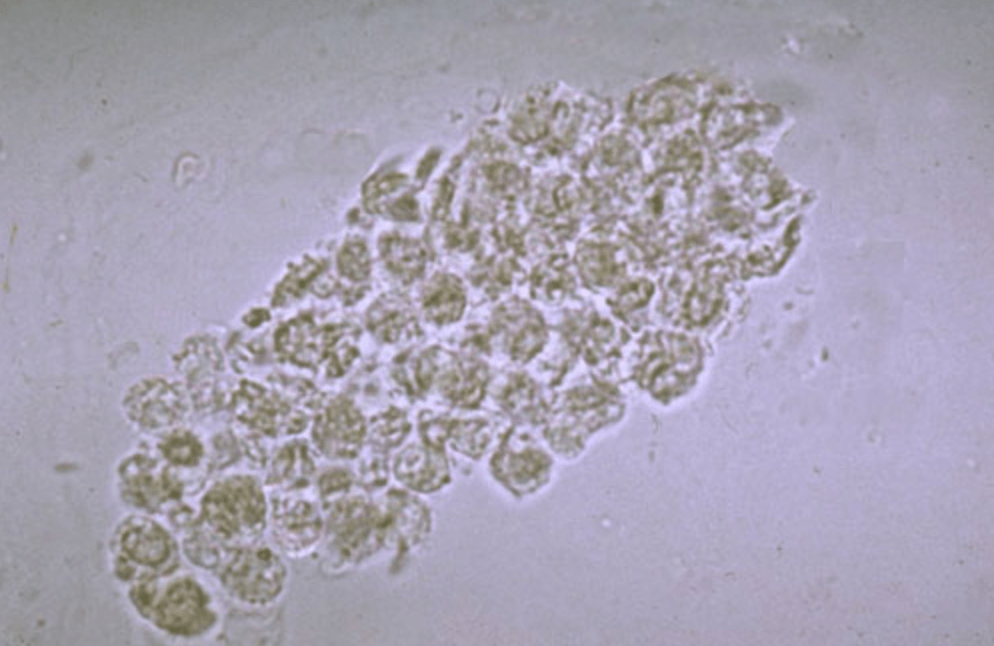
The above are seen on microscopic UA of a patient with an UTI. What condition does this finding suggest and what does the image above illustrate.
WBC Casts and Pyelonephritis.
WBC casts indicate inflammation involving renal tubules meaning that the infection has ascended to the kidneys.
300
Which type of Renal Tubular Acidosis is associated with calcium phosphate stone formation?
Type 1 (distal) renal tubular acidosis. Impaired distal tubule secretion of H+ ions leading to urine alkalization.
300
What part/region of the prostate is most likely to enlarge in BPH?
The transition zone.
This is the region that borders and surrounds the urethra.
Normally only comprises 5-10% of prostate tissue.

300
What system is used to classify different etiologies of prostatitis?
The NIH Prostatitis Classification System
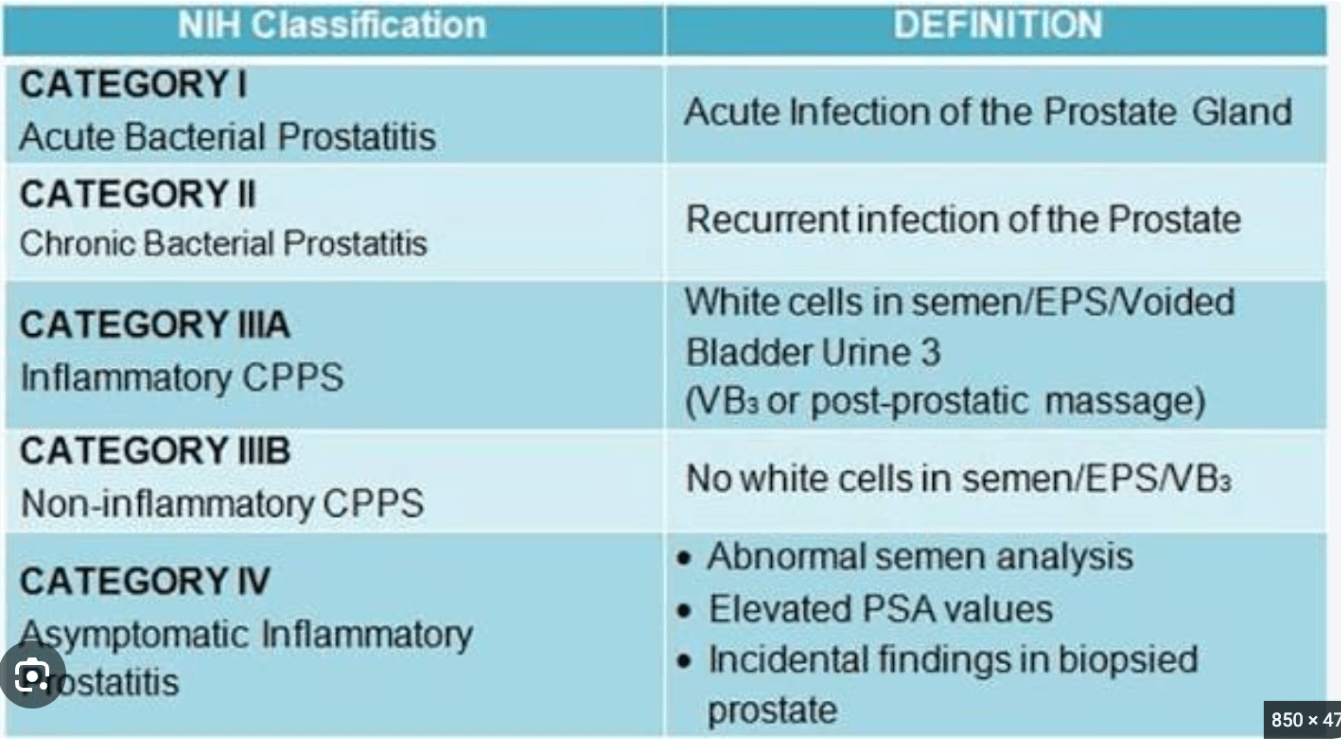 It is not a grading system of severity. It simply classifies prostatitis.
300
Is a carcinoma with a Gleason Grade of 3+4=7 or 4+3=7 considered more aggressive? Why?
4+3=7 is more aggressive.
This is because the first number represents the most predominant cell type.
The second number is the next most common cell type.
Both 4+3=7 and 3+4=7 would be considered intermediate risk PCa
Score of 3 = Cells look somewhat like normal prostate cells and tend to grow slowly.
Score of 4 = Cells look more abnormal, form fused clumps or irregular patterns, and grow more aggressively.
Score of 5 = Cells look highly abnormal, lack distinct definition, and grow and spread quickly.
300
This histologic subtype represents the most common type of bladder cancer.
Urothelial Carcinoma
Historically was refered to as transitional cell/transitional zone carcinoma.
400
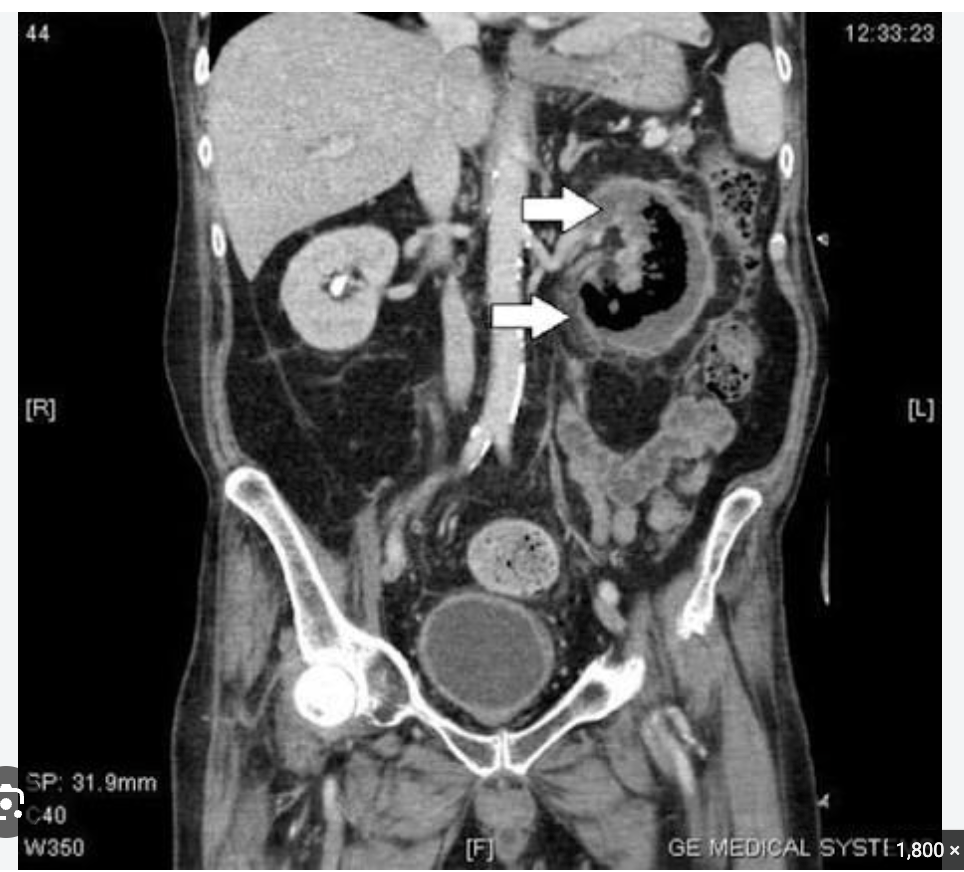
A patient presents to the ED with severe flank pain. They have a hx of HTN, hyperlipidemia, and Type 2 DM. CT urogram shows that there is gas in the renal parenchyma. What is the diagnosis?
Emphysematous pyelonephritis (EPN)
A severe, life-threatening necrotizing infection characterized by the presence of gas within the kidney tissue. Usually happens when a glucose fermenting organism goes unchecked.
E. coli, Klebsiella, and Proteus are the most common causative organisms.
400
What medication class can decrease urinary calcium excretion and is sometimes used to prevent recurrent calcium stones?
Thiazide Diuretics
400
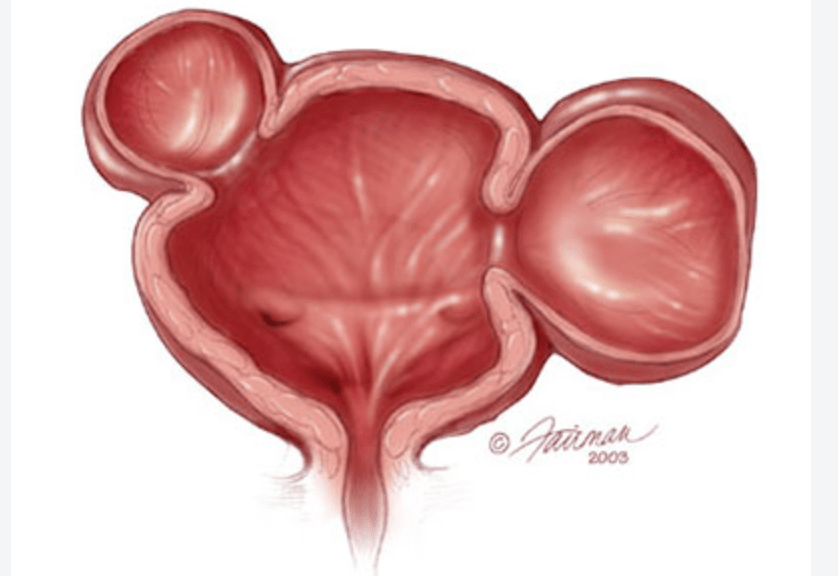
What effect does BPH have on the detrusor muscle of the bladder? How does this manifest? How can this contribute to hematuria?
Detrusor Muscle Hypertrophy
As the bladder muscles have to squeeze harder to force urine through the narrowed urethra (due to BPH) the muscle hypertrophies and thickens.
In this process growth factors (such as VEGF) are increased locally causing neovascularization. This vessels are very superficial and thin. Making them prone to damage and leaking.
Often leads to the formation of trabeculations and diverticuli formation.
These fragile vessels are particularly weak at these locations and can lead to hematuria. 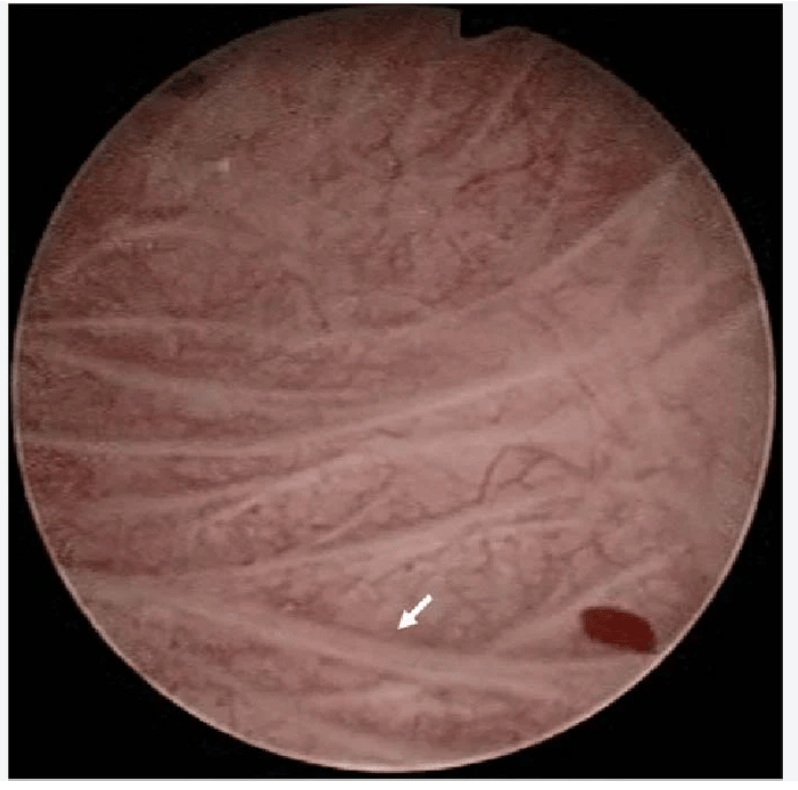
400
How does prostatitis generally cause hematuria?
This primarily occurs through inflammation of the prostate and nearby lower urinary tract mucosa. This imflammation disrupts the fragile, hypervascular glands and mucosa and allows red blood cells to leak into the urine.
A lot of sources say that prostatitis (especially bacterial prostatitis) is essentially just an extension of an UTI. Bacterial prostatitis typically develops as a result of infected urine reflux into the prostatic duct.
400
Following radical prostatectomy for prostate cancer, a patient has an initially undetectable PSA that subsequently increases to 0.25 ng/mL. This is confirmed on repeat testing. What is this recurrence classified as?
Biochemical recurrence
Indicates that there are surviving or returning cancer cells despite primary treatment.400
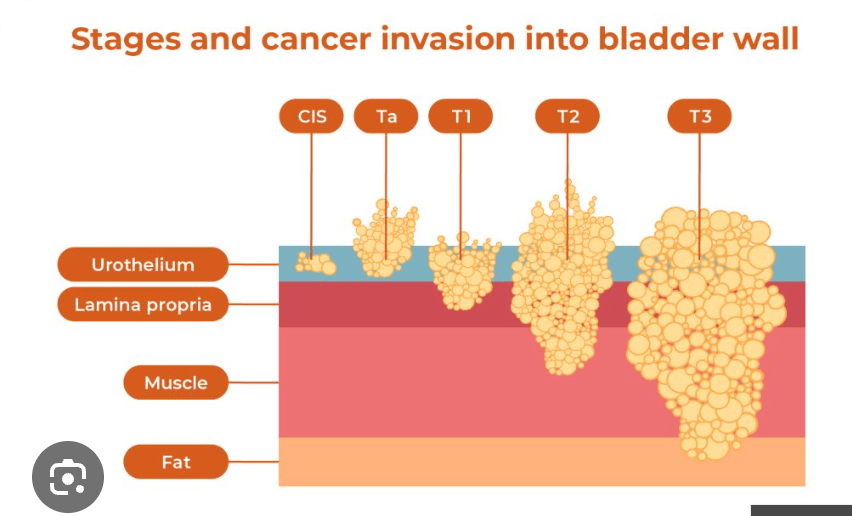
A bladder tumor has invaded the lamina propria but has not reached the muscularis propria. What is its T stage?
T1