Groups or Families
Metals, Non-metals, Metalloids
Location
Atomic Squares
Everything Else
100
What do elements in the same group share?
Similar Chemical and Physical Properties
100
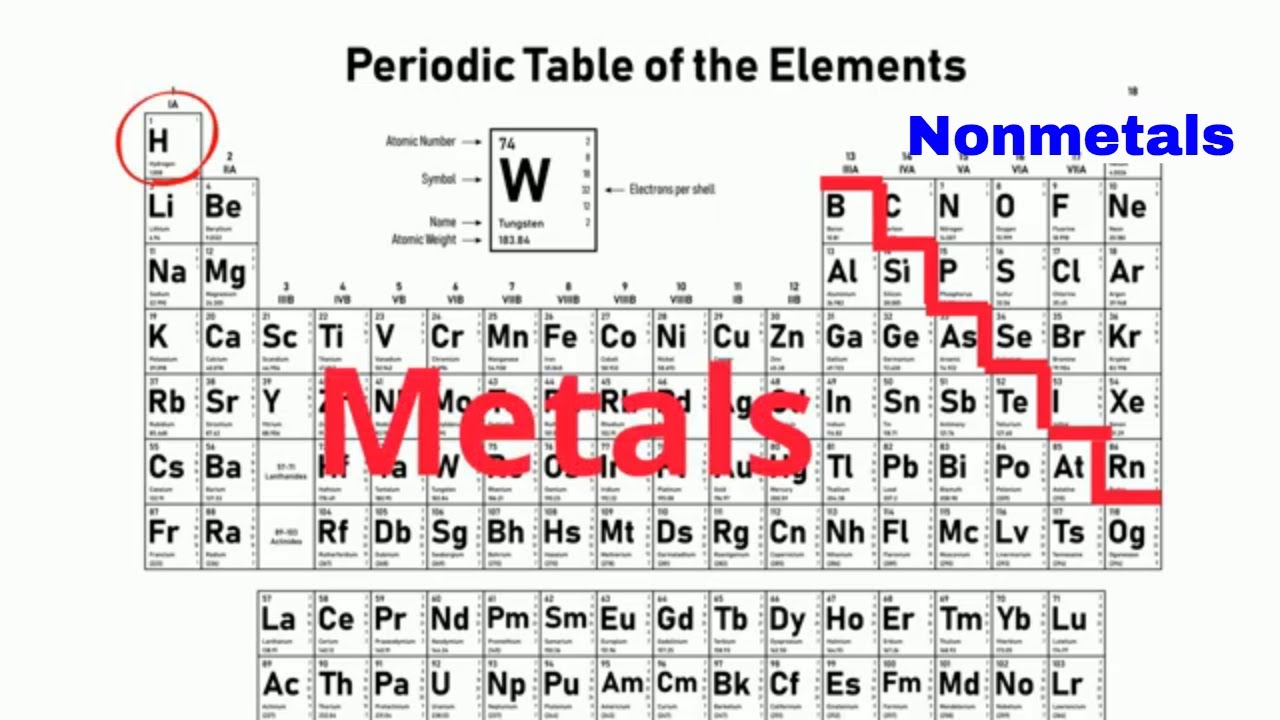
What separates the metals and non-metals?
The bolded, zig-zag line or "staircase"
100
What is a row going left and right called on the Periodic Table?
A period
100
Sulfur as an atomic number of 15. What does the atomic number of 15 tell you about Sulfur?
The number of protons Sulfur has in its nucleus
100
How are the elements arranged on the Periodic Table?
In order of increasing atomic number
200
Which family do Calcium and Barium belong to?
Alkaline Earth Metals (Group 2)
200
Which set of elements border the staircase or zig zag line?
Metalloids
200
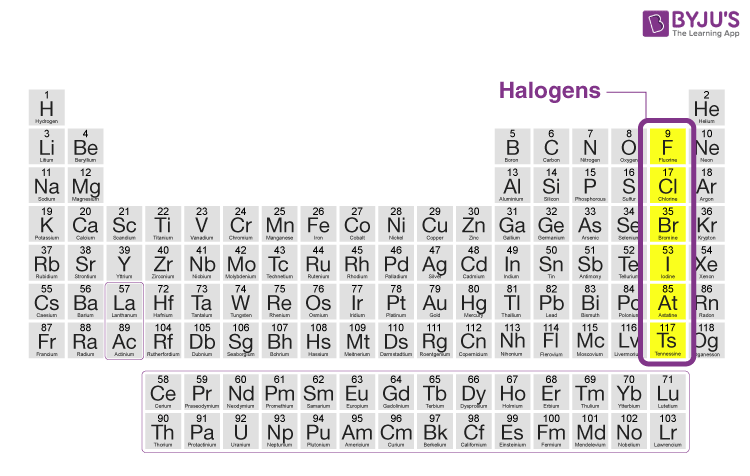
Which family is group 17?
Halogens
200
Find Bromine on the Periodic Table. What is the atomic number of Bromine?
35

200
The ease and speed at which an element combines with other elements describes the element's _________________?
Reactivity
300
What are the 3 reactive families? Circle the most reactive family
Alkali Metals (most reactive)
Alkaline Earth Metals
Halogens
300
What is it called when a metal can be made into a wire?
Ductile
300
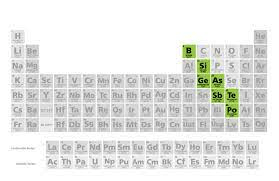
Where are the metalloids located?
Bordering the zig-zag line
300
How many valence electrons would Tin have?

Group 14 = 4 Valence Electrons
300
What is it called when a metal can be hammered or pressed permanently out of shape without breaking?
Malleability
400
Which group of elements are nonreactive & why?
Group 18 Noble Gases because they have 8 valence electrons and are inert.
400
Out of these options: Selenium (Se), Iodine (I), Zinc (Zn) or Argon (Ar)
Which would be the best conductor of electricity?
Zinc because it is a metal!
400
What is true of elements in the same period?
Their atomic numbers increase by one as you move left to right. They have the same number of electrons shells.
400
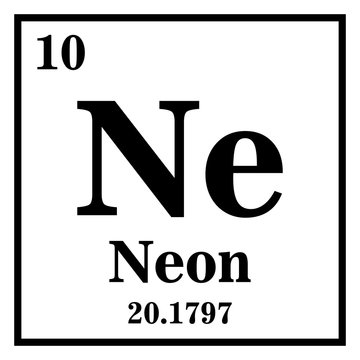
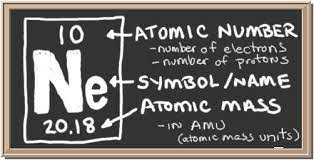
Write this element and label each section of the atomic square with the following: Symbol, Name, Atomic Mass and Atomic Number.
400
Who was the first scientist accredited with developing the Periodic Table of Elements?
Dmitri Mendeleev
500
What do the following elements have in common?
Lithium (Li), Sodium (Na), Potassium (K), Rubidium (Rb), Cesium (Cs) and Francium (Fr)
They are all in group 1, and they have similar chemical and physical properties.
500
You get a dull, yellow solid that breaks into powdery pieces when hit with a hammer. How would you classify this sample?
Non-Metal because it has opposite properties to metals
500
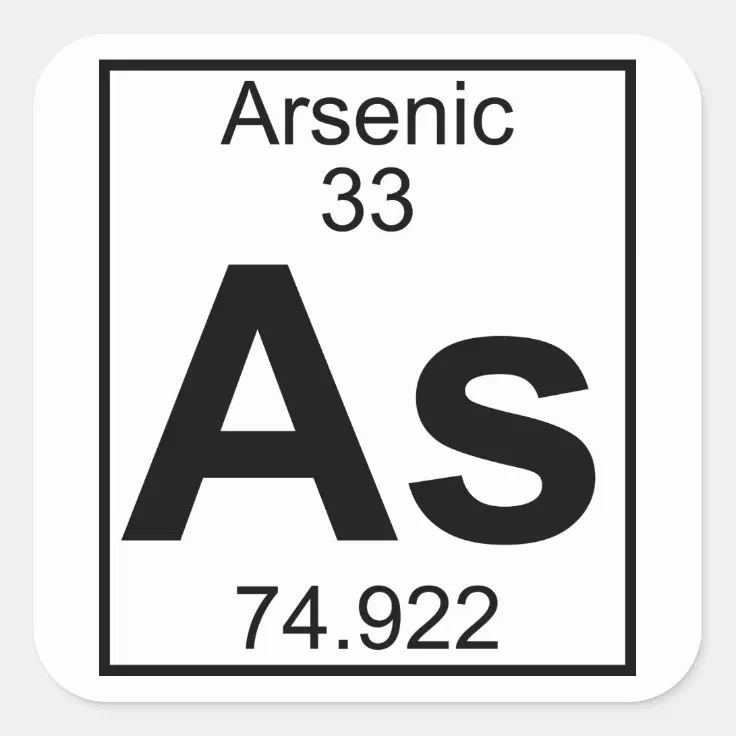
Which element is in group 15 period 4?
Arsenic
500
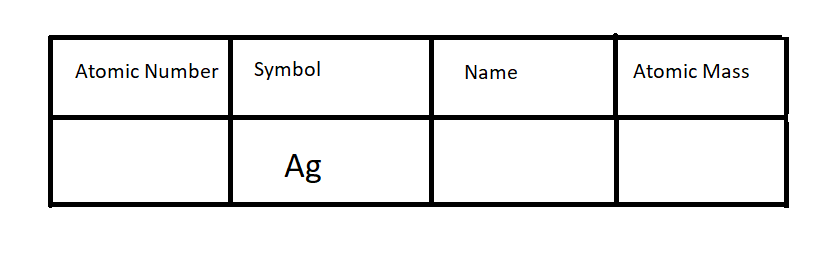
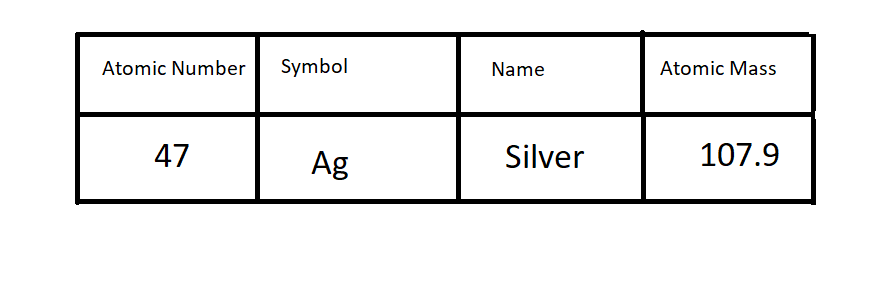
Fill out the rest of the data table
500
What determines how reactive an element is?
The number of Valence electrons