💉 Safety First
🤰 Teach Me!
❤️ Cardiac & BP
🧠 Neuro & Psych
🦠 Anti-Infectives
🫁 Endocrine & Respiratory
⚠️ Interactions
& Toxicity
& Toxicity
🧮 Nursing Actions
100
A client develops facial swelling, difficulty swallowing, and stridor shortly after receiving a medication. What should the nurse recognize as the priority concern?
What is angioedema/anaphylaxis with potential airway obstruction?
100
Which type of vaccine can generally be administered during pregnancy?
What is an inactivated vaccine?
Examples include inactivated influenza and Tdap when indicated.
No live vaccines!
100
Which common adverse effects should a client taking metoprolol learn to monitor?
What are bradycardia and hypotension?
100
A client taking levodopa/carbidopa becomes dizzy when standing. Which adverse effect is likely occurring?
What is orthostatic hypotension?
100
Which medication family should prompt extra allergy verification in a client with a serious sulfonamide allergy?
What are sulfonamide-containing medications?
100
Which finding suggests methimazole therapy is having the desired effect?
What is a reduction in manifestations of hyperthyroidism, such as decreased heart rate, tremor, heat intolerance, or weight loss?
100
Why can medications that cause hypokalemia increase the risk of digoxin toxicity?
What is low potassium increases the heart’s sensitivity to digoxin?
Follow up question:
A client taking digoxin and furosemide reports nausea, weakness, and seeing yellow halos around lights. Laboratory results show a potassium level of 2.9 mEq/L.
What is the nurse's priority interpretation of these findings?
What is suspected digoxin toxicity associated with hypokalemia?
The low potassium caused by a potassium-wasting diuretic can increase sensitivity to digoxin. The nurse should hold digoxin and promptly report the findings/follow the prescribed toxicity-management protocol.
100
For an adult client, how should the nurse position the pinna when administering ear drops?
What is up and back?
200
Before administering hydromorphone, which finding should cause the nurse to hold the medication and notify the provider?
What is significant respiratory depression, such as a very low respiratory rate?
200
Which statement indicates correct understanding of teaching for spironolactone?
What is “I should avoid potassium-containing salt substitutes unless my provider approves them”?
200
A client using phenylephrine develops headache, palpitations, and increased blood pressure. What do these findings represent?
What are adverse sympathomimetic effects of phenylephrine?
200
Which serious adverse effect of valproic acid should be reported immediately?
What is evidence of hepatotoxicity, such as jaundice or severe abdominal symptoms?
200
Which client report while taking tobramycin should receive priority attention?
What is tinnitus, hearing changes, or significant changes in renal function/urine output?
200
Palpitations, tachycardia, insomnia, and heat intolerance in a client taking levothyroxine can indicate what?
What are effects of excessive thyroid hormone replacement?
200
Which foods should a client taking phenelzine avoid?
What are high-tyramine foods, such as aged cheeses and cured/fermented meats?


The aged/fermented foods can contain high amounts of tyramine and can precipitate a hypertensive crisis when combined with an MAOI.
200
A client says, “I'm afraid I'll become addicted if I take my prescribed morphine for pain.” What is the nurse's best general response?
What is address the concern, explain the therapeutic purpose and safety plan, and distinguish appropriate pain management from opioid use disorder while continuing to monitor for adverse effects?
300
A client reports a history of a severe allergic reaction to sulfonamides. Which prescribed medication should the nurse question?
What is celecoxib?
300
What should a client know about taking tetracycline with milk, antacids, iron, or calcium supplements?
What is these products can decrease tetracycline absorption and should be separated from the medication as directed?
300
Why should a client remove a transdermal nitroglycerin patch for a prescribed period each day?
What is to provide a nitrate-free interval and prevent tolerance?
300
A client taking lithium develops coarse tremors, confusion, vomiting, and unsteady gait. What should the nurse suspect?
What is lithium toxicity?
300
Which two major toxicities should the nurse monitor for in a client receiving gentamicin?
What are nephrotoxicity and ototoxicity?
300
What therapeutic outcome should the nurse expect from theophylline?
What is bronchodilation with improved airflow/breathing?
300
Which adverse effect commonly occurs with colchicine and can indicate significant toxicity when severe?
Answer: What is severe gastrointestinal upset, especially diarrhea?
300
Before administering a medication, the nurse discovers the client's assessment findings make the medication potentially unsafe. What takes priority?
What is hold the medication, assess the client, and clarify the prescription as appropriate?
400
Which client history raises a major concern about the use of estrogen-containing hormonal contraceptives?
What is a history of thromboembolic disease?
Also smoking in clients ≥35, certain migraines, and other thrombotic risk factors.
400
What should a client do after using an inhaled corticosteroid such as fluticasone?
What is rinse the mouth and spit out the water?
400
Before administering digoxin, which assessment is especially important?
What is checking the apical pulse for one full minute?
400
A client receiving paliperidone develops fever, severe muscle rigidity, confusion, and autonomic instability. What serious reaction should be suspected?
What is neuroleptic malignant syndrome?
400
Which serious organ toxicity is associated with amphotericin B?
What is nephrotoxicity?
400
What is one of the most important safety concepts to teach a client taking insulin or medications that can lower blood glucose?
What is recognizing and treating hypoglycemia?
400
Why should clients tell their healthcare provider about OTC medications, vitamins, and herbal products?
What is they can interact with prescribed medications and alter their effects or toxicity?
400
The nurse must infuse 1,000 mL over 8 hr using an infusion pump. What rate should be programmed?
What is 125 mL/hr?
500
The nurse receives several medication prescriptions. What should the nurse do when a prescription contains an unsafe dose or is incomplete or unclear?
What is withhold the medication and clarify the prescription with the provider?
500
Which medications can be used as part of long-term medication treatment for opioid use disorder?
What are methadone, buprenorphine, and naltrexone?
500
A client taking digoxin reports nausea, loss of appetite, weakness, and yellow-green visual changes. What should the nurse suspect?
What is digoxin toxicity?
500
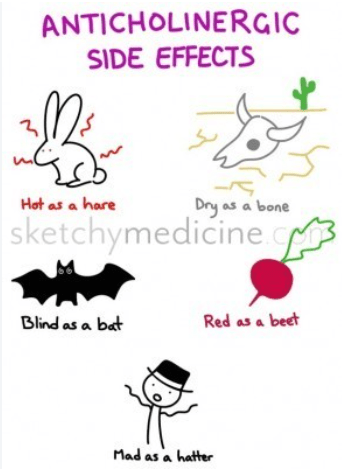
Which client is especially vulnerable to complications from medications with strong anticholinergic effects?
Who is an older adult, especially one with conditions such as glaucoma, urinary retention/BPH, or cognitive impairment?

500
Which laboratory values are especially important when monitoring a client receiving an aminoglycoside?
What are renal function tests and medication peak/trough levels when ordered?
500
Why should a client prescribed fluticasone use the medication consistently rather than only during an acute attack?
What is it controls airway inflammation and is not a rescue medication for acute bronchospasm?
Maintenance medication!
500
A client taking an MAOI develops severe headache, palpitations, and markedly elevated blood pressure after eating aged cheese. What complication should the nurse suspect?
What is a hypertensive crisis caused by a tyramine-MAOI interaction?
500
What information should medication teaching routinely include before a client begins a new medication?
What are the medication's purpose, how and when to take it, major adverse effects, interactions/precautions, monitoring needs, and when to seek medical attention?