Tubes
Routine Venipuncture & Complications
Equipment & Supplies
Phlebotomy Anatomy
Extra
100
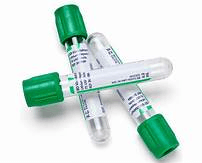 What is the additive in the green tube?
Heparin
100
How should the needle be inserted for venipuncture?
Bevel up, in a smooth quick motion
100
The patient has IVs in both arms? Where would you draw?
Distal (below) the IV
100
What is it called when you touch or feel a venipuncture site?
Palpate
100
When depositing the blood from the syringe into the tubes, what should be used?
Transfer device
200
What is the additive in the light blue tube? 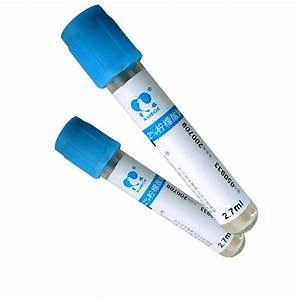
Sodium citrate
200
When should blood collection tubes be labeled?
Immediately at the patient's bedside/in the patients presence, after taking blood
200
The computer-generated labels already have the pt identifiers on them, the test, and a barcode. What information will you write on the labels after you complete the draw?
Date/Time and your initials
200
This vein easily rolls making it hard to stick and you may accidentally nick the brachial artery?
Basilic Vein
200
What will cause a collapsed vein?
•Vacuum of tube or plunger pressure is too strong for vein
•Tourniquet is too tight or too close to site
•Tourniquet is removed during draw
(esp. w. elderly)
300
You see that you need to draw a tube for the Hematology department, which tube will you likely be drawing?
Lavender
300
Collection of blood under the skin at the site of a venipuncture
Hematoma
300
Part of the needle that twists into the tube holder?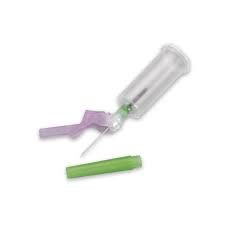
Hub
300
Where should the tourniquet be placed for venipuncture?
3-4 Inches above the site
300
Name 4 items that may interfere with good results (pre-analytical variables).
Incorrect patient identification
Wrong patient
Wrong label
Use of incorrect tube
Incomplete tube fill
Technique
The tourniquet tied too long
Draw specimen from above IV infusions without stopping the infusion
Shaking specimen
Patient prep/education
400
What does SST stand for? Name the tubes
Serum separator tube. Gold Tiger
400
How long do you apply pressure to the venipuncture site with a bleeding disorder?
until bleeding stops
400
This piece of equipment must be locked when it reached 75% full (or reaches the fill line)
Sharps container
400
What blood vessels are used to perform phlebotomy?
Veins
400
What would you ask a patient to confirm if they are fasting or not?
When was the last time you had anything to eat or drink?
500
Name the anticoagulants in the standard order of draw
EDTA, Citrate, Heparin, Oxylate
500
Milky serum is known as?
Lipemic
500
Name the most common injury to patients during phlebotomy. What should the PCT do if this is suspected during a draw?
Nerve injury. Immediately stop. Apply pressure. Apply ice pack. Document
500
This vein is your first choice in phlebotomy
Median Cubital Vein
500
Hemolysis – is one reason a lab may need to be recollected. Provide 2-3 reasons that can cause this issue.
shaking tubes
puncturing a site before the alcohol has dried
traumatic venipuncture
pushing blood out of a syringe into a lab tube instead of allowing the vacuum to pull it or pulling blood from a vein or VAD too quickly, causing “turbulent flow
Other answers accepted
600
What additive is in the tan tube?
EDTA
600
The pt has had a mastectomy on the left arm, where would you draw?
The right arm
600
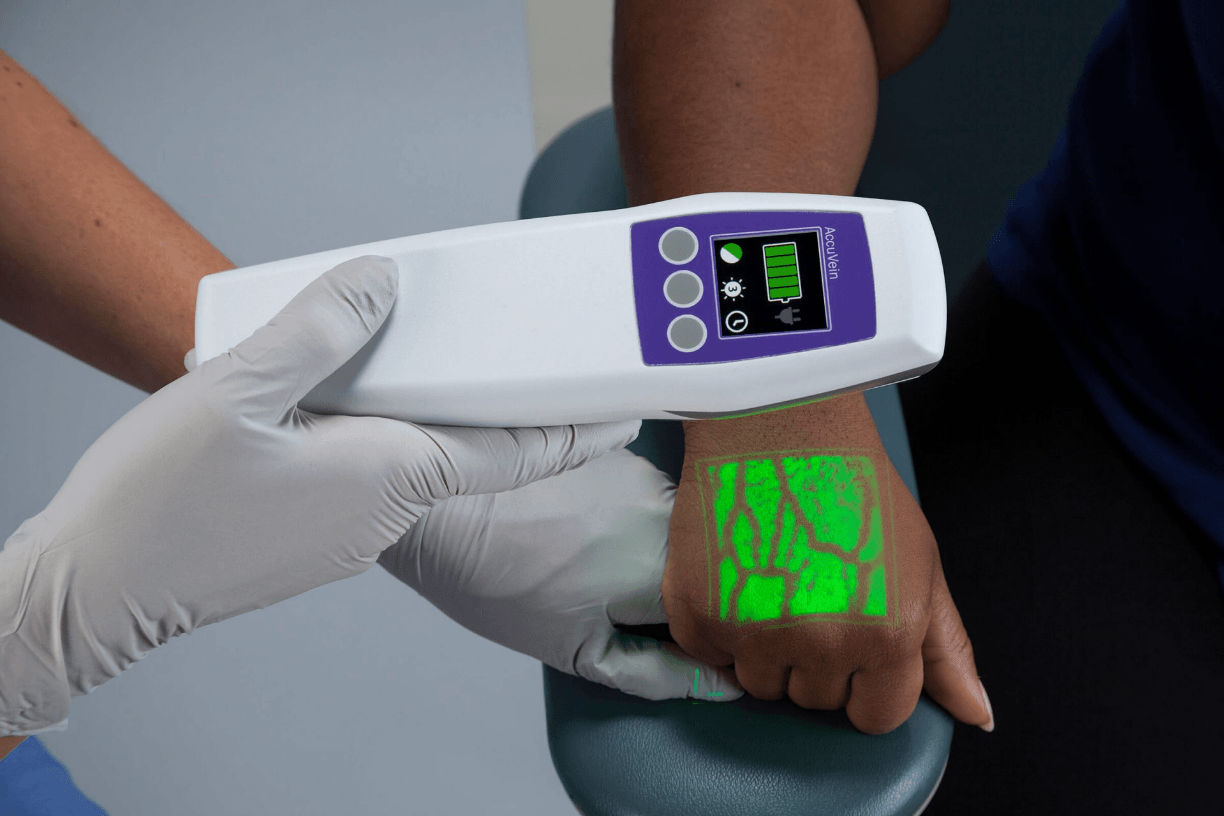 Name this device?
Vein finder
600
These are considered the fourth vein(s) of choice?
Dorsal hand veins
600
What is it called when there is an increased concentration of blood cells in proportion to plasma?
Hemoconcentration
700
What is the correct order of draw?
Blood Cultures/Yellow, Light Blue, Red, SST, Lt green, Green, Lavender/Pink, and Gray
700
Tiny red spots on the patients skin, usually around the tourniquet, is known as?
Petechiae
700
Name the slanted edge at the tip of the needle.
Bevel
700
This is called the rupturing of the blood cells.
Hemolysis
700
The agency that created the order of draw regulations?
CLSI