Photosynthesis
Reactions
Light
Chemistry
100
This catalyst of photosynthesis enters the leaves and is captured by pigments in the chloroplasts
What is sunlight?
100
This product of photosynthesis is the simplest carbohydrate and provides the plant cells with chemical energy.
What is glucose?
100
This type of reaction requires sunlight
What is a light-dependent reaction?
100
The chemical formula of glucose
What is C6H12O6?
200
This reactant of photosynthesis enters the plant from the air through pores in the leaves.
What is carbon dioxide?
200
This product of photosynthesis is considered a waste because it doesn't contribute to the production of glucose or the growth of the plant.
What is oxygen?
200
The three atoms that make up carbohydrates
What are oxygen, carbon, and hydrogen?
200
The four major macronutrients that are found in living things
What are lipids, proteins, carbohydrates, and nucleic acids?
300
These types of plants close their stomata during the day, only opening them up at night
What are CAM plants?
300
This process would take place even if the plant no longer has sunlight
What is the The Calvin Cycle?
300
The color of light reflected by chlorophyll
What is green?
300
The structures that make up the cell membrane 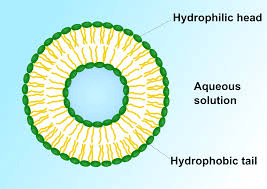
What are phospholipids?
400
These are the last molecules to accept high energy electrons in the ETC
What is the NADP+ and ADP?
400
The reactant of photosynthesis that contributes to the concentration gradient of the thylakoid
What is water?
400
The energy providing plant process that occurs in the chloroplasts.
What is photosynthesis?
400
The food produced by plants is this type of macromolecule
What is a carbohydrate?
500
This molecule absorbs all light, except green
What is chlorophyll?
500
The three products of the light dependent reactions.
What are oxygen, ATP, and NADPH?
500
The structures in the chloroplasts that contains the plant pigments
What is the thylakoid?
500
ADP becomes ATP with the addition of this molecule
What are phosphates?