Photo
Synthesis
Light
Dependent
Calvin
Cycle
Science
100
This reactant of photosynthesis enters the leaves and is captured by pigments in the chloroplasts.
What is sunlight?
100
This product of photosynthesis is the simplest carbohydrate and provides the plant cells with chemical energy.
What is glucose?
100
The light reflected by the lowest wavelength of light.
What is violet?
100
Organelles that specialize in converting light energy into chemical energy that the plant can use.
What are chloroplasts?
100
The area of the chloroplasts where the Calvin Cycle of photosynthesis occurs.
What is the stroma?
100
The chemical formula of glucose
What is C6H12O6?
100
This is needed to regenerate G3P to RUBP (Amount too)
What are 3 ATP?
200
This reactant of photosynthesis enters the plant from the air through pores in the leaves.
What is carbon dioxide?
200
This product of photosynthesis is considered a waste because it doesn't contribute to the production of glucose or the growth of the plant.
What is oxygen?
200
The three atoms that make up carbohydrates.
What are oxygen, carbon, and hydrogen?
200
The majority of chloroplasts will be found here in a plant
What are the leaves?
200
The structures in the chloroplasts that contains the plant pigments.
What is the thylakoid?
200
The four major macronutrients that are found in living things.
What are fats, proteins, carbohydrates, and nucleic acids?
200
The first process of the Calvin Cycle
What is carbon fixation?
300
This pigment reflects olive green
What is chlorophyll b?
300
The reactant of photosynthesis that contributes to the concentration gradient of the thylakoid.
What is water?
300
The color of light reflected by chlorophyll.
What is green?
300
The 3 products of the Calvin Cycle
What are G3P, NADP+, and ADP?
300
The number of carbon dioxide and water molecules needed for photosynthesis as well as the number of oxygen molecules produced during photosynthesis.
What is six?
300
The structures that make up the cell membrane. 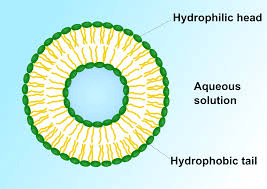
What are phospholipids?
300
Glucose is assembled into this complex carbohydrate that makes up the cell walls of plant cells.
What is cellulose?
400
This is the last molecule to accept high energy electrons in the ETC
What is the NADP reductase?
400
The seven colors of the visible light spectrum.
What is red, orange, yellow, green, blue, indigo, and violet?
400
The energy providing plant process that occurs in the chloroplasts.
What is photosynthesis?
400
The parts of a plant where gas exchange occurs
What are the stomata?
400
The electron acceptor is ____ when it accepts excited electrons in the photosystem
What is reduced?
400
There are 3 molecules of RUBP regenerated each time 3CO2 molecules enter cycle meaning there are this many carbons total in RuBP
What is 15?
400
This process happens when stomata close
What is photorespiration?
500
This many G3P will be produced per 12 CO2
What are 4 G3P?
500
The three products of the light dependent reactions.
What are oxygen, ATP, and NADPH?
500
This would take place for a while even if there was no light.
What is the The Calvin Cycle?
500
These plants create a 4C compound at night and use during the day and dont transfer to another cell
What are CAM plants?
500
This many NADPH is needed to reduce 3-PGA per 3 CO2
What is 6?
500
This is also known a PS 680
What is Photosystem II?
500
This along with RuBP and Co2 is needed to make PGA
What is Rubisco?
600
The full name for RuBP
What is Ribulose 1,5 Bisphosphate?
600
This is where Photosystem I gets its electrons from
What is the ETC?
600
This absorbs blue and orange light
What is chlorophyll b?
600
The reactant of photosynthesis that accounts for the oxygen that is released by the plant.
What is water?
600
The plant pigment that absorbs green light.
What are carotenoids?
600
These produce a 4-C and have a separate cell where the calvin cycle will occur
What are C4 plants?
600
Carotenoids reflect these colors the best
What are red, yellow, and orange?