Physical and Chemical Change
States of Matter
Phase Changes
Atomic Structure
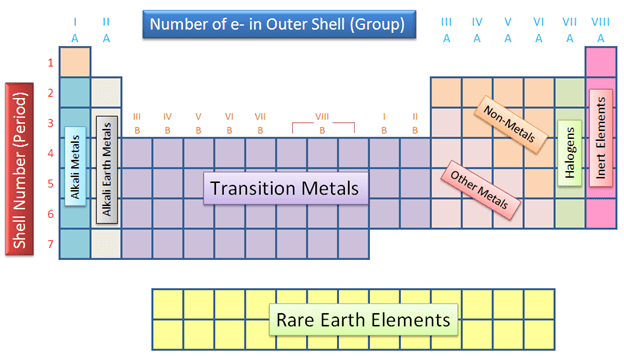
Periodic Table
Chemical Interactions Part 1
Chemical Interactions Part 2
100
A change in one or more physical properties of matter without any change in chemical properties is called a ______________ change.
physical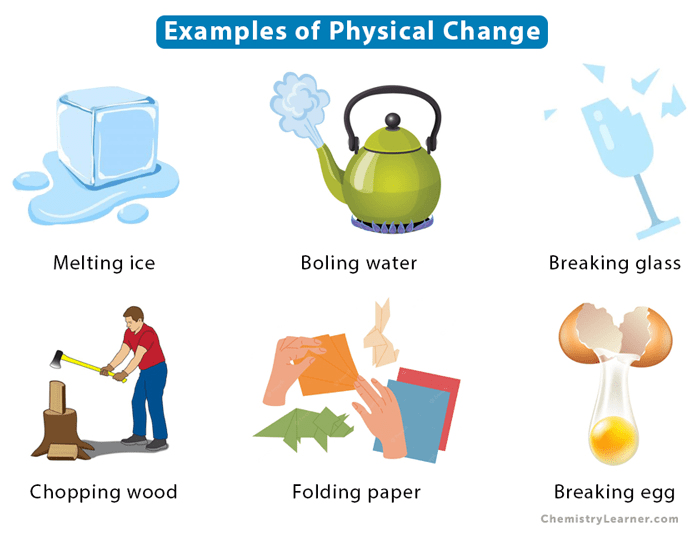
100
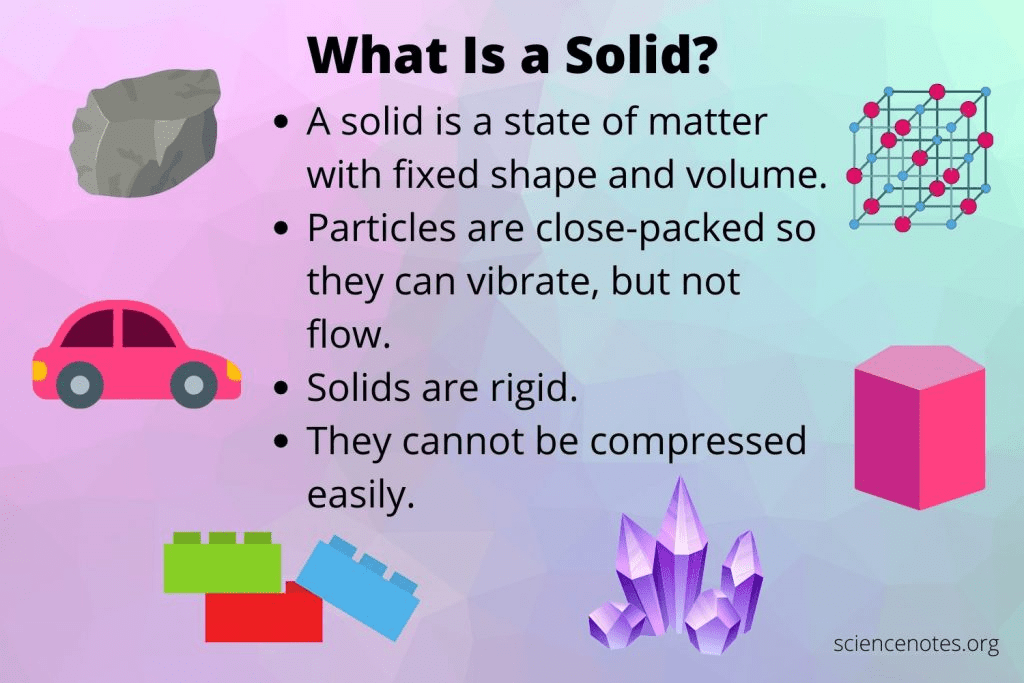
What state of matter has a definite shape and a definite volume?
A solid
100
In what phase change does matter change from a liquid to a solid as its particles lose energy until eventually the particle vibrate in a fixed position and are crowded closely together?
Freezing
100
Name the three parts of an atom and give their charges.
Protons have a positive charge.
Electrons have a negative charge.
Neutrons have no charge.
100
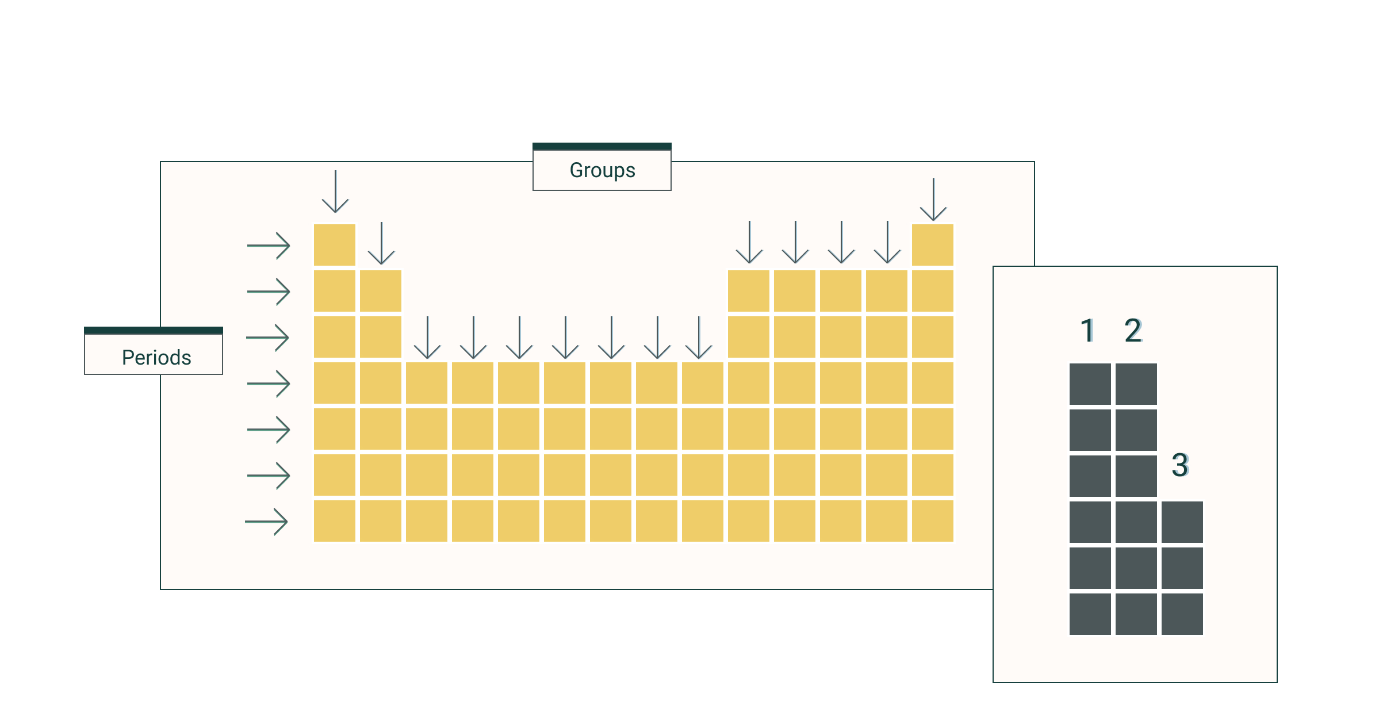
What do we call the rows on the periodic table?
Periods
100
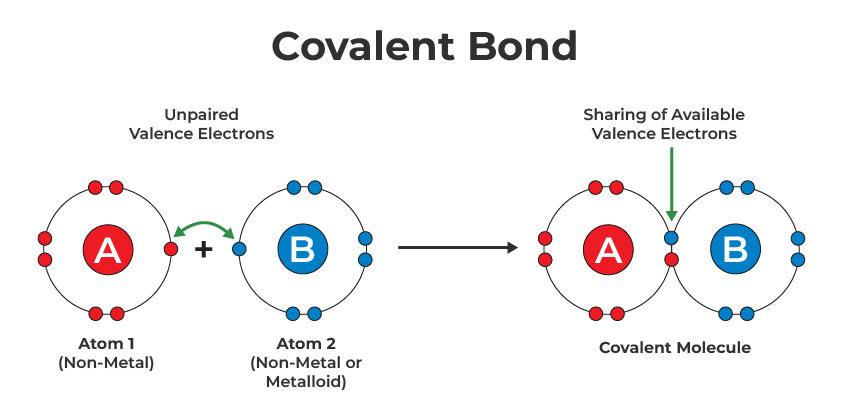
What kind of bonds form when nonmetals share valence electrons?
covalent
100
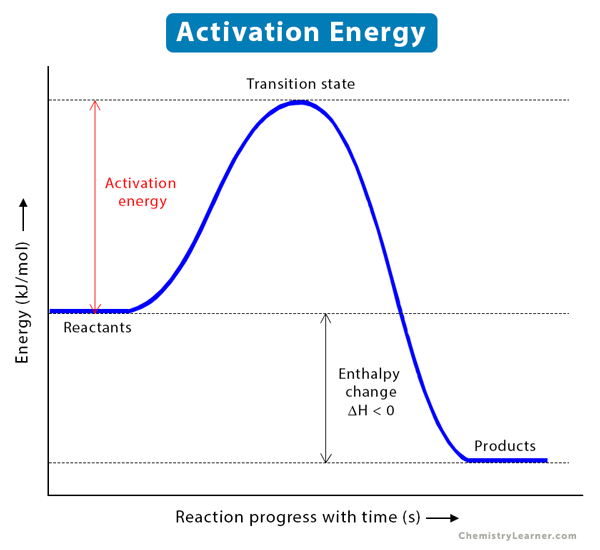
The energy needed for a chemical reaction to begin is called
activation energy
200
____________ is defined as anything that has mass or volume.
Matter
200
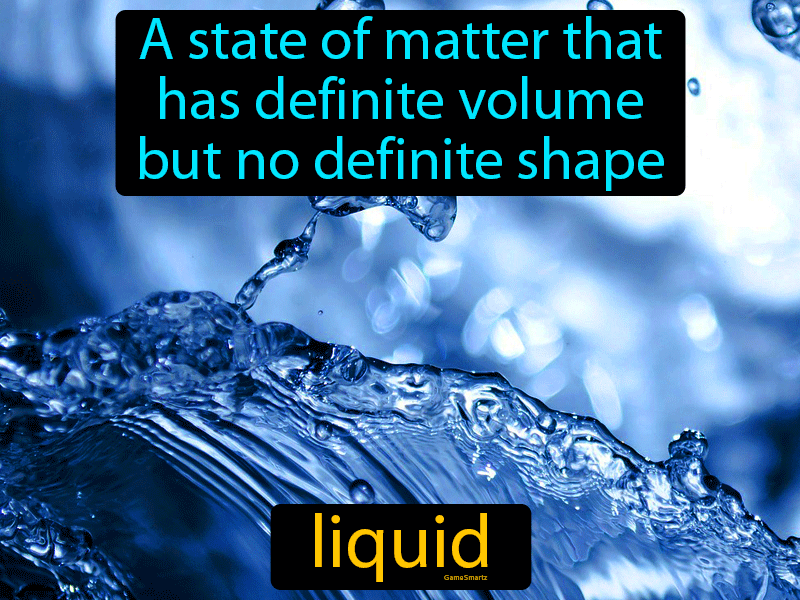
What state of matter has a definite volume and takes the shape of its container?
A liquid
200
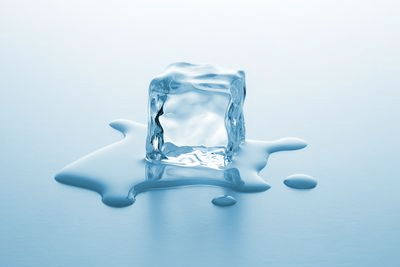
When melting occurs, are the particles gaining or losing energy?
When melting occurs, the particles are gaining energy. They absorb enough energy to partly overcome the force of attraction holding them together. This allows them to moveout of their fixed positions and slip over each other.
200
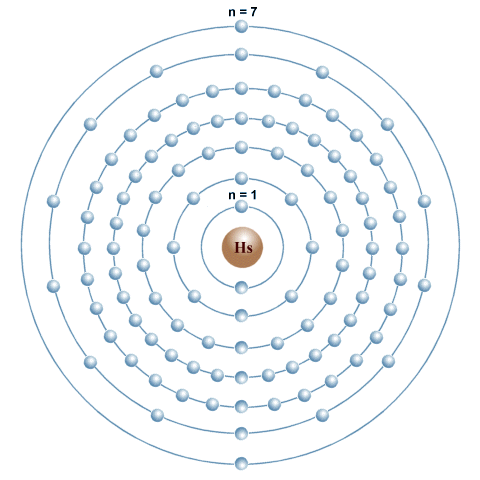
Electrons at different energy levels have different amounts of energy. Where do you find electrons with the least amount of energy?
Closest to the nucleus
200
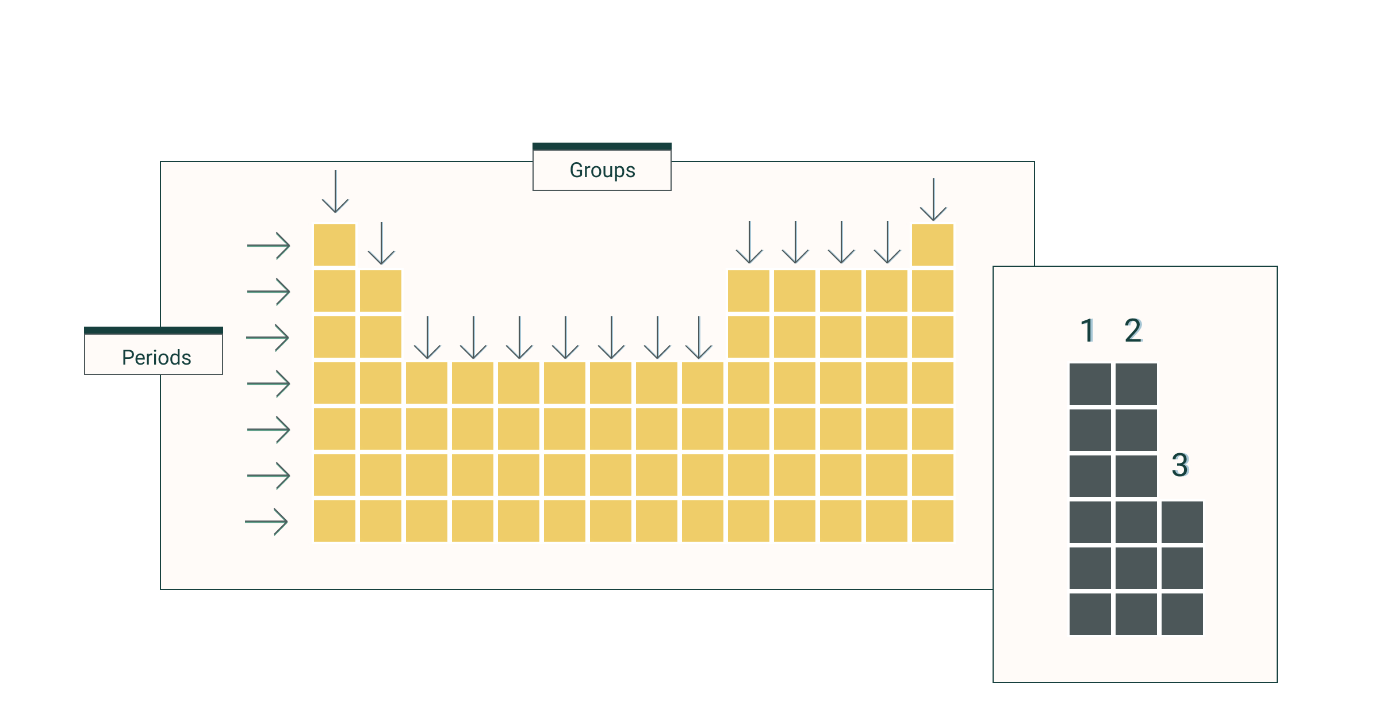
What do we call the columns on the periodic table?
Groups or Families
200
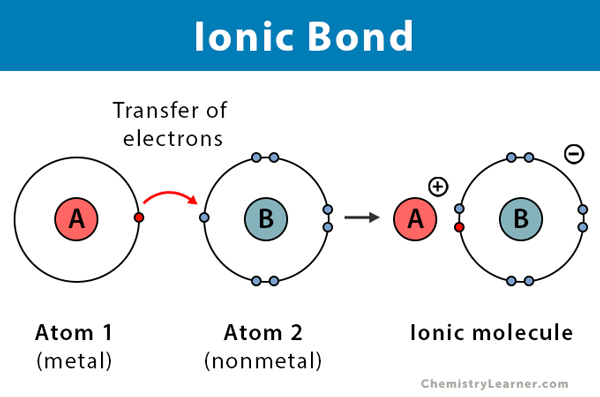
What kind of bonds form when a metal transfers valence electrons to a nonmetal?
ionic
200
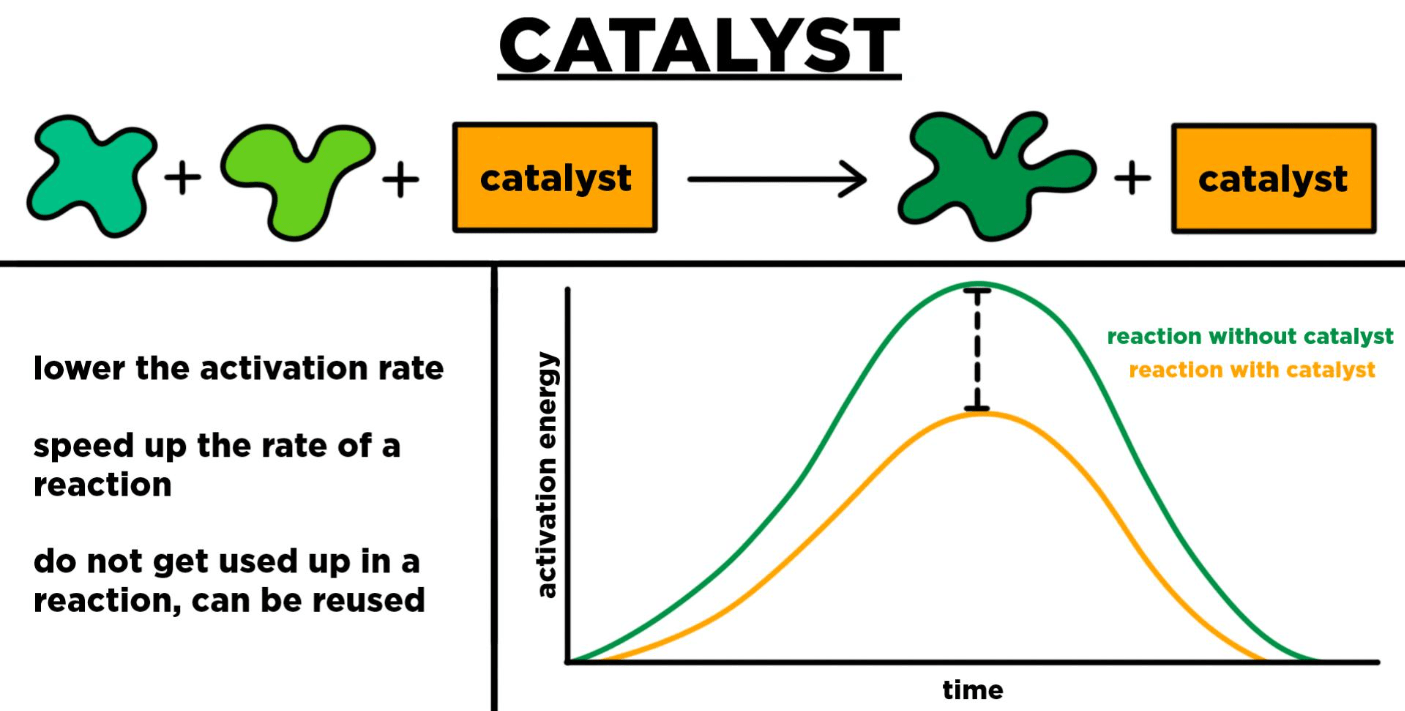
A substance that increases the rate of a chemical reaction is called a
catalyst
300
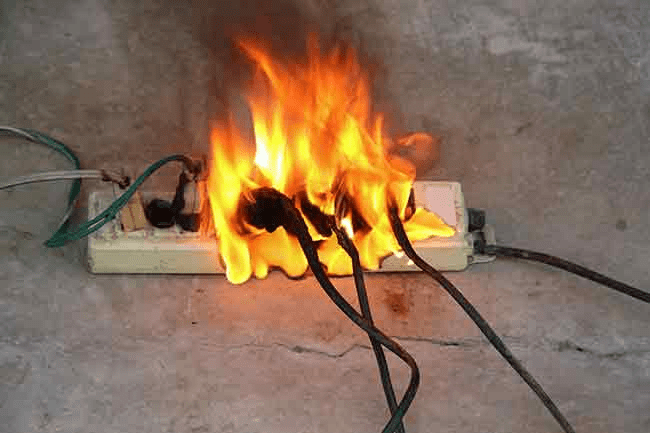
What do we call the ability of matter to burn?
Flammability
300
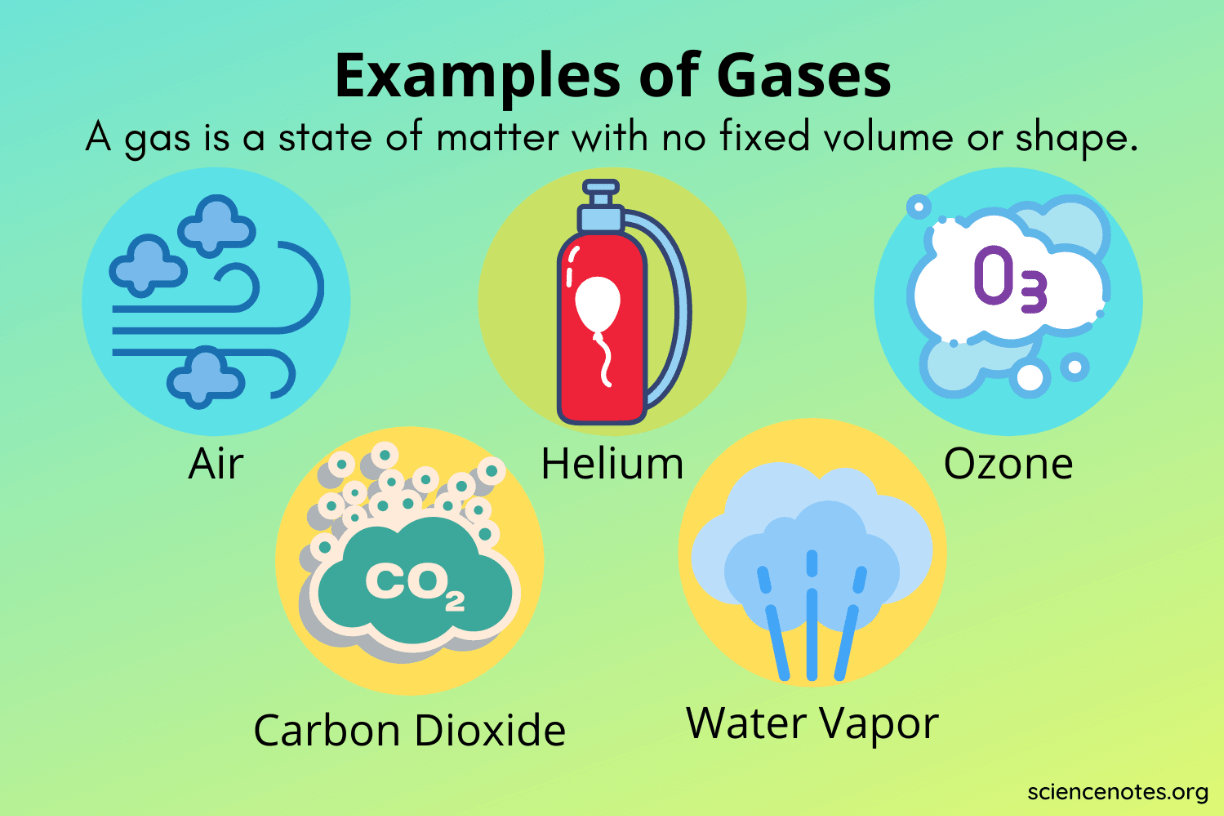
What state of matter has no definite shape and no definite volume?
A gas
300
What is the process in which a solid changes directly to a gas without going through the liquid state?
Sublimation
300
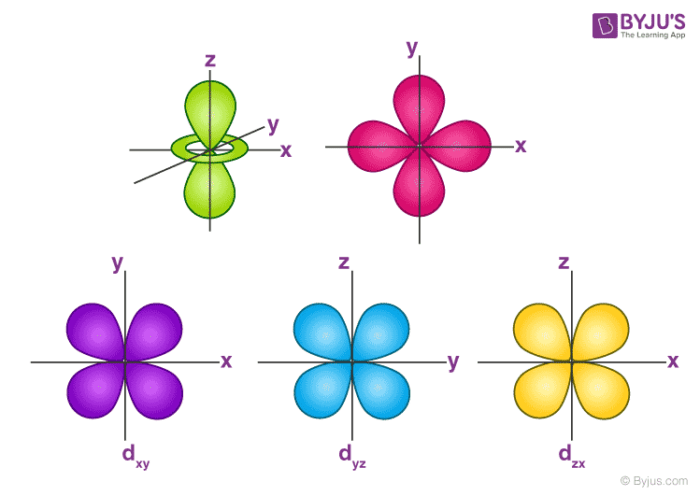
What do we call the region around the nucleus where electrons are most likely to be?
Orbitals
300
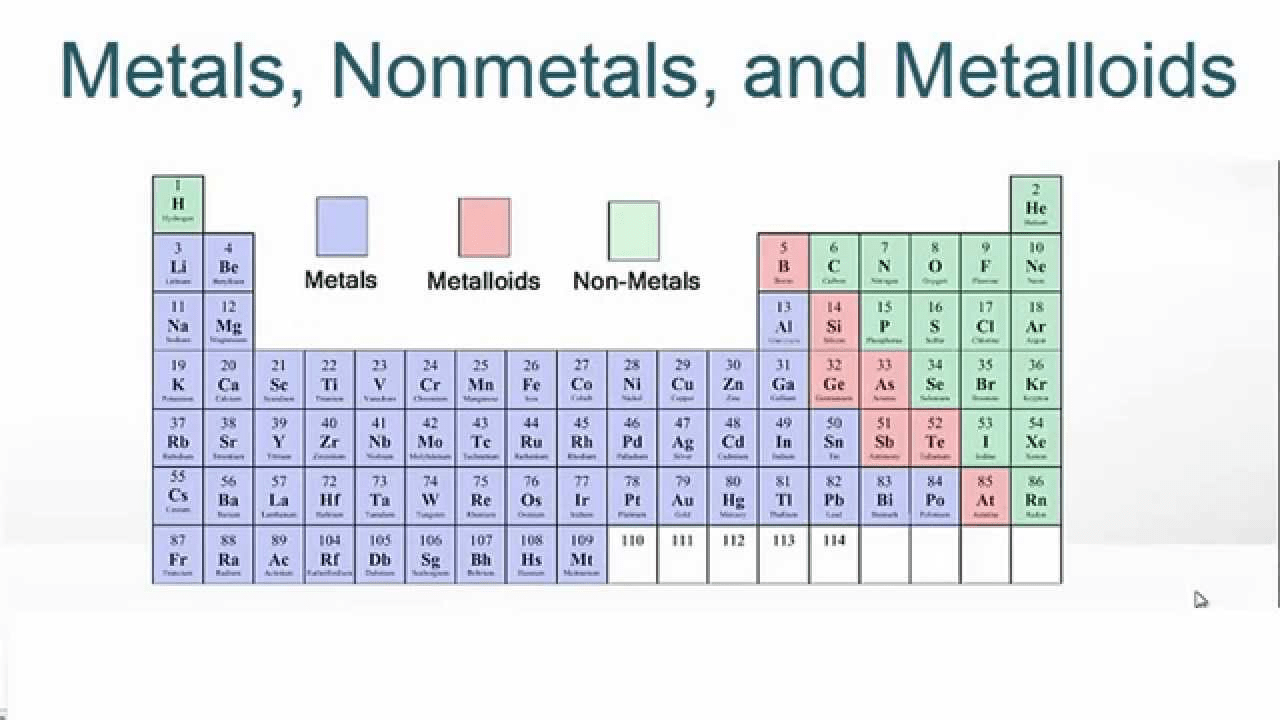
What are the three categories of elements on the periodic table?
The three major categories on the periodic table are the metals, nonmetals and metalloids.
300
What kind of bonds are forces of attraction between positive metal ions and the valence electrons that surround them
metallic bonds
300
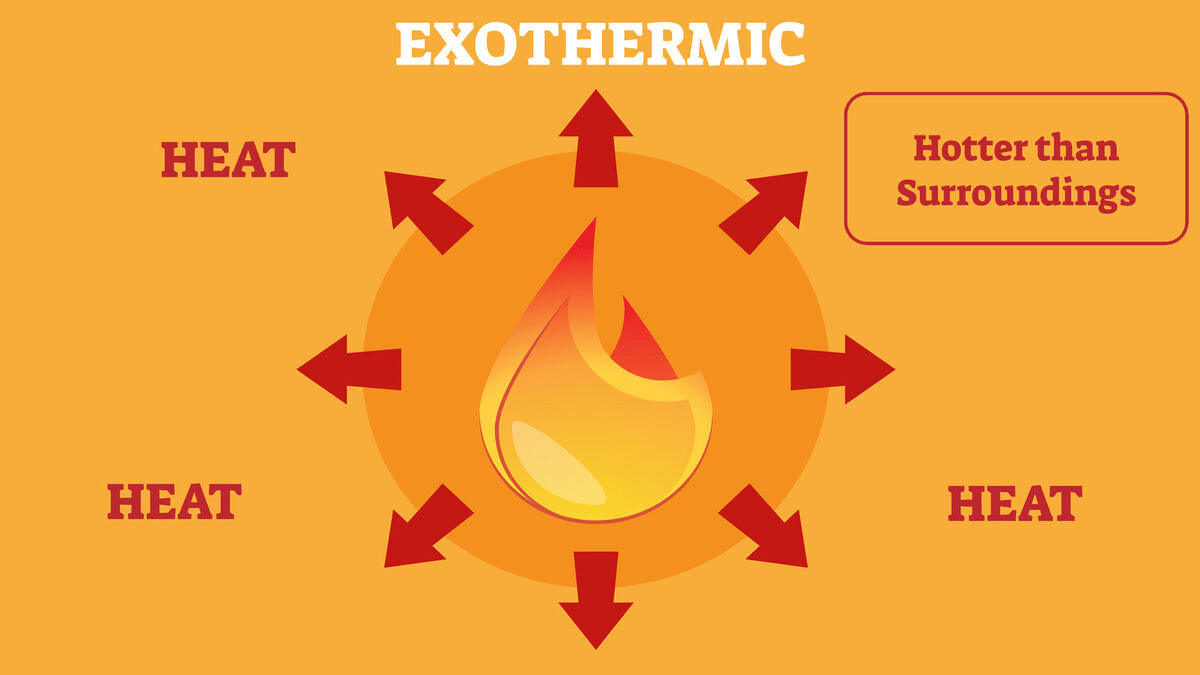
Reactions that release more energy than they use are called
exothermic
400
What do we call the ability of matter to combine chemically with other substances?
Reactivity
400
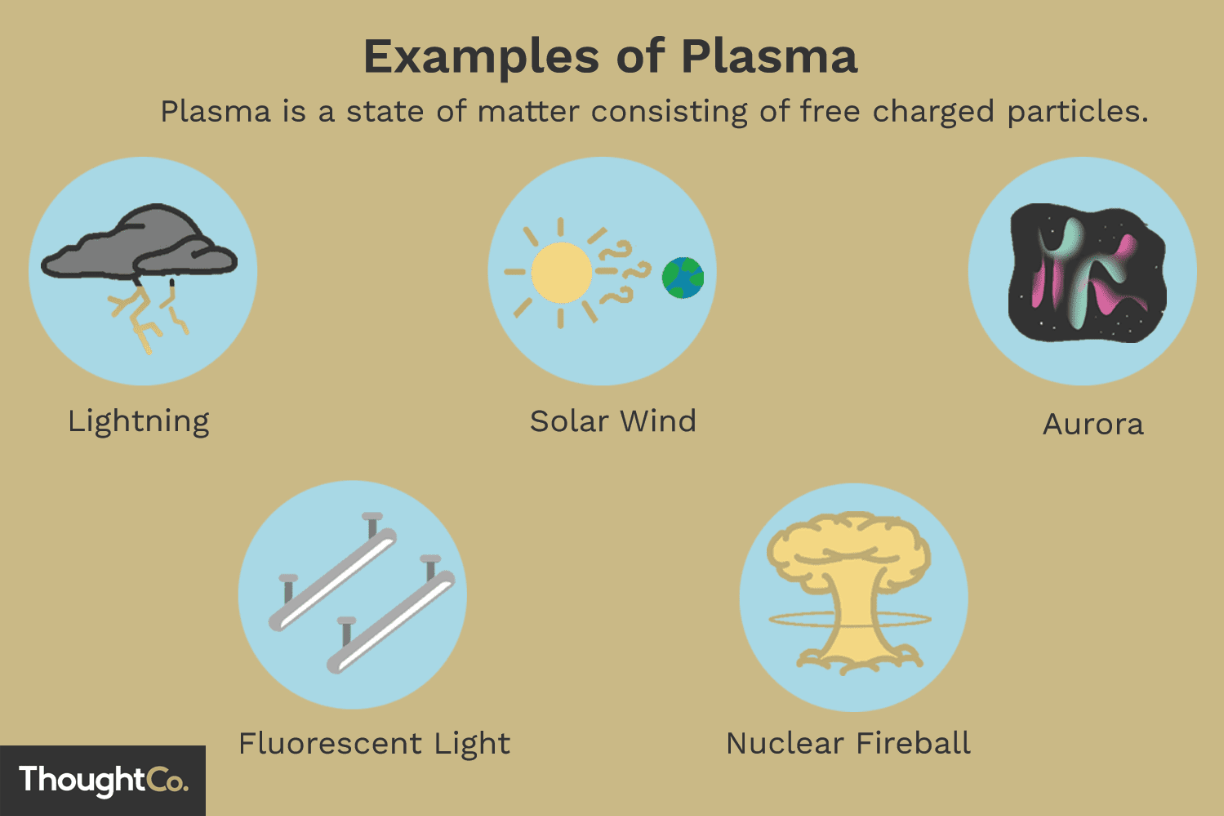
What state of matter lacks a fixed volume and a fixed shape and consists of charged particles?
Plasma
400
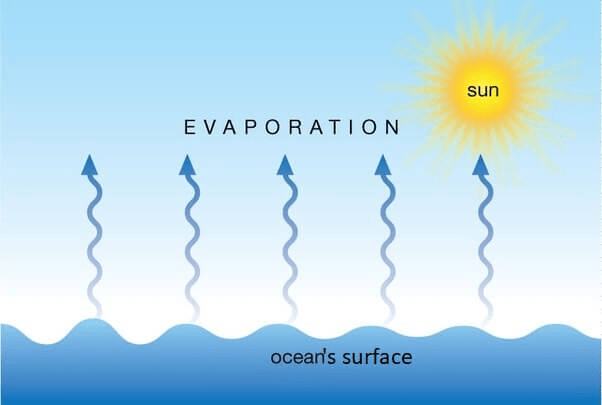
What is the process in which a liquid changes to a gas without becoming hot enough to boil?
Evaporation
400
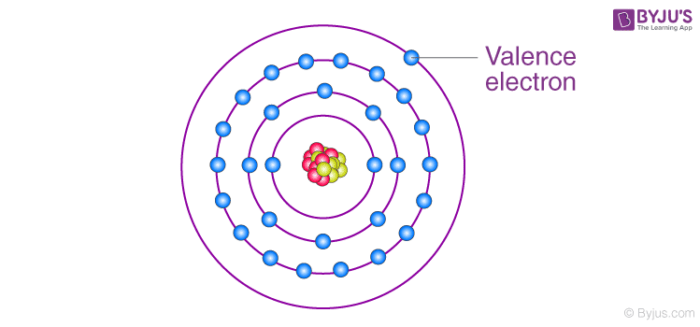
What do we call the electrons in the outermost energy shell?
Valence electrons
400
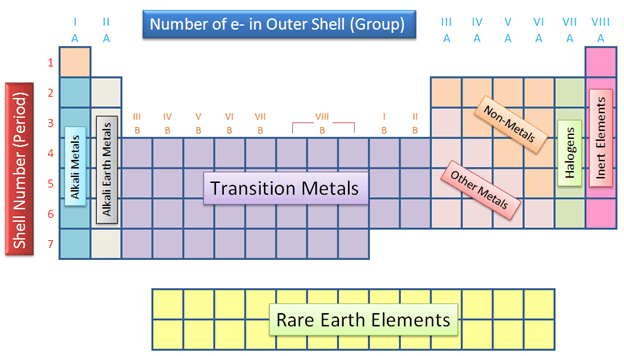
What are the first two groups on the periodic table called?
Alkali and alkaline earth
400
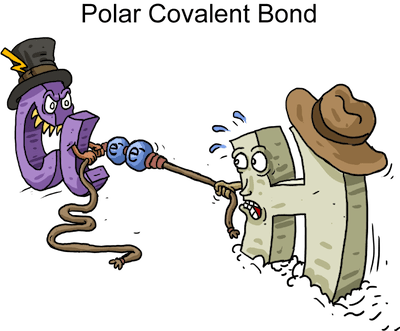
What do we call bonds between atoms that do not share electrons equally?
polar covalent bonds
400
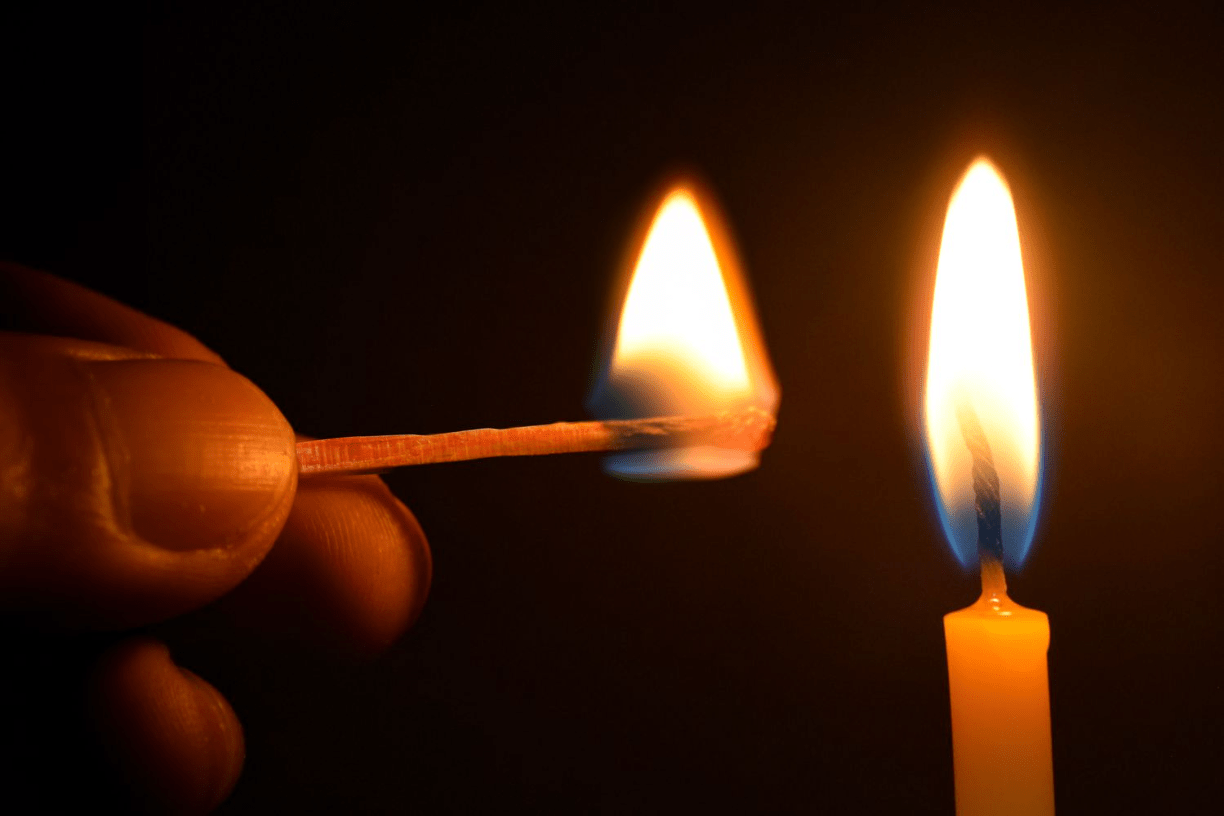
A reaction in which a fuel reacts quickly with oxygen (O2) and produces carbon dioxide (CO2) and water (H2O) is called a
combustion reaction
500
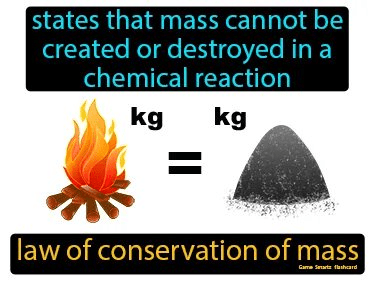
What is the law of conservation of mass?
500
List the four states of matter and tell which is rarely found on Earth.
The four states of matter are solid, liquid, gas, and plasma. The most common states of matter on Earth are solid, liquid, and gas. Plasma is rare on Earth.
500
What is the process in which a gas changes to a solid
without going through the liquid state?
Deposition
500
What must happen for an electron to jump to a different energy level?
It must lose or gain energy.
500
What are the last two groups on the periodic table?
Halogens and noble gases
500
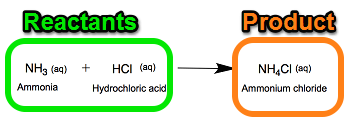
Reactants →
Products
500
When is a chemical equation balanced?
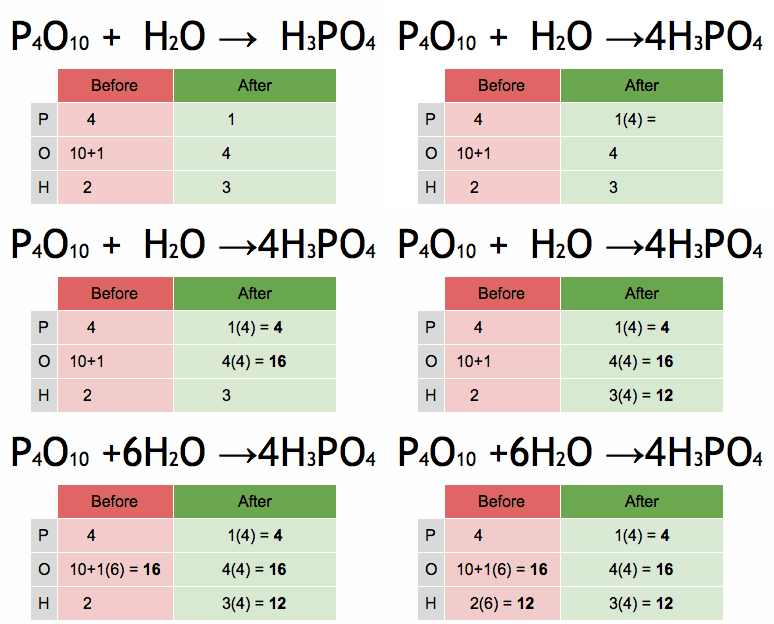 A chemical equation is balanced when both sides of the equation have the same number of atoms of all elements in the equation.