Pirate Lingo
Pirate Gear
Ships & Sailing
Pirate Life
Pirate Fun & Trivia
Pirate Unscramble
Pirate Unscramble
Pirate Unscramble
100
What does "Ahoy!" mean?
A) Hello
B) Go Away
C) Cheers
A) Hello!

Pirates say "ahoy" because it's a nautical term for getting attention or greeting someone from a distance, evolving from older cries like the Dutch "hoi," used by sailors to hail ships, and later popularized in adventure literature, becoming a staple of pirate lore. It's like saying "Hey!" or "Hello!" on the water, a distinctive call to signal presence or request attention over waves and wind, solidifying its place as classic pirate slang for camaraderie and hailing.
100
Pirates may where this to cover an injured eye.
An eyepatch!
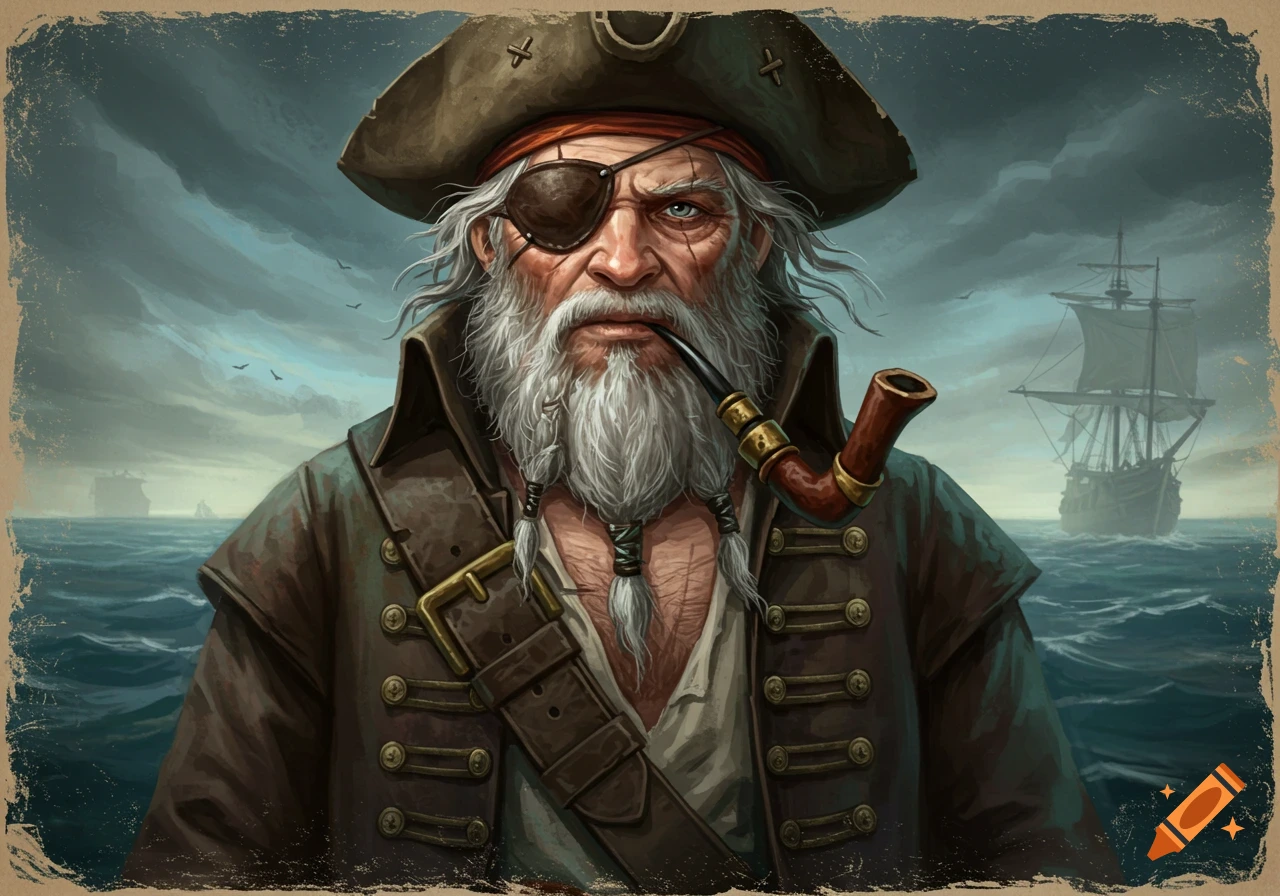
Did you know, Pirates likely wore eye patches not just for injury, but as a clever tactic to maintain night vision, allowing them to instantly see below deck after being in bright sunlight by keeping one eye pre-adjusted to the dark and simply swapping the patch when moving between areas, a method similar to modern military pilots. While some patches covered lost eyes, the adaptive vision trick provided a crucial advantage in sudden combat in dim conditions, preventing the 25 minutes it takes for eyes to adjust to darkness.
100
The Head Pirate in charge of the ship and crew is called a:
Captain!
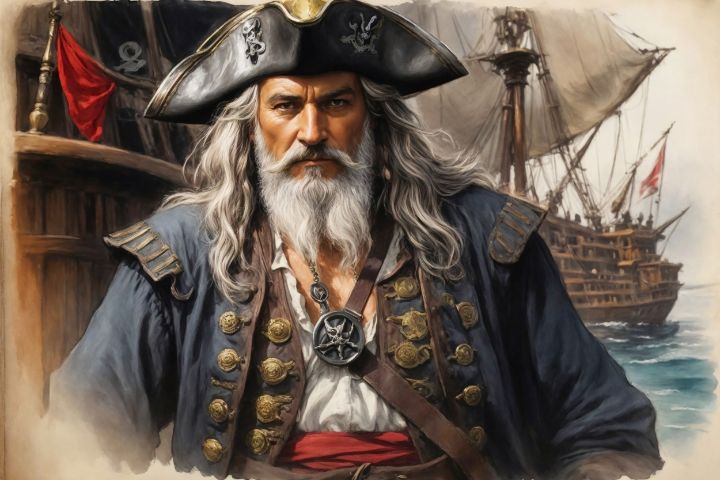
The leader of a pirate ship is called the Captain, a title often elected by the crew for their skill and courage, though their authority was usually limited to battle; the second-in-command, handling daily affairs and discipline, was the Quartermaster, who acted as the crew's representative.
PC Captains prepare for battle:
100
Pirates often look for valuables called:
Treasure!
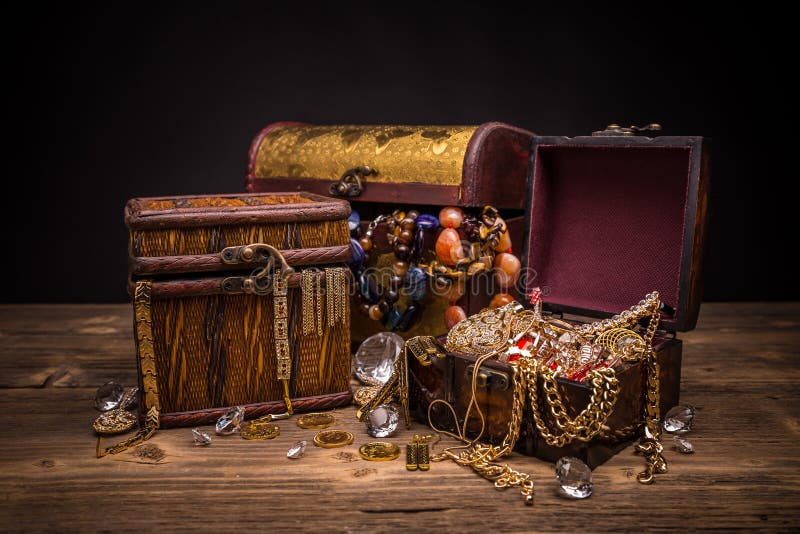
Pirates sought treasure for wealth, survival, and power, plundering gold, silver, jewels, and valuable trade goods like spices, tobacco, and cloth. They also sought after essential supplies such as food, rum, weapons (cannons, pistols, swords), medicines, and tools, which they sold in port to fund their ventures, live lavishly, and maintain their ships.
PC Fighting in the treasure room:
100
This Pirate Is Famous for having a hook for a hand. What Is His Name?
Captain Hook!

Captain Hook, or James Hook, is the primary villain in J.M. Barrie's Peter Pan, a cunning pirate captain of the ship Jolly Roger, known for his iron hook replacing his severed hand, which Peter Pan cut off and fed to a crocodile, making him Peter's archenemy.
Captain Hook:
100
HYAO
AHOY
100
ETPEAHYC
EYEPATCH
100
PMA
MAP
200
What "Matey" mean?
A) Dad
B) Friend
C) Enemy
B) Friend

Pirates say "matey" because it's a nautical term for a friend or shipmate, derived from "mate," a common term for a comrade at sea, often shortened from French "matelot," and popularized in pirate lore by literature like Treasure Island to sound colorful and adventurous. It functions as a friendly, informal way to address someone, similar to saying "buddy" or "pal," adding to the stereotypical pirate speech.
200
This tool is carried by pirates to help with direction.
A Compass!
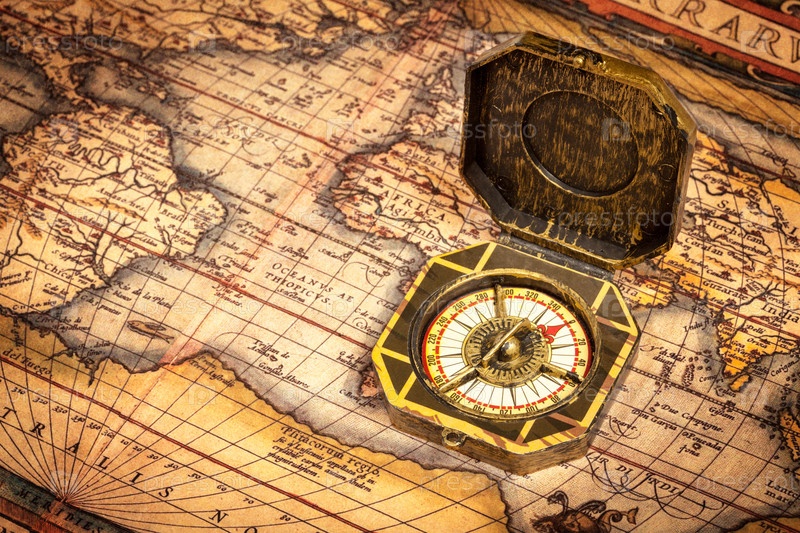
Pirates used compasses because they are essential for open-sea navigation, providing a constant directional reference (pointing North) even when the sun, stars, or landmarks were obscured by clouds or fog, preventing them from getting lost on long voyages or when raiding distant shores!
200
This circular object is usually made of wood and helps steer the pirate ship in the direction they want to go!
The Wheel!

Did you know that the Pirate ship wheel is also called a "helm"? Unlike in movies where the captain dramatically stands at an exposed wheel, the actual steering wheel was often located on a lower deck or a covered area (which eventually evolved into the "wheelhouse"). This provided some protection from weather and enemy fire, with the helmsman receiving orders from officers on the main deck.
200
What is a Pirates Favourite Beverage?
A) Rum
B) Orange Juice
C) Espresso Martini
A) Rum
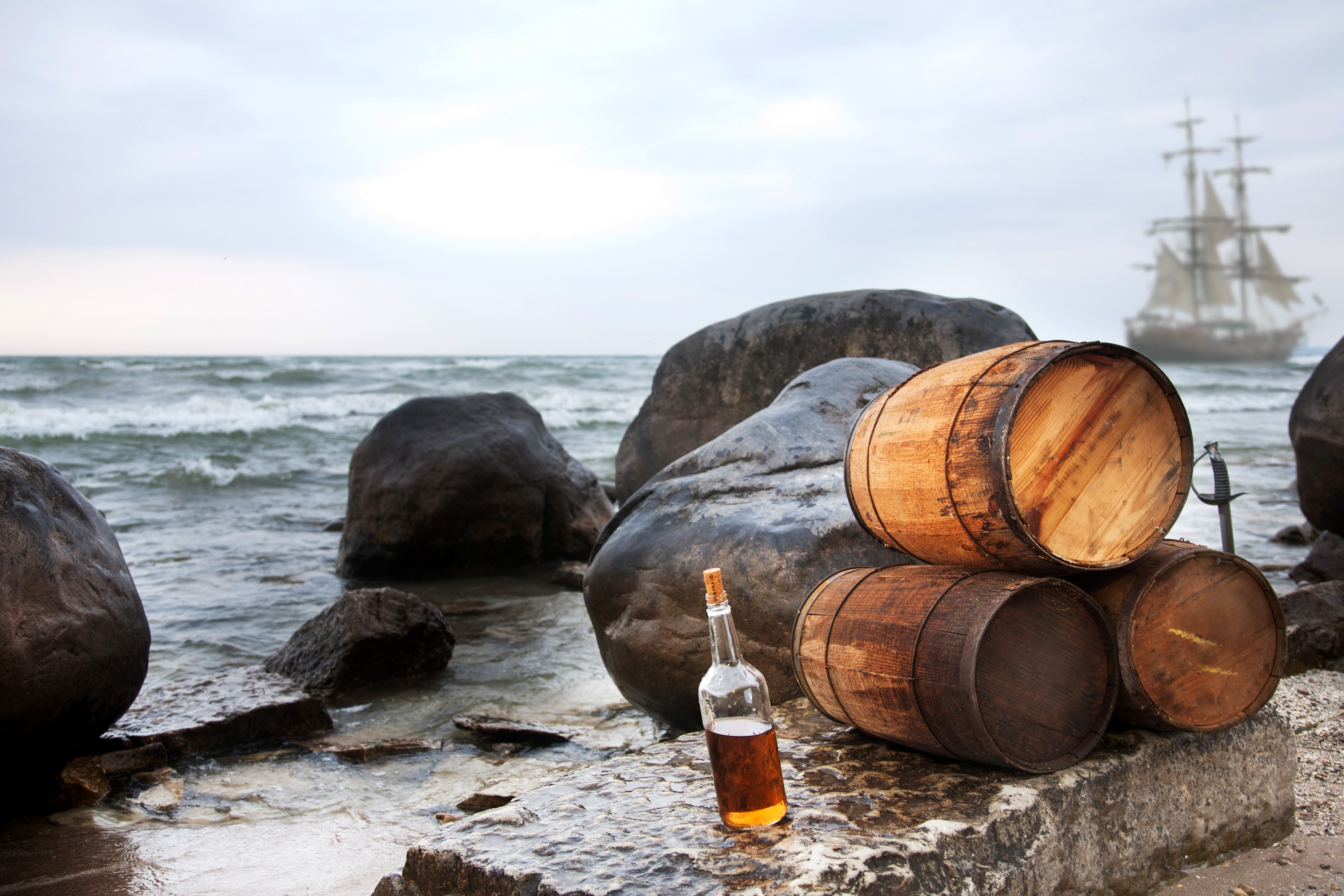
A pirate's favourite drink is famously rum, often mixed into grog (rum, water, lime/lemon juice) to prevent scurvy and boost morale, though they also drank other spirits like gin, wine, and strong beer, consuming whatever they could find or capture.
PC Rum Scene:
200
What Shape famously Marks the spot of treasure on a map?
" X " Marks The Spot!
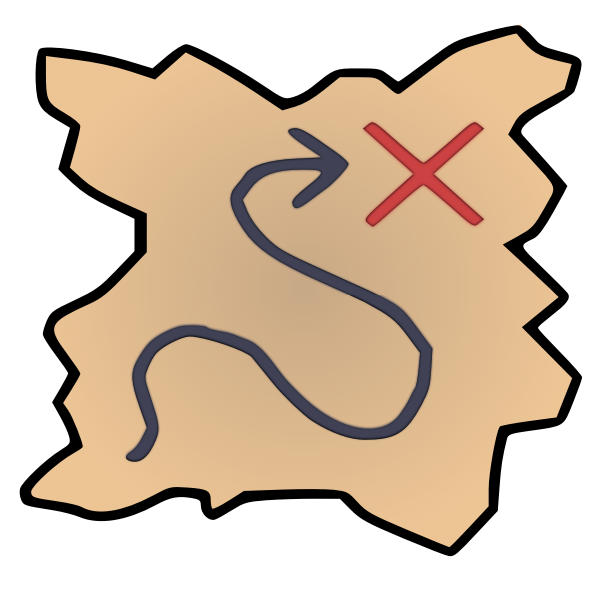
"X marks the spot" on treasure maps primarily comes from fiction, popularized by Robert Louis Stevenson's Treasure Island, though it stems from the real practice of using an 'X' to denote significant locations or the spot of execution, becoming a visual shorthand for hidden treasure in stories and games, as pirates rarely buried and mapped loot in this way.
200
TLOBTE
BOTTLE
200
OACMSPS
COMPASS
200
LGDO
GOLD
300
What does "landlubber" mean?
A) Someone lost at sea
B) A Non-Sailor
C) A Ship Cleaner
B) A Non-Sailor
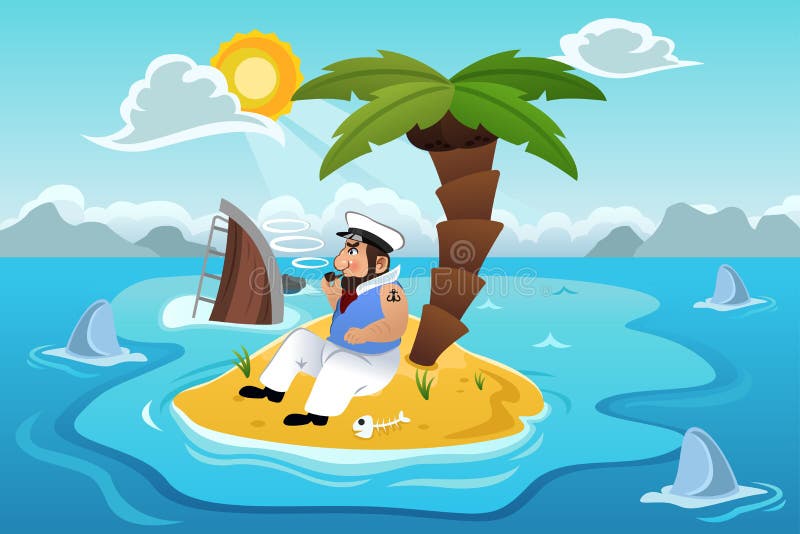
A "landlubber" is a person unfamiliar with the sea or seamanship. The term doesn't derive from "land lover," but rather from the root of lubber, meaning clumsy or uncoordinated. Thus, a landlubber is one who is awkward at sea for familiarity with the land. The term is used to insult the abilities of one at sea ...a person unfamiliar with the sea or sailing.
300
Pirates carried and looked through this to see ships and other landmarks to spy into the distance.
A Spyglass!

Yes, pirates absolutely used spyglasses (handheld telescopes) to spot distant ships, land, or hazards, as these compact, often brass, magnifying tools were crucial for navigation, lookout, and planning attacks or escapes during the Age of Sail, though Hollywood exaggerates their frequency and iconic look. They were essential for scanning horizons from high points like the crow's nest, helping identify targets and navigate safely.
PC:
300
Pirate Ships use the power of the _______ to move and sail the sea!
Wind!
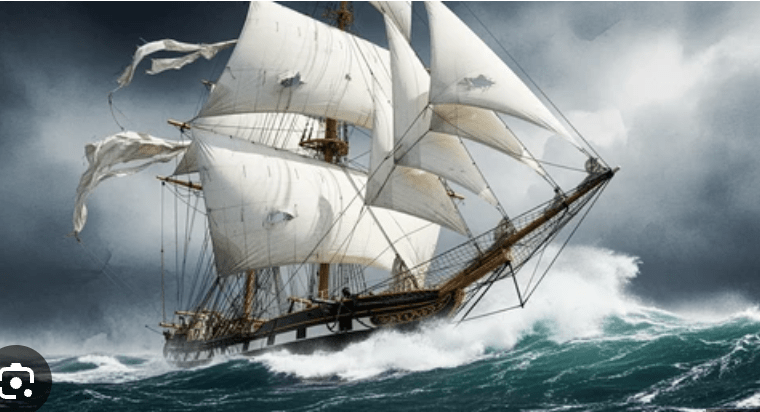 Pirate ships used the same technology as other vessels of the Age of Sail, relying solely on wind power captured by a system of masts, sails, and rigging to move. Pirates used a variety of ship types, often captured merchant or naval vessels, with sloops and brigantines being common favourites for their speed and maneuverability.
Stop playing at 30s in: Play Just his entrance!
300
What is the talking bird called that pirates would keep as a pet?
A Parrot!
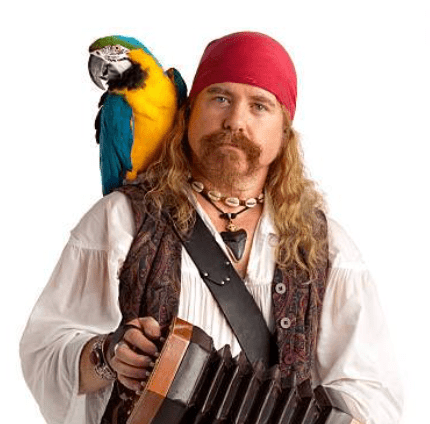
Pirates kept various animals, most famously parrots and monkeys, but also cats for pest control, dogs, and livestock like chickens, pigs, and even horses for food or during raids, with exotic pets often being valuable cargo or captured treasure.
Monkey PC:
300
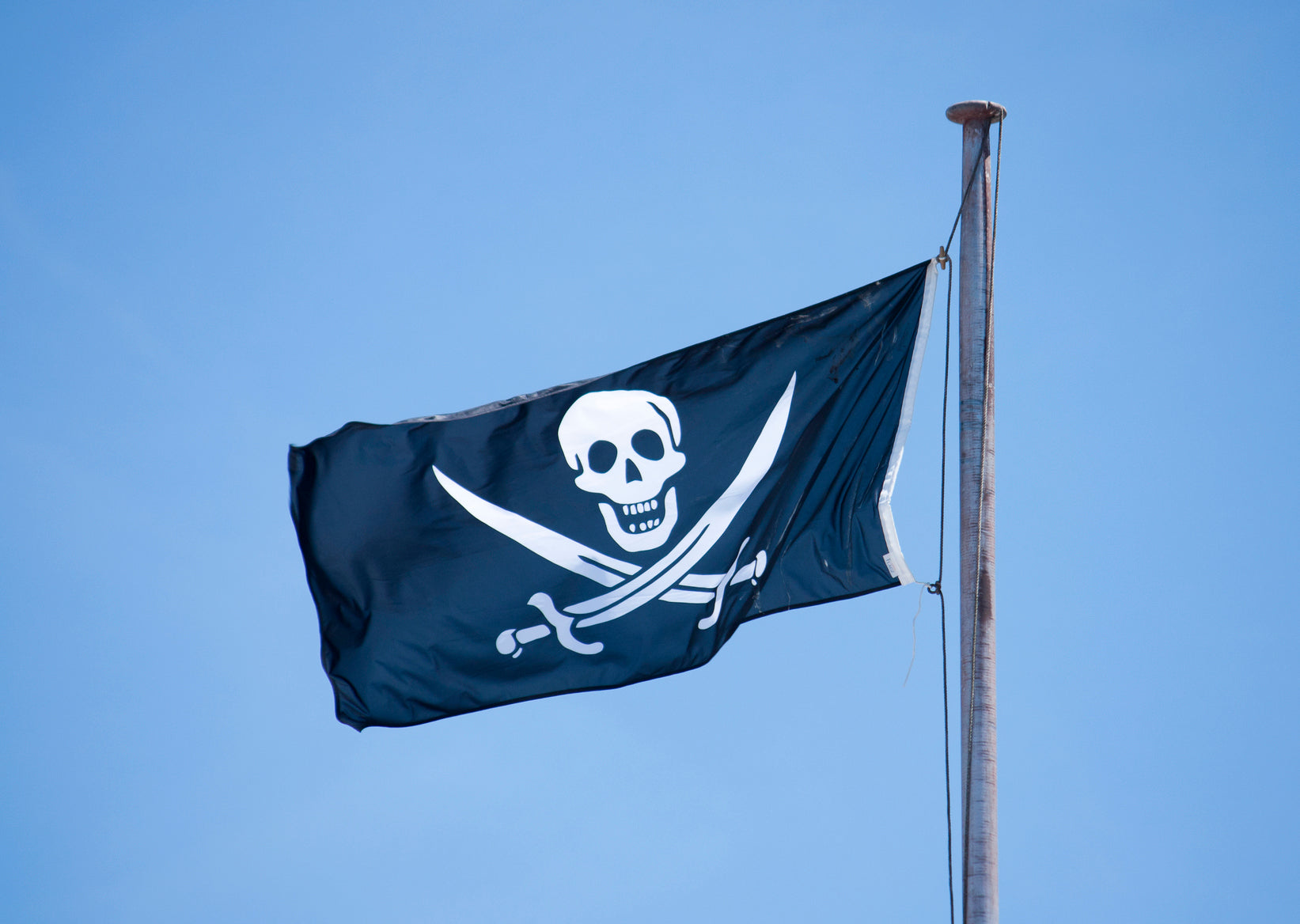
What Symbols is often shown on Pirate Flags?
A) Skull And Crossbones
B) Sword And Shield
C) Ship And Sea
A) Skull And Crossbones
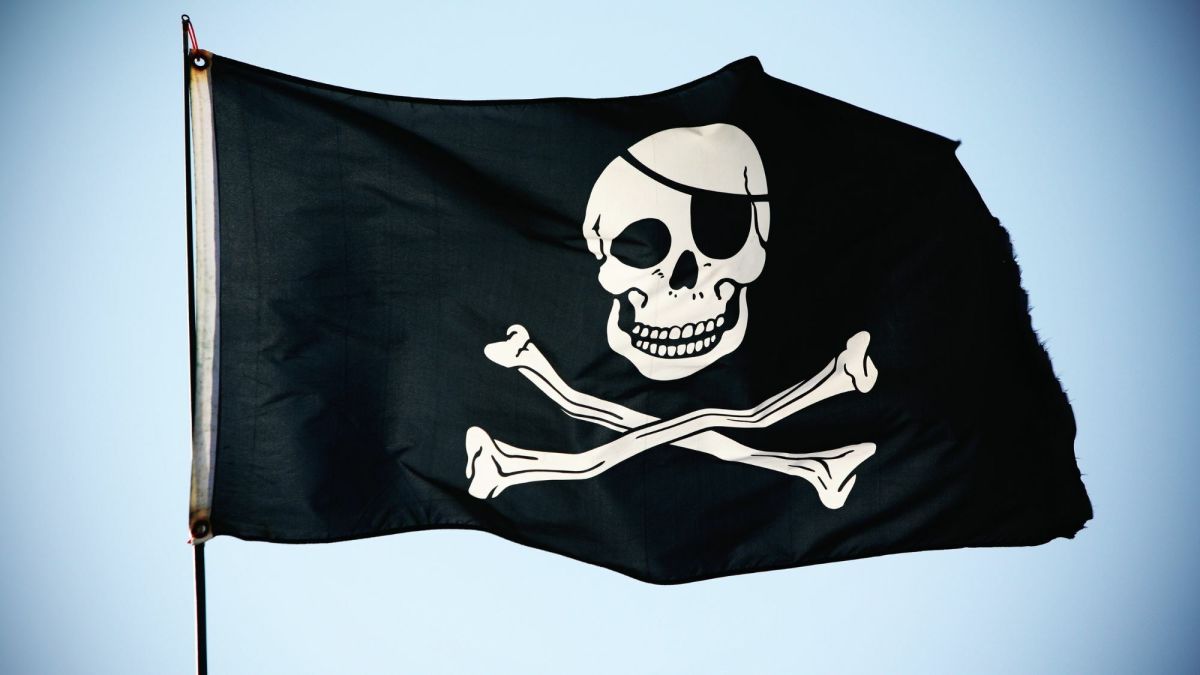
Pirates used the skull and crossbones, known as the Jolly Roger, on their flags primarily to intimidate targets into surrendering, symbolizing death, ruthlessness, and a warning that refusing to yield meant a fight to the death. The symbol leveraged existing cultural associations with death (from grave markers and funeral art) and acted as a terrifying brand for pirates, letting victims know they faced pirates, not navies, and had little chance if they resisted. Commonly, the bones were replaced with crossed swords to further symbolize violence.
300
RITPAE IHPS
PIRATE SHIP
300
ESVTHIE
THEIVES
300
SWJLEE
JEWELS
400
What does "shiver-me-timbers" mean?
A) Being Cold
B) Shock or Surprise
C) Being Sad
B) Shock or Surprise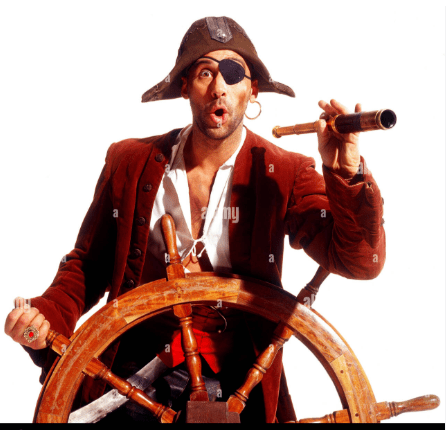
"Shiver me timbers!" is a classic pirate exclamation expressing shock, surprise, or annoyance, like saying "Wow!" or "Good heavens!". It refers to a wooden ship's timbers (support beams) shaking or breaking (shivering) from a huge wave or cannon blast, frightening the crew, and metaphorically means the event is so astonishing it could shake one's world.
400
Pirates where a special hat called a:
A) Unicorn Hat
B) Bicorn Hat
C) Tricorn Hat
C) Tricorn Hat
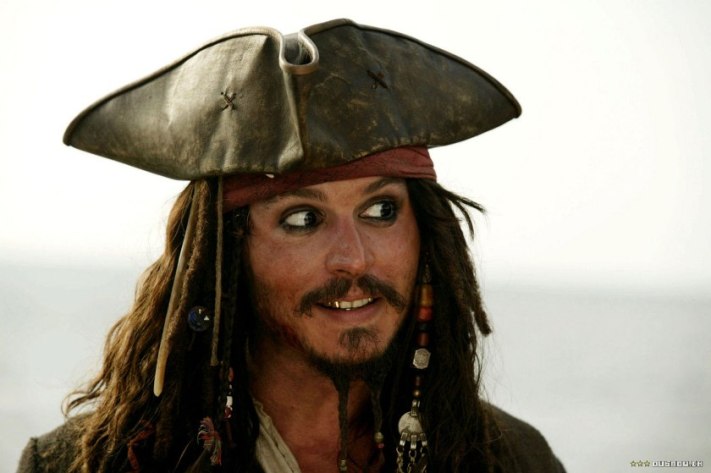
A tricorn hat (or tricorne) is a distinctive three-cornered hat with a wide brim folded up on three sides, creating a triangular shape. Pirates wore tricorn hats because they were fashionable during the 18th-century "Golden Age of Piracy," but more importantly, they were practical for naval life, providing shade and directing rainwater away from the face, while also allowing for better musket handling and less snagging on ship rigging compared to wide-brimmed hats. While some pirates wore them, simple bandanas or caps were also common, and the tricorn's popularity faded by the 19th century as fashion changed.
400
Pirates used this at sea to help navigate their whereabouts and sometimes find buried treasure.
A Map!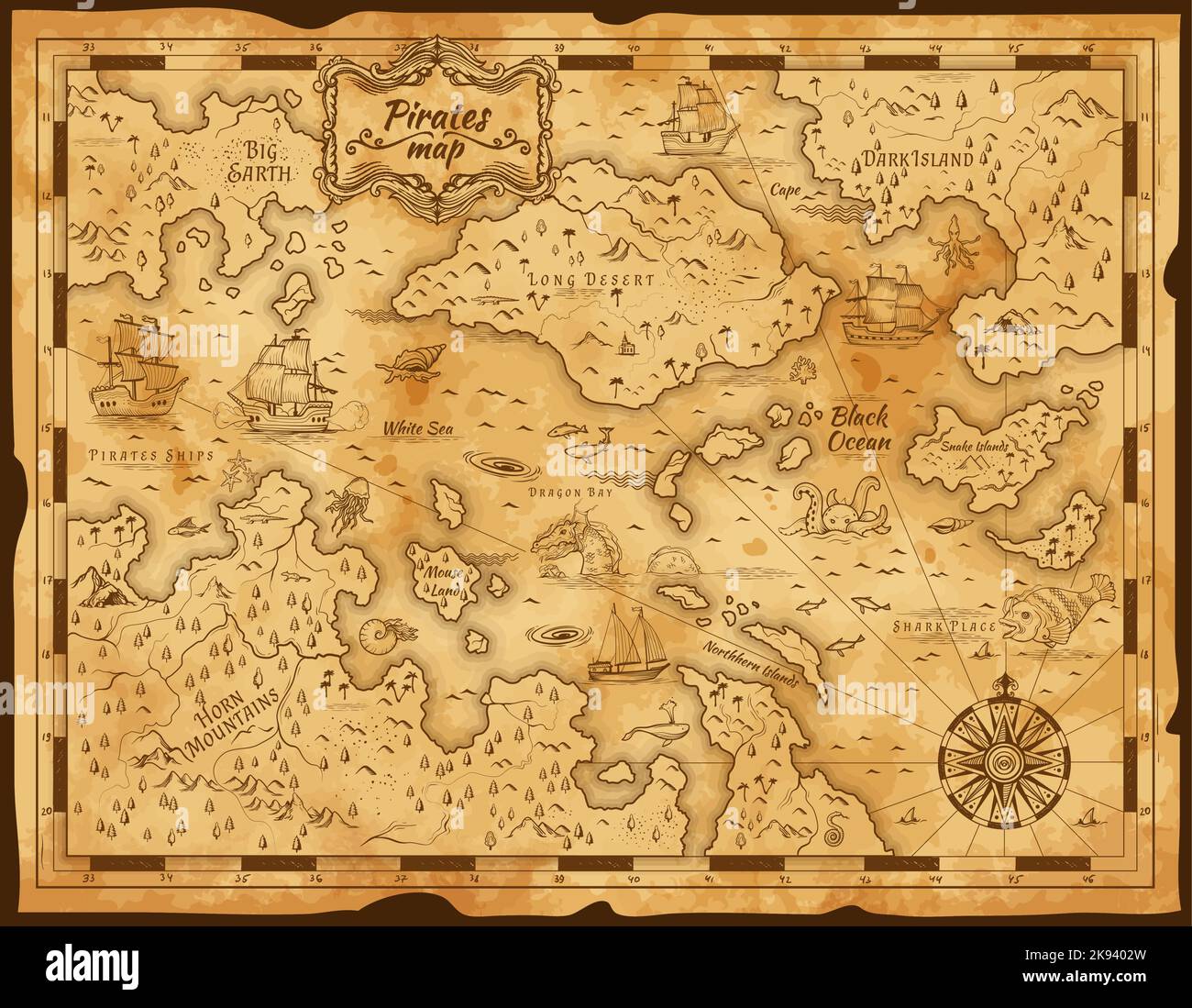
Pirates used maps also known as "Sea Charts". Detailed Maps from captured ships, as these charts, combined with instruments like the compass, astrolabe, sextant, and knowledge of stars, were crucial for finding treasure, avoiding hazards, and planning attacks.
Map Scene:
400
Another word for Pirate Treasure is named after a part of the human body.
A) Brain
B) Heal
C) Booty
C) Booty

Pirate treasure is called "booty" because the word originally meant spoils of war or plunder, stemming from Germanic words for share or profit, and was used for valuables taken in battle or raids, later applying specifically to pirate loot and then generally to any treasure. It implied goods divided among confederates, fitting pirates' shared takings.
400
Finish the lyrics to this Pirate Song:
"What Would You Do With A __________"?
A) Pirate's Treasure
B) Drunken Sailor
C) Lost LandLubber

400
SRURAETE
TREASURE
400
PRWSIHKCE
SHIPWRECK
400
LSRIOA
SAILOR
500
What is a "Scallywag"?
A) A Naughty or Sneaky person
B) A Cute Dog
C) Some who is Seasick
A) A Naughty or Sneaky person
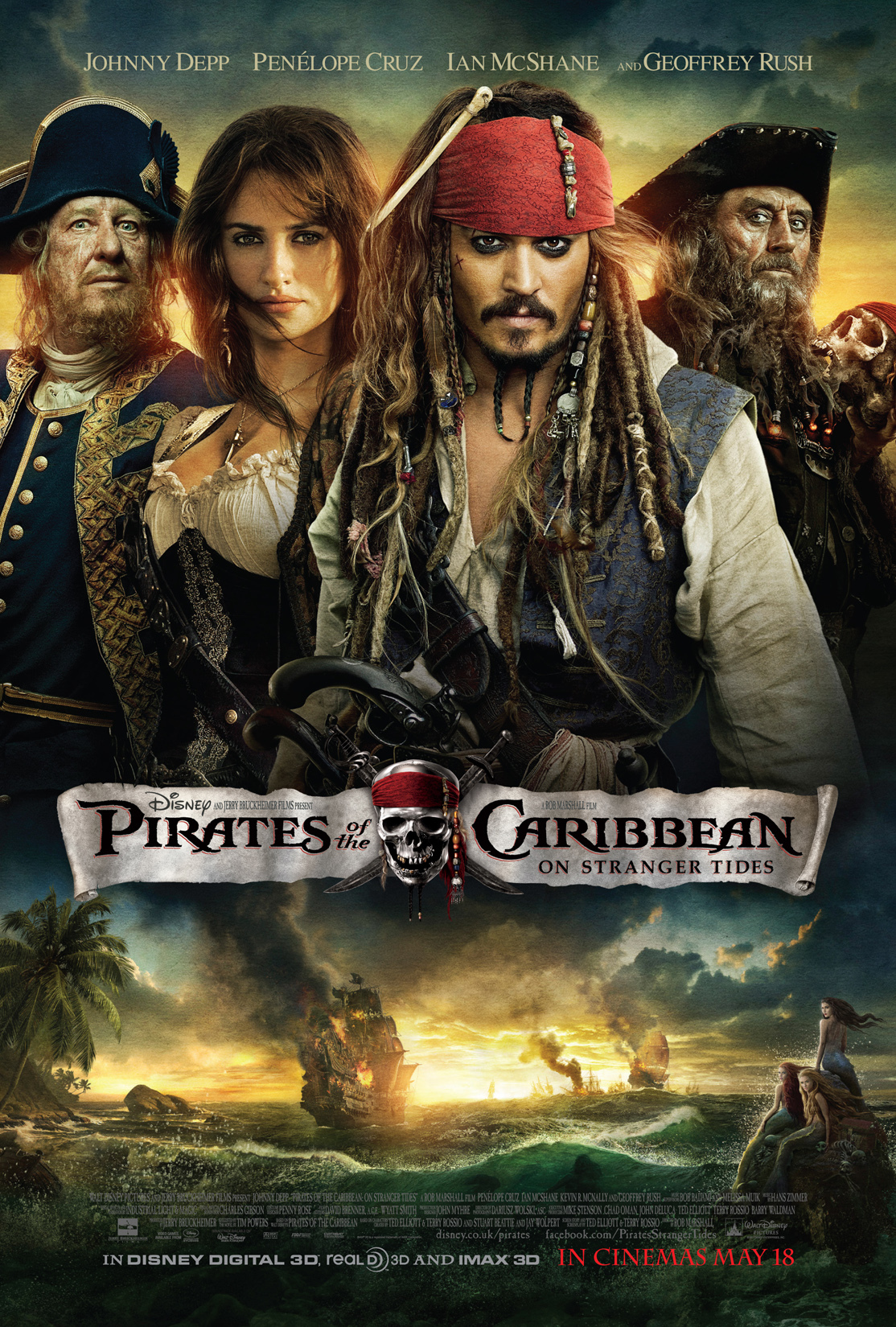
A "scallywag" pirate is a mischievous, roguish, or unreliable crew member, often used playfully to describe someone who's a bit of a scamp, a rookie, or causes amusing trouble. While not historically used for pirates during the Golden Age, its association with pirates grew through late 19th-century literature and popular culture like Disney's Pirates of the Caribbean.
500
Pirates would wear this under their hats to keep sweat from dripping into their eyes.
A Bandana/Handkerchief
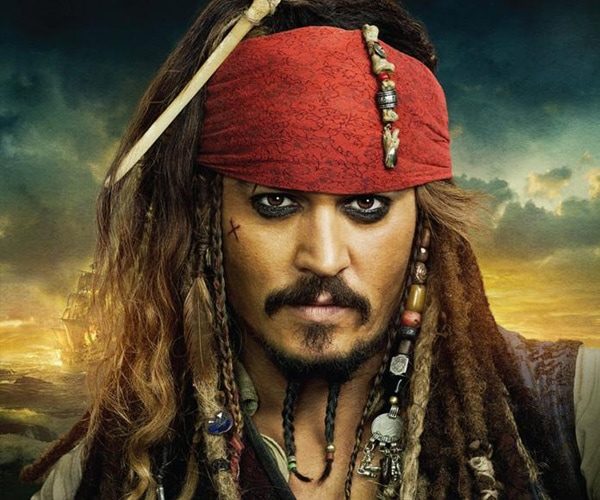
Pirates wore bandanas under hats mainly for practicality: to soak up sweat and keep hair out of their faces/eyes, protect from sun/elements, and sometimes absorb gunpowder shock. Bandanas were also worn over the face to help conceal the pirates identity.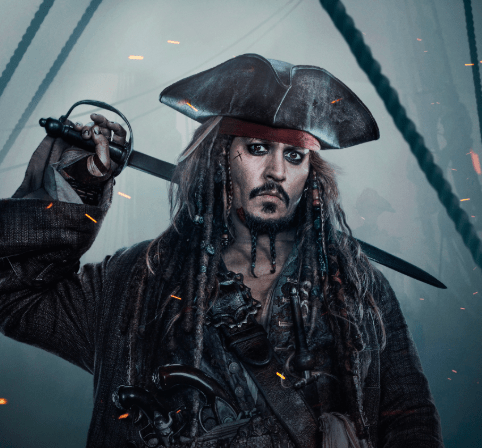
500
Pirates dropped this heavy object into the sea to help stop their movements and halt their ships from drifting away!
An Anchor!

Pirates dropped anchors by first positioning their ship upwind/current, then releasing the heavy anchor from the bow using a mechanism like a windlass or just by manually unhooking it, allowing it to fall freely as the ship drifted back, paying out chain until it settled and dug into the seabed for a secure hold, using the weight of the chain and the anchor's flukes to keep the ship from drifting.
500
Where did Pirates Sleep On Their Ships?
A) On The Floor
B) In Hammocks
C) In Sleeping Bags
B) In Hammocks

Pirates slept in hammocks, slung in cramped, shared spaces below deck (the forecastle or gun deck), allowing them to sway with the ship and save space; officers and captains had small cabins, with the captain getting the best quarters at the stern, while common pirates often slept on the floor or near supplies if they couldn't get a hammock.
500
There is an International "Talk Like A Pirate Day"
TRUE or FALSE
TRUE
International Talk Like a Pirate Day is a parodic holiday created in 1995 by John Baur and Mark Summers of Albany, Oregon, who proclaimed September 19 each year as the day when everyone in the world should talk like a pirate. "AHOY MATEY'S"
500
KJCA RSOWPRA
JACK SPARROW
500
NDLBABUREL
LANDLUBBER
500
NNNCAO
CANNON
600
Pirates may tell someone to "walk the _______"
A) Runway
B) Line
C) Plank
C) Plank

Pirates say "walk the plank" because it became a dramatic, iconic, but largely fictional, method of execution popularized in stories, symbolizing pirate cruelty. Real pirates more often used simpler methods like throwing victim overboard.
PC:
600
Pirates often carried a sword called:
A) Blades of Glory
B) A Cutlass
C) The Master Sword
B) A Cutlass

This short, heavy, single-edged sword was the iconic and favoured bladed weapon for use in the confined spaces of a ship, as a longer sword would get tangled in rigging. It also doubled as a heavy-duty tool.
PC Fight Scene:
https://www.youtube.com/watch?v=E0xQ829B17s&list=PL2Ia1UVtOgICSYsby2mMfGAMTTHOZGCWx
Info:
600
The front part of a ship is called a:
A) Top
B) Front point
C) Bow
C) Bow
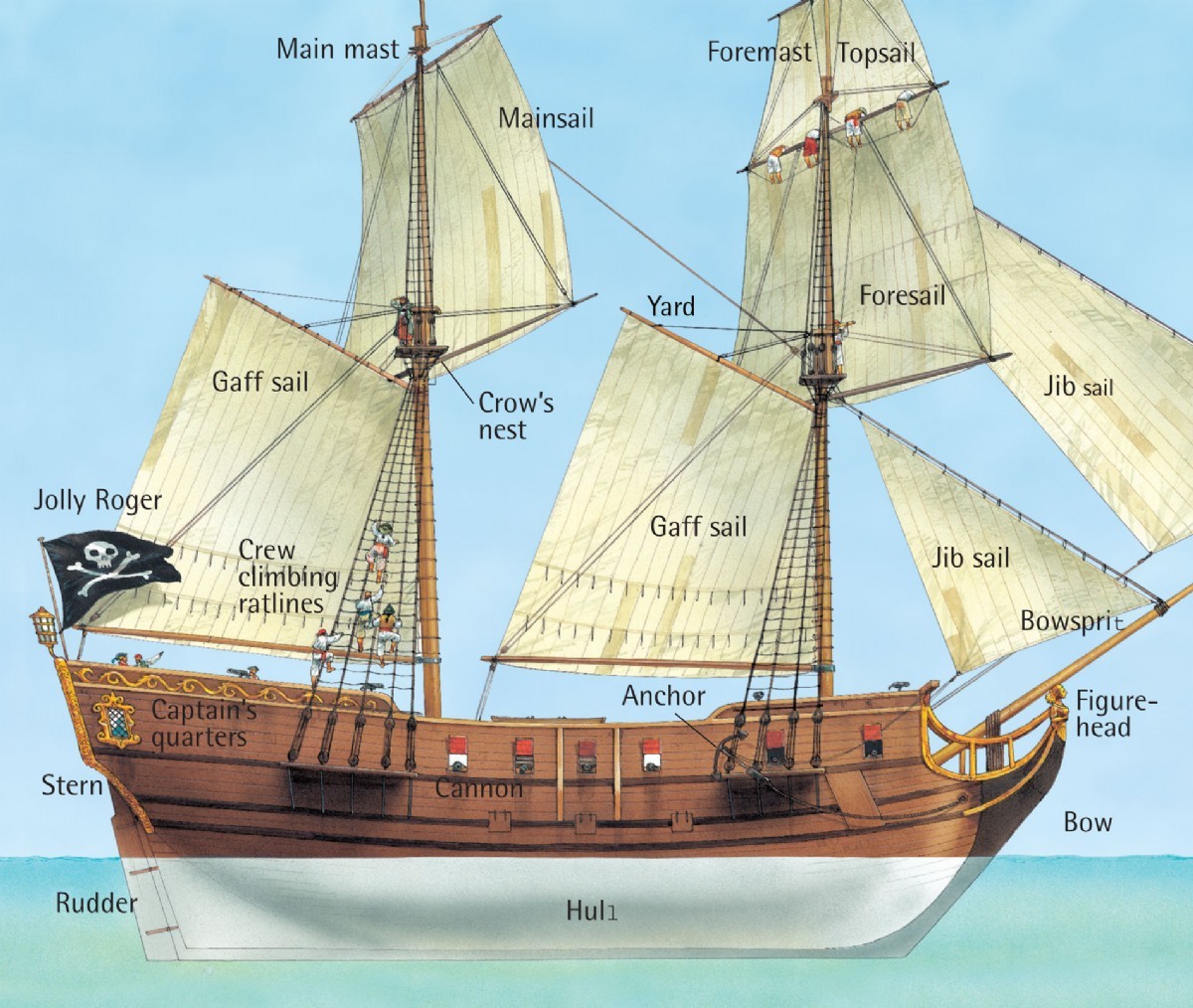
The front of a ship is called the bow, which is the forward part of the hull designed to cut through water.
600
To have fun, Pirates would take part in something called "Shanties". What are "Shanties"?
A) Cook Offs
B) Rhythmic Work Songs
C) Dance Competitions
B) Rhythmic Work Songs

"Shanties" (or chanties) primarily refers to rhythmic work songs sailors sang on ships, a type of folk song for coordinating labor (like pulling ropes or wiping the deck)
A Life Of A Pirate For Me:
600
There once was a famous and terrifying pirate named after the colour of his beard. What Was His name?
A) Bluebeard
B) Blackbeard
C) Redbeard
B) Blackbeard

Edward Teach (c. 1680–1718), famously known as Blackbeard, was one of history's most notorious English pirates during the Golden Age of Piracy, terrorizing the Caribbean and American colonies with his fearsome image and bold tactics, like blockading Charleston and demanding medicine, before being killed in battle off North Carolina in 1718. He was known for his bushy black beard, from which he got his name, and used slow-burning fuses in it during battles to appear demonic.
600
EAKDBLCARB
BLACKBEARD
600
KLSUL NDA SBSNORCOSE
SKULL AND CROSSBONES
600
ANPTCIA
CAPTAIN