I’m ~comprehensively ~an idiot
hand weenies only
clavicle up girlies
Aesthetic AF
stupid to my ✨core✨
100
Z plasty % gain for 30°, 45°, 60°, 75°, 90°
30° -> 25%
45° -> 50%
60° -> 75%
75° -> 100%
90°-> 125%
100
Two most common sites of ulnar nerve compression and how to distinguish?
Guyon's canal & Cubital tunnel
both: intrinsic hand weakness, sensory loss (as long as guyon's proximal to the bifurcation)
Cubital will also have +tinel's at the elbow and wrist flexion weakness
100
what tessier cleft?
#7 cleft

100
this structure in the eyelid is parasymphathetically innervated
Muller muscle
100
the global period is ___ days for major surgeries and ___ days for minor procedures
90 days
10 days
200
in phalloplasty, the ____ nerve is coapted for tactile sensation (hook up to LABC) and the _____ nerve is coapted for erogenous sensation (hook up to the MABC)
ilioinguinal -> tactile
dorsal clitoral nerve (or dorsal penile nerve in biologic males) -> dorsal
200
what intrinsic hand muscles are innervated by median nerve?
LOAF
lumbricals (lateral 2)
opponens pollicis
abductor pollicis brevis
flexor pollicis brevis
200
which glands of the eye prevent evaporation of tears?
Meibomian glands which lie at the ciliary border on the tarsal plate secrete lipid (meibum). This dysfunction is most common cause of dry eye
200
what is G' (in regard to fillers)?
represents elasticity
higher G' = better resistance to spreading out which makes it better for deep structural injection (i.e. deep placement)
200
in wound healing, _____ (cell type) cause contraction of the wound while ______ cause re-epitheliazation
fibroblasts -> contraction
keratinocytes -> re-epithialization
300
What flap has pedicles between these musles?
1. gracilis & adductor magnus
2. rectus femoris & vastus lateralis
3. extensor digiti minimi & extensor carpi ulnaris
4. flexor hallicis longus & tibialis posterior
1. gracilis & adductor magnus -> Profunda artery perorator (PAP)
2. rectus femoris & vastus lateralis -> anterolateral thigh (ALT) (desc. br of lateral femoral circumflex a)
3. extensor digiti minimi & extensor carpi ulnaris -> posterior interosseous artery (PIA) flap
4. flexor hallicis longus & tibialis posterior -> free fibula (peroneal artery)
300
what are the stages of SLAC wrist and treatment?
Stage 1: arthritis of the radial styloid. Tx: radial styloidectomy or PIN/AIN denervation
Stage 2: arthritis of the scaphoid and entire scaphoid fossa of distal radius. Tx: proximal row carpectomy or four corner fusion
Stage 3: arthritis of the lunate and capitate and eventually scapholunate dissociation. Tx: proximal row carpectomy (if no arthritis at the capitolunate surface), wrist fusion, silicone wrist arthoplasty
300
In ear reconstruction: what are mustarde sutures? what are furnas sutures?
Mustarde: recreates the antithetical fold with mattress sutures
Furnas: fixes the conchal bowl to the mastoid periosteum
300
Classify the following peels based on depth:
- phenol/croton (Baker gordon)
- salicylic
- Jessner's
- TCA 10%
- phenol/croton (Baker gordon) -> deep (reticular dermis)
- salicylic -> superficial (epidermis)
- Jessner's -> medium (papillary dermis)
- TCA 10% -> superficial (epidermis)
300
what side effects are associated with
- silver nitrate
- silver sulfadiazine
- mafenide acetate
- silver nitrate -> electrolyte disturbance (hyponatremia, hypochloremia)
- silver sulfadiazine -> leukopenia
- mafenide acetate -> metabolic acidosis
400
Name all the Mathes & Nahai Types for the following:
soleus, gracilis, tensor fascia lata, gluteus maximus
soleus (type 2)
gracilis (type 2)
TFL (type 1)
gluteus maximus (type 3)
400
what do these things test for:
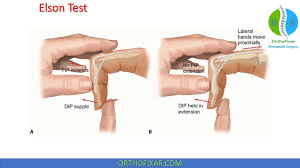
Elson's test
Watson's test
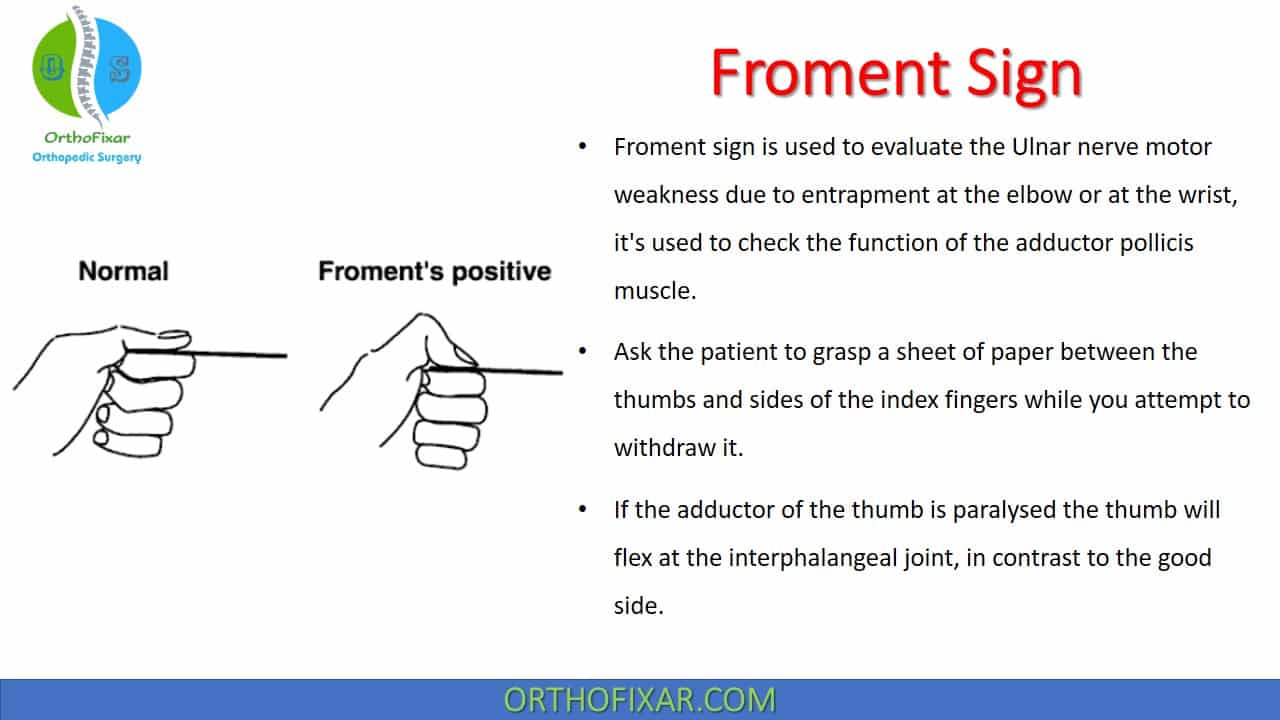
Froment's sign
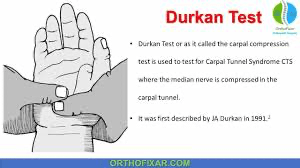
Durkan's test
Elson's test -> central slip injury
Watson's test -> scapholunate instability 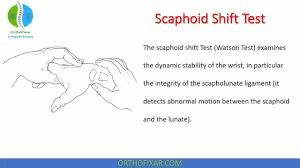
Froment's sign -> ulnar nerve motor weakness
Durkan's test -> carpal tunnel
400
what genes are associated with the syndromes?
Apert
Crouzon
Pfeiffer
Mueunke
Saethre-Chotzen
Treacher Collins
Van der Woude
Apert/Crouzon/Pfeiffer/Mueunke: FGFR2
Saethre-Chotzen: TWIST1
Treacher Collins: TCOF1
Van der Woude: IRF6
(Bonus: Stickler/COL2A1, Nagar/SF3B4, Miller/DHODH)
400
what are the uses for the following rhinoplasty grafts:
lateral crural strut graft
spreader graft
subdomal graft
alar batten graft
lateral crural strut graft -> reconstruct the lower lateral cartilage/prevent external valve collapse, alar retraction
spreader graft -> widens middle vault, correct internal valve collapse, correct inverted V deformity, correct dorsal aesthetic lines
subdomal graft -> corrects "pinched nose", tip support when dome sutures alone don't work, softens harsh tip definition
alar batten graft -> splints external valve, corrects overresection, corrects pinched tip
400
Describe the TNM staging for breast cancer
T (tumor) T0 (no evidence) T1 (tumor <2cm) T2 (2cm-5cm) T3 (>5cm)
N (node) N0 (no nodes) N1 (1-3 nodes) N2 (4-9 nodes) N3 (10+ ipsilateral nodes)
M (metastases) M0 (no mets) M1 (distant mets)
500
Mechanism of action for types of lymphedema:
- lymphedema tarda?
- filiarisis?
- podoconiosis?
- lymphedema tarda -> congenital underdevelopment or dysfunction of the lymphatic system. The mechanism involves genetic mutations (e.g., FOXC2 or GATA2) Onset is after 35 yrs
- filiarisis? -> worm Wucheria bancrafti. Mosquito larvae mechanically block lymphatic ducts
- podoconiosis? barefoot walkers walk on silica in the soil -> particles collect in skin then collect in lymphatics and causes sub endothelial lymphedema
500
What does each muscle become in index finger politicization?
Extensor indicis
Extensor digitorum communis
palmar interosseous
dorsal interosseus
flexor digitorum profundus
Extensor indicis -> proprius EPL
EDC -> APL
palmar interosseous -> adductor pollicis
dorsal interosseus -> abductor pollicis brevis
FDP -> FPL
500
Name the associated nerve, artery, and at least one additional structure associated with each bronchial arch
1st arch: V3, maxillary artery, 1-3rd hillocks (anterior), mandible, maxilla, temporal bone, zygoma, malleus, incus, mastication muscles (masseter & pterygoids) mylohyoid, anterior belly of the digastric
2nd arch: facial nerve, stapedial artery, posterior belly of the digastric, facial expression muscles, platysma, stylohyoid, stapes, styloid process, lesser horn of hyoid, 4-6 hillocks (posterior)
3rd arch: glossopharyngeal nerve, carotid artery, stylopharyngeous, greater horn of styloid
4th arch: vagus nerve, aortic arch & right subclavian, elevator veli palatini, uvula, palatopharygenus, palatoglossus, pharyngeal constrictors, cricothyroid, salpingopharyngeus (swallow muscles)
6th arch: vagus nerve, aorta/pulmonary artery/ductus arteriosus, arytenoid, epiglottis (speech muscles)
500
Name each laser type and color/chromophore
595 nm
694 nm
755 nm
1064 nm
10,600 nm
595 nm -> PDL - pulsed dye (red i.e. port wine stains, hemangiomas)
694 nm -> Q switched Ruby - melanin (hair)
755 nm -> alexandrite - melanin (hair)
1064 nm -> Nd:YAG - blue/black/green pigment (safer for darker skin as doesn't work on melanocytes)
10,600 nm -> CO2 - ablative
500
what are the components of the modified 5-item frailty index?
1. functional status
2. diabetes mellitus
3. COPD
4. CHF
5. hypertension (requiring medication)